Sensex plummets over 900 points, wiping out ₹14 lakh crore amid smallcap bubble fears

Sensex
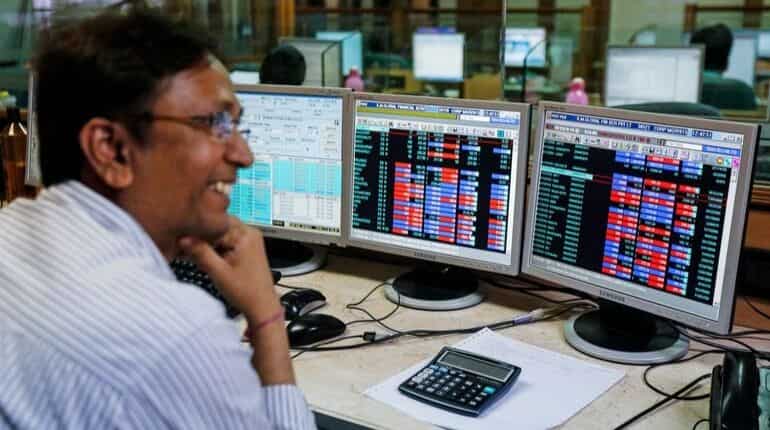
The Indian stock market witnessed a significant downturn on Wednesday, with the Sensex plummeting over 900 points and slipping below the crucial 73,000-level.
This sharp decline was mirrored by the Nifty, which also experienced a notable drop below 22,000.
However, the brunt of the market turmoil was felt in the smaller stocks segment, with the smallcap index witnessing its worst single-day fall since December 2022, losing over 5 per cent of its value.

Midcaps and microcaps followed suit, shedding 4 per cent and 6 per cent respectively.
The collective impact saw a staggering ₹14 lakh crore being wiped off the market capitalisation of all BSE-listed stocks, which now stands at ₹372 lakh crore.
Analysts have been quick to point out that the recent downturn in the stock market defies the global trade setup, particularly with the S&P500 hitting a record high overnight.
)
Pentagon revives mandatory testosterone testing for male troops aged 30 and above
)
FACT CHECK: Why did PM Modi ask Xi ‘is it okay’ at BRICS Summit? New video reveals...
)
India seeks to build a full semiconductor supply chain
&im=FitAndFill=(700,400))
From Abhishek Sharma to Sahil Chauhan, 5 batters with fastest T20I hundreds
)
Pyongyang dismisses US, western pressure over nuclear programme
)
US And Denmark reach Greenland deal, Trump announces expanded military presence
)
Google’s Gemini AI hacks real systems by guessing passwords during security test
)
US hiding troop deaths in Iran war? Toll higher than Pentagon count, claims report
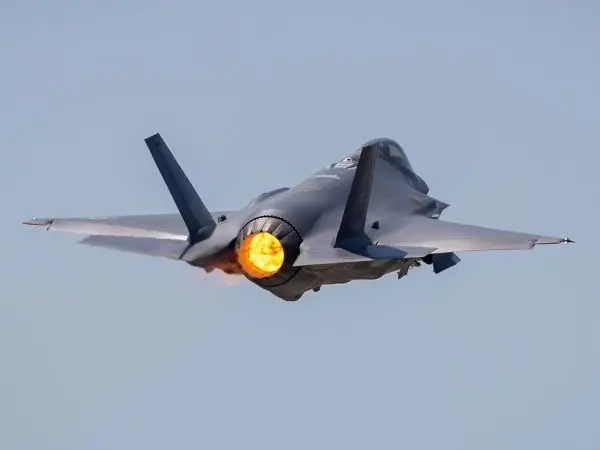)
China may have gained access to US's classified F-35 jets; parts meant for repairs diverted to Hong Kong, sparking Pentagon inquiry
)
NASA research plane reaches 61,000 feet over Panama
)
Godfather of AI Geoffrey Hinton gives US lawmakers a one-year warning on AI
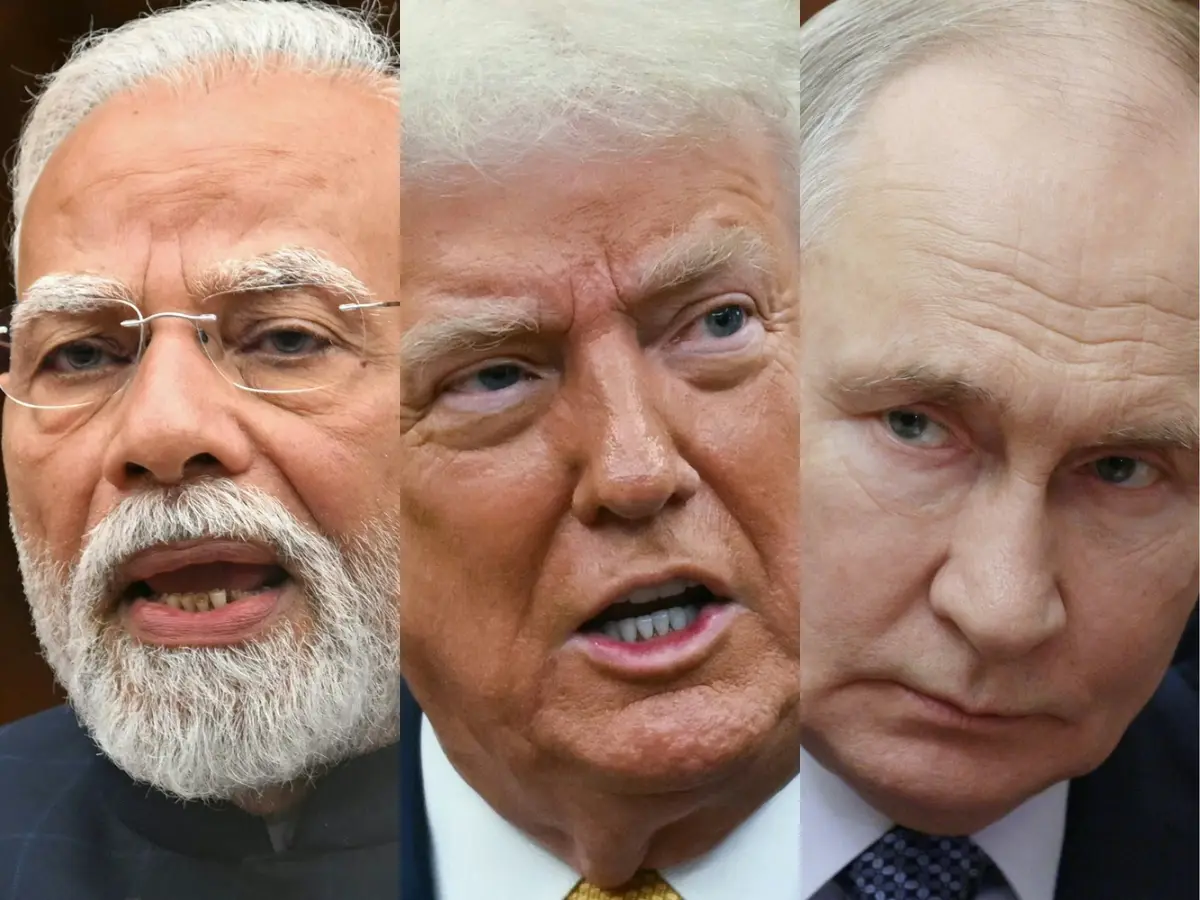)
Trump signs Russia sanctions law: India faces fresh 100% tariff threat over Russian oil
)
Brigitte Bardot’s private collection set for Paris auction; key items and prices revealed
)
Why Ranveer Singh’s Dhurandhar missed India’s Oscar entry; FFI jury member reveals what happened
)
Zendaya and Tom Holland step out for a low-key date in Los Angeles
)
‘Will go to any extent’: Pakistan vows to defend Saudi Arabia amid Houthi attacks
)
The Verdict | When precision fails: US commits war crime in Minab school strike, UN finds
)
Trump signs Russia sanctions bill into law, targets Moscow’s energy sector
66 years of the Indus Waters Treaty: How India and Pakistan settled a bitter river dispute
&im=FitAndFill=(700,400))
New Friday OTT releases (September 18, 2026): Lust Stories 3, You+Me, Best of the Best- 8 new titles coming on Netflix, Prime Video and more
)
Pak: A series of counter terrorism operations in Khyber Pakhtunkhwa
)
Fast bowler Brydon Carse faces no charges over Derby nightclub incident
)
Flying cars in UAE: Ras Al Khaimah signs deal with Chinese company to test new transport
)
Africa is splitting, and a lot sooner than estimated, giving way to a new ocean
)
Trump bans CNN, MS NOW and Politico from White House over ‘FAKE NEWS’
)
Trump 2.0: Dark days ahead for America’s ‘imperial presidency’
)
Trump's Greenland dream comes true? POTUS announces 'Infinite Life' deal with Denmark, claims permanent US control
)
Tirupati Laddu ghee adulterated with chemicals, says ED, supplier arrested
)
Who is Khalilur Rahman? All you need to know about 81st UN General Assembly President
)
IIT Bombay student dies by suicide, was caught seeking AI help during exams
&im=FitAndFill=(700,400))
Meet top 5 bowlers in latest ICC T20I rankings
)
Indian Cinema bets big on mythology, brings ancient stories to modern audiences
)
Ukraine plans record $109 bn defence spending, nearly two thirds of budget amid Russia war
)
Russia holds first parliamentary elections since the beginning of the Ukraine war
&im=FitAndFill=(700,400))
Meet top 5 Indian batters with fastest T20I centuries
)
With $3 billion invested so far this month, Foreign Institutional Investors (FIIs) have also demonstrated their faith in the Indian market.
Hence, the root cause of the market turmoil appears to be more domestic in nature, driven by internal factors rather than external influences.
Sebi's recent stress test could be identified as a significant trigger for the market crash, according to Madhabi Puri Buch, the chairperson of the market regulator.
Buch's warning about the presence of froth in certain segments of the market, particularly in smallcaps and midcaps, has raised concerns among investors.
This cautionary stance by Sebi has prompted actions from market participants, with ICICI Prudential Mutual Fund temporarily halting fresh subscriptions via lumpsum mode to smallcap and midcap funds.
Furthermore, valuation concerns have been brewing in the smallcap space for some time, with excessive valuations being driven by the irrational exuberance of retail investors.
Sebi's statement that valuation parameters are disconnected from fundamentals has underscored these apprehensions, leading to a corrective phase in the market.
Additionally, as per a report by the Economic Times, the recent crackdown by the Enforcement Directorate (ED) on the Mahadev Online Book illegal betting app scam has unearthed a link to the stock market bubble, further exacerbating investor jitters.
In response to the market downturn and regulatory warnings, stockbrokers have begun advising traders to liquidate their leveraged bets in mid and smallcaps.
This move aims to mitigate risks amid the heightened volatility in the market.
Moreover, with the financial year end approaching, investors are engaging in profit booking and loss harvesting activities to optimise their portfolios for tax purposes.
These strategic manoeuvres are contributing to the ongoing reshuffling of investment positions, adding to the market turbulence.
From a technical standpoint, the market sentiment remains bearish, with indicators suggesting a continuation of the downward trend.
Nifty's formation of a long-legged Doji candle, coupled with the persistence of the bearish evening star pattern, reflects the prevailing uncertainty among investors.
Additionally, on the derivatives front, bearish sentiments have been observed, with sectors witnessing either short build-up or long unwinding activities.