
&imwidth=800&imheight=600&format=webp&quality=medium "Samsung to supply Tesla chips in $16.5 billion deal through 2033")
Samsung Electronics has signed a landmark $16.5 billion semiconductor supply deal with Tesla, according to CEO Elon Musk — a move that could reshape the chipmaking landscape and revive the South Korean giant’s struggling foundry business. Musk confirmed on Monday that the multi-year contract would see Samsung manufacture Tesla’s next-generation AI6 chips, dedicated to autonomous and AI computing. He added that Samsung’s upcoming fab in Taylor, Texas, would be at the heart of the deal, calling its strategic value “hard to overstate”.
The agreement comes at a critical moment for Samsung, which has been losing market share in advanced chipmaking to Taiwan’s TSMC and facing mounting losses in its contract manufacturing division. According to Reuters, the foundry business recorded losses of over 5 trillion won ($3.63 billion) in just the first half of 2025. Samsung had initially announced the 22.8 trillion won ($16.5 billion) deal without naming the client, citing confidentiality clauses. However, multiple sources told Reuters that Tesla is the customer, and Musk later confirmed this publicly on X.
Boost for Samsung’s Texas ambitions

The deal is expected to run until the end of 2033 and signals a possible revival of Samsung’s delayed Texas project. The Taylor fab has faced construction delays and a lack of major clients. Musk said Tesla would help “maximise manufacturing efficiency” and that he would “walk the line personally” to accelerate production.
The plant’s location also holds personal significance. “It’s conveniently located not far from my house,” Musk wrote.
Race for AI chip dominance
Trending Stories
)
'Lot of things to learn from experienced players': Jayasuriya backs Rohit, Virat for 2027 ODI World Cup
)
Jailer 2: Vidya Balan joins Rajinikanth's upcoming film as Kantha | Watch
)
Four Hands, Two Sonatas ep (5-8) review: Song Kang Lee, Jun Young elevate the emotional stakes after a tragic turn
)
IIT Bombay tensions ease after three-hour open house; director’s assurances pacify students
)
Glitch in the matrix caught on camera: Woman vanishes after talking to reporter
)
Delhi Air pollution: Strict crackdown on waste burning
)
Saudi Arabia exits China-led mBridge digital currency platform amid Saudi-Houthi conflict
)
‘0% chance’: Nvidia CEO Jensen Huang dismisses AI extinction fears by 2030
)
Samay Raina-Mukesh Chhabra controversy explained: What happened over girlfriend joke on India's Got Latent?
)
SNL UK takes aim at Ed Sheeran with AI Princess Diana sketch
)
J&K Assembly Session begins amid chaos: BJP, ruling alliance clash as statehood demand dominates
)
US and China vie for AI dominance as calls grow for regulation | Gravitas
)
What is Yom Kippur and why is it celebrated? All you need to know about the Jewish Day of Atonement
)
Asian Games: Indian women's hockey team thrash Indonesia 17-1, blasts 36 goals in 2 matches
)
The Scandal, why so scandalous? Ji Chang Wook leaves you gasping for air
)
Bessent meets China’s He Lifeng to prepare for Trump-Xi summit
)
Microsoft executive called AI training the ‘largest theft of labour in human history’
)
The Verdict | The Mecca Agreement is under scrutiny as Houthis attack Saudis
)
Fitna Al-Khawarij: Decoding biggest security threat to Pakistan | Gravitas
)
Mahabharat actor Saurav Gurjar arrested in Hyderabad, sent to 14-day judicial custody in sexual exploitation case
)
Maharashtra TET paper leak: Chargesheet reveals papers smuggled in shoe insoles for Rs 8,000
)
BTS fans mock iHeartRadio’s day 2 turnout after short set controversy
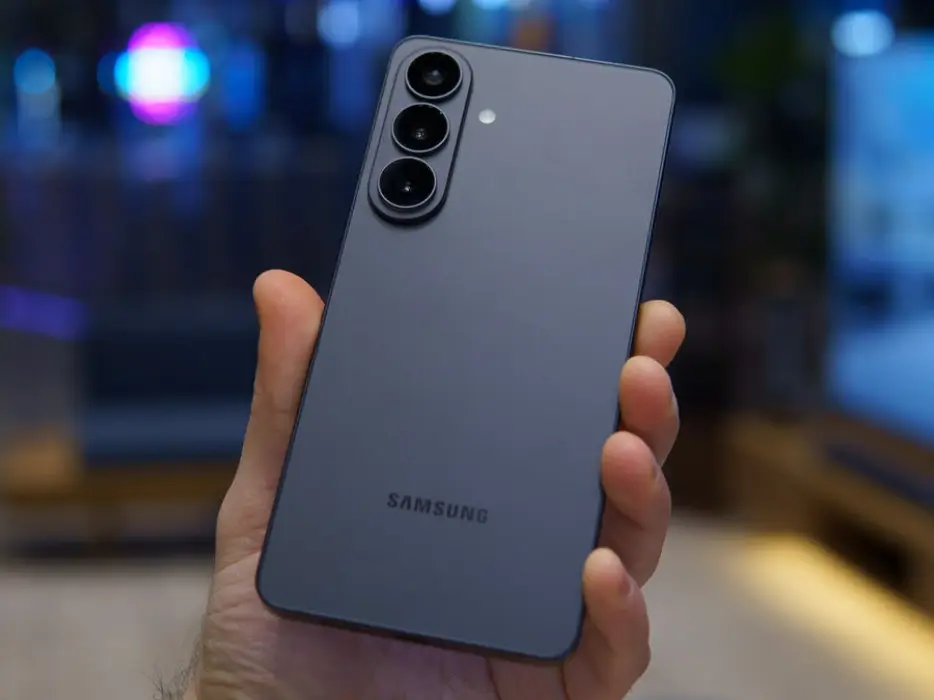)
Samsung raises Galaxy S26 prices by Rs 20,000: Here’s what each model now costs
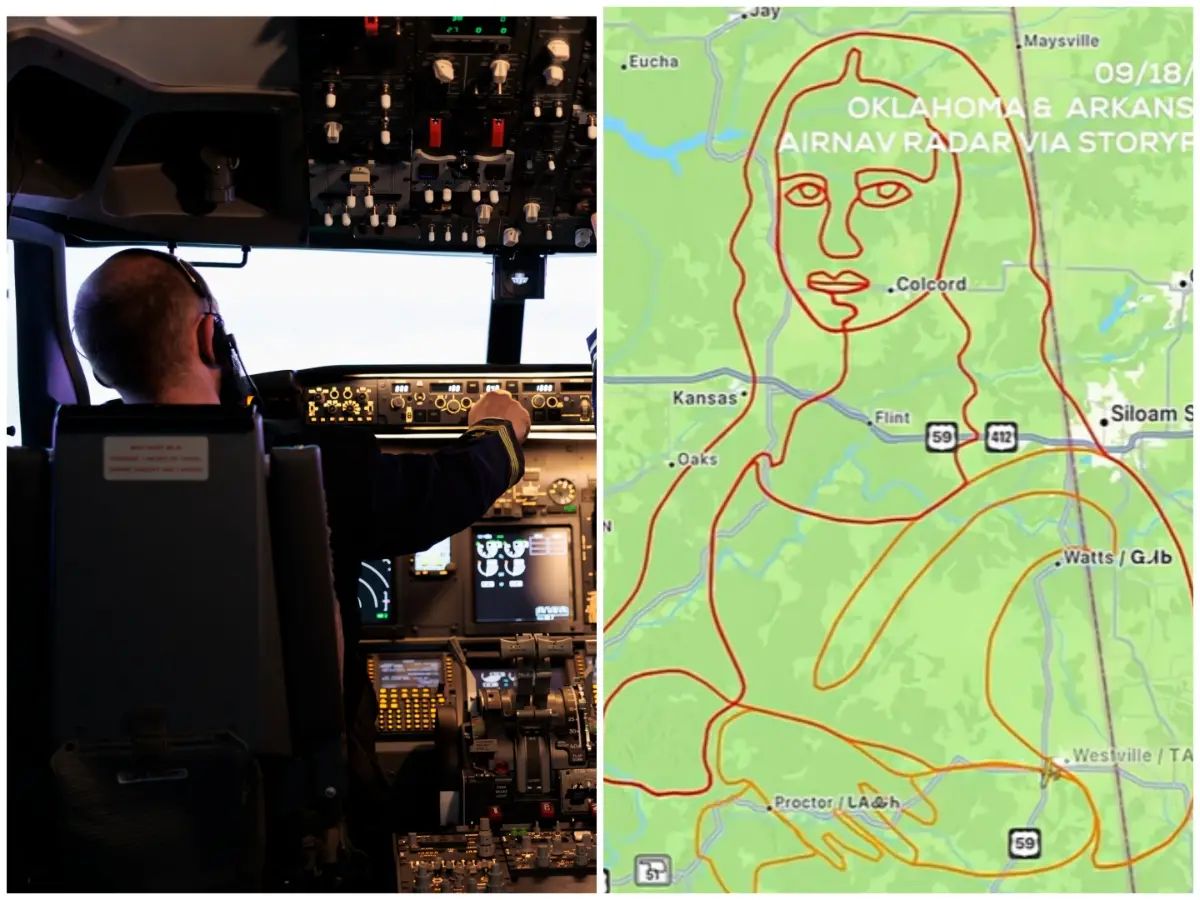)
Pilot recreates Mona Lisa in sky over Oklahoma and Arkansas in four-hour flight: VIDEO
)
AI kill switch explained: Why shutting down a dangerous AI may not be as simple as pressing a button
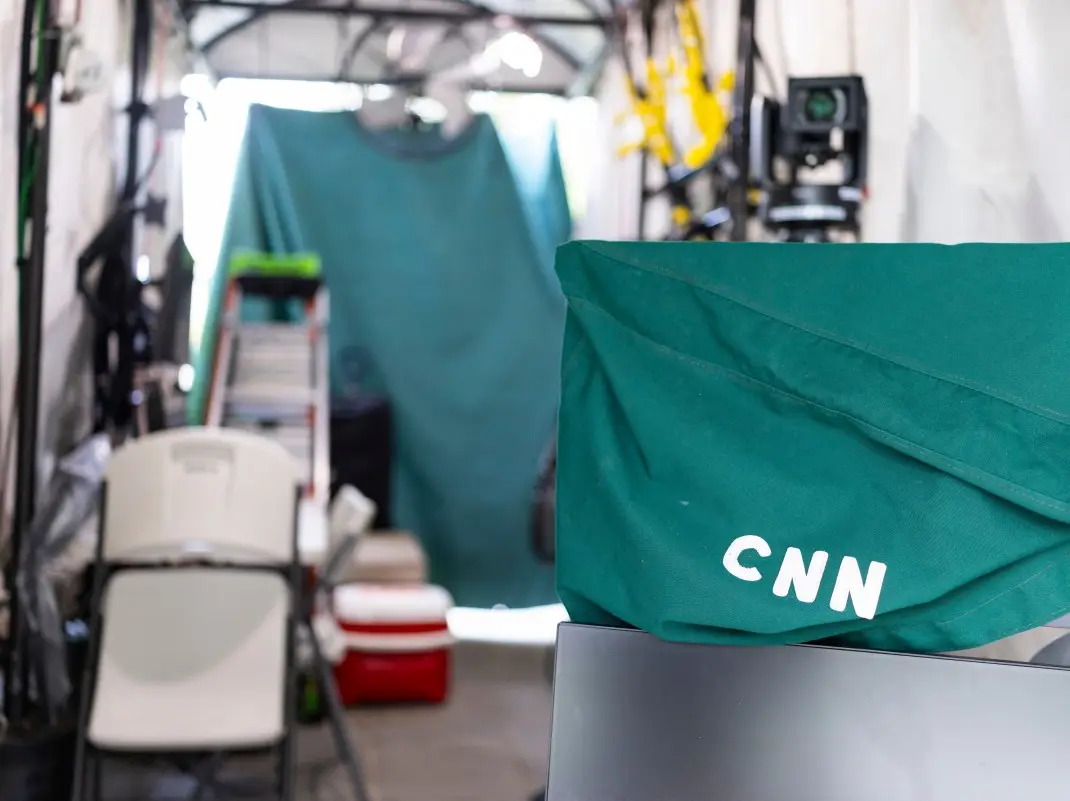)
White House TV pool halts Trump coverage after CNN barred from UNGA events
)
Explainer: Why rare-earth export licences and Board of Trade are US priorities ahead of Trump-Xi summit
)
Four decades after leaving Kolkata, the Birlas may be coming back for more
)
Putin's United Russia party wins 355 seats in Duma election; 4 other parties cross threshold to enter parliament
)
Trump says Russia has ‘lost control’ of its diesel industry, calls for end to ‘ridiculous, never-ending’ war
)
Iranian airlines to shut worldwide on Sept 23, Bessent warns of US banking ban
)
40-foot waves crash into cruise ship in dangerous stretch near Antarctica. Watch
)
Who was Sheikh Ahmed bin Rashid Al Maktoum? From Dubai Royal family to police, sports and racing
)
Apple reportedly building AI server with M8 Ultra chips, may use Nvidia technology
&im=FitAndFill=(700,400))
New OTT releases this week (September 21-27, 2026): Shaque: Trust No One, Hunkkaar, Don’t Be Shy- 5 new titles coming to Netflix, Prime Video and more
)
Taylor Swift has a 'proud wife' moment as Travis Kelce scores first touchdown of season: 'That’s my husband!'
)
Chancellor Friedrich Merz vows to stay on as exit polls signal major poll setback
)
WATCH | Mysterious lights over Tehran caught on video. Drone, aircraft or something else?
Samsung, the world’s largest memory chip maker, has been under pressure in the race to develop AI-focused semiconductors. While it is investing in 2-nanometre technology, analysts believe the Tesla order is unlikely to use the cutting-edge node just yet. Still, the contract is seen as a vote of confidence in Samsung’s roadmap.
As per Bloomberg Intelligence, the deal could boost Samsung’s foundry sales by 10 per cent annually over the contract period. This may help Samsung claw back some ground in the global foundry market, where its share has slipped to just 7.7 per cent, compared to TSMC’s dominant 67.6 per cent, according to TrendForce.
TSMC currently serves industry heavyweights such as Apple, Nvidia and Qualcomm, making it the default choice for high-end chip fabrication. Samsung has been struggling to attract similarly lucrative clients, and the Tesla contract marks a rare strategic breakthrough.
Geopolitical implications
The timing is significant. South Korea is currently in trade negotiations with the United States, seeking to avoid or reduce potential 25 per cent US tariffs on exports such as ships and electronics. A high-profile chip partnership with an American automaker like Tesla could play to Seoul’s advantage in upcoming discussions.
Meanwhile, the US continues to encourage onshore semiconductor production as part of its broader tech decoupling strategy. The Tesla-Samsung deal, centred around a US-based fab, aligns with Washington’s goal of reshoring advanced chipmanufacturing.
(With inputs from the agencies)