Meta faces threat of daily EU fines over pay-or-consent model: Details here

&imwidth=600&imheight=450&format=webp&quality=medium "Meta faces threat of daily EU fines over pay-or-consent model: Details here")
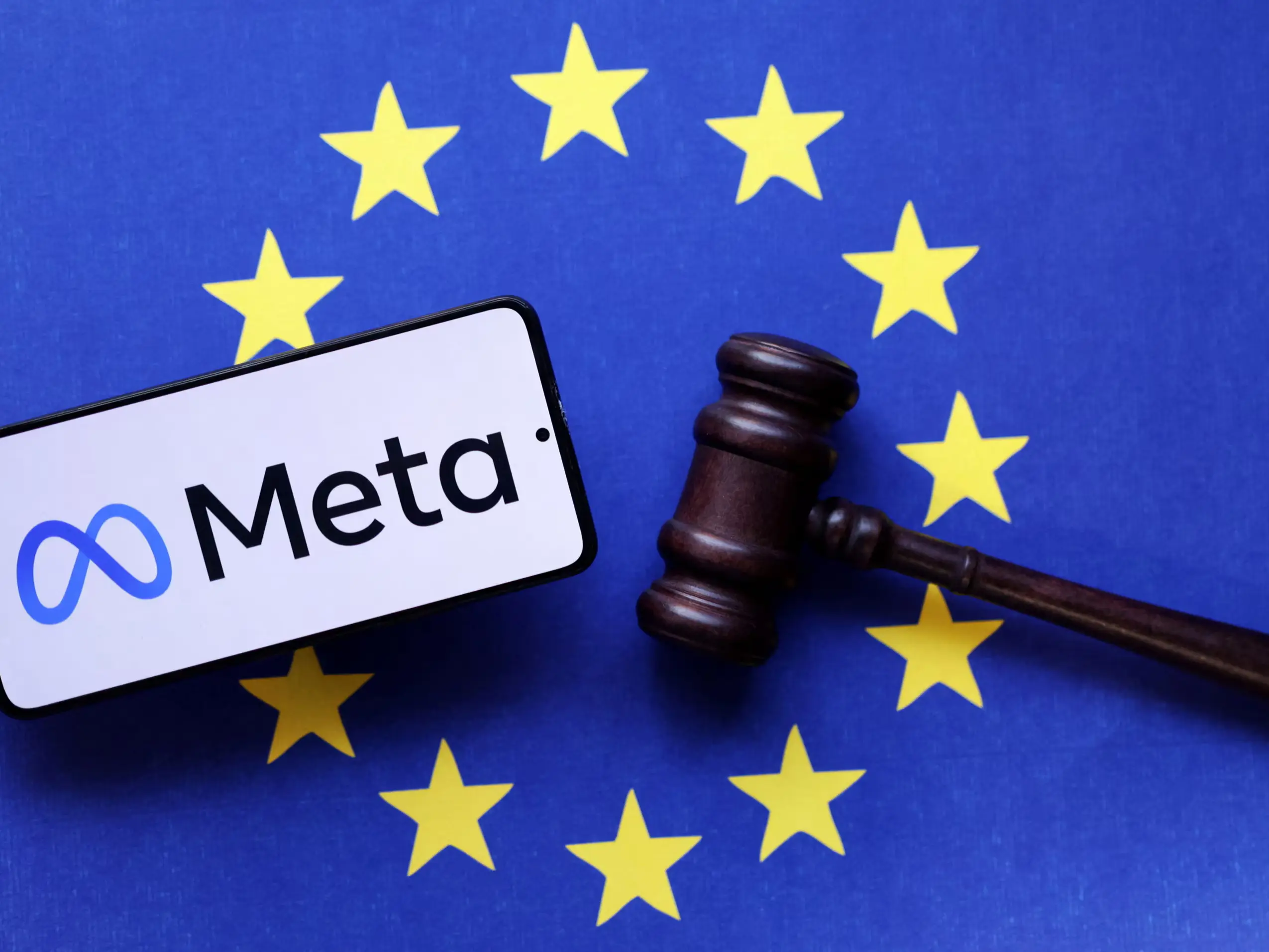
Meta logo, EU flag and Judge gavel are seen in this illustration. Photograph: (Reuters)
Meta faces new pressure from European regulators as the European Commission warns of potential daily fines if its advertising model fails to comply with EU regulations.
Meta is under fresh pressure from European regulators. The European Commission has warned the company it could face daily fines if its advertising model doesn’t meet tough new EU rules.
The warning came on Friday, just two months after the Commission fined Meta 200 million euros ($234 million) for breaking the EU’s Digital Markets Act, or DMA. As per Reuters, the rules aim to stop Big Tech from abusing its power and to protect smaller rivals.
How Meta’s 'pay-or-consent' model works
Meta launched its “pay-or-consent” model in November 2023. It gives Facebook and Instagram users two options:
- Use the service for free but agree to be tracked for targeted ads.
- Or pay for an ad-free experience.
According to Reuters, the European Commission said this setup broke the DMA’s rules until November 2024, even after Meta changed it to use less personal data for advertising. A spokesperson for the Commission said it’s not clear if Meta’s latest changes are good enough. “The Commission cannot confirm at this stage if these are sufficient,” the spokesperson told Reuters.
Trending Stories
)
)
)
)
)
)
)
)
)
)
)
)
)
)
)
)
)
)
)
)
)
)
)
)
)
)
)
)
)
)
)
)
)
)
&im=FitAndFill=(700,400))
)
)
)
)
EU fine warning
The European Commission also warned Meta that if it doesn’t comply, it could face daily fines starting 27 June 2025. As per Reuters, these fines could reach up to 5 per cent of Meta’s average daily worldwide turnover for each day it stays in violation.
That’s a major threat for one of the world’s biggest and most profitable tech companies.
'Unfair': Meta responds to EU
Meta strongly pushed back against the warning. “A user choice between a subscription for no ads or a free ad-supported service remains a legitimate business model for every company in Europe—except Meta,” a Meta spokesperson told Reuters.
Meta insists it is doing even more than what EU rules demand. “We are confident that the range of choices we offer people in the EU doesn’t just comply with what the EU’s rules require—it goes well beyond them,” the spokesperson told Reuters.
EU rejects Meta’s complaint
But the European Commission dismissed Meta’s accusations of unfair treatment. According to Reuters, officials said the DMA applies equally to all large digital companies, no matter where they’re based or who owns them.
“We have always enforced and will continue to enforce our laws fairly and without discrimination towards all companies operating in the EU,” the spokesperson said.
A key test for Big Tech rules
This battle highlights how serious the EU is about reining in Big Tech. The DMA, which took effect in March, forces large platforms to follow strict rules designed to stop them from crushing smaller competitors.
Meta’s pay-or-consent model is one of the first big tests of these new rules. As per Reuters, the outcome will help define how tech giants will have to operate in Europe in the coming years.
(With inputs from the agencies)