

&imwidth=800&imheight=600&format=webp&quality=medium "Kremlin pressures Russia’s top banker to slash rates as sanctions hit economy")
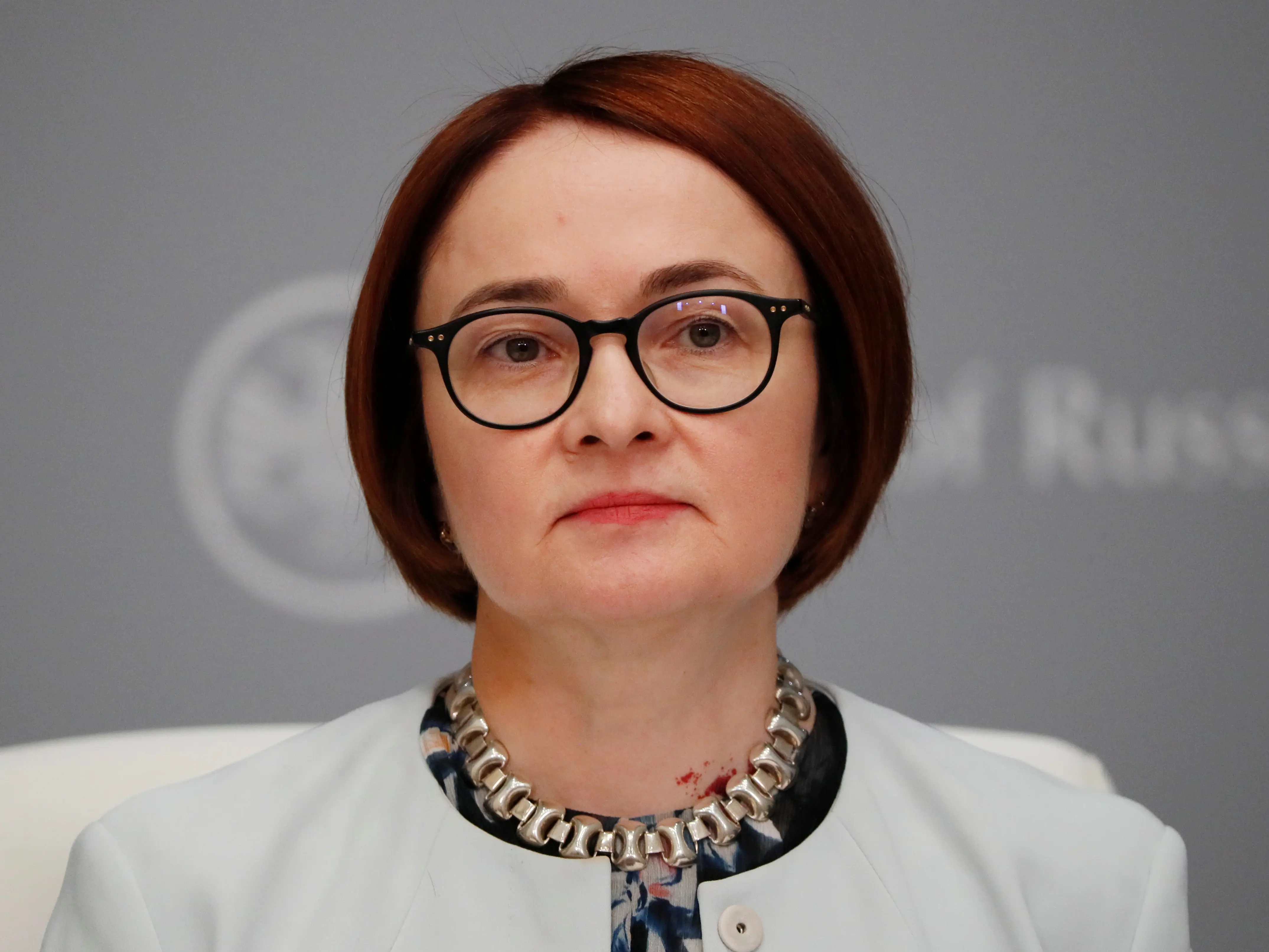
Russia’s central bank governor Elvira Nabiullina is reportedly facing growing pressure from the Kremlin to cut interest rates from their record-high level, as recession fears mount and war-time spending begins to strain the economy.
The benchmark interest rate stands at 21 percent—it's highest since the invasion of Ukraine in 2022—following a series of aggressive hikes aimed at defending the ruble and containing inflation.
However, top Kremlin officials are now urging a shift in policy.
According to Bloomberg, discussions are underway to slash rates as early as the upcoming central bank meeting this Friday, with officials eyeing a 200 to 300 basis-point cut to ease borrowing costs.
Nabiullina, once praised for stabilising Russia’s financial system through capital controls and emergency tightening, is now being blamed for stalling investment and pushing non-military sectors into stagnation.
Bloomberg Economics reports that while inflation has cooled to 6.2 percent in April, down from 10.7 percent in January 2025—this drop is largely due to temporary ruble strength, which may not be sustainable.
Trending Stories
&imwidth=180&imheight=135&format=webp&quality=medium)
Gravitas | US attack could trigger WW III: Russian planes in Tehran, Israeli jets, US warships in action
&imwidth=180&imheight=135&format=webp&quality=medium)
Horrific video shows the moment 18-year-old fell to her death from Mexico amusement park ride
&imwidth=180&imheight=135&format=webp&quality=medium)
Negotiators from Ukraine, Russia, United States to meet in Abu Dhabi: Zelensky
&im=FitAndFill=(700,400)&imwidth=180&imheight=135&format=webp&quality=medium)
New Friday OTT releases (October 23, 2026): Gajab Raat, Dorothy, Chaar Yaar- Watch these 6 new movies and TV shows on Netflix, Prime Video and more
&imwidth=180&imheight=135&format=webp&quality=medium)
US Navy, Marine Corps boards defy Trump's transgender military ban, vote to retain troops
&imwidth=180&imheight=135&format=webp&quality=medium)
'My name has always been Ilhan Omar': Congresswoman hits back at Trump, calls him a 'creep'
&imwidth=180&imheight=135&format=webp&quality=medium)
US midterms 2026: Trump revises Canada tariffs as Susan Collins faces tight re-election race in Maine
&imwidth=180&imheight=135&format=webp&quality=medium)
'Already tired of his 9-to-5': Baby born with a moustache becomes internet sensation, video goes viral | Watch
&imwidth=180&imheight=135&format=webp&quality=medium)
Google Fitbit Air’s new health guardian feature tracks trends: How it works
&imwidth=180&imheight=135&format=webp&quality=medium)
'You’re a horrible little reporter, aren’t you?': Trump snaps at NBC reporter questioning his support for Ramaswamy's campaign ad
&imwidth=180&imheight=135&format=webp&quality=medium)
AI deepfakes are spreading online: Why is removing them so difficult?
&imwidth=180&imheight=135&format=webp&quality=medium)
French Open: PV Sindhu storms into final with win over Hina Akechi
&imwidth=180&imheight=135&format=webp&quality=medium)
Will the US attack Iran this weekend? Trump's envoy says, 'absolutely'
&imwidth=180&imheight=135&format=webp&quality=medium)
'Black triangle' UFO flying at 1,800mph spotted over sensitive US site: Latest Trump admin UFO file dump
&imwidth=180&imheight=135&format=webp&quality=medium)
China's dancing robot turns violent bodyguard, lifts cars and fights intruders - Watch
&imwidth=180&imheight=135&format=webp&quality=medium)
US midterms 2026: Viral video claims Lindsey Graham paid underage men for sex; clip released weeks before his sister's Senate race
&imwidth=180&imheight=135&format=webp&quality=medium)
Chemical warehouse explosion in Mexico: Several injured in multiple blasts, 1,000 evacuated in León
&imwidth=180&imheight=135&format=webp&quality=medium)
India-China face-off continues near Arunachal’s Taksing, reveals ITBP chief in first official confirmation of tensions
&imwidth=180&imheight=135&format=webp&quality=medium)
Fauzi teaser out: Prabhas takes on the British Empire in patriotic avatar | Watch
&imwidth=180&imheight=135&format=webp&quality=medium)
Massive 7.2 magnitude quake off Vanuatu triggers tsunami warning for coasts within 300 km
&imwidth=180&imheight=135&format=webp&quality=medium)
Global cybersecurity alert: PHP flaws trigger website shutdowns as hack attempts surge into millions
&im=FitAndFill=(700,400)&imwidth=180&imheight=135&format=webp&quality=medium)
How smart robots and AI assemble vehicles in 20 hours
&imwidth=180&imheight=135&format=webp&quality=medium)
First Lady Melania Trump secures ceasefire between Russia, Ukraine in Oleshky: White House
&imwidth=180&imheight=135&format=webp&quality=medium)
Pakistan airline PIA unveils new crew uniforms, faces online criticism
&imwidth=180&imheight=135&format=webp&quality=medium)
Tu Hai Meri Kiran film review: Sonakshi Sinha and Zaheer Iqbal's thriller gets tangled in its own twists
&imwidth=180&imheight=135&format=webp&quality=medium)
IND-W vs ZIM-W, 1st ODI: Rawal, Charani star in India’s nine-wicket win over Zimbabwe
&imwidth=180&imheight=135&format=webp&quality=medium)
US charges two former FBI officials with lying to Congress about Hunter Biden probes. 'Politically motivated' Trump grievance or something else?
&imwidth=180&imheight=135&format=webp&quality=medium)
Did Neha Bora call for Bangladesh-like GenZ protest, 'anarchy' in India? WION Fact-checks viral claim
&imwidth=180&imheight=135&format=webp&quality=medium)
Viral video shows cross falling on Colombia priest, no official confirmation | WATCH
&imwidth=180&imheight=135&format=webp&quality=medium)
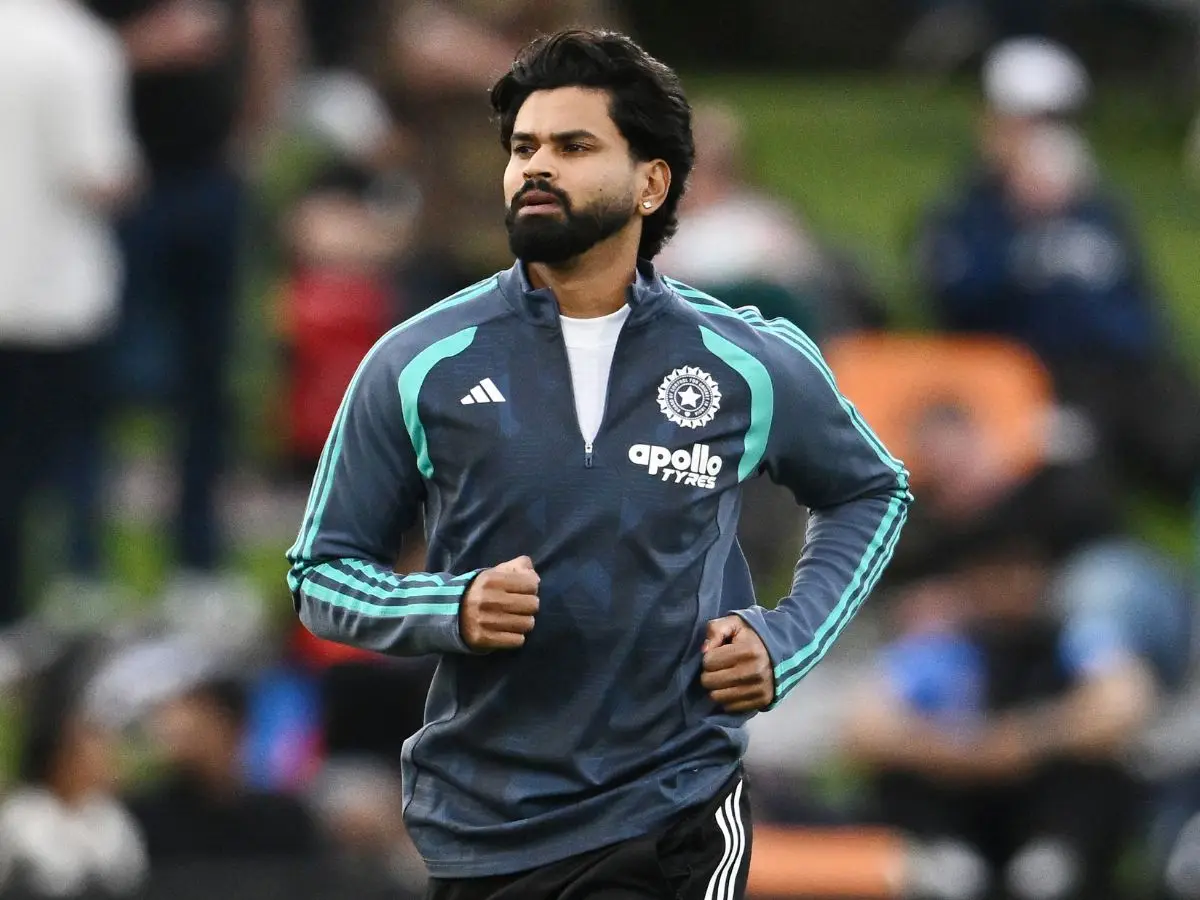
IND vs NZ 2nd T20I: Shreyas Iyer on brink of breaking Rohit Sharma’s record
&imwidth=180&imheight=135&format=webp&quality=medium)
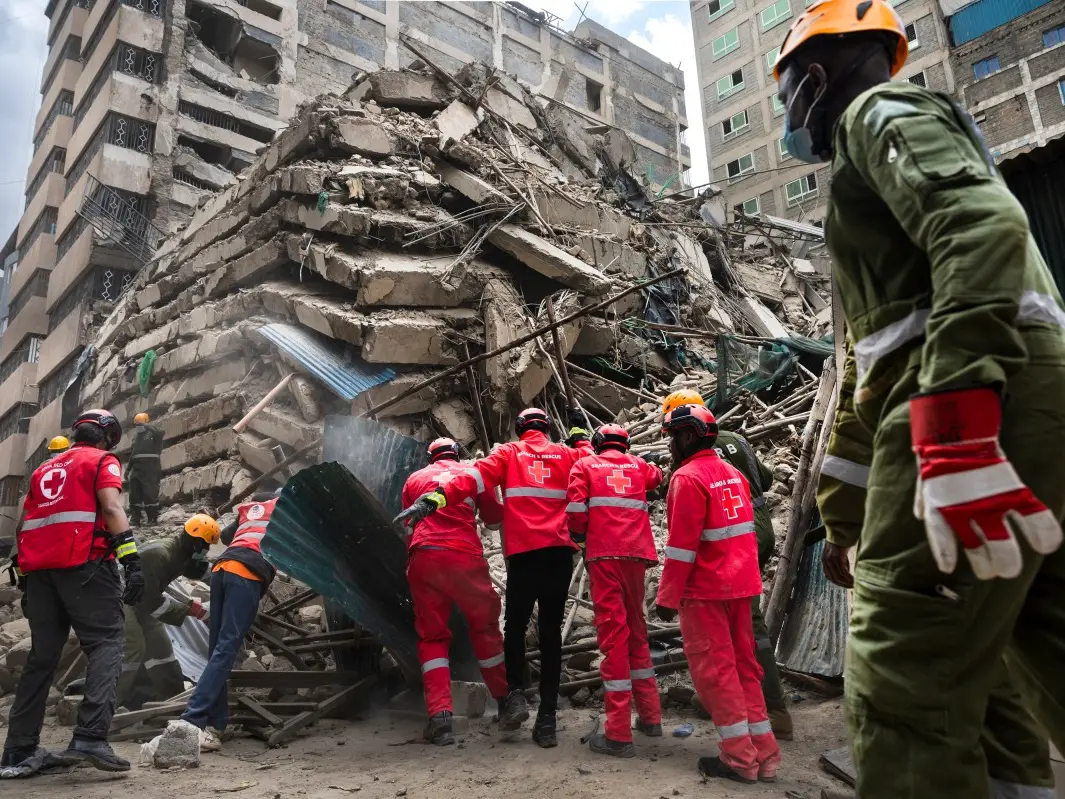
Nairobi building collapse: Several feared trapped after 16-storey structure crumbles; rescue operation underway
&imwidth=180&imheight=135&format=webp&quality=medium)
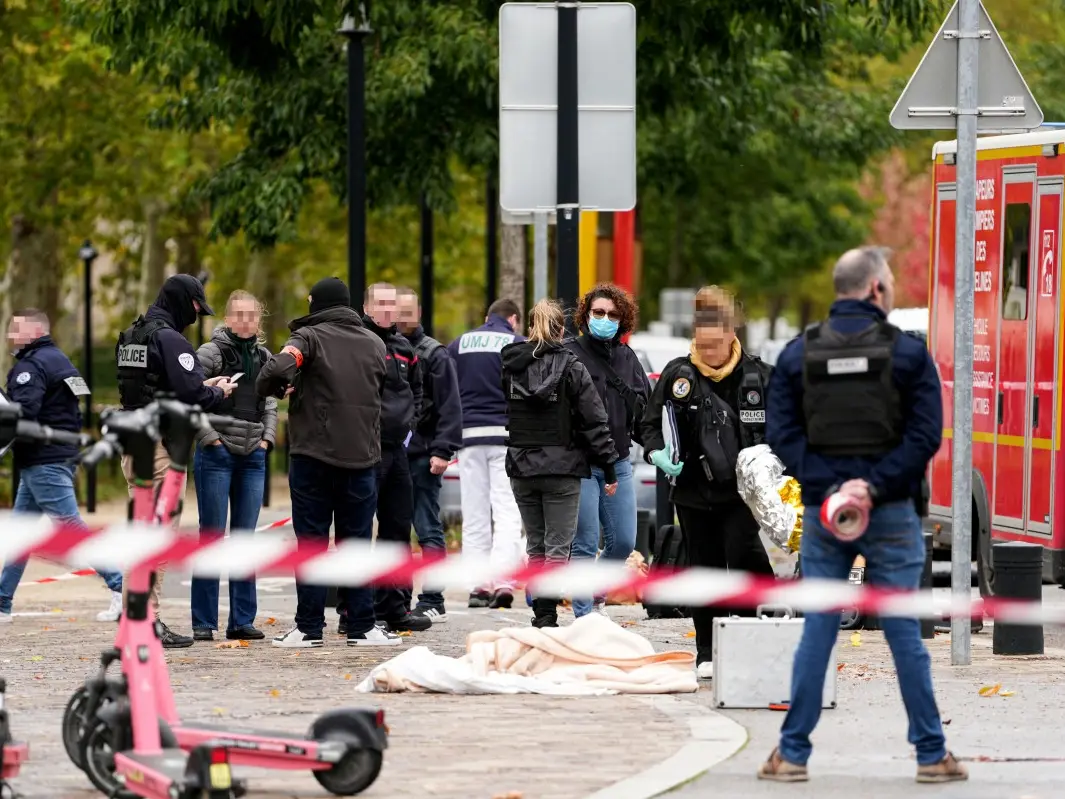
Emmanuel Macron calls Paris suburb shooting a 'racist terrorist attack' after one killed, several injured
&imwidth=180&imheight=135&format=webp&quality=medium)
Anthropic security chief issues grim cyberattack warning: ‘It’s going to get a lot worse’
&imwidth=180&imheight=135&format=webp&quality=medium)
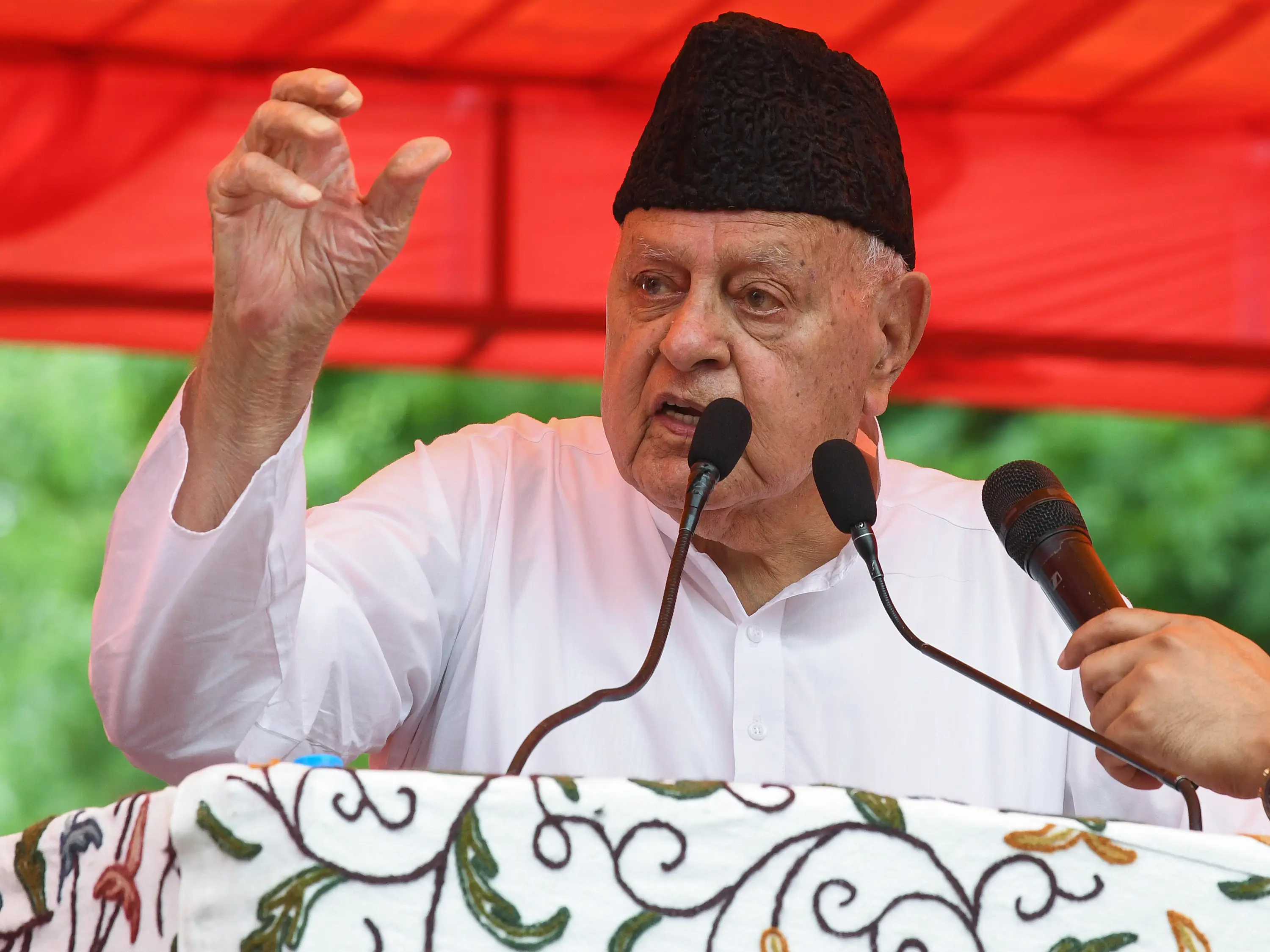
Farooq Abdullah says Pakistan’s raising of Kashmir issue keeps pressure on Delhi
Russia’s industrial giants are already feeling the pinch. Severstal PJSC, one of the country’s largest steelmakers, posted a negative cash flow of 33 billion rubles ($421 million) in Q1 2025, compared to a positive 33 billion rubles in the same period last year—citing weak domestic demand and delayed projects due to high borrowing costs.
Finance Minister Anton Siluanov, Economy Minister Maxim Reshetnikov, and First Deputy Prime Minister Denis Manturov have all reportedly hinted at the need for a policy pivot to rescue struggling civilian industries and avoid a deeper economic slowdown.
War and sanctions continue to squeeze the Russian economy
More than three years into its full-scale invasion of Ukraine, Russia’s economy remains under severe pressure from Western sanctions, war-related destruction, and the soaring cost of maintaining an extended military campaign.
According to Reutersand the International Monetary Fund (IMF), sanctions imposed by the US, EU, UK, and their allies have triggered some of the harshest restrictions on any major economy in recent history.
These include asset freezes and SWIFT bans on major Russian banks, export controls on semiconductors, aviation parts, and industrial machinery, as well as oil price caps, shipping restrictions, and bans on Western investment and technology transfers.
These measures have left deep scars on Russia’s economic structure. Russia’s GDP, after a brief rebound in 2023, is expected to grow only 0.8 to 1.2 percent in 2025, according to IMF projections, far below pre-war levels. Inflation, which peaked above 12 percent in 2023, forced the central bank to raise interest rates to a record 21 percent, where they remain.
These high borrowing costs have throttled credit availability, dampened investment, and hit civilian industries particularly hard. Energy revenues, the backbone of Russia’s economy, have collapsed.
As per Bloombergand the International Energy Agency (IEA), oil and gas export revenues fell by over 40 percent between 2022 and 2024 due to sanctions and discounted sales to non-Western buyers like China and India.
Ruble volatility, industrial strain, and brain drain deepen the crisis
The Russian ruble has undergone repeated devaluations since the war began. Despite tight capital controls, the currency remains fragile, creating import bottlenecks and adding to inflationary pressure.
Industrial disruptions are also mounting. With restricted access to Western technology and components, Russia’s aviation sector is now cannibalising grounded aircraft for spare parts.
Automakers and electronics manufacturers are reportedly struggling to localise production without imported machinery.
Beyond economics, the war has triggered an exodus of human capital.
According to the Carnegie Endowment, more than 1 million Russians, including IT professionals, scientists, and business leaders have left the country since 2022. Coupled with tightened visa regimes and travel bans, this brain drain has accelerated Russia’s international isolation.
A pivot to China and India — but with limits
To cushion the impact, Moscow has pivoted eastward, strengthening trade with China, India, Iran, and the Gulf.
According to Bloomberg, trade with China hit a record $240 billion in 2024, while Indian imports of Russian oil have surged by over 50 percent since 2022.
However, this realignment has limits. Chinese and Indian capital cannot fully replace Western investment and technology.
Most Russian firms now operate in a two-speed economy, where defence-linked sectors thrive while consumer and tech industries languish.
Although trade with Asia is helping Moscow stay afloat, it is not enough to reignite broad-based growth.
As inflation, fiscal strain, and industrial stagnation persist, the Kremlin sees monetary easing as a political and economic necessity.
The central bank’s next move could prove pivotal, not just for Russia’s economy, but for its ability to sustain the cost of a prolonged war in an increasingly isolated global position.