Japan’s stock rally expected to slow: investors eye rivals as yen weakens and economy slows

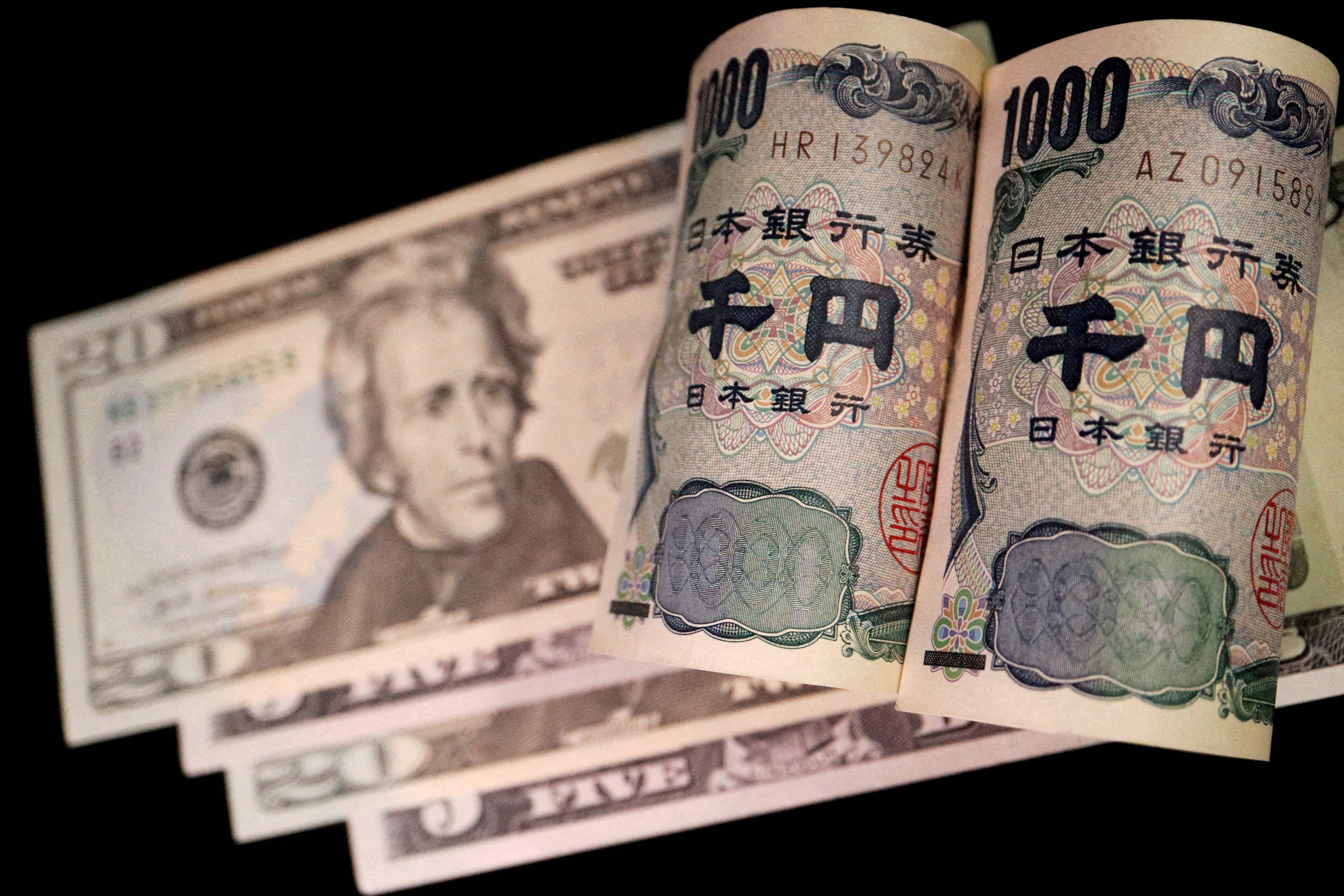
Banknotes of Japanese yen and U.S. dollar
The pace of the rally of Japan's stock market is now expected to slow down in the second half of 2024, giving investors a greater likelihood of shifting investments to rival markets.
A Bloomberg survey of asset managers and strategists called for a benchmark Topix index rise of around 2.9 per cent to 2,890 by year-end, while the Nikkei 225 Stock Average will climb about 4.8 per cent to 41,489. That would be a serious deceleration from the gain of about 18 per cent these indices made in the first half of this year. The broader Topix even climbed to a 34-year high, above its March highs, with the financial sector leading the gains.
Concerns about further yen weakness weighed on sentiment. Consumer and business spending wilted, and around a third of Bank of Japan watchers surveyed by Bloomberg expect a July rate increase. Released Friday morning, Tokyo's June inflation data came in higher - enough to keep a possible interest rate hike on the table, in theory, for the upcoming Bank of Japan meeting.

“I don’t think we will see out-performance from Japanese stocks from here,” said Kyle Rodda, a senior market analyst at Capital.Com Inc. “Given the rally we saw at the start of the year, the underlying trends in the economy and policy lend themselves to more downside than upside risks.”
The yen slipped to 161 per dollar, bringing it close to levels not seen since 1986. Further predictions had it slumping as low as 170 per dollar. While a weaker yen benefits exporters, a weaker yen also contributes to inflation through higher import costs, hence suppressing real wages, which becomes a critical factor for the growth of Japanese equities.
Currency risks and a slowing economy are making some foreign investors look for opportunities outside Japan. The Topix trades at a price to earnings ratio of about 17 times, while 14 times for the Shanghai Stock Exchange Composite index. It is reported that for a fifth week, foreign investors sold Japanese cash equities in a row, which is the longest streak since March of the previous year.
)
Trump says Russia has ‘lost control’ of its diesel industry, calls for end to ‘ridiculous, never-ending’ war
)
Asian Games: Indian women's hockey team thrash Indonesia 17-1, blasts 36 goals in 2 matches
)
Putin's United Russia party wins 355 seats in Duma election; 4 other parties cross threshold to enter parliament
)
AI kill switch explained: Why shutting down a dangerous AI may not be as simple as pressing a button
)
Delhi Air pollution: Strict crackdown on waste burning
)
SNL UK takes aim at Ed Sheeran with AI Princess Diana sketch
)
‘0% chance’: Nvidia CEO Jensen Huang dismisses AI extinction fears by 2030
)
Samay Raina-Mukesh Chhabra controversy explained: What happened over girlfriend joke on India's Got Latent?
)
Four decades after leaving Kolkata, the Birlas may be coming back for more
)
Apple reportedly building AI server with M8 Ultra chips, may use Nvidia technology
)
Glitch in the matrix caught on camera: Woman vanishes after talking to reporter
)
IIT Bombay tensions ease after three-hour open house; director’s assurances pacify students
)
Samsung raises Galaxy S26 prices by Rs 20,000: Here’s what each model now costs
)
J&K Assembly Session begins amid chaos: BJP, ruling alliance clash as statehood demand dominates
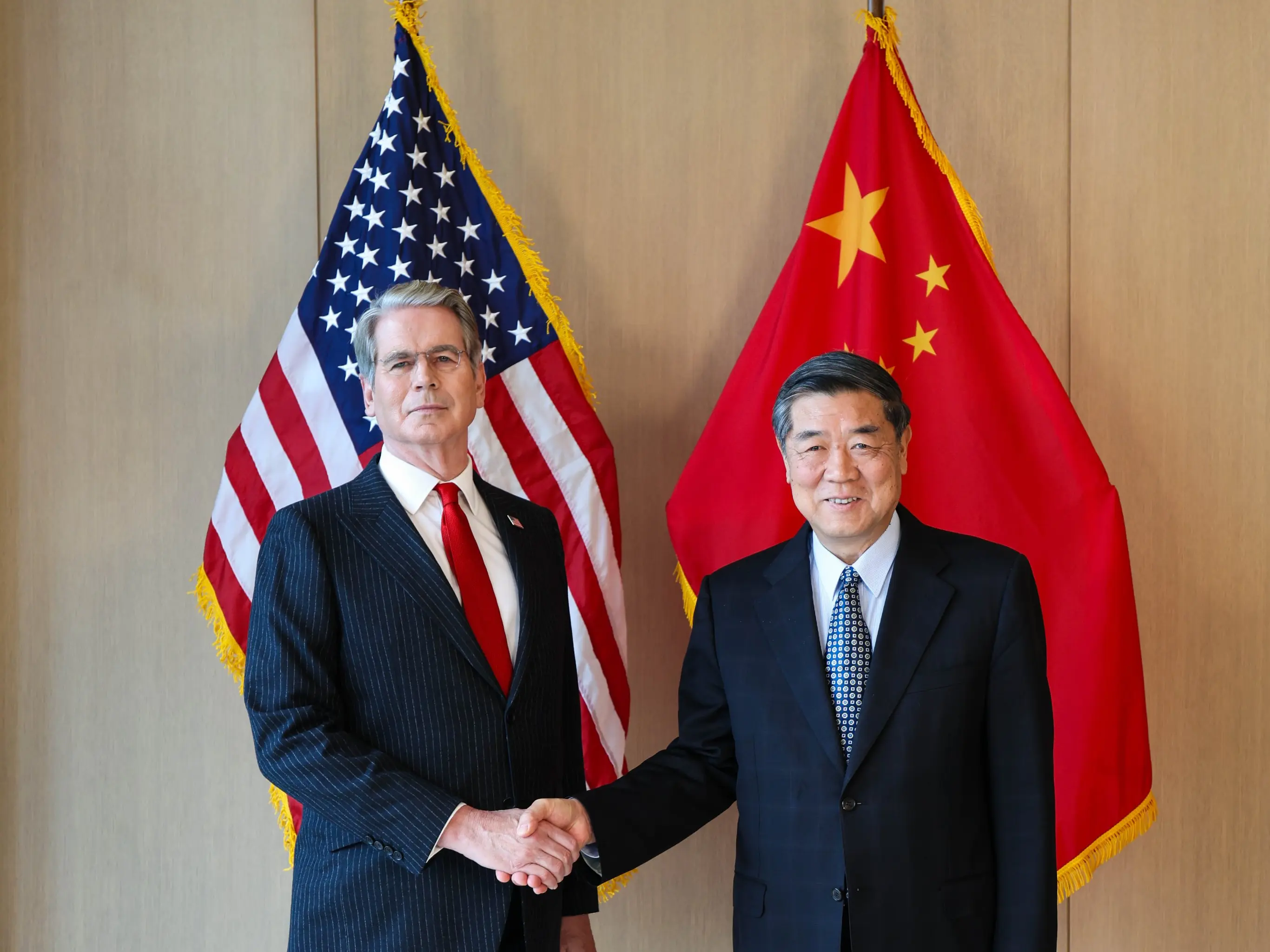)
Bessent meets China’s He Lifeng to prepare for Trump-Xi summit
)
US and China vie for AI dominance as calls grow for regulation | Gravitas
)
Four Hands, Two Sonatas ep (5-8) review: Song Kang Lee, Jun Young elevate the emotional stakes after a tragic turn
)
The Verdict | The Mecca Agreement is under scrutiny as Houthis attack Saudis
)
Who was Sheikh Ahmed bin Rashid Al Maktoum? From Dubai Royal family to police, sports and racing
)
Saudi Arabia exits China-led mBridge digital currency platform amid Saudi-Houthi conflict
)
Maharashtra TET paper leak: Chargesheet reveals papers smuggled in shoe insoles for Rs 8,000
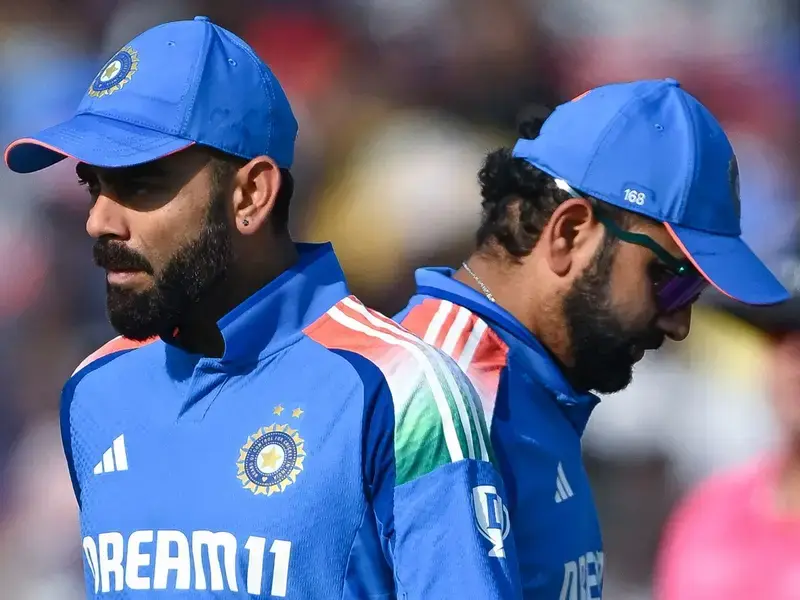)
'Lot of things to learn from experienced players': Jayasuriya backs Rohit, Virat for 2027 ODI World Cup
)
Taylor Swift has a 'proud wife' moment as Travis Kelce scores first touchdown of season: 'That’s my husband!'
)
Chancellor Friedrich Merz vows to stay on as exit polls signal major poll setback
)
Mahabharat actor Saurav Gurjar arrested in Hyderabad, sent to 14-day judicial custody in sexual exploitation case
&im=FitAndFill=(700,400))
New OTT releases this week (September 21-27, 2026): Shaque: Trust No One, Hunkkaar, Don’t Be Shy- 5 new titles coming to Netflix, Prime Video and more
)
WATCH | Mysterious lights over Tehran caught on video. Drone, aircraft or something else?
)
What is Yom Kippur and why is it celebrated? All you need to know about the Jewish Day of Atonement
)
Iranian airlines to shut worldwide on Sept 23, Bessent warns of US banking ban
)
White House TV pool halts Trump coverage after CNN barred from UNGA events
)
Pilot recreates Mona Lisa in sky over Oklahoma and Arkansas in four-hour flight: VIDEO
)
Fitna Al-Khawarij: Decoding biggest security threat to Pakistan | Gravitas
)
Jailer 2: Vidya Balan joins Rajinikanth's upcoming film as Kantha | Watch
)
Microsoft executive called AI training the ‘largest theft of labour in human history’
)
40-foot waves crash into cruise ship in dangerous stretch near Antarctica. Watch
)
BTS fans mock iHeartRadio’s day 2 turnout after short set controversy
)
Explainer: Why rare-earth export licences and Board of Trade are US priorities ahead of Trump-Xi summit
)
The Scandal, why so scandalous? Ji Chang Wook leaves you gasping for air
“We think Japan may lag China, but still do quite well to broader Asia,” said Alexander Cousley, an investment strategist at Russell Investments Group LLC. “Valuations are there, with Chinese equities notably cheaper than Japanese and global equities.”
That said, many still remain positive on Japan with companies such as BlackRock Inc. staying overweight on Japan equities. In June, a survey by Bank of America showed Japan is still the most favoured market in the region. Using forward earnings, the MSCI Japan index is expected to rise 16 per cent in the next 12 months, while the MSCI World index is expected to rise by 8.5 per cent, based on Bloomberg data.
“Earnings for Japanese companies, which have already outperformed the underlying economy, are expected to improve even further and lead the developed world at about 11%–13% this year,” Alexander Wolf, head of Asia Investment Strategy at JP Morgan Chase Bank NA wrote in a note this month.