Intel faces setback as chipmaker reveals deepening losses in factory operations


Intel logo file photo
Intel has witnessed a major decline, marking its worst performance in over two months, following a pessimistic outlook on its factory operations.
According to Bloomberg News, the chip giant disclosed an increase in losses within its new manufacturing division, Intel Foundry.
This could indicate potential hurdles ahead in its turnaround efforts.

The financial figures revealed that sales had plummeted from $27.5 billion to $18.9 billion in 2023.
Moreover, the operating loss at the new unit increased from $5.2 billion to $7 billion.
After the figures were revealed, Intel's shares tumbled by about 7.3 per cent in New York trading, marking the heaviest intraday drop since January 26.
)
Putin's United Russia party wins 355 seats in Duma election; 4 other parties cross threshold to enter parliament
)
Delhi Air pollution: Strict crackdown on waste burning
)
‘0% chance’: Nvidia CEO Jensen Huang dismisses AI extinction fears by 2030
)
Samay Raina-Mukesh Chhabra controversy explained: What happened over girlfriend joke on India's Got Latent?
)
Trump's helipad event overshadowed by audio failure as major TV networks suspend pool coverage
)
Russia-Ukraine war: Russian strikes knock out three of Ukraine's largest steel plants
)
'Needs time away from the international scene': England white-ball captain Brook on pacer Brydon Carse's future
)
Glitch in the matrix caught on camera: Woman vanishes after talking to reporter
)
Anti-AI activists storm summit, say 'incompetent' leaders are leading us into a disaster - 'We need a vote'
)
Samsung raises Galaxy S26 prices by Rs 20,000: Here’s what each model now costs
)
IIT Bombay tensions ease after three-hour open house; director’s assurances pacify students
)
J&K Assembly Session begins amid chaos: BJP, ruling alliance clash as statehood demand dominates
)
Shah Rukh Khan visits Lalbaugcha Raja with wife Gauri Khan and daughter Suhana
)
Bessent meets China’s He Lifeng to prepare for Trump-Xi summit
)
US and China vie for AI dominance as calls grow for regulation | Gravitas
)
FIFA chief Infantino wants to reform governing body with consultation from federations
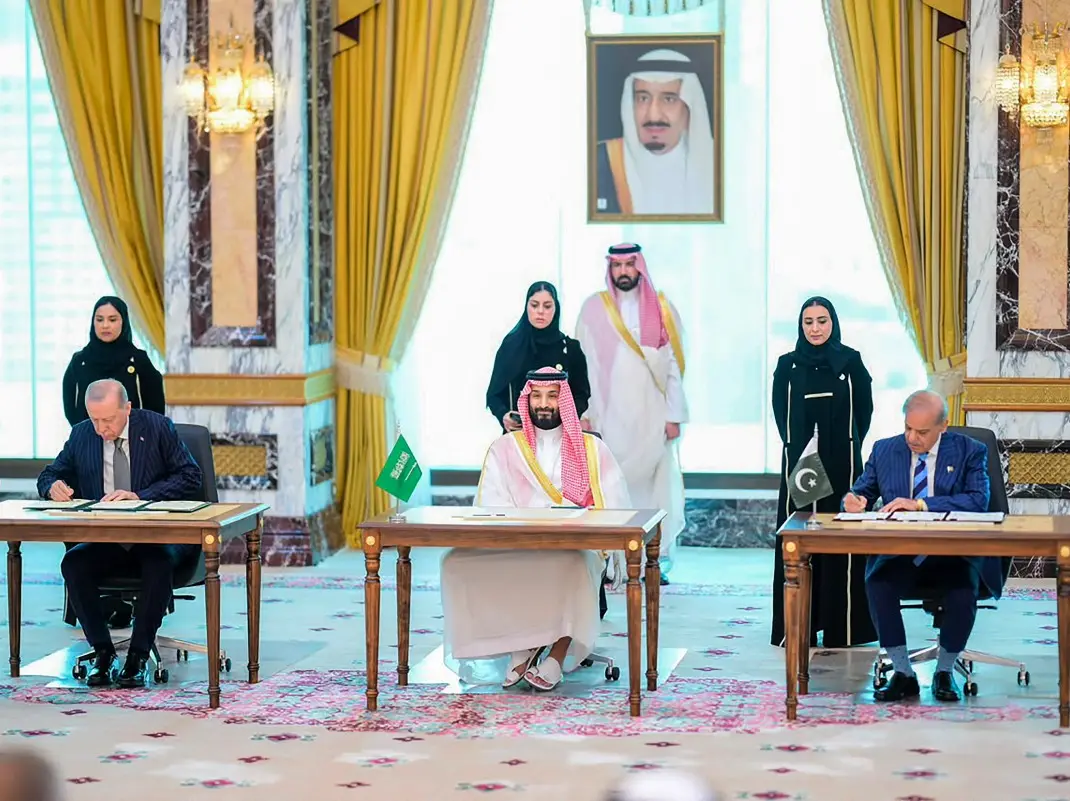)
The Verdict | The Mecca Agreement is under scrutiny as Houthis attack Saudis
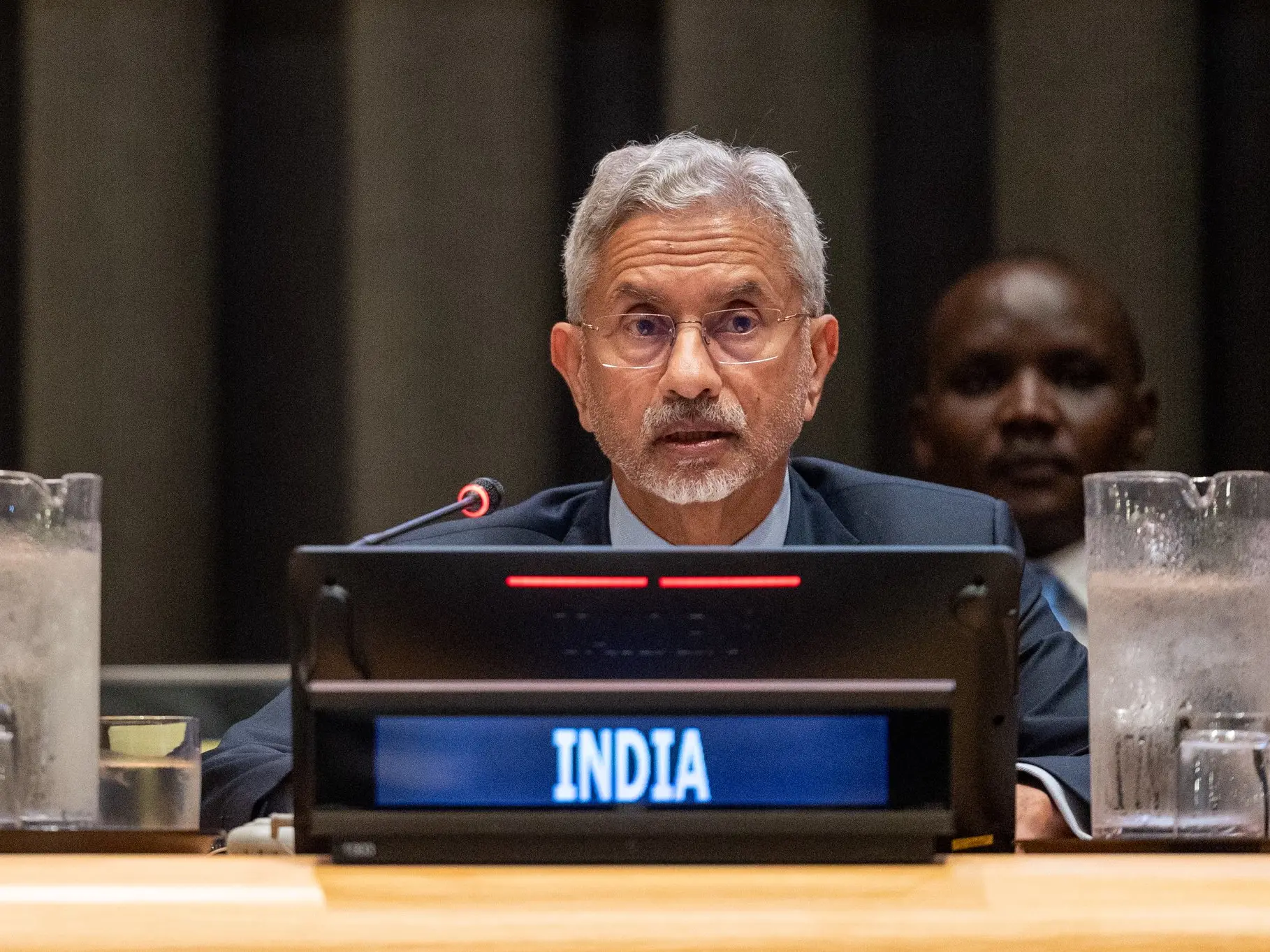)
India at UNGA81: Jaishankar warns global order under 'growing stress', pushes for ‘reformed multilateralism’
)
Saudi Arabia exits China-led mBridge digital currency platform amid Saudi-Houthi conflict
)
'Lot of things to learn from experienced players': Jayasuriya backs Rohit, Virat for 2027 ODI World Cup
)
$110 billion Warner Bros merger: Paramount reaches settlement with 12 US states
)
Mahabharat actor Saurav Gurjar arrested in Hyderabad, sent to 14-day judicial custody in sexual exploitation case
&im=FitAndFill=(700,400))
New OTT releases this week (September 21-27, 2026): Shaque: Trust No One, Hunkkaar, Don’t Be Shy- 5 new titles coming to Netflix, Prime Video and more
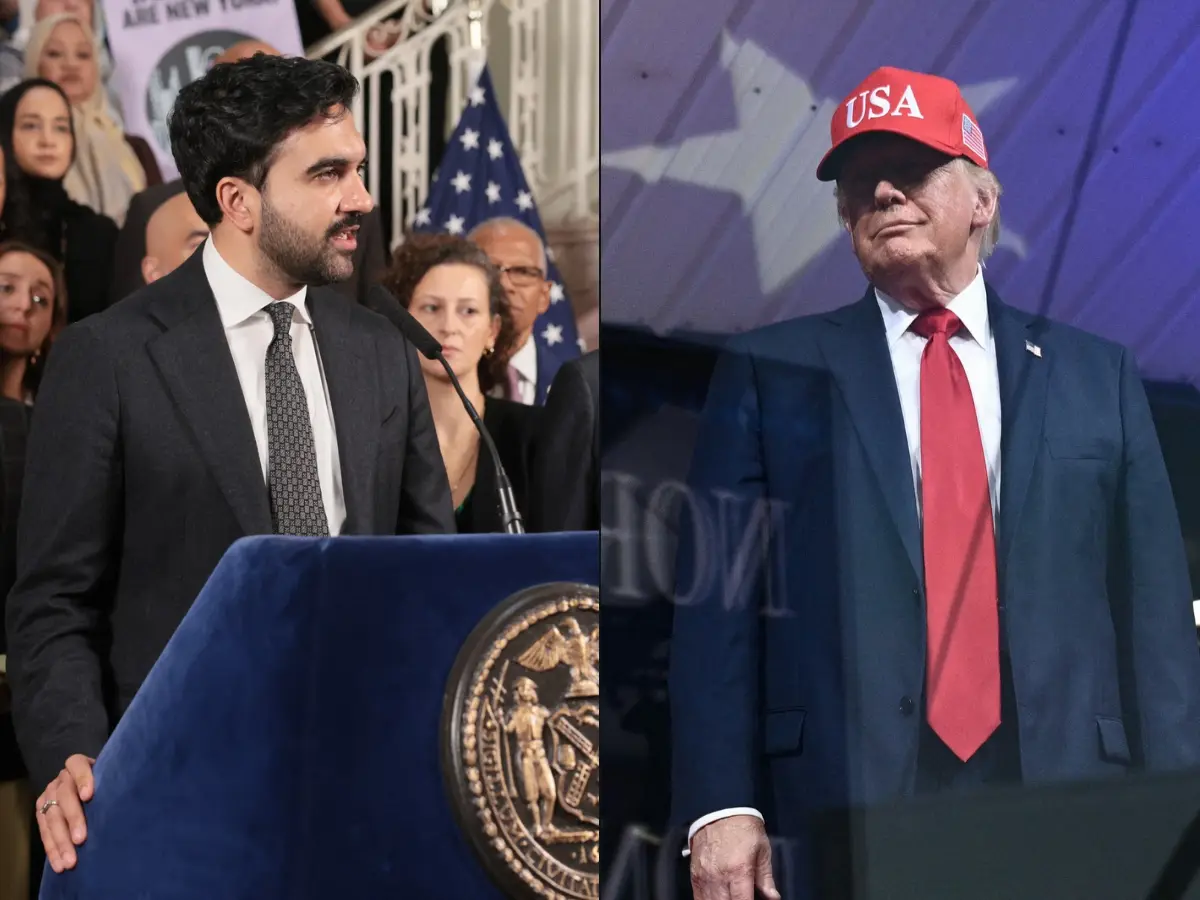)
From ‘communist’ to ‘great mayor’: Trump praises Mamdani after New York meeting, discusses immigration and housing
)
Report: Zelensky meets CIA chief Ratcliffe at Shannon airport, weeks after his secret Moscow trip
)
WATCH | Mysterious lights over Tehran caught on video. Drone, aircraft or something else?
)
How Zaheer Khan came to be CSK's head coach of IPL 2027
)
Pilot recreates Mona Lisa in sky over Oklahoma and Arkansas in four-hour flight: VIDEO
)
UK PM Burnham agrees to 'defensive' military support for Saudi Arabia against Houthis
)
Jailer 2: Vidya Balan joins Rajinikanth's upcoming film as Kantha | Watch
)
Microsoft executive called AI training the ‘largest theft of labour in human history’
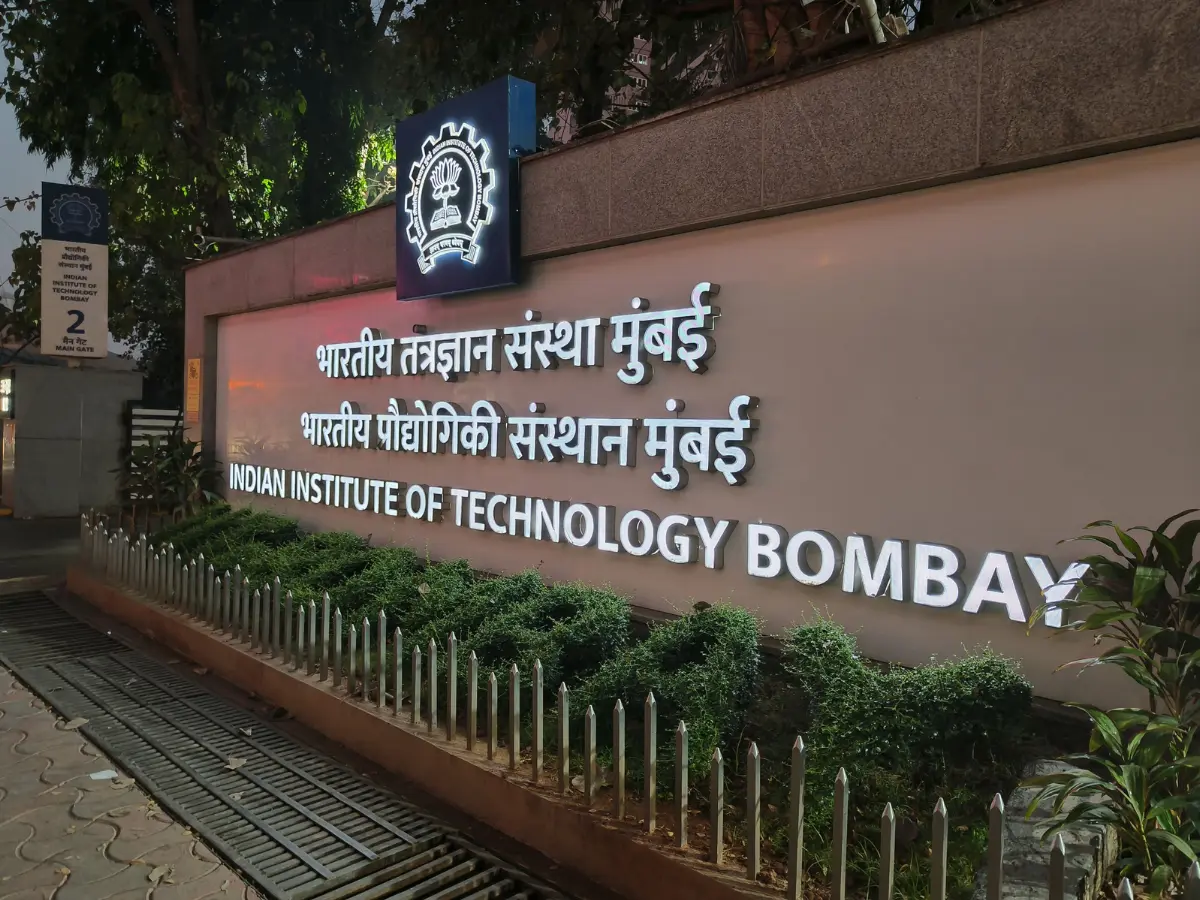)
IIT Bombay student death: CCTV footage becomes key evidence as police reconstruct Sahil Wakode's final hours
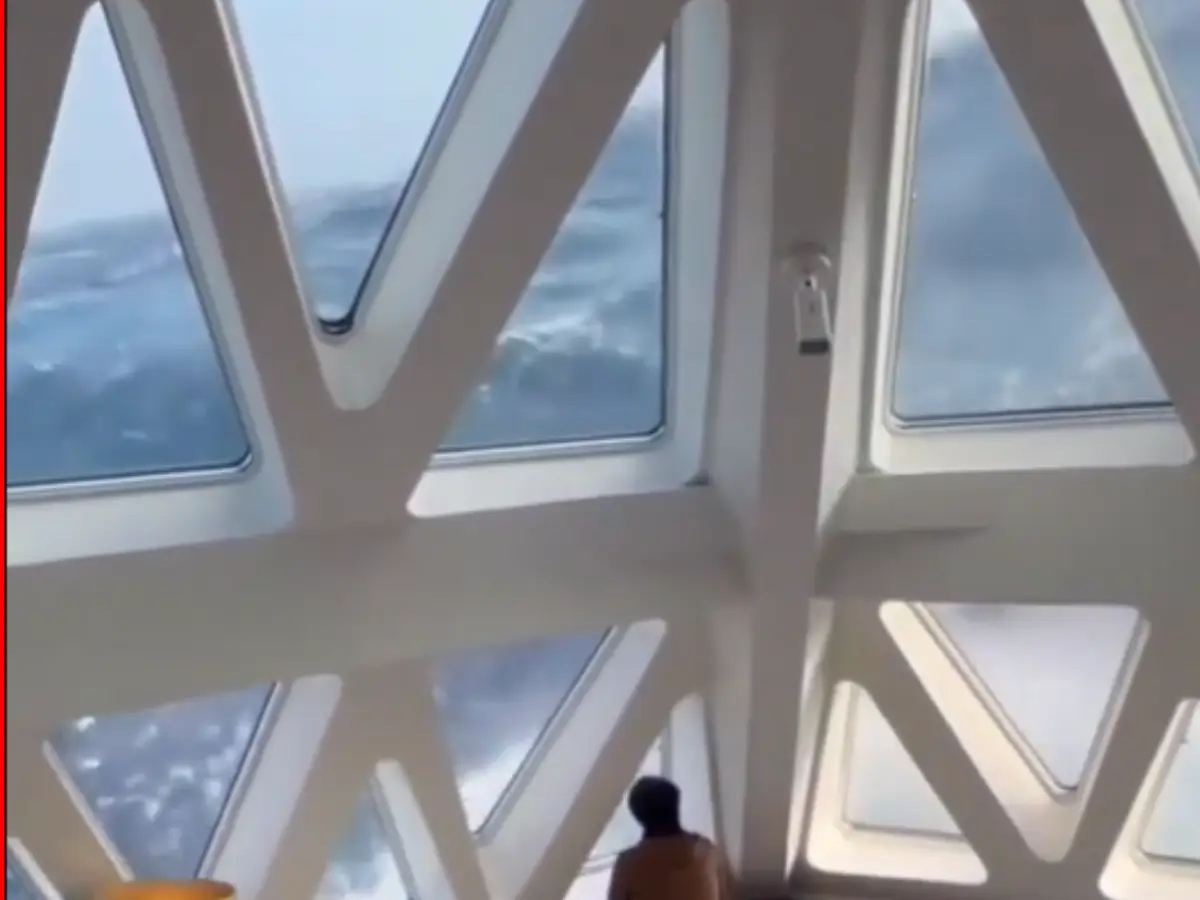)
40-foot waves crash into cruise ship in dangerous stretch near Antarctica. Watch
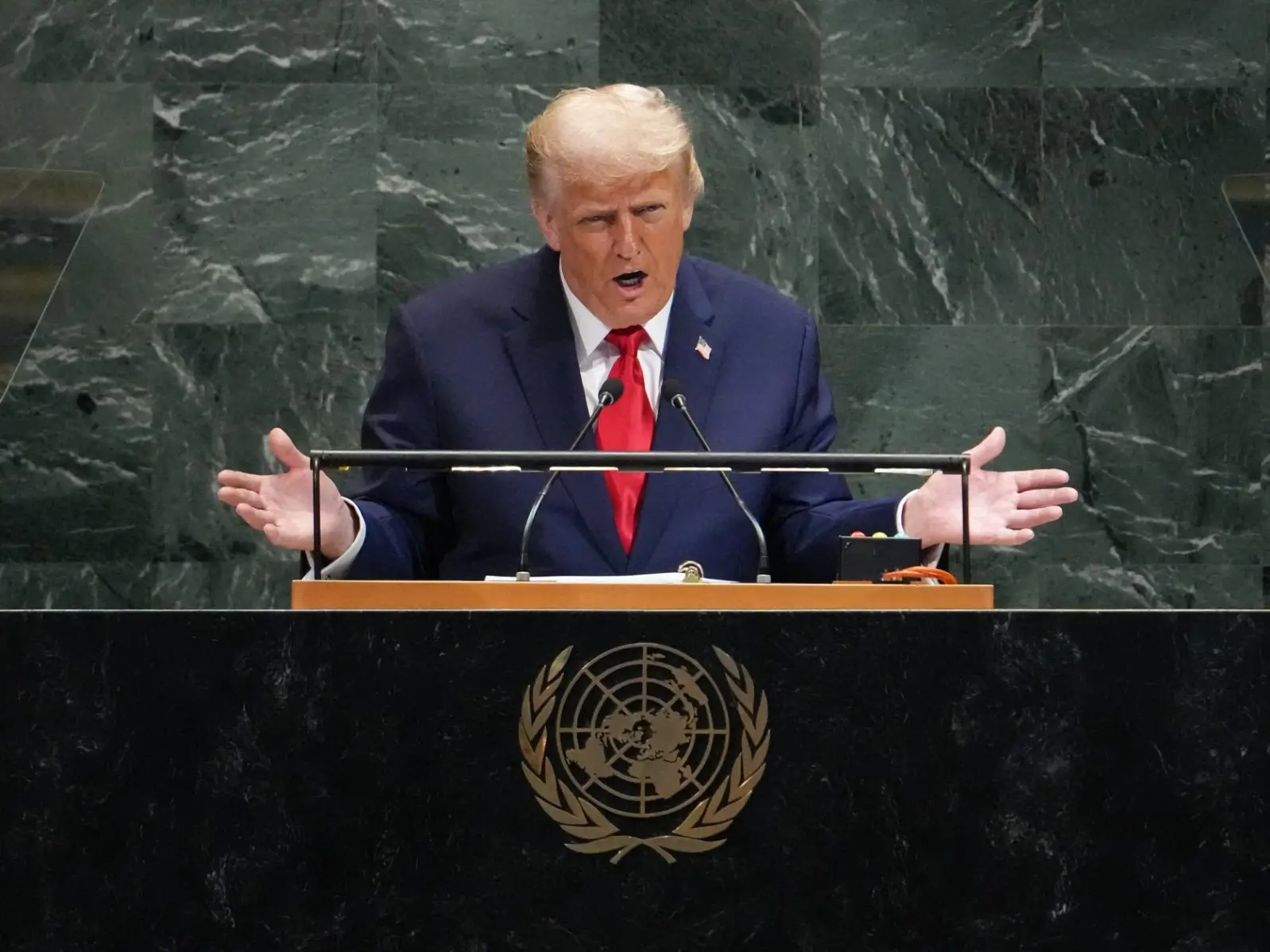)
US-Iran war, peace deals and more: What to expect from Trump's UNGA 2026 speech
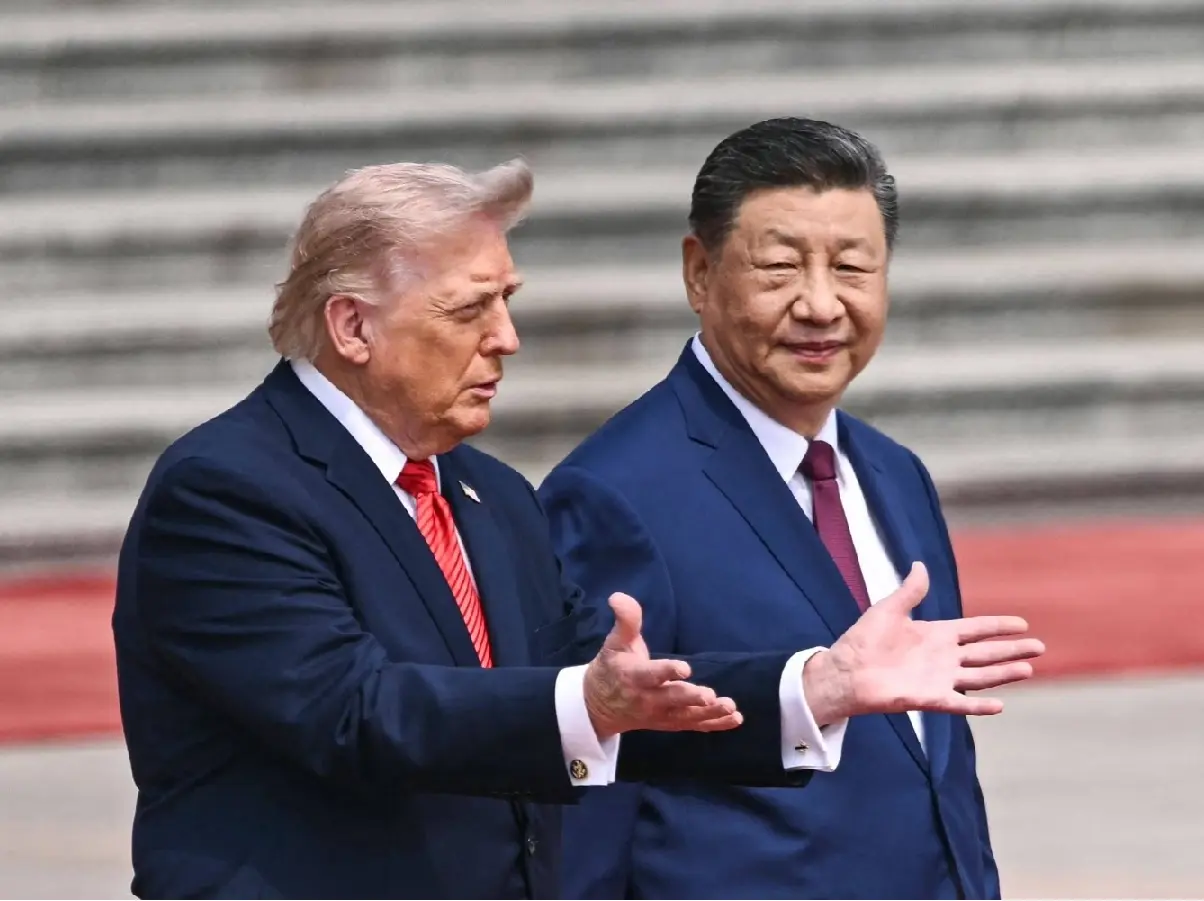)
Explainer: Why rare-earth export licences and Board of Trade are US priorities ahead of Trump-Xi summit
)
BTS fans mock iHeartRadio’s day 2 turnout after short set controversy
)
Two infants die after fire breaks out at RIMS newborn care unit in Telangana's Adilabad
CEO Pat Gelsinger's ambitious turnaround plan for Intel includes providing a detailed financial breakdown, particularly of the factory network, to facilitate greater operational independence.
This move is vital to the company's strategy of manufacturing chips for other firms.
Gelsinger said that transparency and accountability in driving the transformation forward would be essential.
Addressing the challenges ahead, Gelsinger outlined the company's projection that 2024 would mark the peak of losses for Intel Foundry.
He anticipates the division to achieve profitability midway between the present and the end of 2030.
Lorenzo Flores was appointed as the division's chief financial officer to steer Intel Foundry through this critical phase.
Intel's push into outsourced chip production signifies one of its most significant transformations yet.
Gelsinger reiterated the company's intentions towards reclaiming its technological edge by next year, primarily through advancements like extreme ultraviolet lithography.
These technological enhancements aim to streamline production processes and enhance product capabilities.
This would potentially attract orders from competitors and generate substantial revenue by the end of 2030.
Although Intel continues to faces struggles, Gelsinger remained confident in the company's trajectory, particularly with its latest production technique, 18A.
Intel disclosed commitments from five companies to adopt this technique, with expectations of broader adoption in the coming years.
However, the dominance of Taiwan Semiconductor Manufacturing Co. (TSMC) in the foundry market poses a challenge to Intel's aspirations.
The competitive landscape in the semiconductor industry continues to change, with companies like Advanced Micro Devices Inc. and Nvidia Corp securing their positions.
While Intel embarks on an expansive factory expansion initiative, the financial strain remains clear, even with government incentives like the Chips and Science Act.
Gelsinger's efforts to secure clients for Intel's foundry business have yielded some successes, with Microsoft Corp onboard as a notable customer.
(With inputs from Bloomberg)