India surpasses Japan to become 4th largest economy at $4 Trillion: NITI Aayog CEO


Amid global trade tension, NITI Aayog CEO said that with a GDP of $4 trillion, India has overtaken Japan to become the world’s fourth-largest economy,
India has rewritten the global economic leaderboard. With a GDP of $4 trillion, the country has overtaken Japan to become the world’s fourth-largest economy, according to International Monetary Fund (IMF) data cited by NITI Aayog CEO BVR Subrahmanyam.
The announcement marks a pivotal moment in India’s growth story one driven by structural reforms, demographic strength, and resilient consumption.
What NITI Aayog said
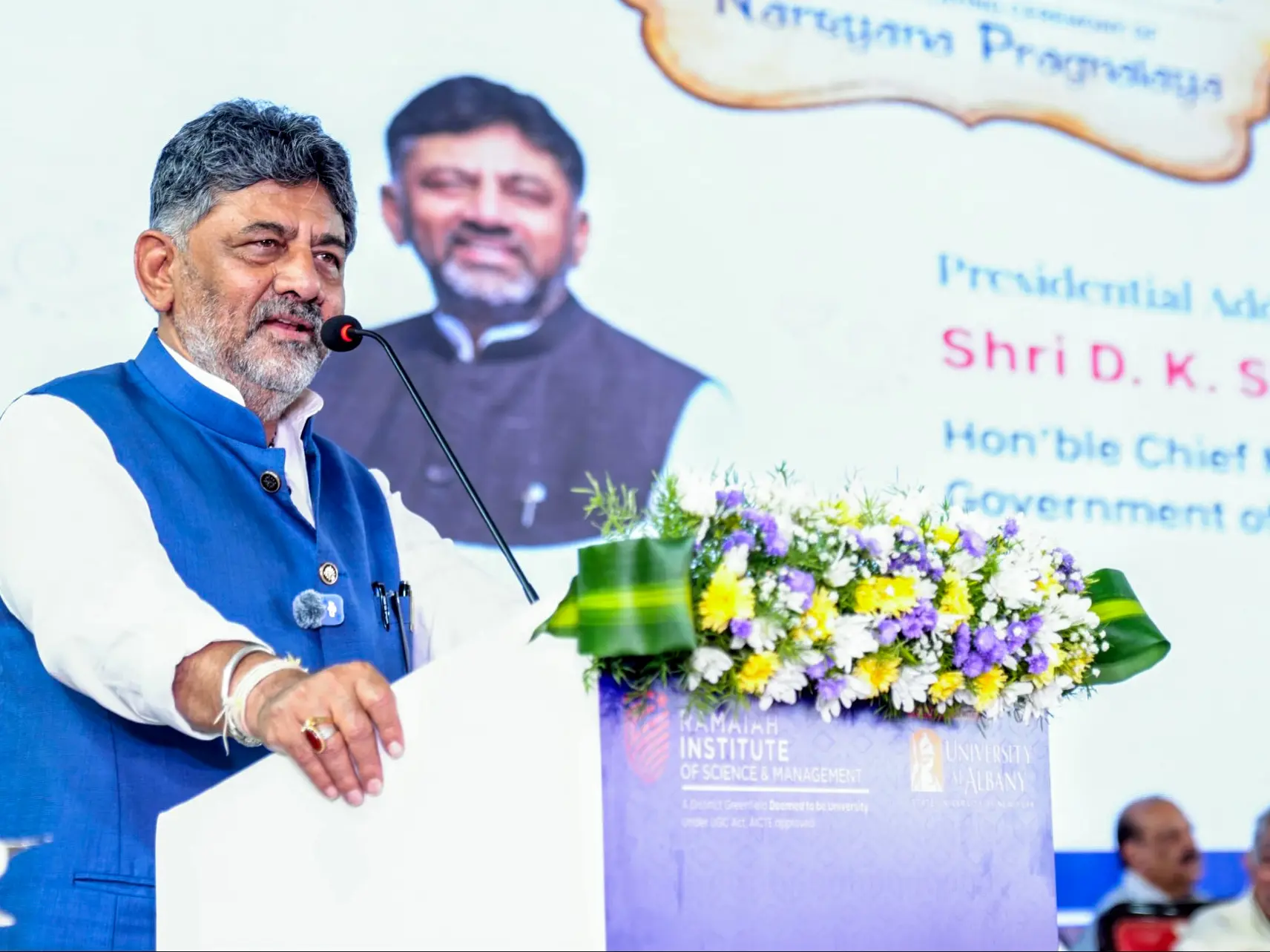
According to a report by ANI, NITI Aayog CEO BVR Subrahmanyam confirmed that India has now overtaken Japan to become the world’s fourth-largest economy.
“We are a $4 trillion economy as I speak… and this is not my data. This is IMF data. India today is larger than Japan,” Subrahmanyam told ANI.
The IMF’s April World Economic Outlook estimates India’s nominal GDP will reach $4.187 trillion in FY2026, narrowly surpassing Japan’s projection of $4.186 trillion. India held the fifth position globally until 2024.
Trending Stories
)
)
)
)
&im=FitAndFill=(700,400))
)
)
)
)
)
&im=FitAndFill=(700,400))
)
)
)
)
)
)
)
)
)
)
)
)
)
)
&im=FitAndFill=(700,400))
)
)
)
)
)
)
)
)
)
)
Looking ahead, Subrahmanyam told ANI that India is well-positioned to overtake Germany, “It’s only the United States, China, and Germany which are larger… If we stick to what is being planned, it’s a matter of another two, two and a half to three years, we would become the third-largest economy.”
He added that India’s economic trajectory is backed by its young and expanding population. “India is at a takeoff stage… and we are blessed with this demographic window for the next 20 to 25 years. The Prime Minister has already asked states to draft vision documents and this planning is showing visible results,” Subrahmanyam said, as quoted by ANI.
India’s risecomes amid global trade tensions
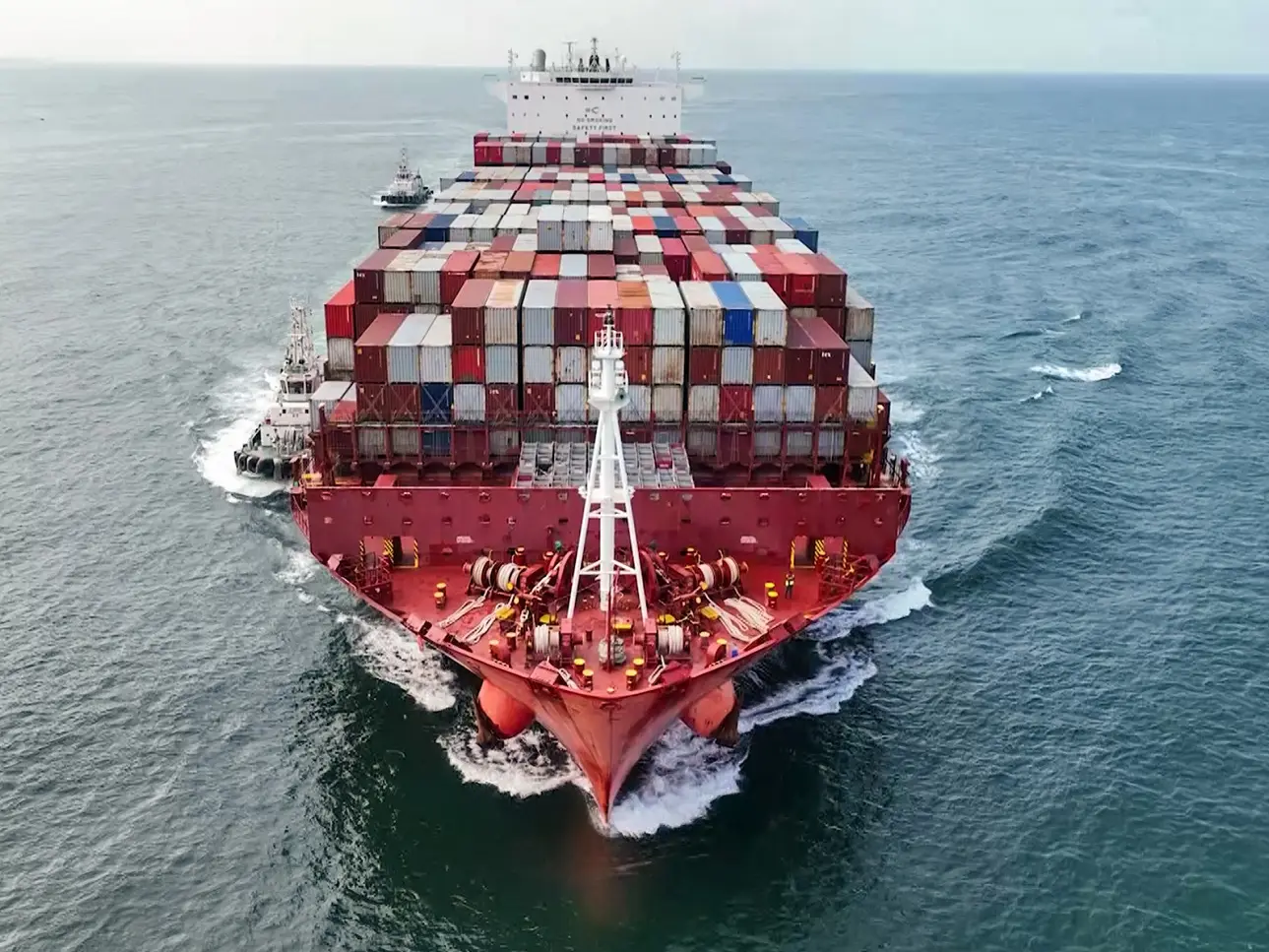
India’s economic leap comes at a time when global trade tensions are high, and the country is actively negotiating across multiple trade corridors.
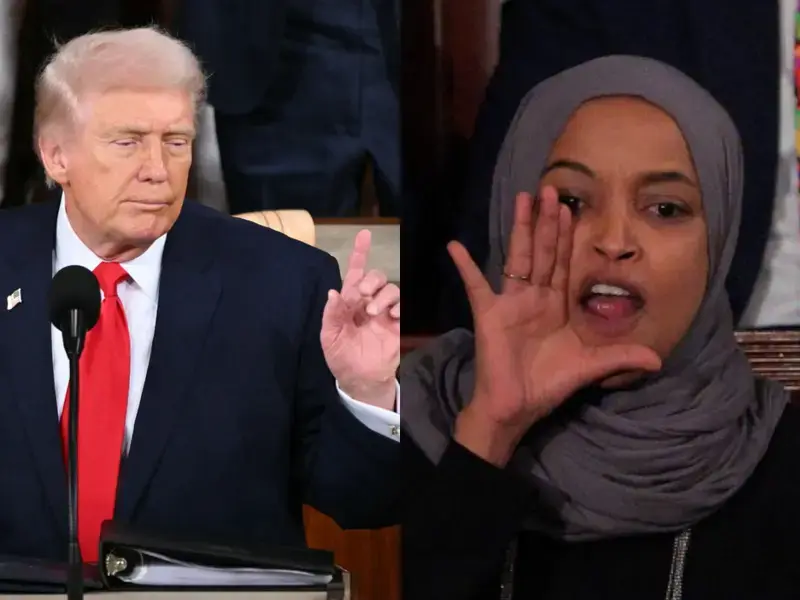
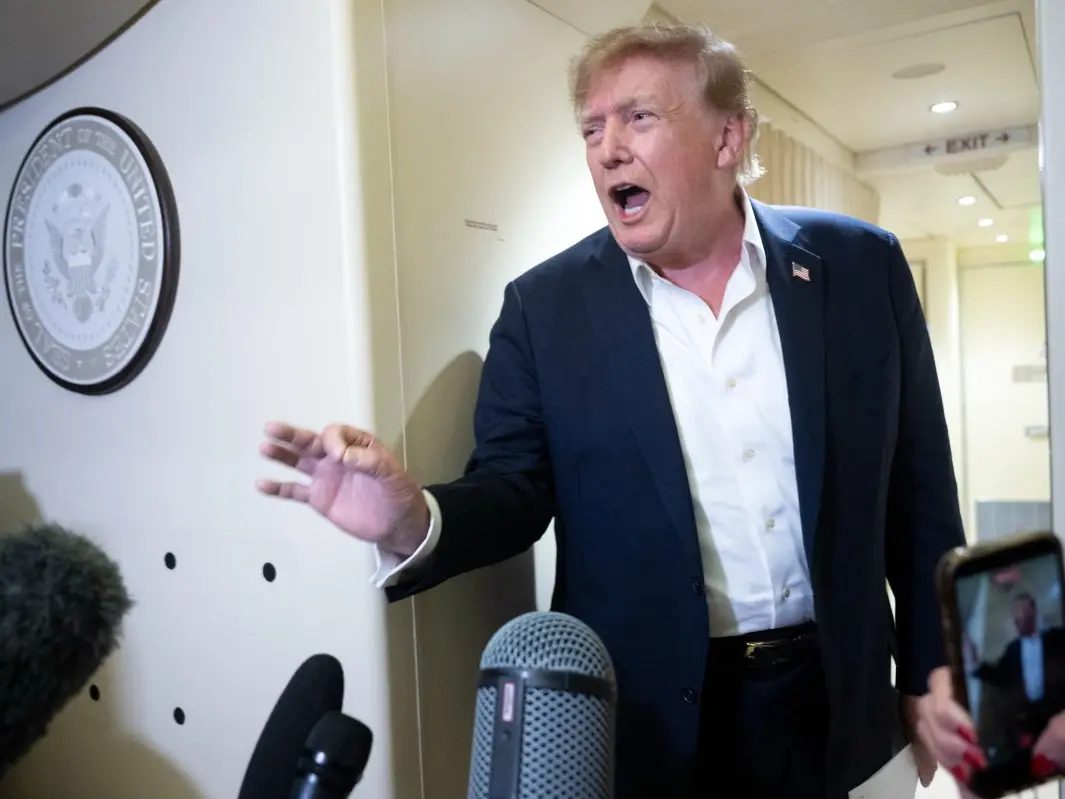
Post Donald Trump’s returned to Oval office, the US imposed up to 26 per cent tariffs on specific Indian goods. These remain in effect, with India now seeking a full exemption as part of bilateral negotiations.
The first phase of a restructured trade agreement is anticipated by July 2025, according to recent reports.
Dialogue between New Delhi and Washington has intensified. India is pushing for tariff relaxations in sectors like agriculture and textiles, while the US is keen on securing digital trade guarantees and enhanced data access.
India has also finalised a landmark Free Trade Agreement (FTA) with the United Kingdom. Under the pact, tariffs on 90 per cent of British exports to India will be reduced, with 85 per cent of goods becoming fully duty-free over the next 10 years, an ambitious effort to expand India’s trade network beyond traditional partners.
Despite geopolitical uncertainties and tightening global credit conditions, the IMF projects India’s economy to grow by 6.2 per cent in 2025 and 6.3 per cent in 2026.
These figures remain well above the projected global growth of 2.8 per cent and 3.0 per cent, reinforcing India’s position as the fastest-growing major economy.
India’s journey from the fifth largest to the fourth-largest economy reflects both economic resilience and strategic execution.
As trade dynamics shift and global economies grapple with uncertainty, India’s sustained growth, favourable demographics, and policy clarity position it to potentially overtake Germany and enter the top three global economies soon.