
&imwidth=800&imheight=600&format=webp&quality=medium "3 wild dogs, 1 epic journey: African brothers trek 4,000 km through Zambia to find a partner")
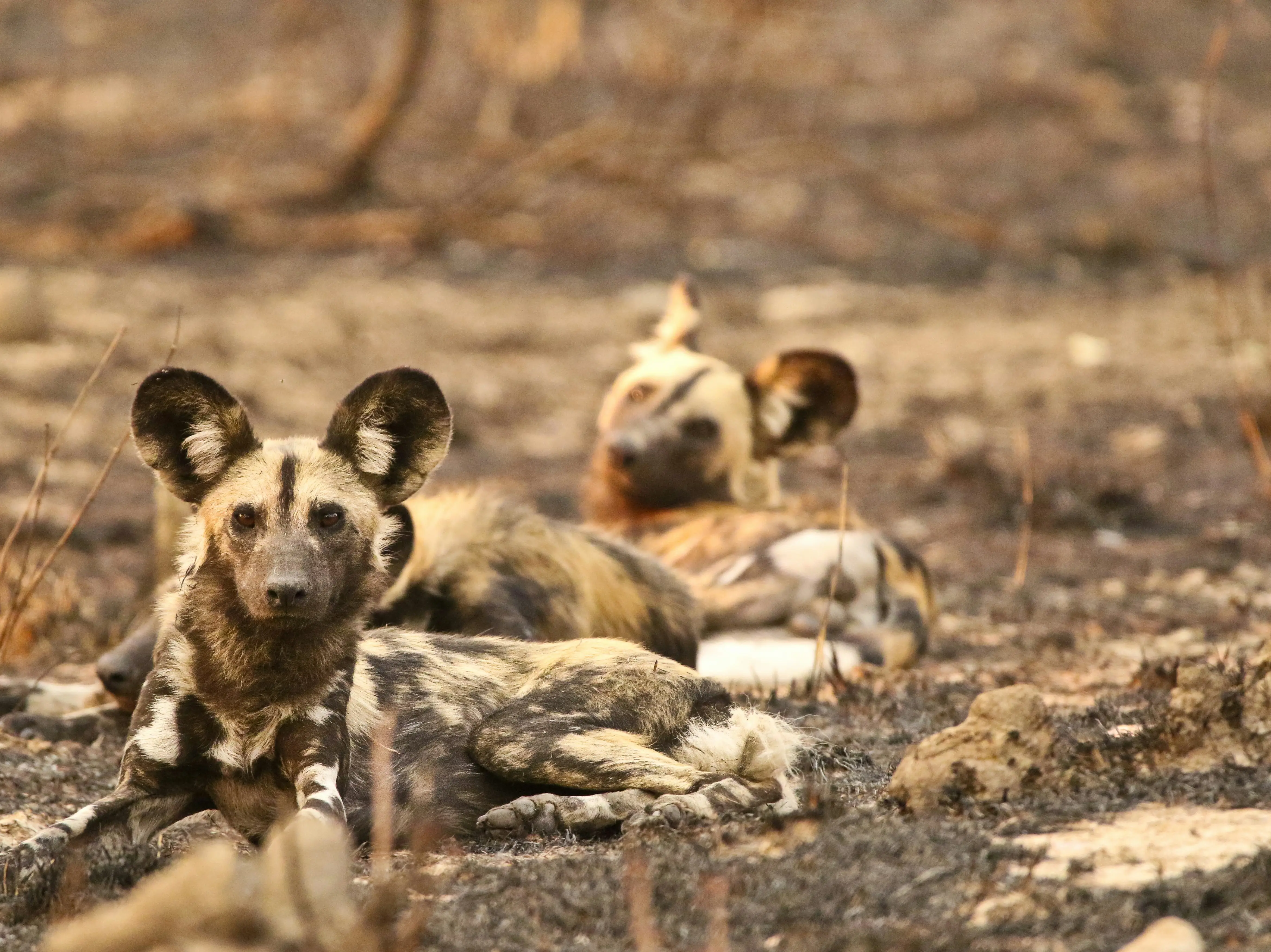
In a glaring example of how wildlife can hold its own despite increasing human presence, three African wild dogs travelled a record 4000 kilometres across Zambia to find a mate. Scientists said this is the furthest that any African land mammal has journeyed in search of a potential partner. The research was published in the journal Ecology.
This was a major accomplishment for the three brothers, considering the other wild dogs died after getting caught in illegal snares. Three other female dogs almost completed a journey of almost the same distance, but didn't finish after one of them got caught in a snare.
African wild dogs hunt and travel in packs. They are one of the rarest predators on the continent, but only about 6,000 of them remain today. They are known for covering huge distances to breed and to find new territories. The animals follow strict social rules and cannot breed within the pack. This leads them to leave when they are about two or three years old in search of a mate.

The epic journey undertaken by African wild dogs
The wild dogs covered around 420 kilometres in a straight line. But since they had to navigate through a broken landscape, this journey ended up being 10 times this number. Known as dispersals, they are different from migration because, in the latter, animals return and travel again for food and suitable habitat when the seasons change.
The researchers who tagged the dogs with GPS collars, said that the animals took a route that was filled with obstacles, mostly linked to humans. They travelled through Lusaka, the capital of Zambia, and heavily developed industrial areas. Their movement also shows that wild dog populations across eastern and southern Africa remain connected.
Trending Stories
)
China thinned Himalayan troop presence in 2025, India defence report says; terms border situation 'stable'
)
Israeli minister calls to strip Gaza film directors of citizenship
)
China discovers vast gold and silver 'mine' in the Pacific with unheard-of deposits
)
Crude oil prices jump more than $107 per barrel following Houthi attacks on Saudi
)
Ganesh Chaturthi 2026: Devotees throng the iconic Lalbaugcha Raja pandal in Mumbai
)
Did China give Iran intel before US base strike that killed 3 troops? Trump says, 'You’re right...'
)
Did India risk its US trade deal despite softer stance at BRICS?
)
Turkish Airlines plane flies through a storm three times, triggering severe turbulence
)
Trump says Canada eager to reach a deal, it could come ‘fairly soon’ if Ottawa treats US farmers better
)
Russian drone hits Warsaw-bound train near Polish border, Zelensky accuses Moscow of ‘deliberate’ targeting
)
First naval drone battle? Ukraine says Sargan 3000 sank Russian unmanned boat
)
Video of Pakistani lawmaker struggling to read English tribute to Jinnah goes viral - WATCH
&im=FitAndFill=(700,400))
New OTT releases this week (September 14-20, 2026): Lust Stories 3, Waiting Hai, Irumudi- 5 new titles coming on Netflix, Prime Video and more
)
‘Want to reset ties with India, have engagement based on mutual interests,’ says Bangladesh minister
&im=FitAndFill=(700,400))
Why Chinese PL-15 air-to-air missiles use dual-pulse motors compared to European interceptors
)
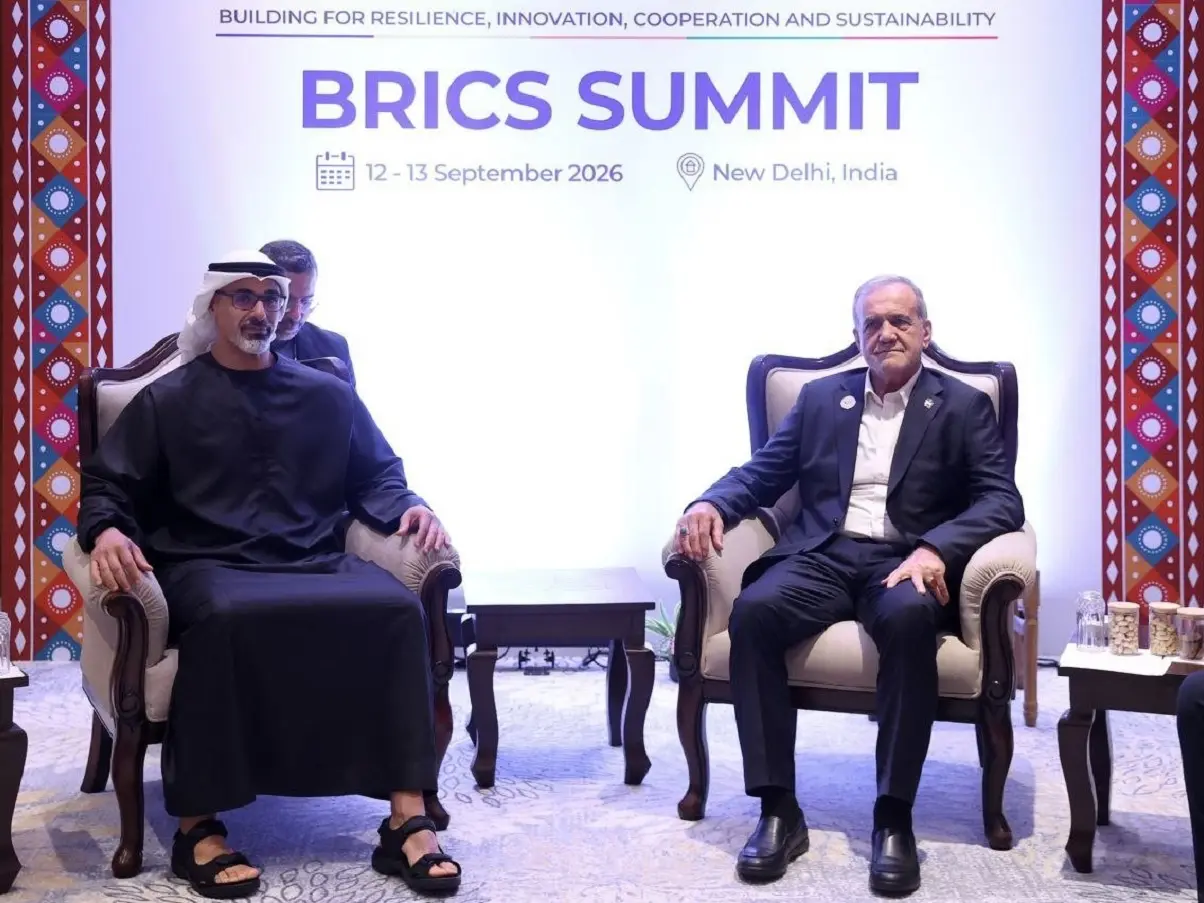
Iran, India agree to deepen humanitarian and political ties, President Pezeshkian says
)
Plane carrying prominent figure crashes at Libya’s Misrata airport: Report
)
Natural caffeine sources gain popularity; matcha & botanicals offer calm energy
)
Saudi Arabia discovers 110 million tonnes of Uranium-rich ore in Madinah region
)
Humans may lose control of AI: Anthropic CEO calls for slowdown, Altman, Musk back him
)
Practical Magic 2 breaks Spidey spell over North American box office
)
‘Let’s go’: Newly declassified videos show dramatic rescue of US Air Force officers downed in Iran
)
800 million years old - Scientists discover 'fingerprints' of supercontinent Gondwana in ancient rocks
)
Russia proposes to build 360 kmph Ivolga FG trains in India: What happened on sidelines of BRICS
)
Women's Asia Cup 2026: India denied trophy once again despite winning the title
)
'Huge destructive power': North Korea calls its latest missile launches 'live-fire drill' even as US dismisses 'immediate threat'
)
Pakistan puts Pak Rs 70 lakh bounty on UN terrorist Masood Azhar; move draws skepticism in Delhi
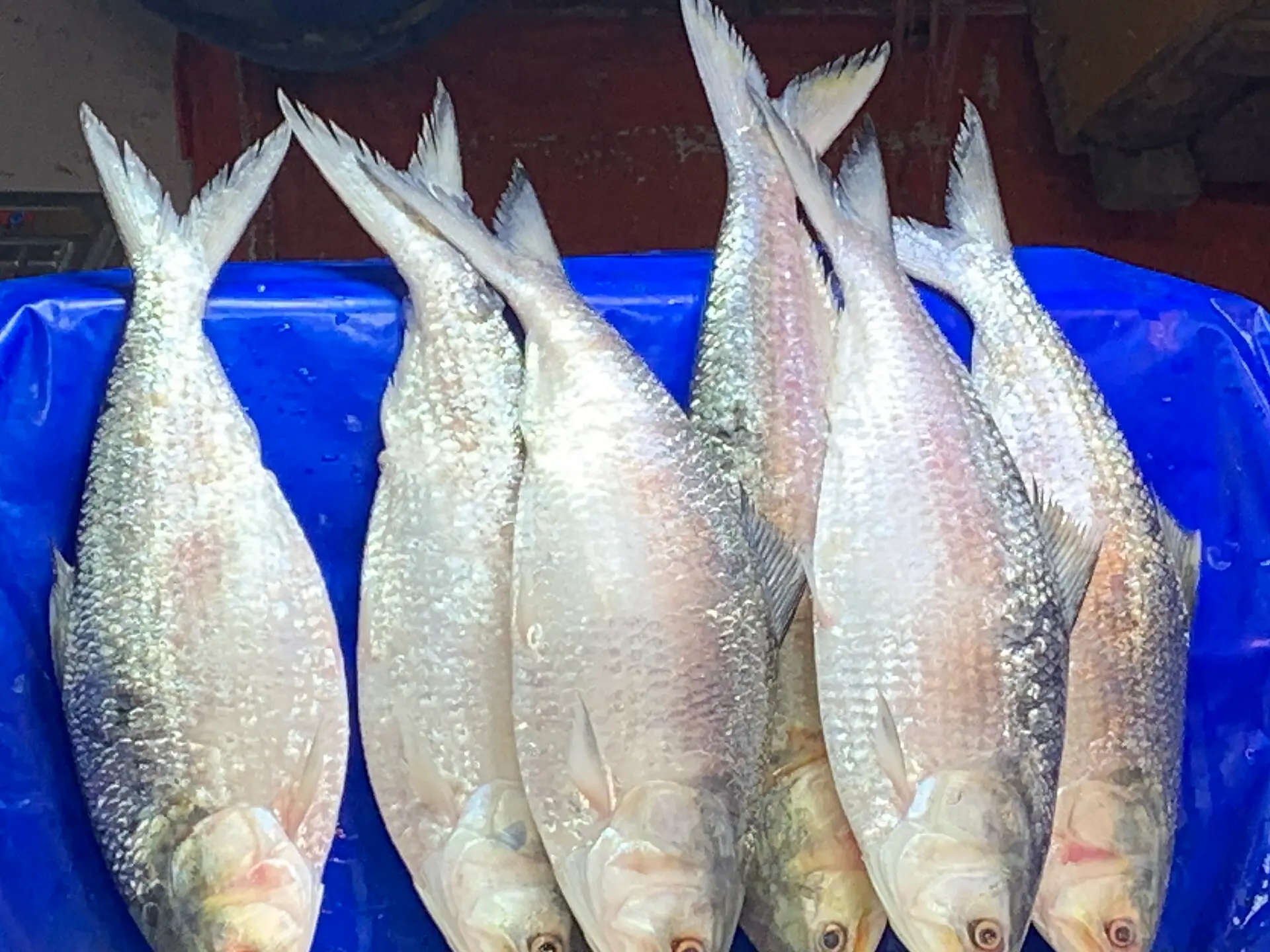)
Indian importers urge Bangladesh to lift export ban on 'Hilsa' fish ahead of Durga Puja
)
Delhi’s balancing act: BRICS serves as a stage for West Asia diplomacy
)
Liam Neeson sparks romance rumours after holding hands with Stella Stocker at TIFF 2026
&im=FitAndFill=(700,400))
Why European Meteor missiles use ramjet engines compared to standard US solid rockets
)
Veteran Bollywood actress Nafisa Ali shares health update as Stage 4 cancer progresses, starts targeted therapy
)
Orlando Bloom addresses Pirates of the Caribbean comeback and reunion with Johnny Depp
Lead author, Professor Scott Creel of Montana State University, said, “It's plausible to believe that every major wild dog population in eastern and southern Africa, other than fenced ones, are potentially connected.”
Wild dogs revisit the spot where a mate had died
It also revealed a behavioural pattern where the dogs kept returning to the same location. Scientists found that they did so because one of their mates had died in that specific place.
The study revealed the dangers facing wild dog populations in Africa. It lends credence to calls for creating strips of natural land that connect separate wildlife areas broken apart by roads, towns, or farms. This has to be outside protected areas since they are "not functional in the long term," co-author Bruce Ellender said.
Africa's longest migration happens among wildebeest that travel seasonally between Tanzania and Kenya, covering a distance of more than 640 kilometres. Caribou undertake the longest single land migration, travelling 1350 kilometres on a two-way trip. Meanwhile, grey wolves travel more than 7000 kilometres in a year.

