
&imwidth=800&imheight=600&format=webp&quality=medium "IMF warns of global trade dip as US tariff wave reverses 2025 surge")
The International Monetary Fund (IMF) has issued a cautionary note, signalling that the brief rebound in global trade—fueled by firms rushing to beat US tariffs—is now losing steam. But the global economy remains clouded by uncertainty, with trade wars and economic nationalism reshaping long-held dynamics.
At a press briefing Thursday, IMF spokesperson Julie Kozack said recent US trade negotiations—including deals with China and the UK—and a partial tariff rollback are “modestly positive” signs, as per Bloomberg.
However, she stressed that escalating steel and aluminium tariffs, coupled with volatile import flows, point to an unpredictable road ahead.

“We are in an environment of very high uncertainty,” Kozack said. “And uncertainty in general tends to dampen economic activity,” as quoted by Bloomberg.
Global slowdown begins to bite
Data from the US Commerce Department earlier this month showed a record 20% plunge in April imports, as companies halted the pre-emptive stockpiling of goods. As per Bloomberg, the IMF noted that this dramatic reversal reflects the exhaustion of the so-called “front-loading effect” that temporarily inflated trade volumes earlier in 2025.
Trending Stories
)
Yemen called Trump for US military support in fight against Houthis: Official
)
'What kind of confession is this?': Pakistan PM Shehbaz Sharif’s 'terrorists would be roaming New York' remark goes viral, raises alarm online. Watch
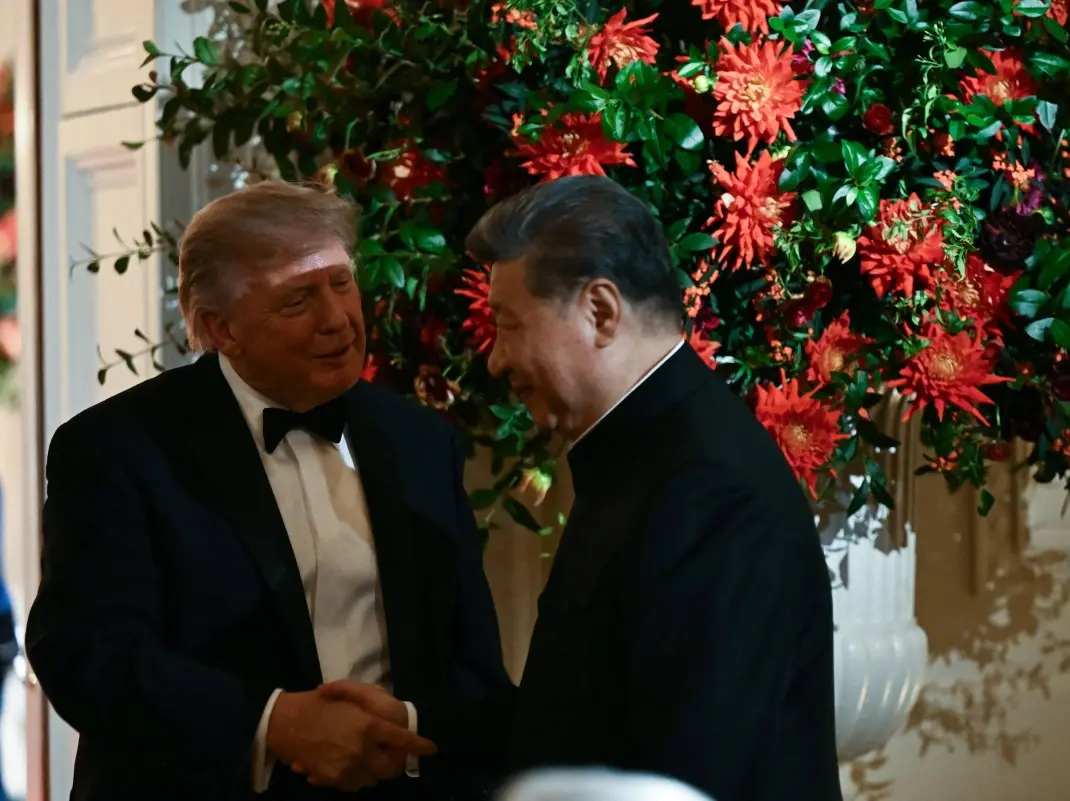)
'Making history': Xi Jinping praises Trump as US-China leaders dine at White House
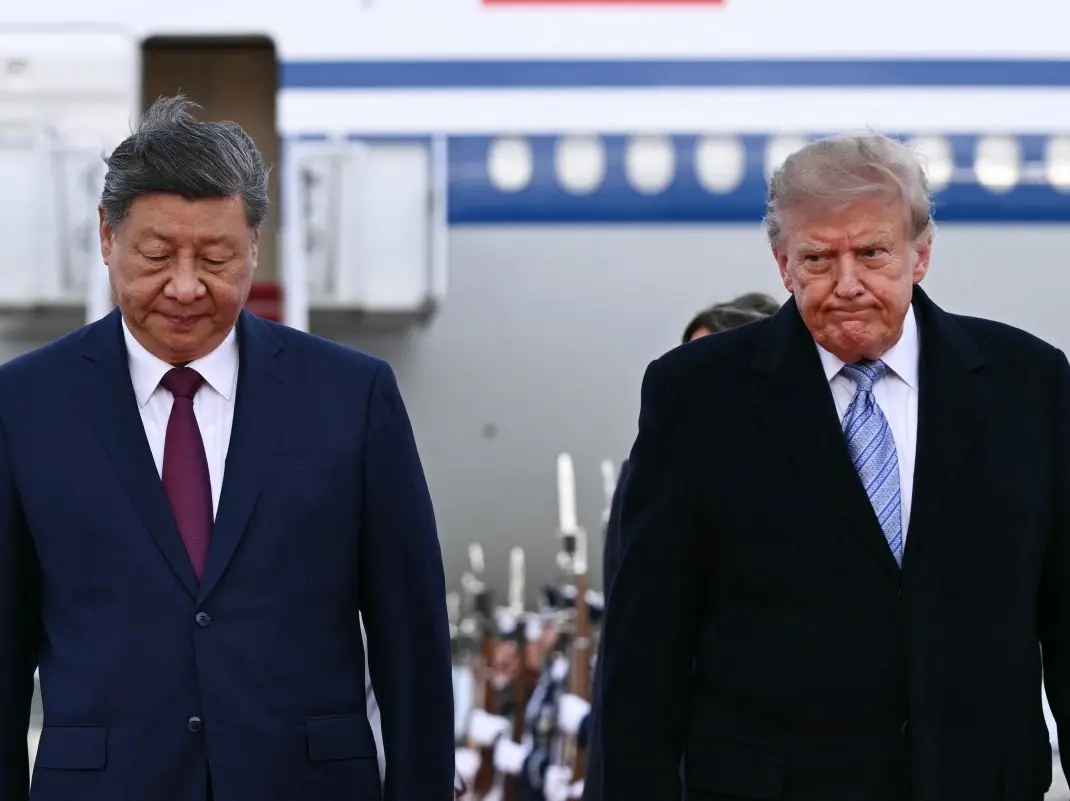)
'Partners rather than rivals': Xi Jinping's first message after landing in US for Trump summit
)
China to test supersonic jet that moves at Mach 2, double the speed of sound
)
'Fund people, not bombs': Hundreds take to New York streets as Netanyahu delivers speech at UN; dozens arrested
)
Bias or safety concerns? Bengaluru CEO says firm will not hire men from UP, Bihar, Rajasthan, MP. Here's why
)
IIT Bombay CCTV footage emerges: Sahil Wakode seen looking at phone in examination hall
)
US faces fresh cost crunch as mortgage rates hit 7%, oil tops $107 and gas prices surge
&im=FitAndFill=(700,400))
Netanyahu at UN: Mass walkout, attack on Mamdani and Iran threats | In Pics
)
A seven-day roadmap? Iran proposes plan to end war, reopen Strait of Hormuz and resume nuclear talks
)
Nearly half of young people trust AI over humans to check facts, major study finds
)
'We do not wish to continue. It's America that must choose': Iran president Pezeshkian calls on US to end war
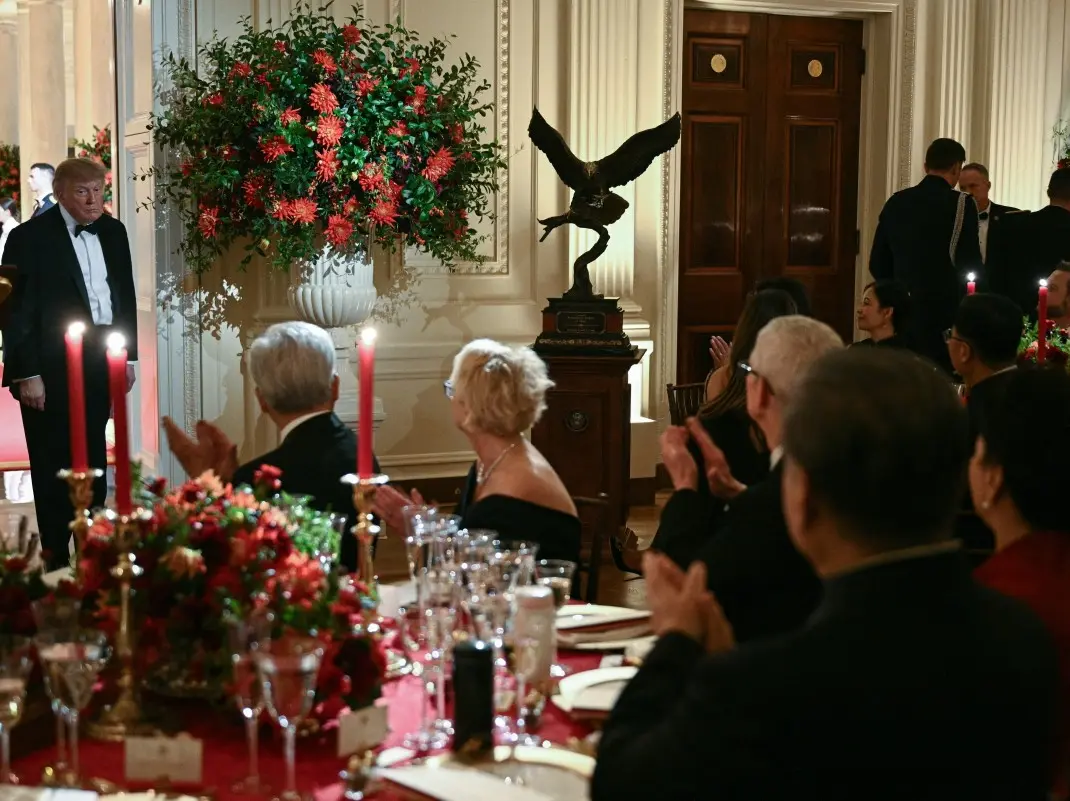)
Trump gifts Xi a bald eagle sculpture at White House dinner: Here’s what it symbolises
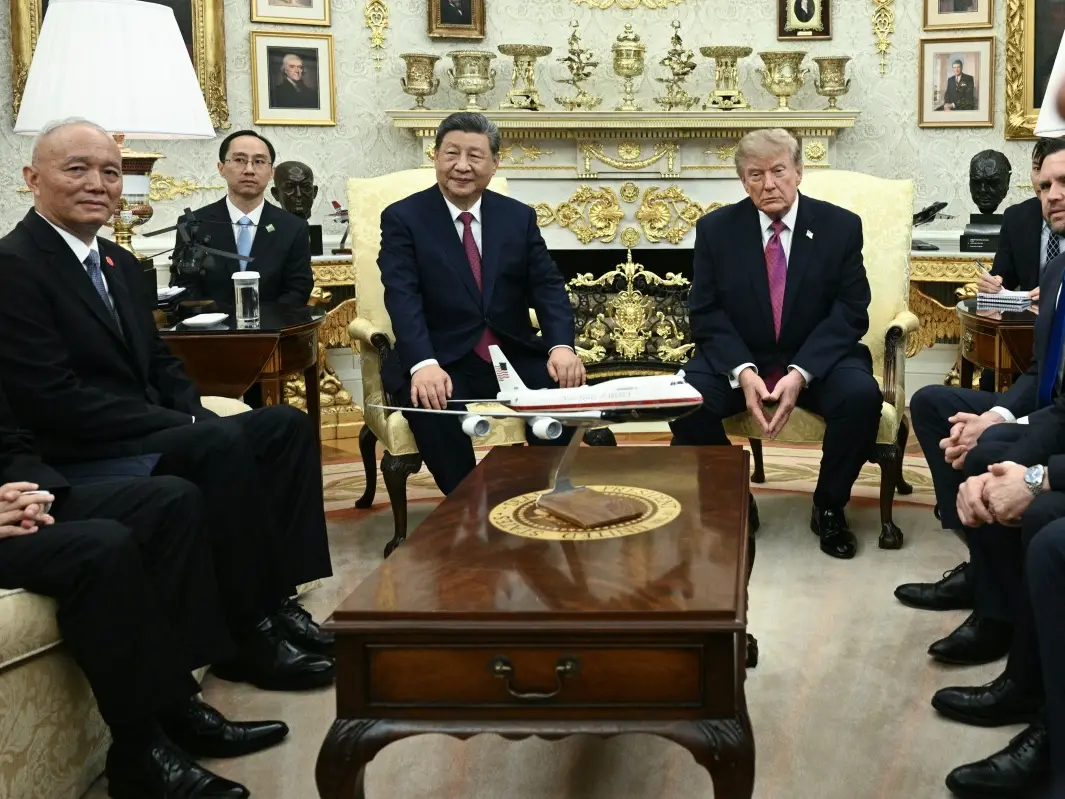)
Trump's welcome to Xi demonstrates 'attraction' to dictators: Chuck Schumer
Don't Be Shy movie review: A frothy coming-of-age tale that is too shy to experiment
)
Israeli envoy to US Yechiel Leiter’s son critically injured in West Bank ramming attack
)
Welcome actor Mushtaq Khan dies at 56 after battling cancer
)
Alarming video emerges as landslide damages houses in Sikkim’s Rimbi village. Watch
)
Outrage erupts after 3-year-old is married to 60-year-old man in Pakistan, link to her sister's murder being probed
)
'Blockbuster' nor'easter develops an eye similar to hurricanes as warnings are issued
)
Nations League: Germany draw on Klopp debut; Portugal, Norway win
)
Xi Jinping's 'special plane' vs Trump's Air Force One: What's the difference?
)
UNGA 2026: Israeli PM attacks Britain, France for past colonialism
)
‘We’ve never gotten along better’: Trump praises Xi, jokes about White House ballroom at high-stakes state dinner
)
WION Iconic Tourism Summit 2026: Union Minister Shekhawat on 'experiential travel', peace diplomacy
)
Trump-Xi state dinner 2026: Who is invited? Full guest list of tech CEOs, business leaders and officials
)
Bollywood mourns Mushtaq Khan: Sunny Deol, Rajpal Yadav and others pay tribute
)
West Indies coach Sammy looking at India series as opportunity to finetune ahead of ODI World Cup 2027 qualifiers
)
Scientists detect first radio signals directly from faraway planet
)
What’s in a name? Trump’s 'Lake America' move gets a tit-for-tat response from Canada
)
2,000-foot tube, laser tests and more: China builds towns to expand nuclear arsenal, satellite images show
)
Meet Adrian Abraham: 9-year-old Indian-origin guitar prodigy aiming for a Guinness World Record
)
CNN, Politico and MS NOW back in White House after judge blocks Trump’s media ban
)
'FIRST LOOK from inside Noah’s Ark': Researchers share video from inside mysterious mound in Turkey
)
Farhan, who went viral for AK47 celebration vs India in Asia Cup, hopes to lead Pakistan beyond Asian Games
)
‘Not just a local tragedy’: Nepal PM Shah warns UN of growing climate threat, says Nepal floods were 'a warning to the world'
)
WION Iconic Tourism Summit: How local tourism MSMEs must upskill for AI integration
)
The sharp fall in imports also led to a 46 per cent narrowing of the US goods trade deficit, a development that has momentarily offset recessionary concerns in Q1. But analysts warn the effect is unlikely to sustain growth.
“We expect second-quarter data to reflect not just weaker trade volumes but also slower consumer spending and inventory rundown,” said Rajiv Malhotra, a global economist at HSBC, as quoted by Bloomberg.
IMF to revise growth forecast in July
The IMF plans to release its updated World Economic Outlooknext month. In April, the Fund had already cut its global GDP growth estimate to 2.8 per cent, down from 3.3 per cent, citing trade frictions and financial volatility, as per Bloomberg.
Despite a temporary tariff pause by the US on April 9—part of a broader de-escalation in its dispute with China and allies—the Fund believes the global trade system is now under structural pressure.
The World Bankhas echoed this view, warning that trade tensions could impact two-thirds of developing economiesand deepen inequality, especially in export-dependent regions.
Trade war fatigue sets in
President Donald Trump’s aggressive tariff policy has led to steep duties on steel, aluminium, and a variety of Chinese imports. These moves were partially rolled back after recent talks in London and Geneva, but the damage may be done.
The OECDnow projects that global trade growth will drop to 2.8% in 2025and further slow to 2.2% by 2026, far below pre-pandemic averages. Emerging markets, particularly in Asia and Africa, are expected to bear the brunt.
“Policymakers must focus on reducing trade policy uncertainty and rebuilding trust,” Kozack said, adding that domestic reforms and diversified supply chains are essential to economic resilience, as quoted by Bloomberg.
What’s at stake?
According to Bloomberg, since 2020, EB-5 visa holders have contributed an estimated $37 billion in direct investmentto the US economy—a flow now under threat as geopolitical tensions and policy uncertainty deter high-net-worth investors.
Meanwhile, IMF analysts, as quoted by Reuters, have warned of a growing 5 per cent probabilitythat global GDP could dip below 0.4 per centin worst-case scenarios if trade hostilities between major economies re-escalate.
Adding to the gloom, US Commerce Department data cited by CNBCreveals that US imports in April fell to $276 billion, marking a historic monthly drop and effectively signalling the end of the short-lived surge in trade volumes that had been driven by companies stockpiling ahead of fresh US tariffs.
The IMF’s latest signal reinforces what global businesses already suspect—2025’s early trade momentum is fading, and the world is entering a new phase of slow, uncertain growth.
While the recent US-China detente offers hope, the path to stability will depend on consistency—something that Washington and Beijing have struggled with in recent years.
Until then, the global trade engine may continue to sputter, caught between geopolitical crosswinds and domestic politics.
(With inputs from the agencies)