How Trump’s crackdown on Harvard’s foreign students could hit the US economy?


US President Donald Trump's administration halts Harvard's international student enrollment, risking economic and reputational harm.
US President Donald Trump’s administration has sparked nationwide debate by halting Harvard University’s ability to enroll international students.
While the action is framed as a national security and accountability measure, economists, educators, and lawmakers warn it could severely damage America’s economic interests and international reputation.
With nearly 27 per cent of Harvard’s student body is reportedly made up of international students, the implications stretch far beyond one university, potentially impacting billions in revenue, thousands of jobs, and the country’s standing in global education.
Trump vs Harvard
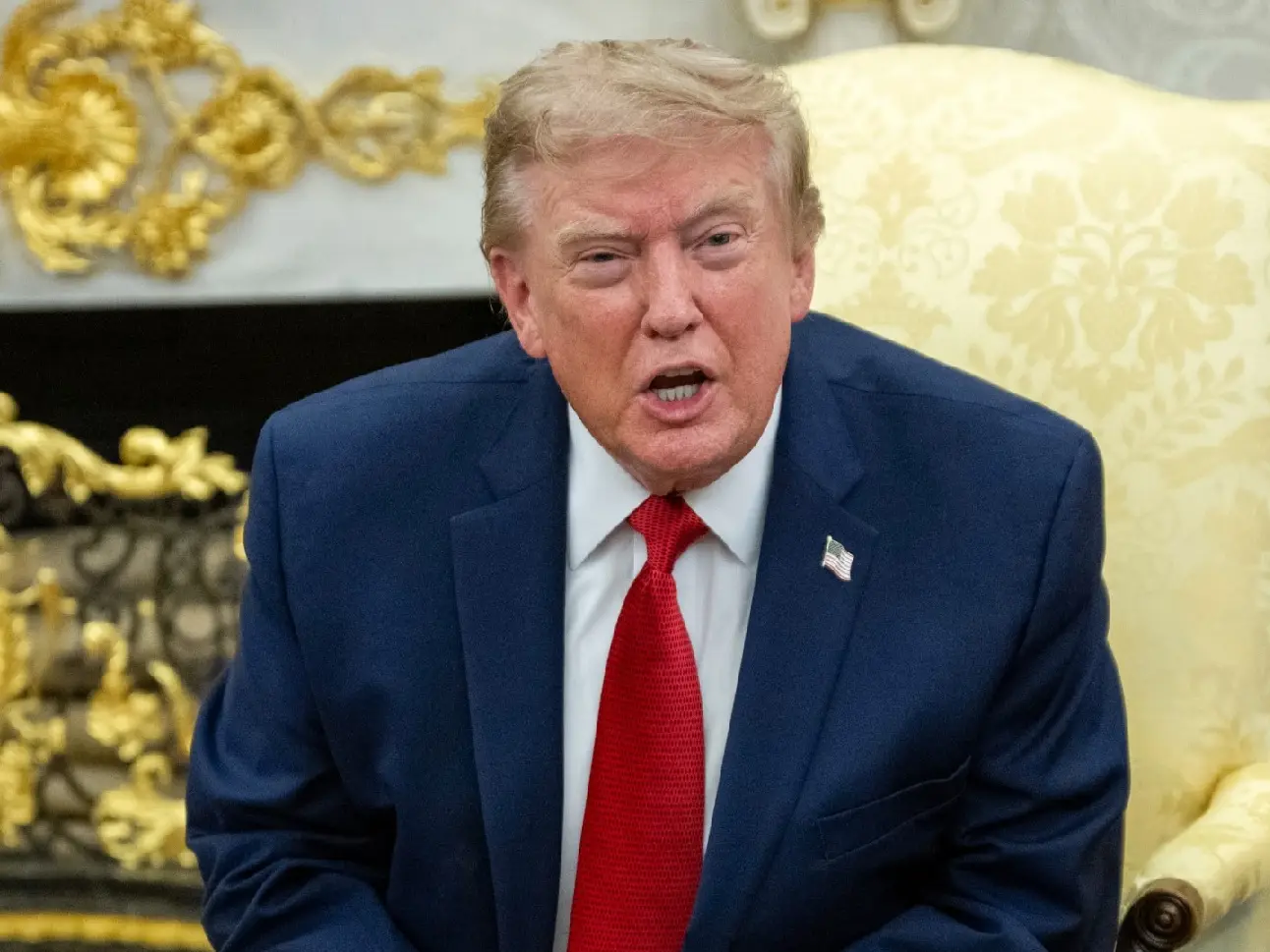
President Trump has publicly criticised Harvard, accusing the Ivy League institution of harbouring foreign influence and refusing transparency regarding its international student population. In a Truth Social post, Trump claimed: “Almost 31 per cent of their students are from foreign lands… yet those countries, some not friendly to the United States, pay NOTHING toward their student’s education.”
He further questioned why Harvard continues to seek government grants despite having a $53.2 billion endowment, saying: “We want those names and countries. Harvard has $52,000,000, use it, and stop asking for the Federal Government to continue granting money to you.
Trending Stories
)
)
)
)
)
)
)
)
)
)
)
)
)
)
)
)
)
)
)
)
)
)
)
)
)
)
)
)
)
)
)
)
)
)
&im=FitAndFill=(700,400))
)
)
)
The action came shortly after the Department of Homeland Security (DHS), led by Secretary Kristi Noem, barred Harvard from the Student and Exchange Visitor Program (SEVP), a move that halts its ability to sponsor student visas and threatens the legal status of nearly 6,800 foreign students. Noem accused Harvard of “fostering violence, antisemitism, and coordinating with the Chinese Communist Party.”
Harvard has pushed back legally, suing the Trump administration, calling the decision “unlawful and unconstitutional.” A federal judge has temporarily blocked the policy, but the long-term outcome remains uncertain.
How it could hurt the US economy?
International students contributed more than $44 billion to the US economy in the last year, according to National Association of Foreign Student Advisers (NAFSA). NAFSA is a US-based nonprofit organisation that supports international education and exchange by providing advocacy, training, and resources to professionals in the field.
As one of the most popular destinations for foreign students, Harvard alone generated hundreds of millions through tuition, housing, and local consumption.
According to reports, each student brings an estimated $29,000 annually, supporting both the university and surrounding economies.
According toNAFSA, for every three international students, one US job is created, including roles in education, housing, retail, and healthcare. In the 2023–24 academic year, foreign students supported around 378,000 jobs.
Even small towns benefit. For instance, Mankato, Minnesota, with just 45,000 residents, saw $46 million in economic activity generated by international students, sustaining nearly 190 local jobs.
In Cambridge, Massachusetts, home to Harvard, the absence of nearly 7,000 students could reportedlyimpact real estate markets, local restaurants, bookstores, transportation, and research collaborations.
Other institutions fear becoming the next target. Public universities like Arizona State, UC Berkeley, and University of Illinois Urbana-Champaign attract tens of thousands of foreign students and reportedly generated $1.7 billion combined in local economic benefits.
What happens next?
While a federal judge has paused Trump’s order, the longer-term outcome remains uncertain. If the crackdown is upheld or spreads to other universities, the US risks losing its top-tier international talent, cutting off a $44 billion economic engine, and damaging its soft power in global education.
What started as a political dispute could result in long-term economic and diplomatic costs. As critics ask whether such moves align with the “Make America Great Again” agenda, the country’s ability to retain its status as a global education leader is now under real threat.