Egypt's inflation pyramid: inflation surges to 35.7 percent in June

IRCTC Egypt tour package
Official data released on Monday revealed that Egypt's year-on-year headline inflation reached an unprecedented 35.7 percentin June, exceeding the previous record of 32.7 percent in May. This sharp acceleration highlights the acute economic challenges faced by the country since early last year and marks the highest inflation rate witnessed since 2017.
Since March 2022, Egypt has experienced significant challenges, as it has faced a scarcity of foreign currency and undergone multiple currency devaluations. The resulting inflationary pressure has further exacerbated the hardships experienced by Egyptians, who have witnessed a gradual erosion of their living standards in recent years.
Analysts had forecast a significant increase in annual urban consumer price inflation for June, attributing it to an unfavorable base effect and a rise in consumer demand during the annual Eid al-Adha festival.

The central bank of Egyptreported that core inflation, which excludes fuel and certain volatile food items, also reached a new record high of 41 percent, surpassing the previous month's figure of 40.3 percent. This persistent surge in inflation may exert pressure on the central bank to raise interest rates at its upcoming meeting scheduled for August 3. Notably, the bank has maintained interest rates unchanged in its last two meetings, following a cumulative increase of 1,000 basis points since March 2022.
In the aftermath of Russia's invasion of Ukraine, Egypt, the Arab world's most populous nation, took decisive action to address its economic vulnerabilities. This included a significant currency devaluation of over 50% since March 2022. The realization of these vulnerabilities prompted Egypt to seek financial assistance from the International Monetary Fund, resulting in a successful application for a $3 billion loan.
The first review of the IMF program, which was scheduled to take place, has been delayed due to uncertainties surrounding Egypt's commitment to implementing a flexible currency exchange rate and the government's efforts to bolster the private sector. Notably, these endeavors include the sale of stakes in state-owned enterprises.
)
Why asking questions could be more important than memorising answers
)
Osama Bin Laden ‘planned’ to target India, CIA reveals dozens of declassified documents
)
'Iran won't surrender': Pezeshkian sends blunt message to US while attending BRICS Summit in India
)
BRICS Summit 2026: Global leaders of BRICS nations attend main open session
)
Celine Dion makes emotional stage comeback after six years: 'I'm so delighted to see you'
)
PM Modi and China's Xi offered to help resolve Russia-Ukraine war: Kremlin
)
Why dehydration is the hidden cause of travel fatigue on long flights
&im=FitAndFill=(700,400))
Meet top 5 batters fastest to 3000 runs in T20Is
)
Top 5 places to visit in Goa beyond its famous beaches
)
'He is popular...': Malaysian PM Anwar Ibrahim's praise for PM Modi during bilateral meeting | WATCH
)
BRICS Summit 2026: PM Modi, Xi reach key consensus on ties, China to assume BRICS chairmanship in 2027
)
BRICS Summit 2026: Consensus on joint declaration, diplomatic win for India
)
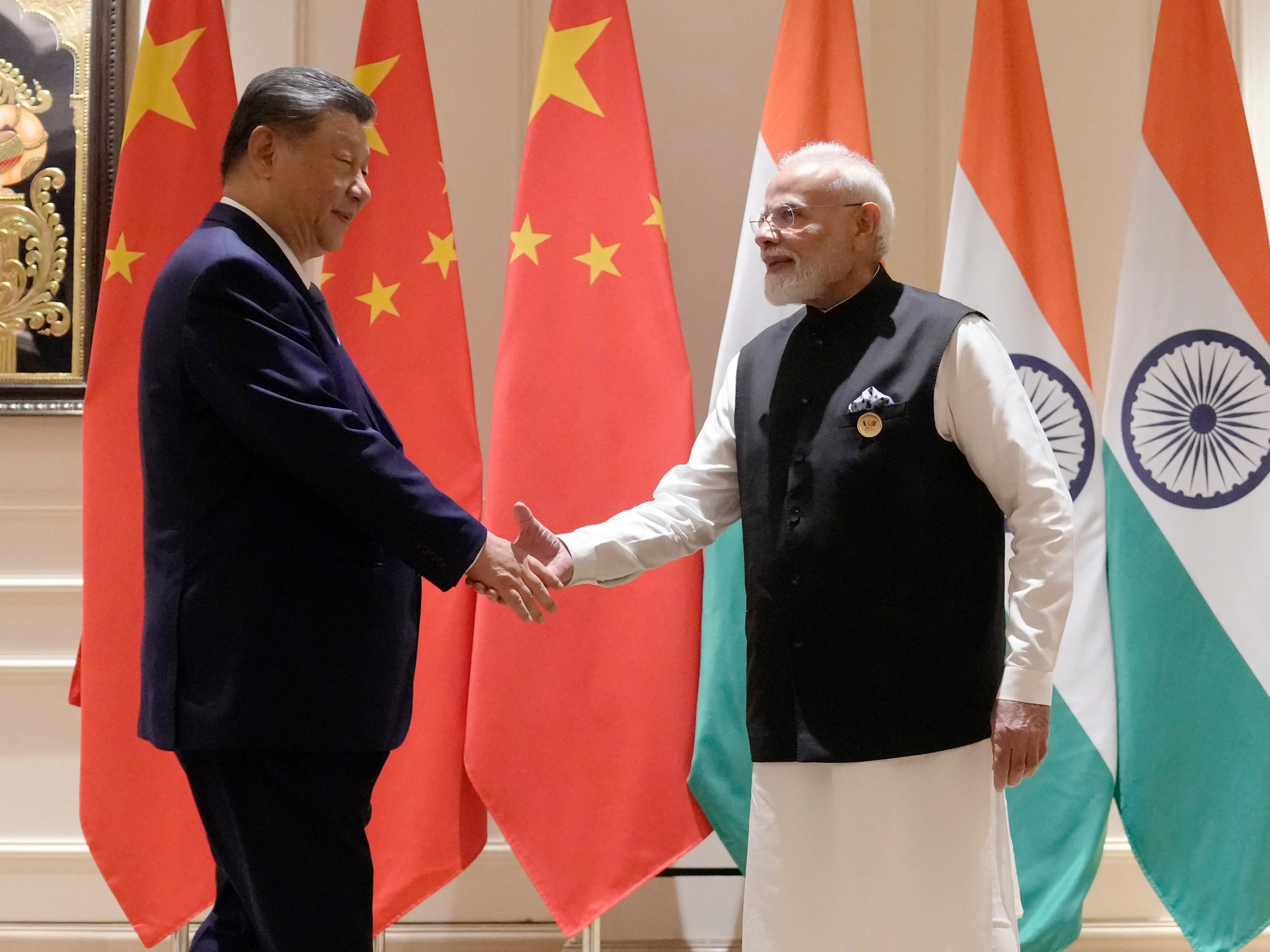
Trump says Canada eager to reach a deal, it could come ‘fairly soon’ if Ottawa treats US farmers better
)
‘Partners, not rivals’: Xi outlines four point plan for stronger India-China ties
&im=FitAndFill=(700,400))
Why Chinese PL-15 air-to-air missiles use dual-pulse motors compared to European interceptors
)
Could staying indoors all day affect your health?
)
BRICS Summit 2026: PM Modi addresses Day 2 of 18th BRICS summit
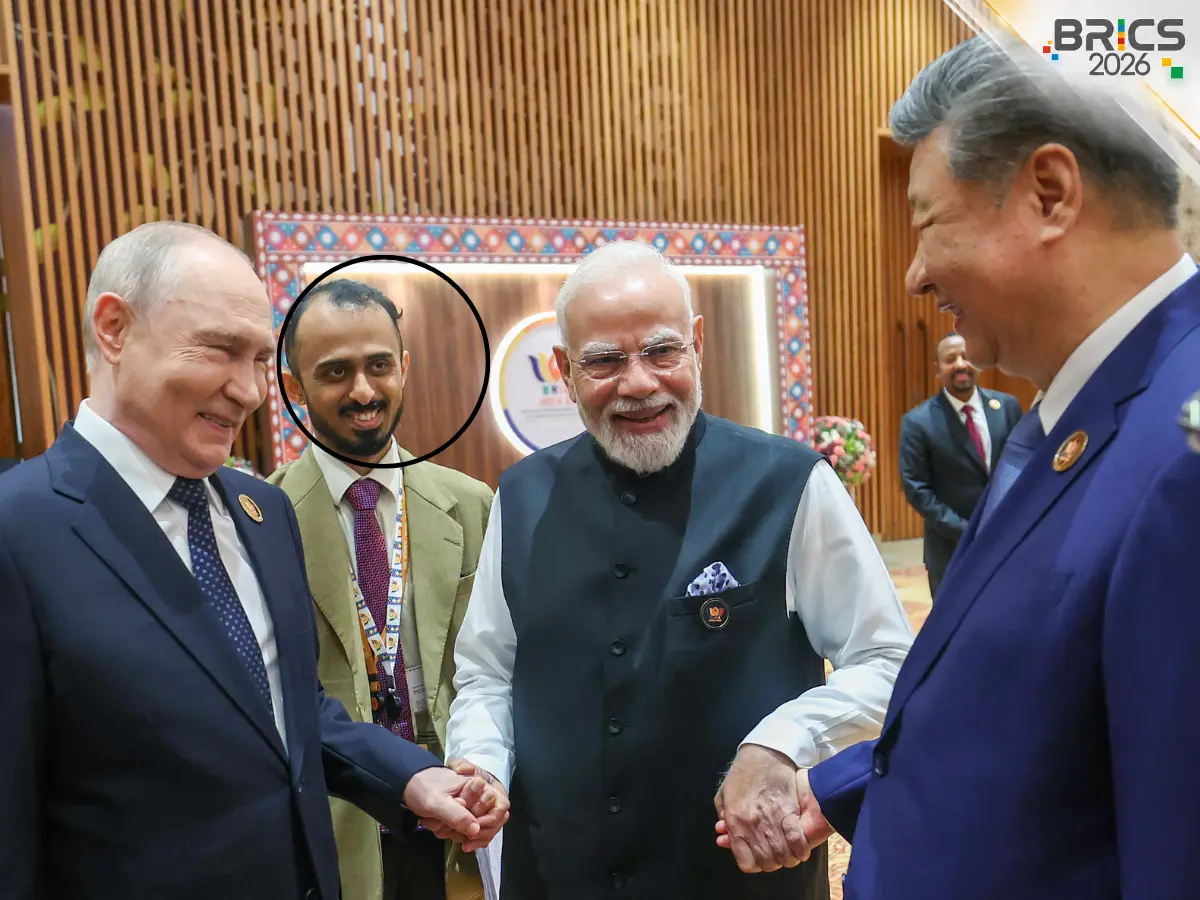)
Who is the smiling man beside Modi, Putin and Xi at BRICS Summit 2026?
)
800 million years old - Scientists discover 'fingerprints' of supercontinent Gondwana in ancient rocks
)
Why going digital does not always mean becoming more efficient
&im=FitAndFill=(700,400))
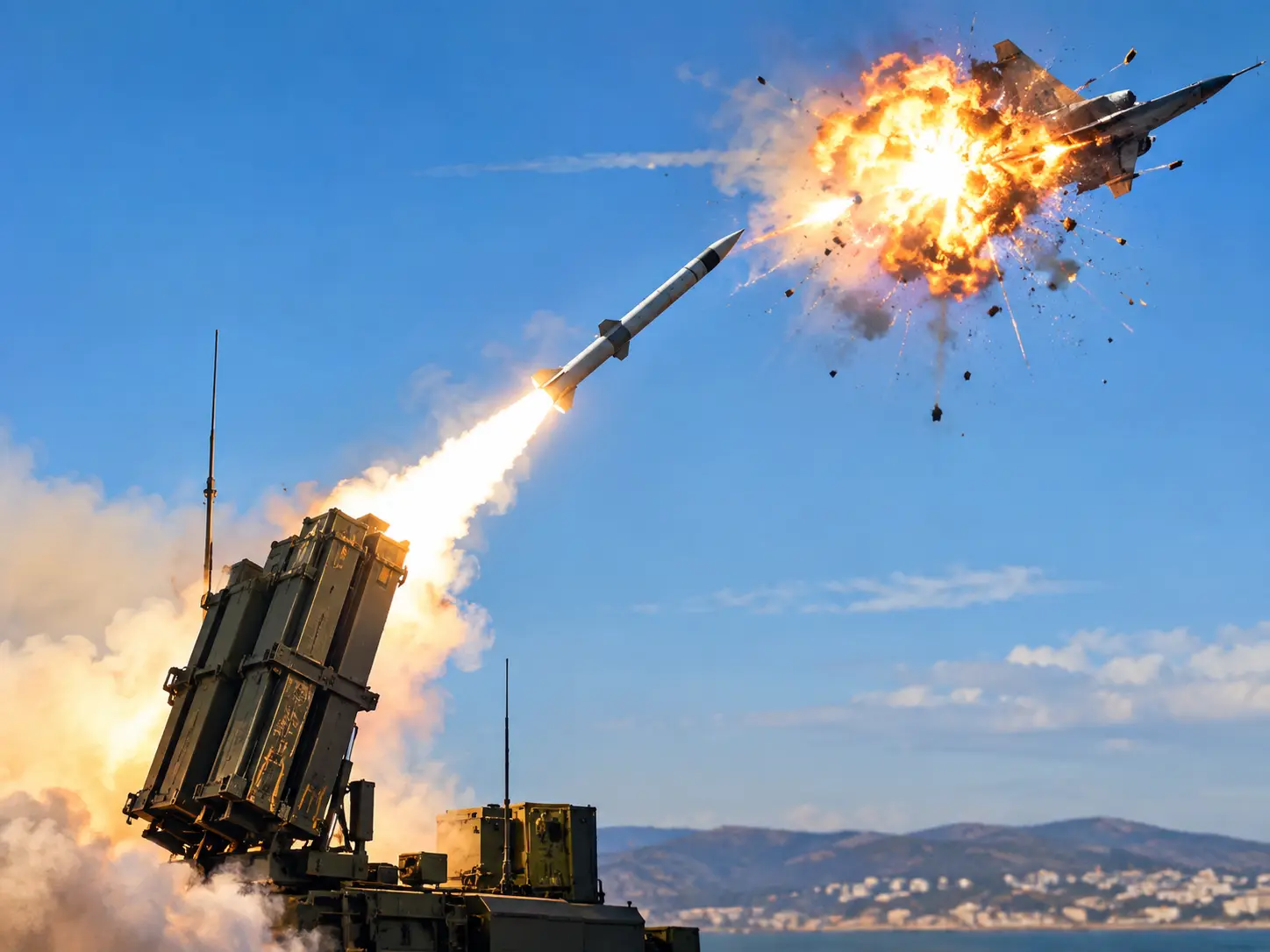
Why do air defence missiles explode near their target instead of hitting it?
)
Russian drone hits Warsaw-bound train near Polish border, Zelensky accuses Moscow of ‘deliberate’ targeting
)
War is making Russia stronger? How Ukraine is shaping Moscow’s next generation of weapons
)
Migration protests return to Portsmouth as rival demonstrations face off
)
From severe mobility problems to recovery: Madhuri the elephant’s journey of wildlife care
)
BRICS Summit day 1: New Delhi declaration adopted with full consensus, big diplomatic win for India
)
Did Iran President Pezeshkian touch feet of Hindu spiritual leader at Delhi event as shown in viral video?
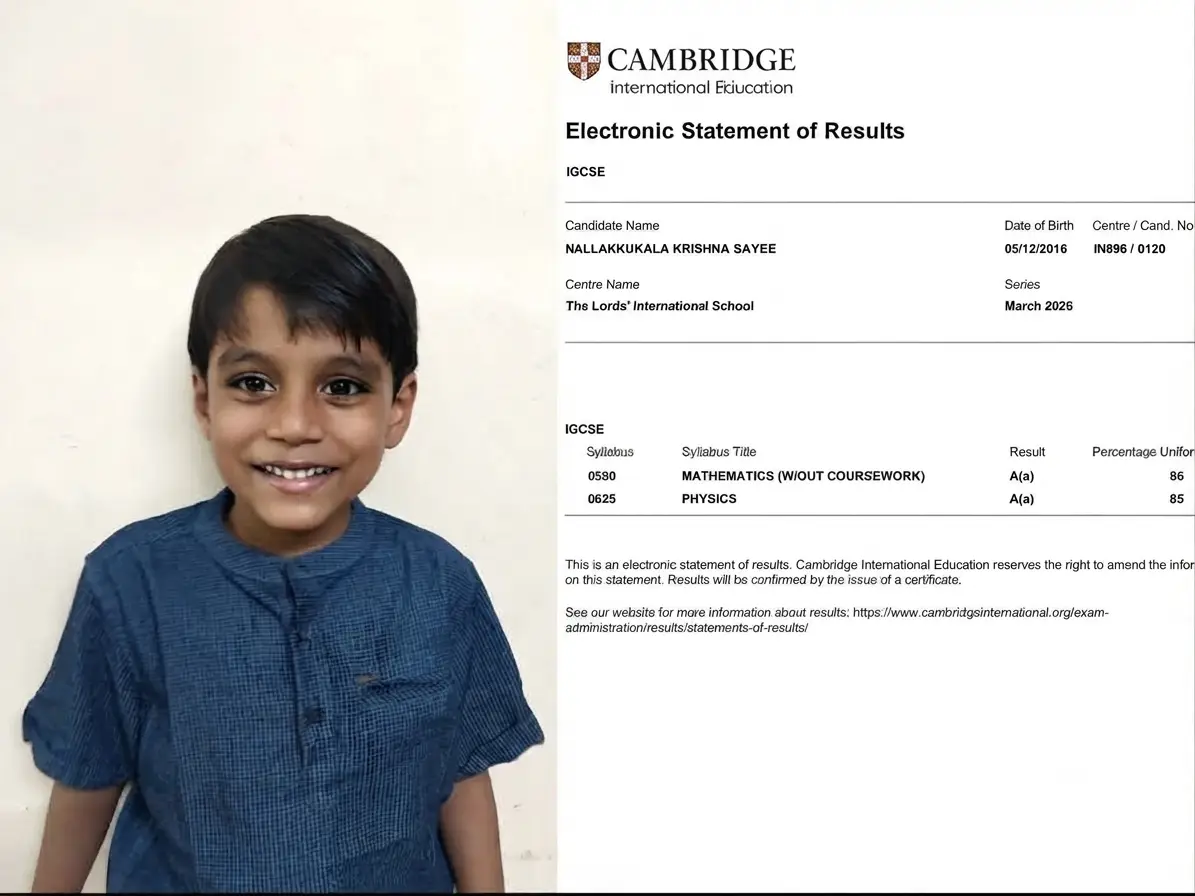)
9-year-old Chennai prodigy clears Cambridge IGCSE grade 10 exams
)
Why does your body need time to adjust after a long journey?
)
BRICS Summit 2026: PM Modi to hold bilateral with leaders of seven countries
)
Ramanathaswamy temple takes centre stage as PM Modi welcomes world leaders at BRICS
)
Houthis launch cross-border strike on Saudi Arabia as Yemen war escalates
)
BRICS Summit 2026: Chinese president Xi Jinping departs from New Delhi after attending BRICS summit
)
Why does your skin need protection from UV rays?
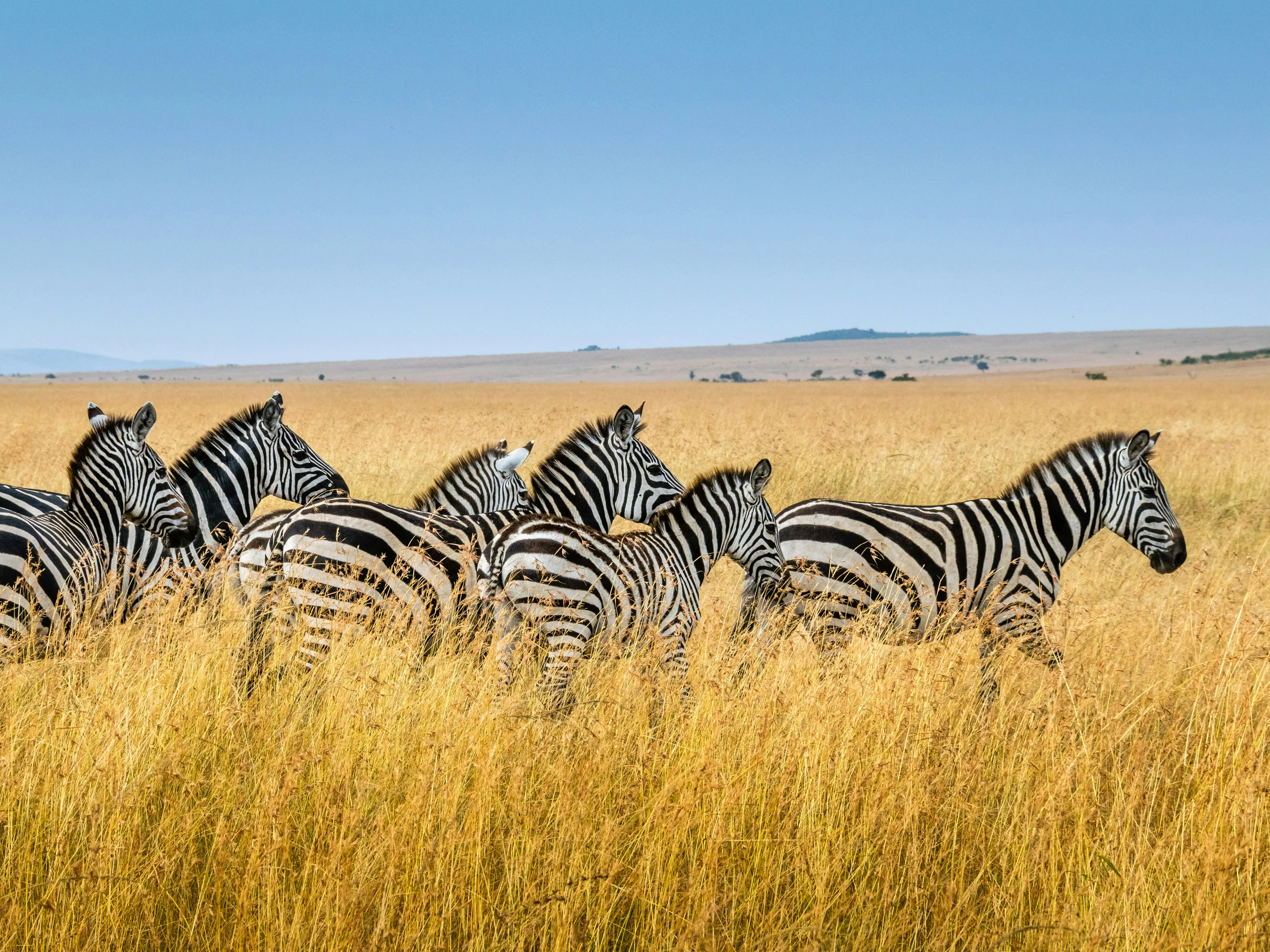)
How does the loss of forests affect the way wildlife lives and moves?
)
IND vs AFG, 1st T20I: When and where to watch live streaming in India?
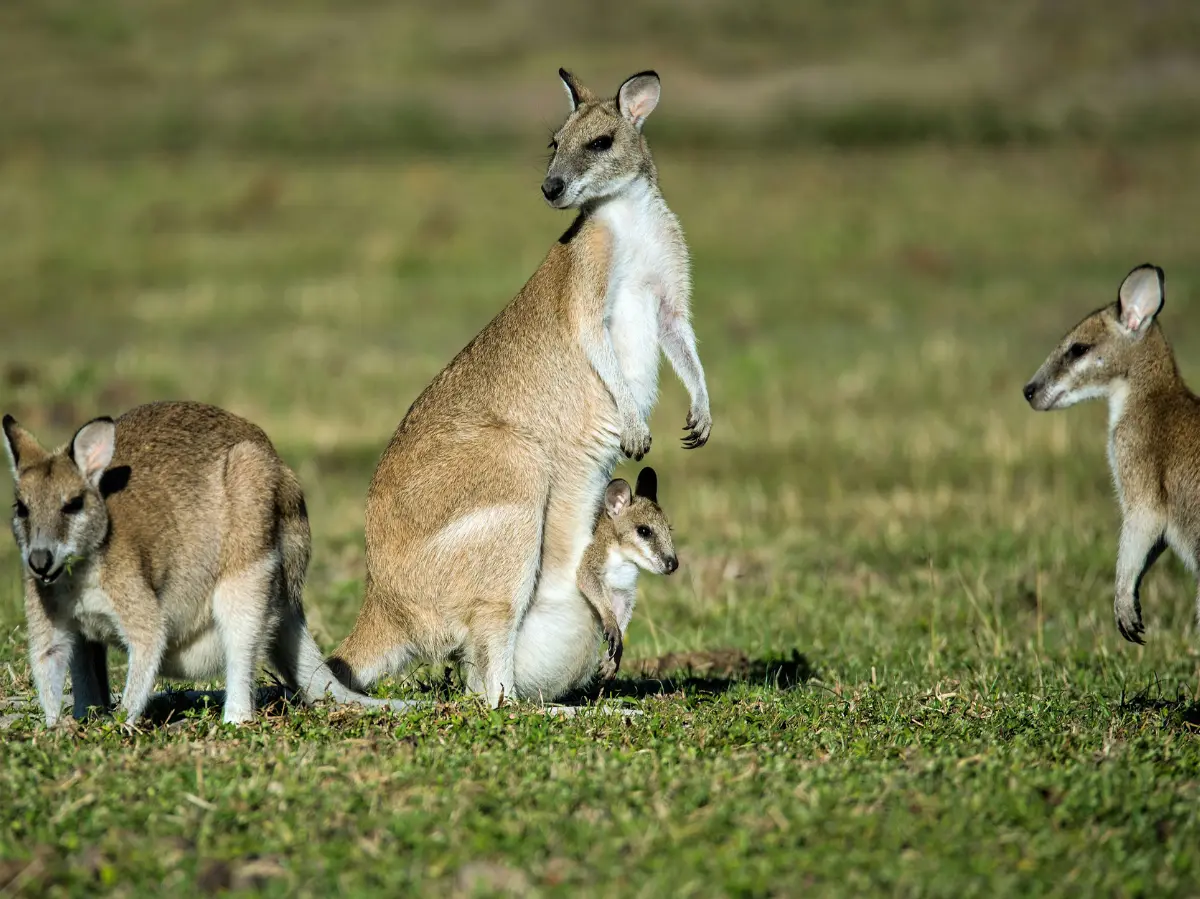)
Why do wild animals need quiet places to survive?
)
Bigg Boss 20: Qazi Touqeer gets a special ‘rockstar’ moment from Salman Khan
)
Humans may lose control of AI: Anthropic CEO calls for slowdown, Altman, Musk back him
In an attempt to mitigate the impact of inflation, the Egyptian government has taken steps to raise electricity tariffs, which could reinforce price pressures through the summer. Reuters quoted Allen Sandeep from Naeem Brokerage, who suggested that a rise in power tariffs in July might lead to an extended period of elevated annual inflation. However, even without the power rate hike, there may still be a degree of cooling in July due to the favorable comparison with the previous year's figures.