DR Congo accuses Apple of using conflict minerals from war-torn regions in products


Apple
The Democratic Republic of Congo (DRC) has formally accused Apple of incorporating minerals sourced from its conflict-ridden eastern region into its products, sparking concerns over ethical sourcing practices.
As reported by AFP, lawyers representing the DRC have issued a cease-and-desist notice to Apple, alleging the illegal exploitation of minerals and warning of potential legal action if the practice persists.
Apple, however, has refuted these claims, quoting its due diligence efforts and supply chain standards outlined in its 2023 annual corporate report.

The mineral-rich Great Lakes region of the DRC has long been plagued by violence, aggravated by the exploitation of its abundant natural resources.
Allegations of mineral smuggling into neighbouring countries, particularly Rwanda, have raised questions about the integrity of the global mineral supply chain.
The DRC's lawyers have highlighted reports of sexual violence, armed conflict, and corruption at mining sites, linking these atrocities to the production of Apple's Macs, iPhones, and other devices.
)
‘Kill all in the name of...’: FBI arrests 21-year-old over alleged ISIS-inspired mass-casualty attack plot
)
Space mines, lasers & robotic arms: Lt Gen Pannu decodes US disclosure of weapons in space
)
Bitter Zelensky snubs Trump for playing politics with Ukraine war | Gravitas
)
Passengers scream as Iran flight suffers mid-air scare: Boeing 737 shakes violently after take-off | VIDEO
)
US fires up to 70 interceptors against Iran attack on Jordan, putting supplies under pressure
)
India’s imports from Russia jump 57% in five months; China remains top import source
)
‘US military task force aiding Saudi Arabia forces with intel, planning support’: Official
)
OpenAI boss Sam Altman repeats AI 'slow down' call, says world 'right to be afraid'
)
Top military commanders from US, Israel, and 7 Arab nations held secret meeting on Iran War
)
Sydney Sweeney defends provocative ad choice, the internet is still not impressed
)
'Definitely feel bad for yourself': Kuldeep Yadav opens up on India Test snubs
)
Ex-India all-rounder Yuvraj Singh wants India to avoid 'massive changes' before ODI World Cup 2027
)
Ed Sheeran’s US tour loses all support acts after Macklemore’s removal | Controversy explained
)
China's property crisis deepens as investment plunges nearly 20%
)
Messi set to play in farewell match on October 6 in Argentina vs Benin friendly
)
2,200 people donate Rs 1.5 crore for 'docile' Georgia donkey 'HeeHaw' shot dead by police officer
)
Putin-linked Russian oligarch, Melania links: Why Trump skipped his son’s Bahamas wedding bash?
)
800 million years old - Scientists discover 'fingerprints' of supercontinent Gondwana in ancient rocks
)
Trump's name cannot return to Kennedy Center, US judge rules
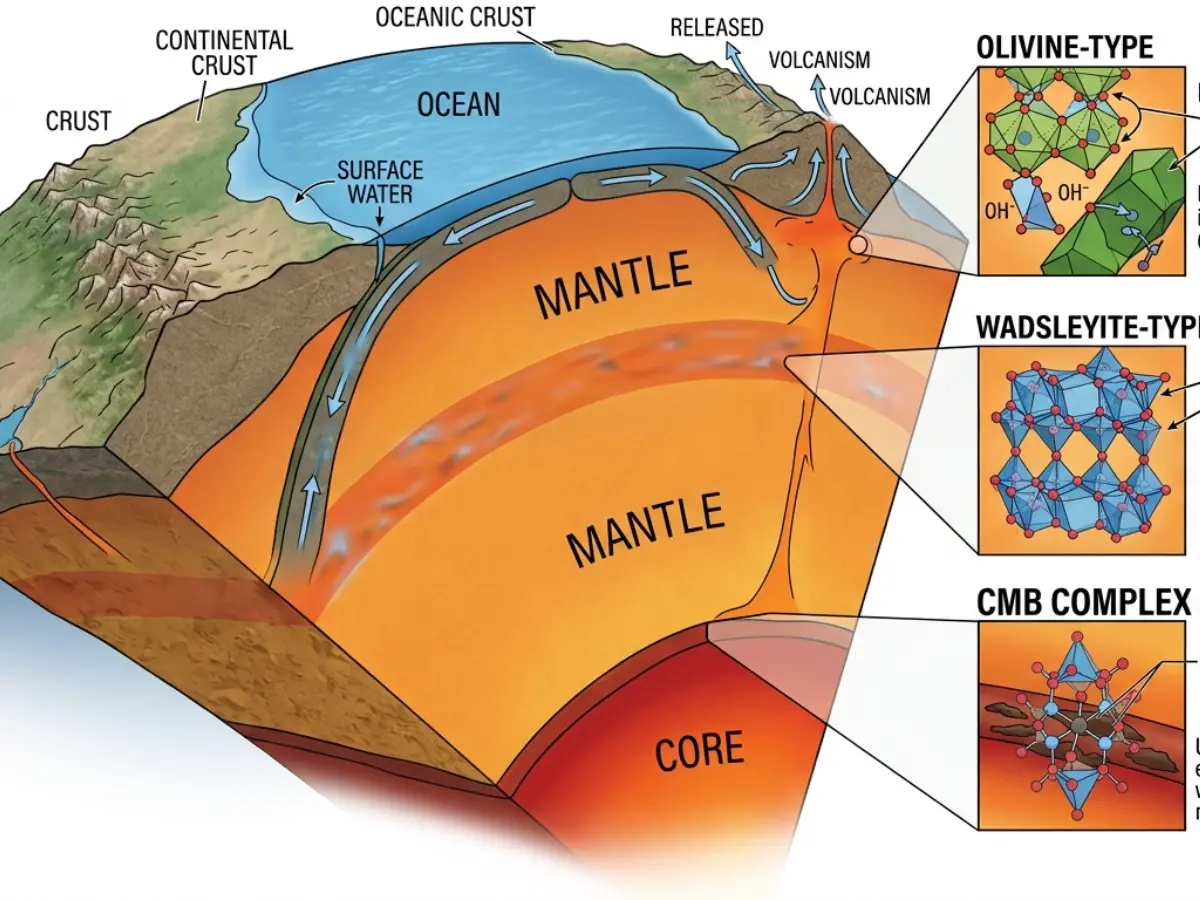)
Water equivalent to two Pacific Oceans could be stashed 2,900 km inside Earth
)
1,200 Indian and US troops begin high-altitude and desert drills
)
Ex-CIA officer caught with gold bars worth $40 million seeks plea deal | Gravitas
&im=FitAndFill=(700,400))
New OTT releases this week (September 14-20, 2026): Lust Stories 3, Waiting Hai, Irumudi- 5 new titles coming on Netflix, Prime Video and more
)
Trump's Iran war faces fresh House rebuke; 7 Republicans join Democrats in push to end conflict ahead of midterms
)
US Treasury yields cross 5% as Scott Bessent warns of ‘global issues’ impacting bonds
)
Who is Kalyan Bainsla, accused in the Gurugram hit-and-run case involving woman biker?
)
Saudi Arabia discovers 110 million tonnes of Uranium-rich ore in Madinah region
)
'Now Trump is copying us': Shivakumar links US $5,000 plan to Congress guarantees
)
Elephants hide behind trees, stage surprise attack on poachers targeting rhinos in South Africa
)
Los Angeles helicopter crash: At least three dead, several injured; NTSB to investigate
)
West Bengal IPS officer Bushra Bano transferred after objections to ‘Assalamualaikum’, ‘Inshallah’
)
India summons top Pakistan diplomat after Pak Navy ship collides with Indian warship at high seas
)
Spanish officer sent home from NATO base over affair with 'Russian spy' | Gravitas
)
Saudi Arabia accuses Houthis of drone attack on Mecca, first-ever red alert in Islam's holiest site sparks panic
)
'Like a thug you are using agency to go after..': Kash Patel grilled by Senate Democrats over FBI firings, journalist investigations and hiring policy
Responding to these allegations, Apple said that it followed ethical sourcing practices and adhered to international standards, with the objective of preventing the use of conflict minerals.
Despite the statements from Apple, the DRC's legal representatives have criticised the tech giant's reliance on suppliers operating in Rwanda, a country accused of exploiting the DRC's natural resources for decades.
The lawyers argue that Apple's efforts to ensure responsible mineral sourcing have been "notoriously insufficient," calling attention to the flawed certification process of the Tin Supply Chain Initiative (ITSCI).
The ITSCI program, designed to verify the origins of minerals from the DRC, has faced scrutiny for its contended shortcomings, including its role in facilitating the laundering of conflict minerals.
While Apple is not the sole beneficiary of the ITSCI program, other major tech companies, including Tesla, Intel, and Samsung, have also been implicated.
The DRC's legal notice to Apple highlighted bigger concerns about the ethical implications of mineral sourcing practices in conflict-affected regions, pushing for the tech industry to address systemic vulnerabilities in the global supply chain.
The demand for minerals, such as cobalt and copper, essential for powering clean energy technologies, has further increased exploitation and human rights abuses in the DRC.
Reports from organisations like Amnesty International have documented forced evictions, sexual assault, and violence against civilians in the region.
The ongoing conflict, aggravated by rebel groups like M23, has displaced millions and perpetuated a cycle of instability and suffering.
(With inputs from AFP)