China’s oil refiners face jet fuel glut as demand disappoints

&imwidth=600&imheight=450&format=webp&quality=medium "China’s oil refiners face jet fuel glut as demand disappoints")
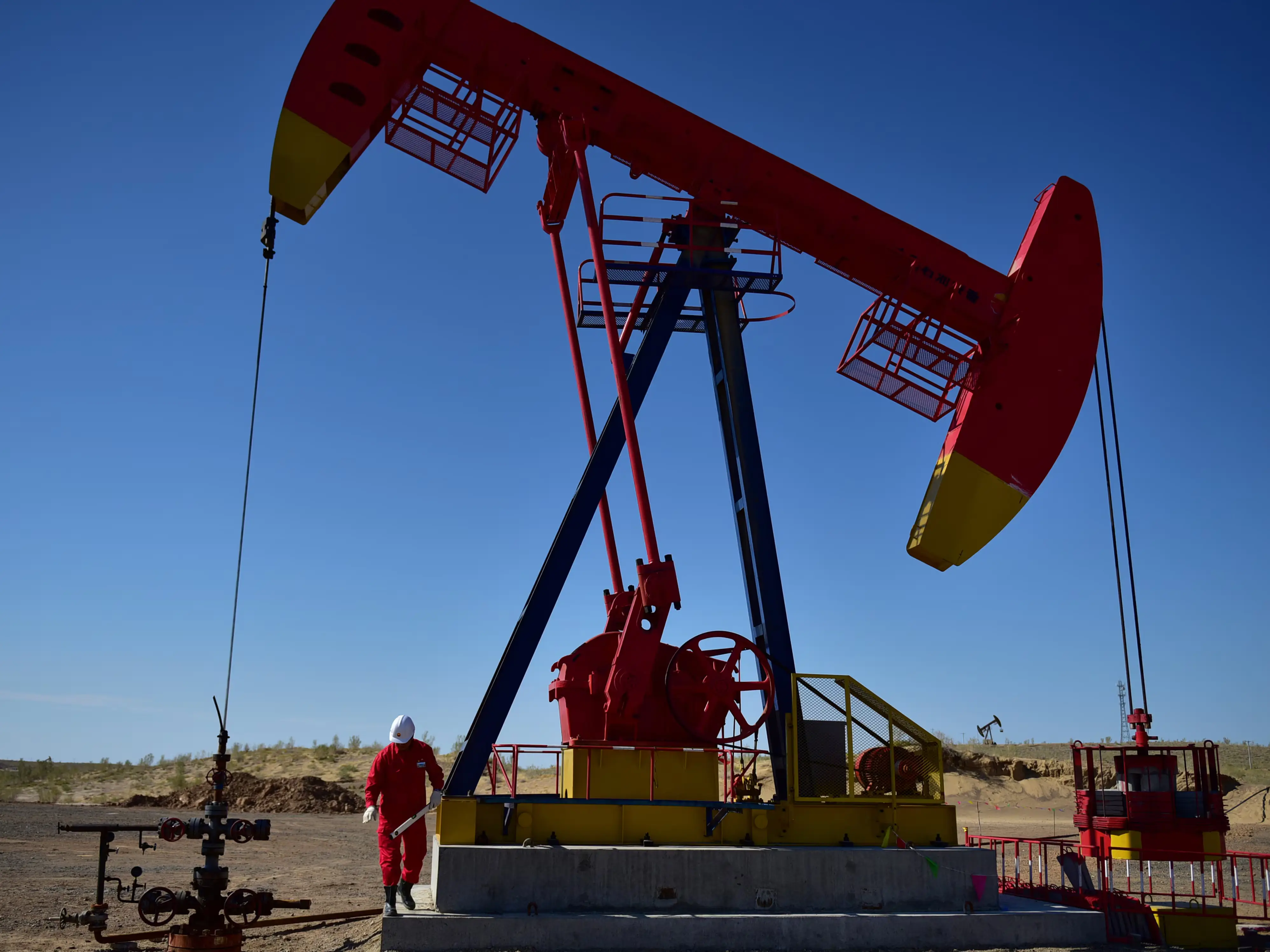
A PetroChina worker inspects a pump jack at an oil field in Tacheng, Xinjiang Uighur Autonomous Region, China. Photograph: (Reuters)
China’s refiners are grappling with a growing jet fuel surplus as weak international travel and overproduction strain margins and flood export markets.
China’s oil refining industry is confronting yet another challenge: a growing surplus of jet fuel that threatens to squeeze already thin profit margins. Refiners had bet on aviation to offset sliding demand for gasoline and diesel, but now they are faced with more supply than the market can absorb.
According to Bloomberg, jet fuel production this year is already exceeding demand by more than 40 per cent, reflecting both structural shifts in transport and slower-than-expected growth in air travel.
Aviation boom turns to bust for refiners
Following the pandemic, China’s refiners saw jet fuel as a lifeline. As road fuel demand was hit by a surge in electric vehicle adoption and a shift by freight operators to alternatives like liquefied natural gas, refiners channelled more output into aviation.
However, as per Bloomberg, this strategy is now backfiring. Domestic air travel has rebounded but remains heavily tilted towards short-haul routes, limiting fuel burn. Meanwhile, international travel is still sluggish, failing to pick up the slack needed to balance the market. Kpler analyst Zameer Yusof told Bloomberg that jet fuel became China’s answer to falling gasoline and diesel demand, but “all it did was shift the problem elsewhere.” Kpler expects a surplus of around 390,000 barrels per day this year in China alone.
Longer-term headwinds for demand
Trending Stories
)
)
&im=FitAndFill=(700,400))
)
)
)
)
)
&im=FitAndFill=(700,400))
)
)
)
)
)
)
)
)
)
)
&im=FitAndFill=(700,400))
)
)
)
)
)
)
)
)
)
)
)
)
)
)
)
)
)
)
)
Even as air travel is expected to continue growing into 2025, the pace may fall short of what China’s refiners need. Structural changes like the rapid expansion of high-speed rail networks are limiting the growth trajectory for aviation fuel demand.
Bloomberg also highlights that newer, more fuel-efficient aircraft and better operational practices by airlines are curbing fuel use per flight. On top of this, the outlook for Chinese consumer spending remains uncertain, adding another layer of caution for refiners banking on domestic travel growth.
Export surge risks regional oversupply
With domestic options limited, China is increasingly pushing excess fuel abroad. Bloomberg notes that June exports were forecast to hit a record 2.6 million tonnes, threatening to displace competing supplies from regions like the Middle East and India.
This surge in exports risks spreading China’s refinery overcapacity challenges beyond its borders, adding pressure on regional markets, and potentially sparking new trade tensions.
Refining margins remain under strain
Chinese refiners have faced years of weak margins as demand patterns have shifted. Diesel consumption is believed to have peaked back in 2019, while the electric vehicle boom likely capped gasoline demand growth in 2023.
Bloomberg reports that even Beijing’s push to pivot towards producing more petrochemicals has offered little relief. While the government has encouraged investments in ethylene production, a key input for plastics, the sector is now also facing its own oversupply concerns. According to Rystad Energy cited by Bloomberg, China plans to add another 26 million tonnes of ethylene capacity over the next few years, even as global demand remains clouded by a slowing economy.
Tough choices ahead for refiners
Analysts say China’s refiners are now left with few easy options. Domestic fuel demand is plateauing or declining in key segments, export markets are increasingly saturated, and alternative strategies like petrochemical production are hitting limits.
With margins under pressure and global competition intensifying, the sector may face further consolidation or restructuring in the years to come as it grapples with deep structural changes in energy use and economic growth patterns.
(With inputs from the agencies)