China lifts foreign investment cap for first time since 2023

&imwidth=600&imheight=450&format=webp&quality=medium "China lifts foreign investment cap for first time since 2023")
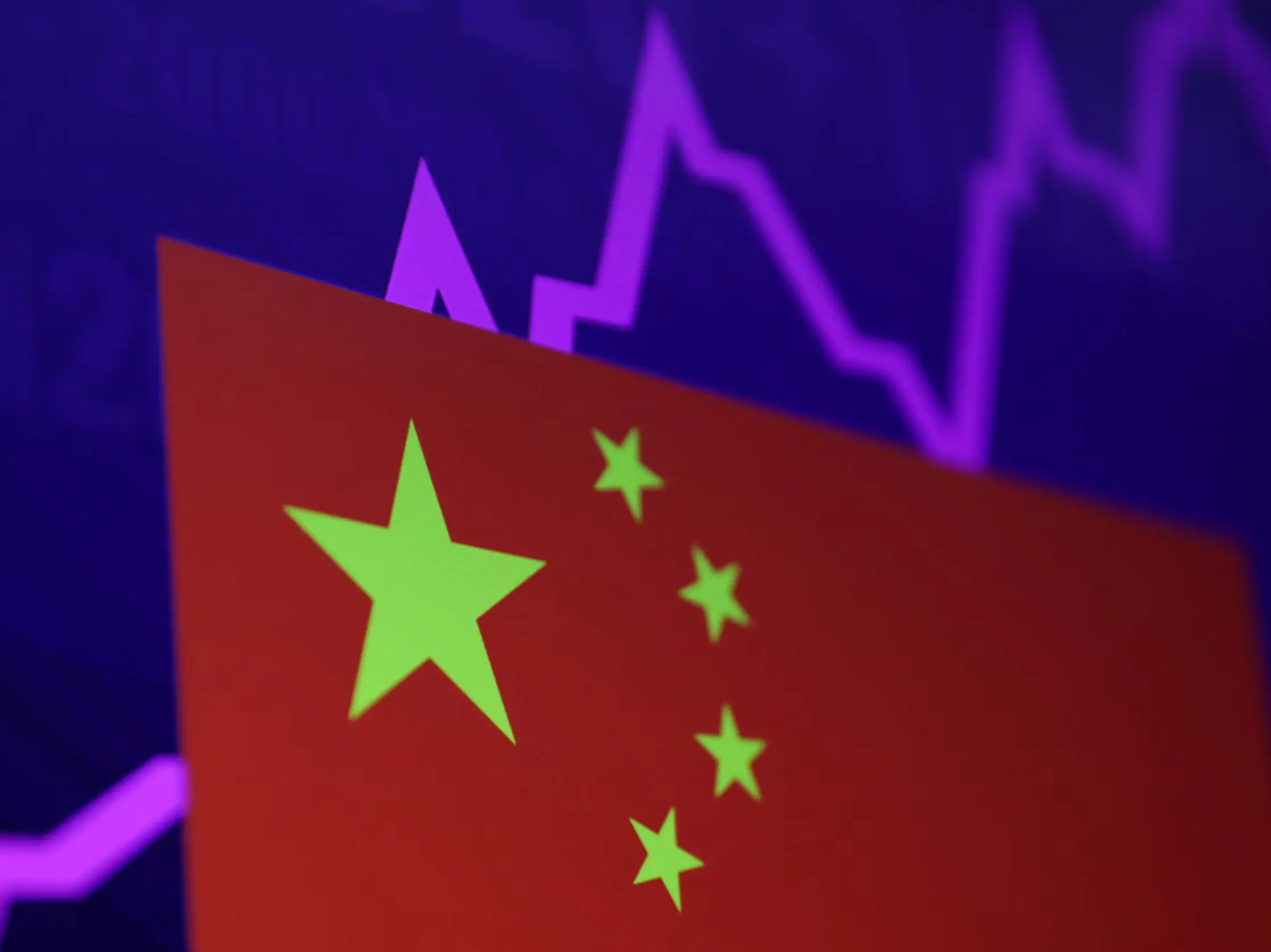
A Chinese flag and a stock graph are seen in this illustration, Reuters Photograph: (Reuters)
China has lifted its 13-month freeze on outbound investment quotas, expanding the QDII limit as yuan pressure eases and domestic markets recover.
China has expanded the amount of money its approved institutional investors can deploy in foreign markets, marking the end of a 13-month freeze on new quotas. The move is seen as a signal that Beijing is gradually easing its tight grip on capital outflows as pressure on the yuan eases and domestic investment opportunities improve.
Quota increase ends 13-month pause
According to Bloomberg, the State Administration of Foreign Exchange (SAFE) raised the foreign-exchange quota for the Qualified Domestic Institutional Investor (QDII) scheme to US$170.9 billion at the end of June, up from US$167.8 billion previously.
It is the first increase since May 2023, when authorities paused new quota allocations to stem capital flight during a period of severe downward pressure on the yuan and turmoil in China’s domestic markets.
Easing currency pressures support the move
Analysts suggest Beijing is more comfortable loosening controls now because depreciation pressure on the yuan has receded. The US dollar has weakened sharply in 2025, making outflows less of a threat to currency stability.
Trending Stories
)
)
&im=FitAndFill=(700,400))
)
)
)
)
)
&im=FitAndFill=(700,400))
)
)
)
)
)
)
)
)
)
)
&im=FitAndFill=(700,400))
)
)
)
)
)
)
)
)
)
)
)
)
)
)
)
)
)
)
)
Demand from Chinese investors for foreign assets, especially US stocks, has also cooled. The shift comes as Beijing’s stepped-up economic stimulus and a technology-driven rally in Hong Kong stocks have created fresh opportunities at home.
More headroom for global investments
The QDII programme allows qualified local institutional investors to buy overseas securities, bonds, and commodities within strict limits. The latest quota expansion gives Chinese firms greater flexibility to diversify portfolios and meet client demand for foreign assets.
According to Bloomberg data, the increase breaks down as follows:
- US$2.1 billion in new quota for securities firms and fund houses
- US$660 million for banks
- US$300 million for insurance companies
ETF premiums cool as supply rises
Demand for foreign assets has been so strong over the past two years that it pushed up prices of certain exchange-traded funds (ETFs) tracking international indices like the S&P 500.
Bloomberg reported that premiums on such ETFs averaged just 0.3 per cent on Monday, compared with a 52-week average of 1.6 per cent. Last year, premiums had spiked as high as 3 per cent, triggering trading halts and restrictions on new purchases.
The added quota is expected to help smooth these market distortions by providing more supply to meet demand.
Domestic markets show signs of revival
Investor appetite for foreign assets has eased in part because of a turnaround in local markets. A rally driven by China’s Deepseek artificial-intelligence app, combined with stronger Hong Kong equities, has drawn money back onshore.
Beijing’s economic stimulus measures have also boosted confidence in local equities, offering institutional investors more reasons to keep capital at home even as they gain new flexibility to look abroad.
(With inputs from the agencies)