
&imwidth=800&imheight=600&format=webp&quality=medium "China keeps lending rates steady as Q2 growth beats expectations")
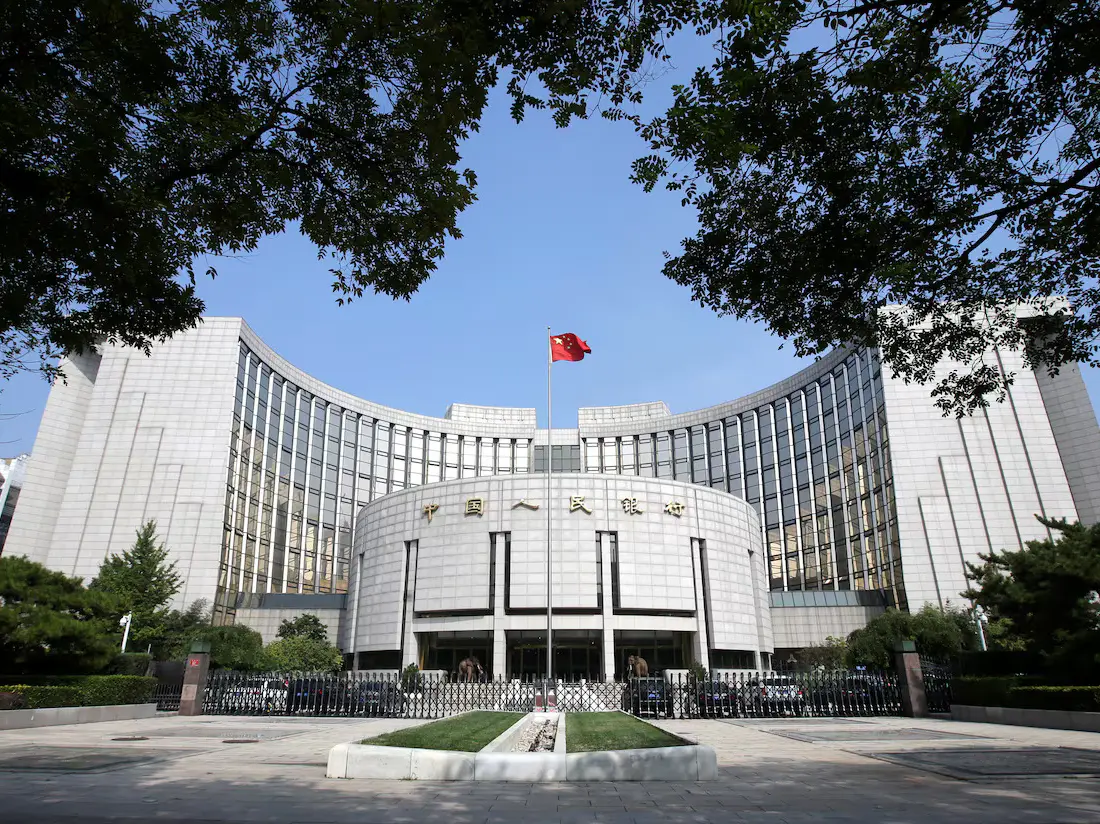
Amid the escalating global trade tension, China has kept its benchmark lending rates unchanged. Beijing's this move signals confidence in recent economic performance even as deflationary pressure and weak domestic demand continue to cloud the outlook. China's central bank's decision comes days after Beijing posted better-than-expected second-quarter GDP figures, easing immediate pressure for fresh monetary stimulus. On Monday, the People’s Bank of China (PBOC) held both key lending rates steady, with the one-year Loan Prime Rate (LPR) at 3.0 per cent and the five-year LPR at 3.5 per cent, as per a Reuters report.
The decision matched expectations. In a Reuters survey of 20 market watchers, all had forecast no change to either rate. The one-year rate acts as a reference for most household and corporate loans, while the five-year rate is closely tied to mortgage pricing.
Growth tempers urgency for stimulus

The PBOC's wait-and-watch approach follows China’s second-quarter GDP figures, which showed the economy slowed less than expected, hinting at resilience amid rising US tariffs and global trade tensions. However, the underlying message from economists is one of caution.
According to Reuters, Tommy Xie, head of Asia macro research at OCBC, noted that China’s GDP deflator has been negative for nine straight quarters, reflecting weak nominal growth. “The weak nominal growth despite above-target real growth may weigh down corporate profitability as well as income growth". Xie further added that,“We expect PBOC to lower its benchmark interest rate by another 20 basis points this year, although the room for more aggressive rate cuts may be limited given the bottleneck faced by the economy.”
Pressure builds as Deflation deepens
Trending Stories
)
US Supreme Court backs Trump administration's use of SAVE database to check voter citizenship
)
Heart of the Beast review: Brad Pitt leads a gripping tale of survival and loyalty
)
Outrage erupts after 3-year-old is married to 60-year-old man in Pakistan, link to her sister's murder being probed
)
Pakistan deploys over 20,000 security personnel as PTI vows march for Imran Khan's release
)
Asian Games: Shooting spree continues as India win silver in women’s 50m rifle 3P team event
)
‘Not just a local tragedy’: Nepal PM Shah warns UN of growing climate threat, says Nepal floods were 'a warning to the world'
)
OpenAI AI Agents hacked 4 websites before Hugging Face, researchers reveal
)
Pentagon quietly adds 37 wounded troops to Iran war tally without explaining when or how
)
Asian Games 2026: India women’s kabaddi team edge Iran 37-34 to clinch 3rd gold medal
)
Saudi Arabia still harbours intent to develop nuclear weapons, reveals US intelligence: Report
&im=FitAndFill=(700,400))
New Friday OTT releases (September 25, 2026): Don’t Be Shy, Hunkkaar: The Roar, Mango Pachcha- 6 movies and TV shows on Netflix, Prime Video and more
)
Yemen's war escalates: Saudi-backed leader calls for general mobilisation against the Houthis
)
‘Attack on Mecca a red line for Pakistan’: Shehbaz Sharif warns Houthis at UN
)
Tesla is preparing something big for Optimus: new Gen 3 models surface in app
)
Bias or safety concerns? Bengaluru CEO says firm will not hire men from UP, Bihar, Rajasthan, MP. Here's why
)
Did Hitler kill his niece Geli Raubal? Newly found records reopen a 95-year-old mystery
)
Indian diplomat Petal Gahlot raises deteriorating situation in Pakistan-occupied Kashmir in right of reply at UN
)
Nigeria Navy moves to boost oil security, tackle crude theft and infrastructure threats
)
Scientists detect first radio signals directly from faraway planet
)
‘It is all possible’: Putin weighs next steps on Ukraine talks, rules out Europe conflict
)
10,000 gather in support of 87-year-old forcefully evicted from home of 71 years
)
Trump rejects Iran's 7-day ceasefire proposal as US weighs renewed bombing after midterms: Report
)
Red Sea crisis: Houthis promise not to target European ships; UNSC condemns Saudi attacks
)
Gaza's war turned environmental damage into second crisis
)
Saudi oil exports surge despite Iran war
)
Trump-Xi summit wrap: Big pageantry, Iran talks, few major developments and more meetings planned
)
'Making history': Xi Jinping praises Trump as US-China leaders dine at White House
)
India's UN Envoy slams Pakistan: 'They claim security by day, terrorism by night'
)
Jay-Z rape case: Accuser says allegations were false, never met rapper
)
Myanmar training camp case: US national, 6 Ukrainians allowed to meet their families abroad
)
'FIRST LOOK from inside Noah’s Ark': Researchers share video from inside mysterious mound in Turkey
)
Cindy Crawford’s son Presley Gerber cremated as death probe continues
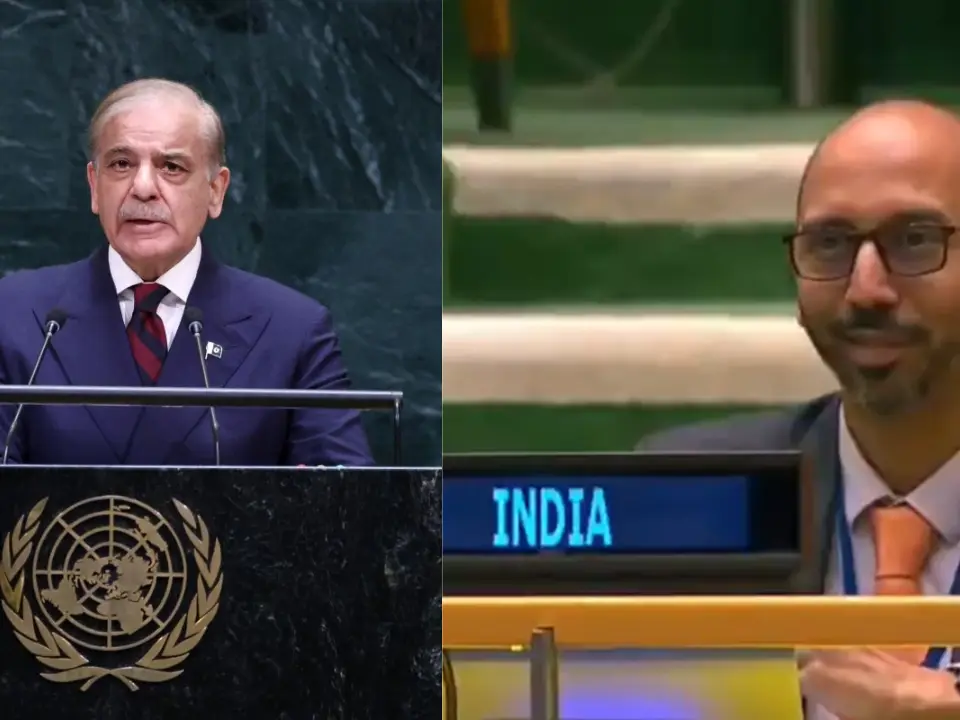)
WATCH | As Shehbaz Sharif claims Pakistan’s ‘victory’ during 2025 conflict, Indian diplomat R Srinivas laughs at UN
)
'A terrorist country is asking me that question?': Jaishankar hits back at Pakistani journalist at UN; flags attacks on commercial shipping
)
Army chief reviews operational preparedness along LoC, visits mega eye camp in Tangdhar
)
US court backs Pentagon's decision to exclude Anthropic over Claude AI restrictions
As per Reuters, June data showed producer deflation worsened to its most severe level in nearly two years, signalling persistent price weakness despite stable headline growth. This deepening deflation is raising concerns among analysts, particularly as consumer demand remains subdued.
While the central bank has refrained from cutting rates further for now, many economists believe some form of monetary easing remains likely in the second half of the year, especially if domestic conditions deteriorate or external trade risks intensify.
Markets eye Politburo meeting
All eyes have now turned to the Politburo meeting later this month, which is expected to lay out China’s economic strategy for the remainder of 2025. Analysts, including those at Goldman Sachs, say two structural factors, deflation and domestic demand weakness which are likely to dominate the discussion and shape investor strategy in Chinese markets.
By holding key lending rates steady, China’s PBOC has signalled near-term confidence in economic momentum, but persistent deflation and fragile domestic consumption suggest that rate cuts or fiscal support may still be on the table in coming months.
(With inputs from the agencies)