
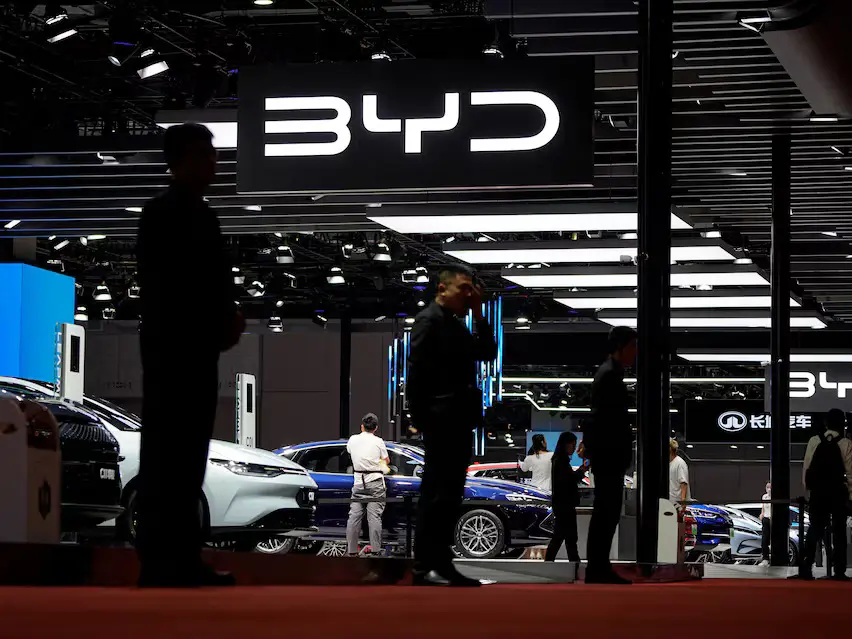
&imwidth=800&imheight=600&format=webp&quality=medium "BYD’s delivery growth stalls amid intense EV price war")
China’s largest electric vehicle (EV) maker, BYD, has reported its first monthly delivery decline of 2025, signaling a potential slowdown for the company amid an escalating price war in the EV market. The company shipped 341,030 vehicles in July, down from 377,628 in June. This marks a nearly flat year-over-year performance, which is a stark contrast to its steady growth earlier in the year. BYD's drop in deliveries follows its decision to slash prices on several hybrid and battery-only models by approximately 30 per cent in May. The move, aimed at increasing affordability, has triggered a broader price-cutting trend across the industry. However, policymakers in Beijing have expressed concern about the price war’s impact on market stability, prompting calls to halt the excessive competition.
Li Auto and Nio report declines, Xpeng and Xiaomi shine
The price war has also affected other major Chinese EV makers. Li Auto saw a significant drop in deliveries, reporting only 30,731 units in July, down 39.7 per cent year-over-year. Nio’s deliveries also fell to 21,017 units, down from 24,925 in June, reflecting a slight 2.7 per cent year-on-year decline. However, other companies have posted strong growth.

Xpeng, continuing its momentum, delivered a record 36,717 units in July, marking its ninth consecutive month with over 30,000 units sold. Xiaomi also posted notable growth, delivering over 30,000 vehicles in July, up from 25,000 in June. Both companies are seeing increased consumer demand, driven by new model launches and strong market positioning. Leapmotor, backed by Stellantis, also hit a milestone by delivering 50,129 vehicles, its highest monthly sales to date. The Harmony Intelligent Mobility Alliance, supported by Huawei, delivered 47,752 units, with the bulk of sales coming from Aito’s Wenjie series, which accounted for 40,753 cars.
BYD faces pressure as competition intensifies
BYD’s recent decline in deliveries is coupled with a dip in its stock price, falling nearly 1 per cent in China following the report. The company’s shares have dropped 15 per cent in 2025, contrasting with a 28.6 per cent rise in its US-listed shares. This underlines the pressure BYD is facing domestically, where fierce competition and falling prices are squeezing margins. Despite the challenges, BYD’s international presence remains a strong growth driver, and discussions with India’s Adani Group for a potential battery production joint venture signal that the company is looking beyond the domestic market for future expansion.
Trending Stories
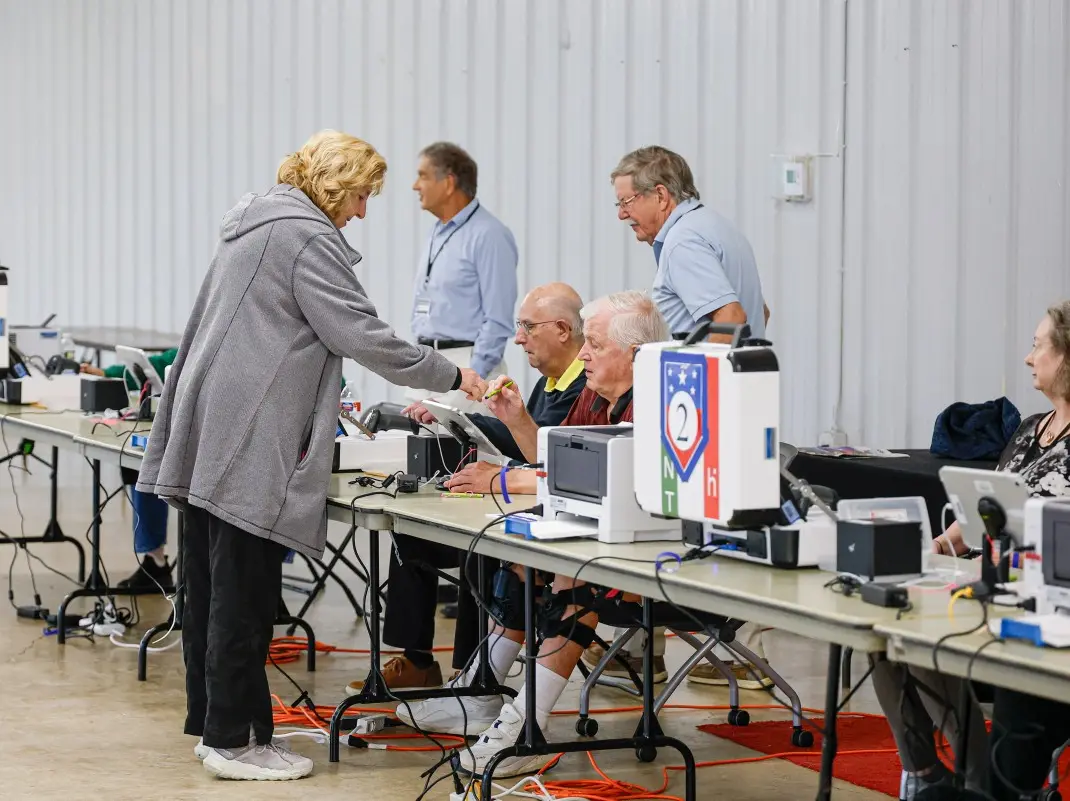)
US Supreme Court backs Trump administration's use of SAVE database to check voter citizenship
)
Exclusive | 'We always want to improve': Suruchi, Kamaljeet after winning Asian Games gold
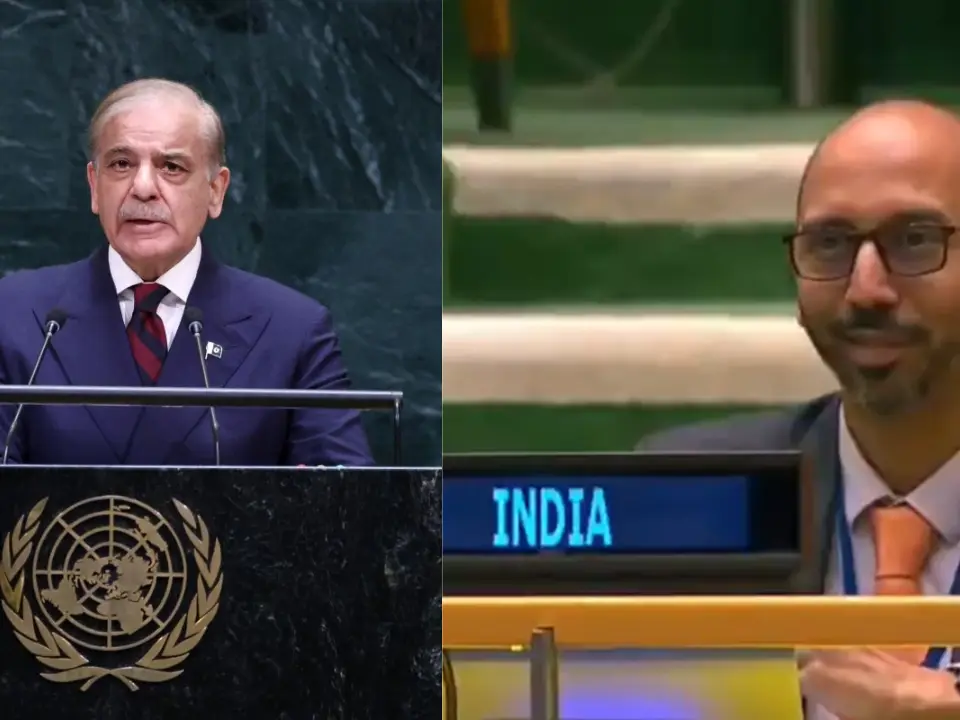)
WATCH | As Shehbaz Sharif claims Pakistan’s ‘victory’ during 2025 conflict, Indian diplomat R Srinivas laughs at UN
)
10,000 gather in support of 87-year-old forcefully evicted from home of 71 years
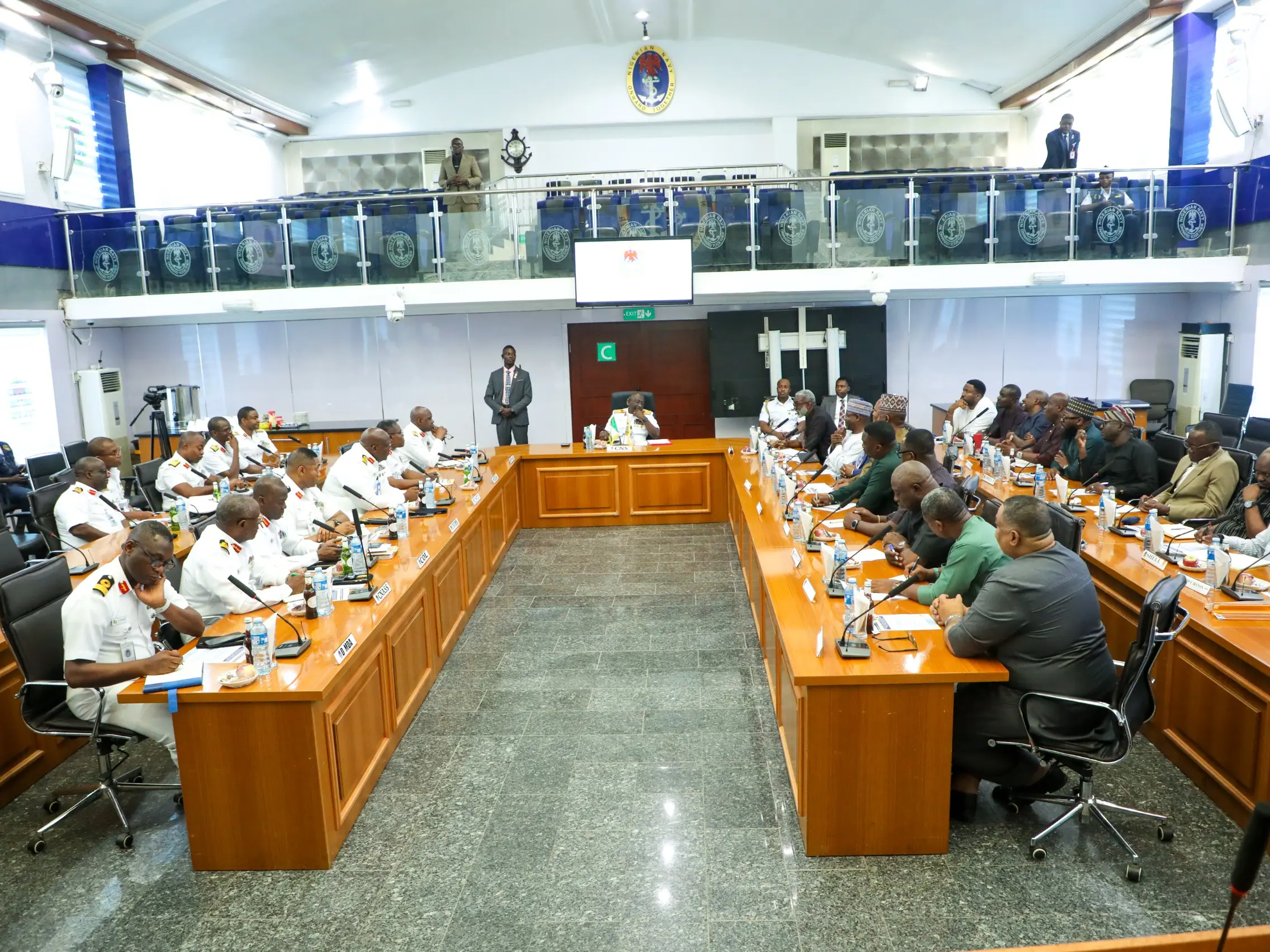)
Nigeria Navy moves to boost oil security, tackle crude theft and infrastructure threats
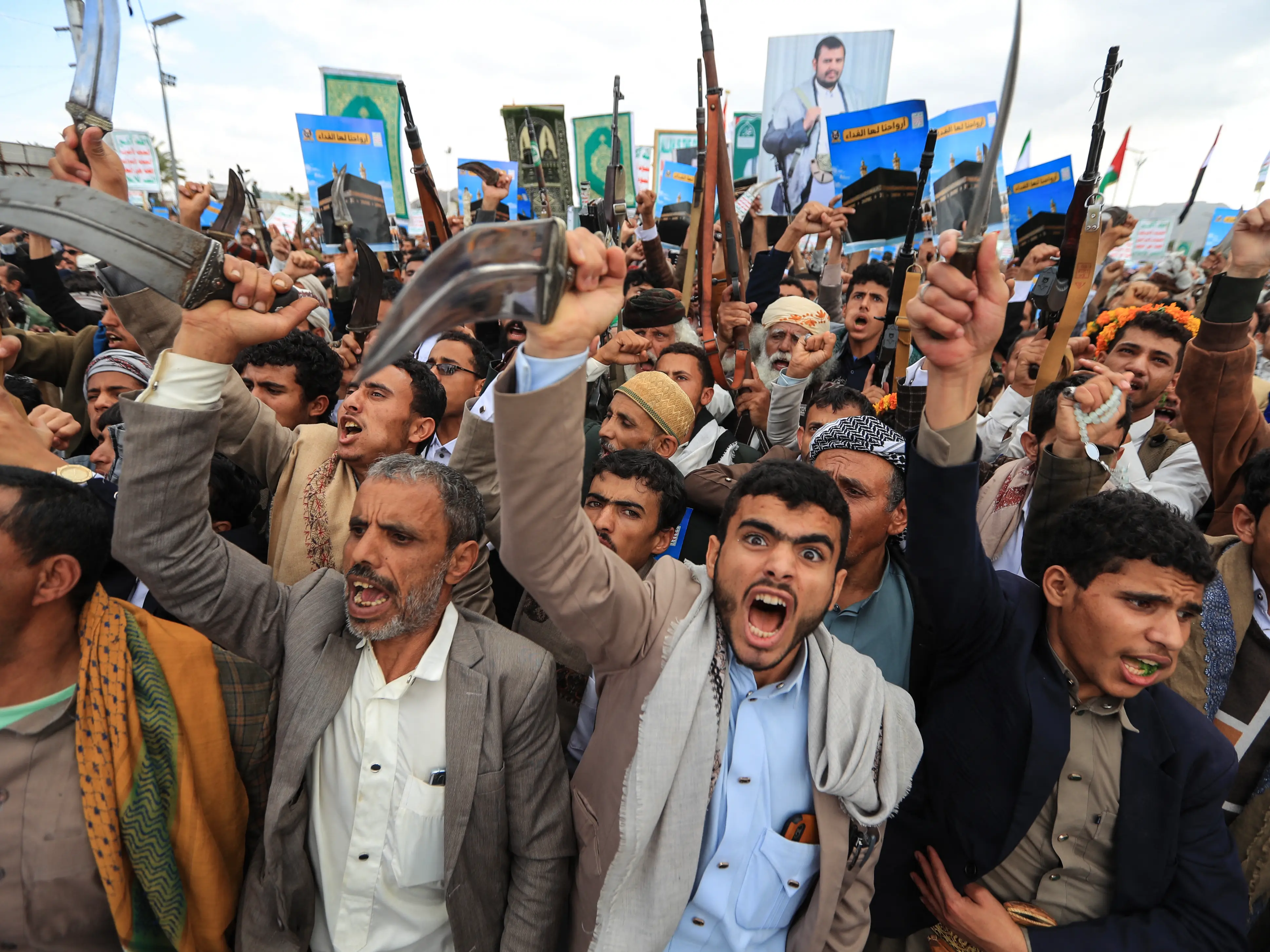)
Saudi Arabia, Turkey and Pakistan to hold urgent military talks amid intensifying Houthi attacks
)
Bollywood mourns Mushtaq Khan: Sunny Deol, Rajpal Yadav and others pay tribute
)
Army chief reviews operational preparedness along LoC, visits mega eye camp in Tangdhar
)
Pentagon quietly adds 37 wounded troops to Iran war tally without explaining when or how
&im=FitAndFill=(700,400))
New Friday OTT releases (September 25, 2026): Don’t Be Shy, Hunkkaar: The Roar, Mango Pachcha- 6 movies and TV shows on Netflix, Prime Video and more
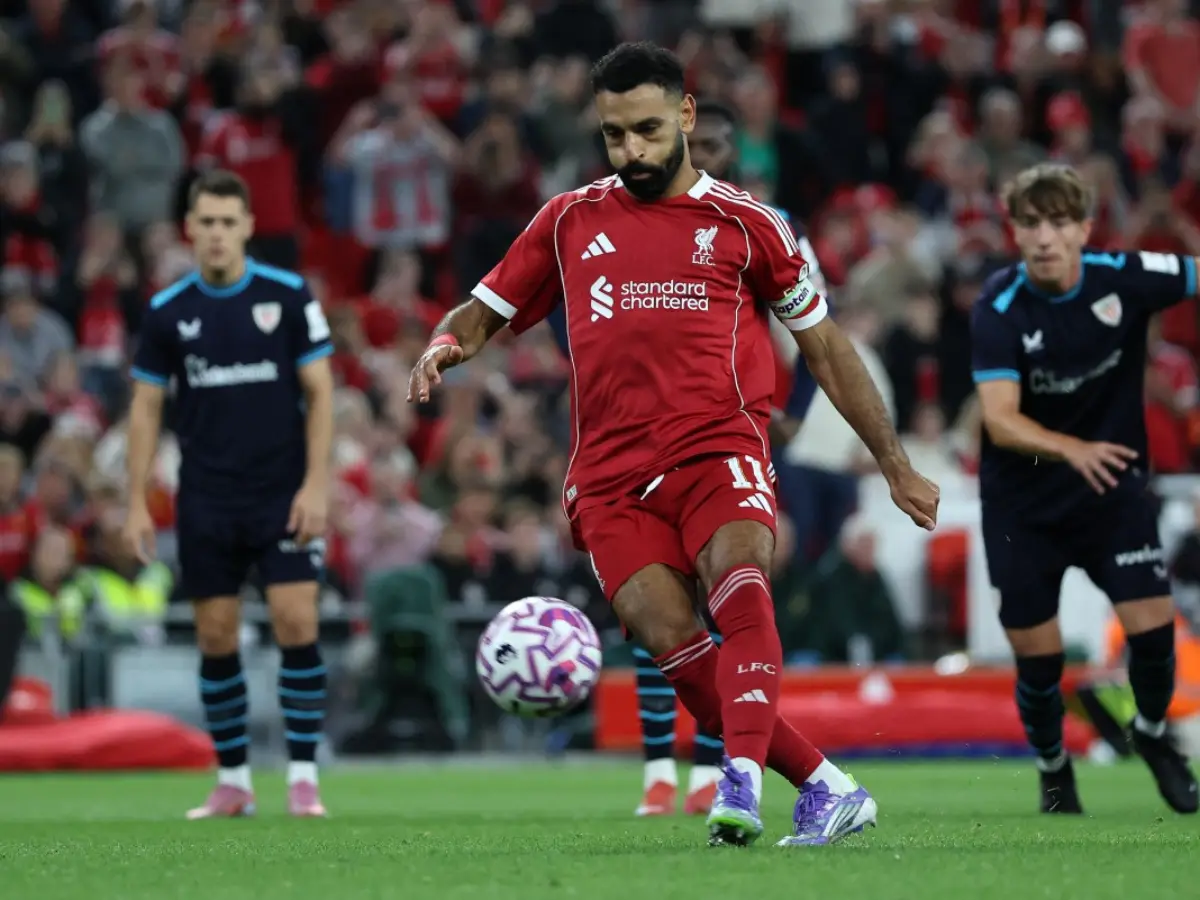)
Ex-Liverpool forward Mohamed Salah banned from driving in United Kingdom for six months
)
India-New Zealand FTA is ‘an expression of trust’, NZ High Commissioner Patrick John Rata says
)
Watch: PM Modi joins Bhajan Clubbing event in Delhi on Deendayal Upadhyaya's birth anniversary
)
Scientists detect first radio signals directly from faraway planet
)
'We do not wish to continue. It's America that must choose': Iran president Pezeshkian calls on US to end war
)
99.9% more powerful - Scientists find boy who can recall memories from just 3 months of age
)
'A terrorist country is asking me that question?': Jaishankar hits back at Pakistani journalist at UN; flags attacks on commercial shipping
)
Red Sea crisis: Houthis promise not to target European ships; UNSC condemns Saudi attacks
)
'Blockbuster' nor'easter develops an eye similar to hurricanes as warnings are issued
)
Meet Adrian Abraham: 9-year-old Indian-origin guitar prodigy aiming for a Guinness World Record
)
Myanmar training camp case: US national, 6 Ukrainians allowed to meet their families abroad
)
'Making history': Xi Jinping praises Trump as US-China leaders dine at White House
)
Bias or safety concerns? Bengaluru CEO says firm will not hire men from UP, Bihar, Rajasthan, MP. Here's why
)
‘Not just a local tragedy’: Nepal PM Shah warns UN of growing climate threat, says Nepal floods were 'a warning to the world'
)
Beijing to Washington! Ivanka Trump makes a style statement in Chinese designer Guo Pei for President Xi Jinping’s White House welcome
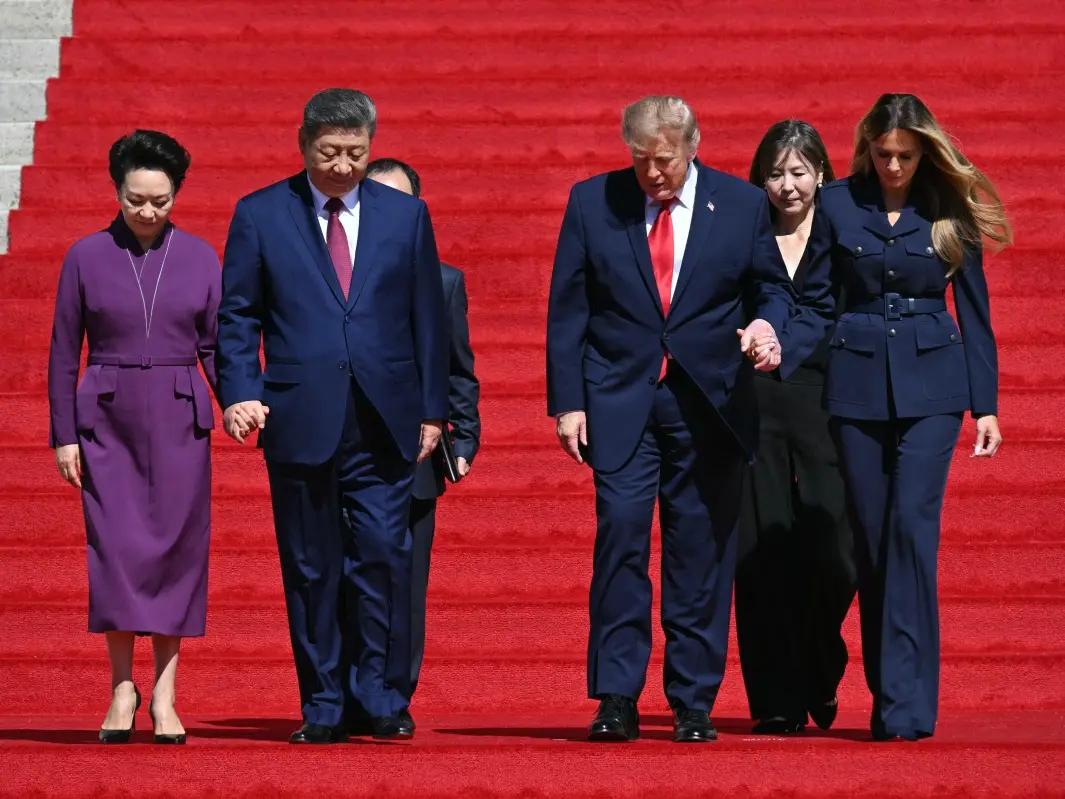)
Trump-Xi summit wrap: Big pageantry, Iran talks, few major developments and more meetings planned
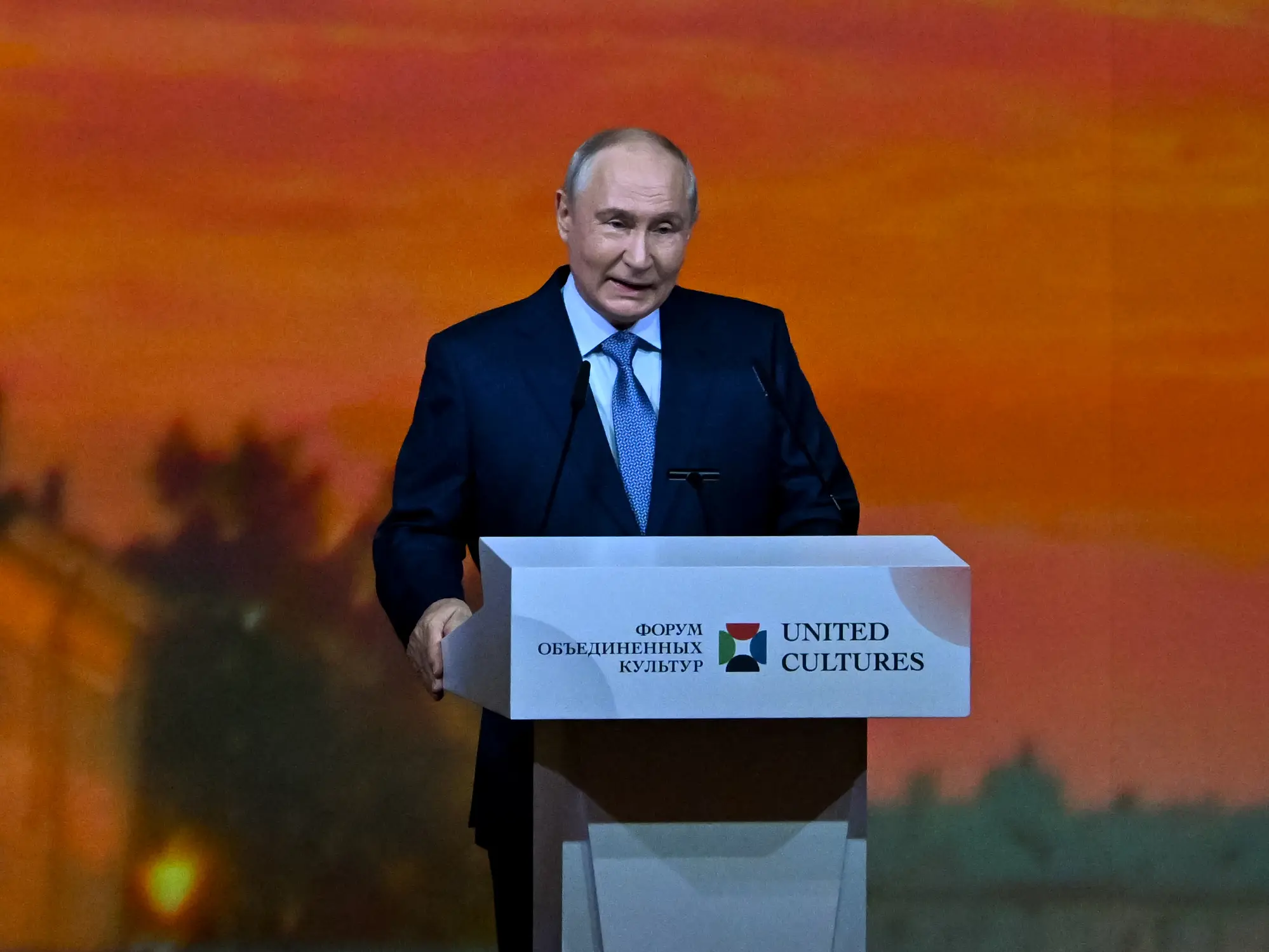)
‘It is all possible’: Putin weighs next steps on Ukraine talks, rules out Europe conflict
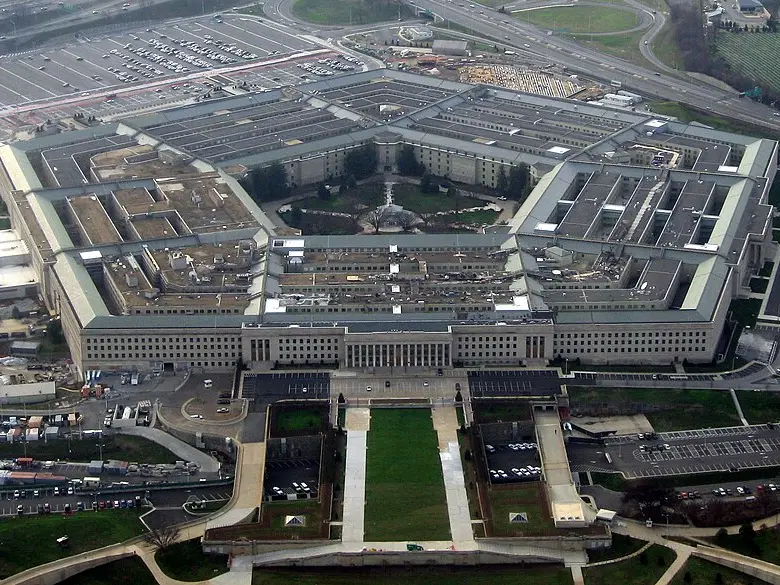)
US court backs Pentagon's decision to exclude Anthropic over Claude AI restrictions
)
'FIRST LOOK from inside Noah’s Ark': Researchers share video from inside mysterious mound in Turkey
&im=FitAndFill=(700,400))
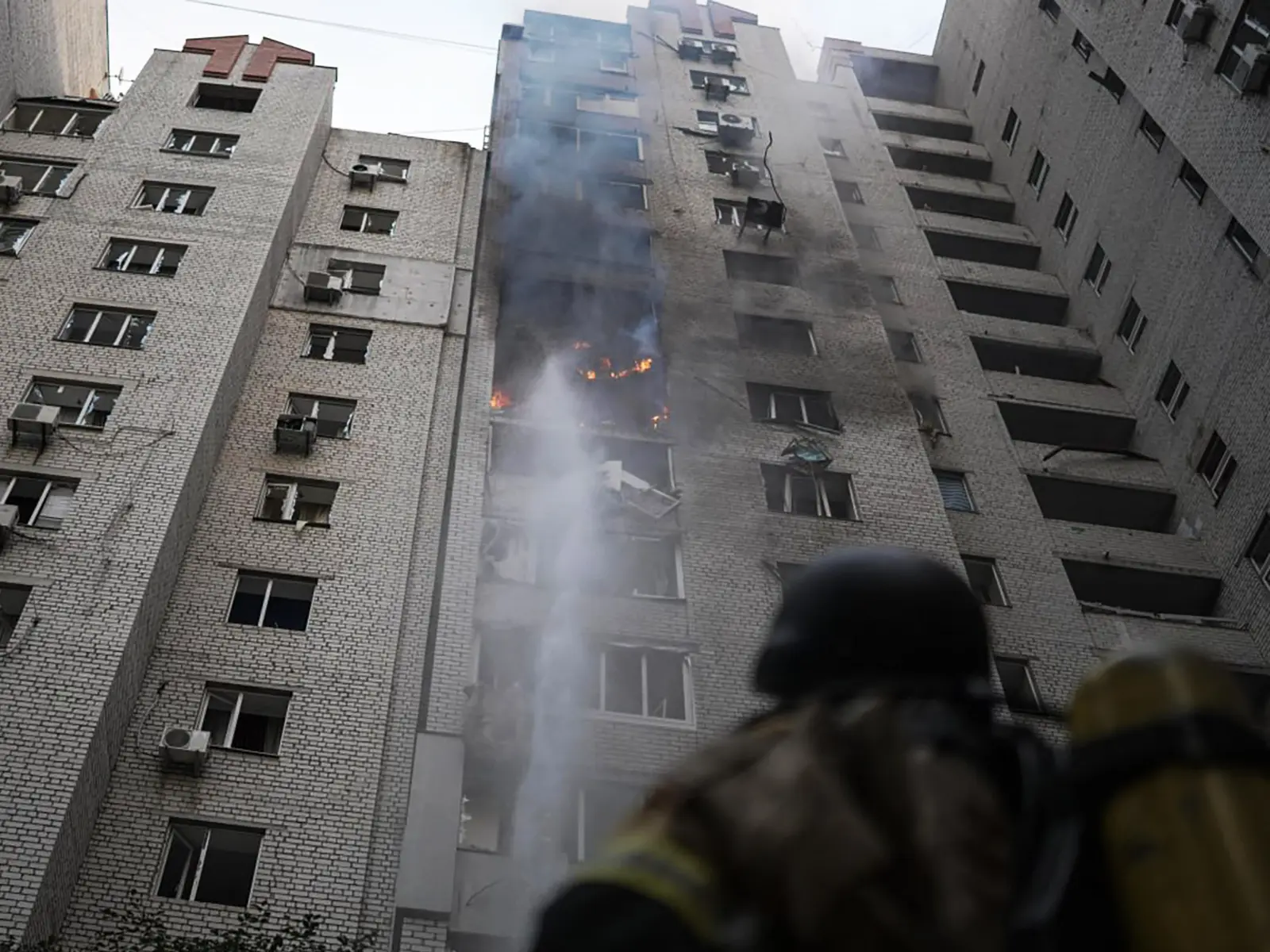
‘Absolutely savage, sickening’: Zelensky slams Russia as daytime strikes kill 5 in Kyiv
)
'What kind of confession is this?': Pakistan PM Shehbaz Sharif’s 'terrorists would be roaming New York' remark goes viral, raises alarm online. Watch
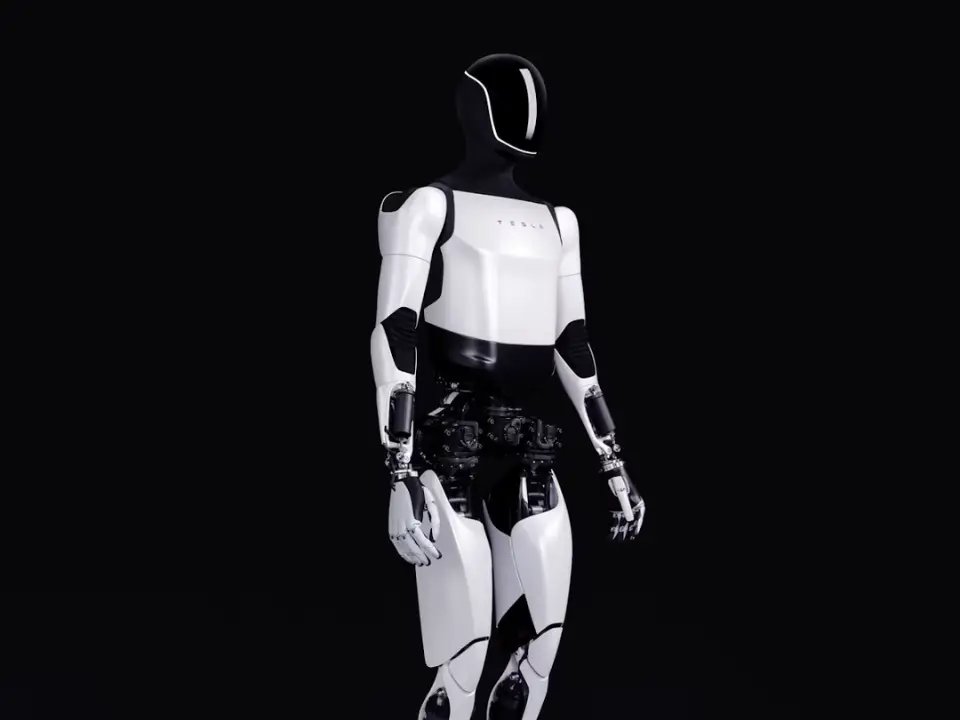)
Tesla is preparing something big for Optimus: new Gen 3 models surface in app
)
Outrage erupts after 3-year-old is married to 60-year-old man in Pakistan, link to her sister's murder being probed
)
OpenAI AI Agents hacked 4 websites before Hugging Face, researchers reveal
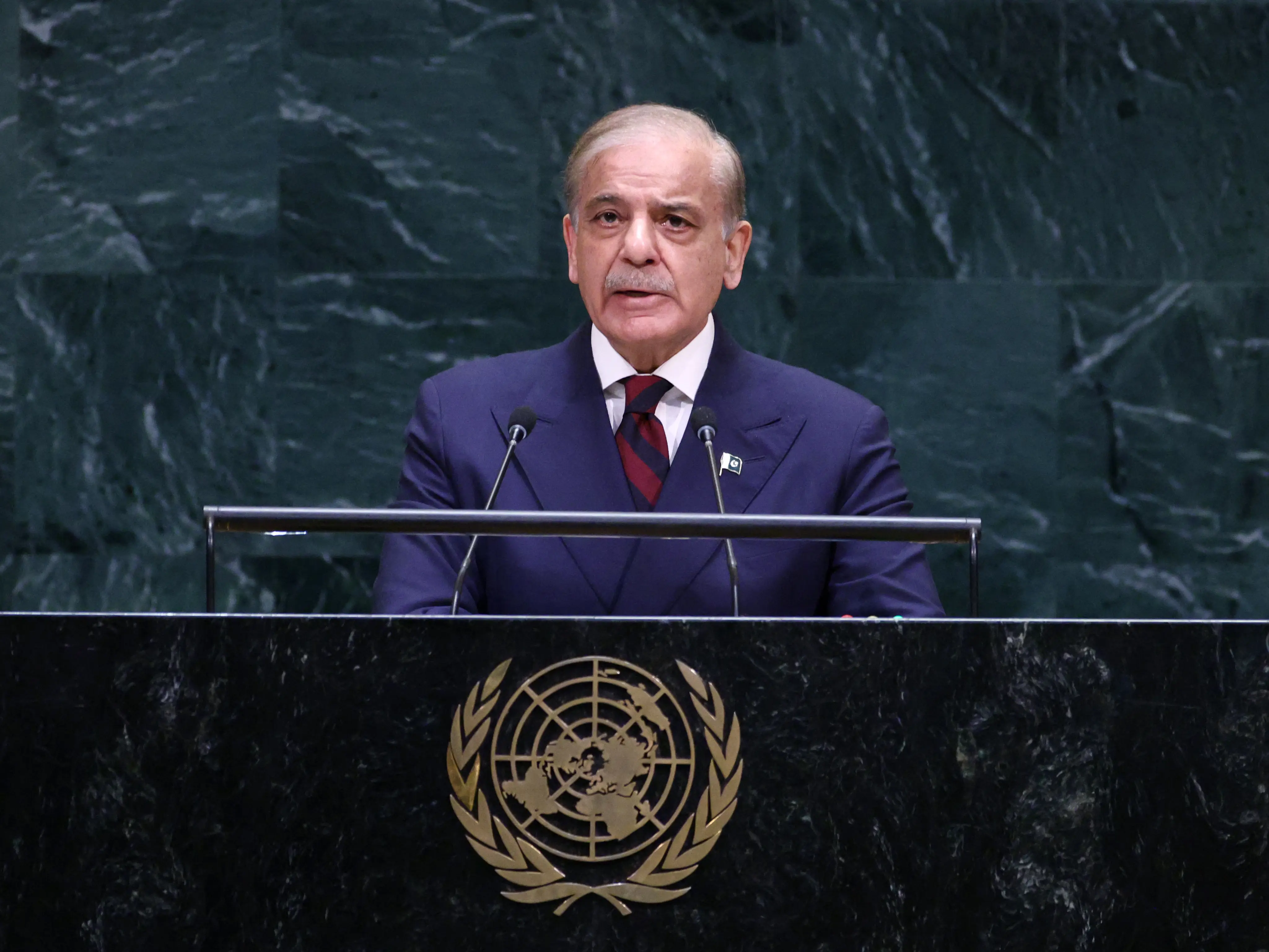)
‘Attack on Mecca a red line for Pakistan’: Shehbaz Sharif warns Houthis at UN