Business travel emissions plummet as companies embrace sustainable practices


Travelers walk through Terminal 3 at O'Hare Airport before the busy Thanksgiving Day weekend in Chicago
A recent analysis reveals that almost half of 217 global firms have significantly reduced their business travel carbon emissions by a minimum of 50 per cent between 2019 and 2022.
According to Reuters, the data, published on Monday, highlights a shift in corporate behaviour as many businesses continue to curtail air travel in favour of more sustainable alternatives. Major companies such as SAP, PwC, and Lloyd's Banking Group stand out for slashing corporate air travel emissions by over 75 per cent, signalling a concerted effort to prioritise environmental concerns.
Despite the global rebound from the pandemic, business travel has lagged behind leisure flights in its recovery. A multitude of corporations, including tech giant SAP, accounting firm PwC, and Lloyd's Banking Group, have actively embraced sustainable practices, reducing their carbon footprint through a significant reduction in air travel.

The Travel Smart Emissions Tracker analysis suggests that this trend aligns with the goals set by advocacy group Transport and Environment, which advocates for a 50 per cent reduction in business travel from pre-COVID levels to cap global warming at 1.5 degrees Celsius.
Reuters cited Denise Auclair, the Travel Smart campaign manager, who emphasised the importance of collaborative efforts to further reduce emissions, stating, "The way forward is collaboration with more online meetings, more travel by train and less by plane."
The study, however, identifies 21 companies that surpassed their 2019 flying levels, with L3Harris, Boston Scientific, and Marriott International witnessing a carbon emissions increase of more than 69 per cent.
)
Trump bans CNN, MS NOW and Politico from White House over ‘FAKE NEWS’
)
Ukraine plans record $109 bn defence spending, nearly two thirds of budget amid Russia war
)
Hong Kong extends newborn cash support scheme by three years
&im=FitAndFill=(700,400))
Meet top 5 batters in the latest ICC T20I Rankings
)
Fast bowler Brydon Carse faces no charges over Derby nightclub incident
)
'He will always be ahead': India coach Gambhir says Sooryavanshi won't walk into team ahead of Samson
)
Trump 2.0: Dark days ahead for America’s ‘imperial presidency’
)
'Gangsta' crab shoves knife blade at man and his dog in Florida - Watch
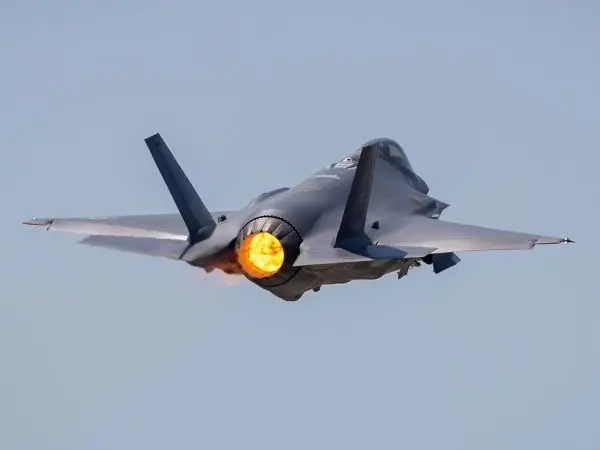)
China may have gained access to US's classified F-35 jets; parts meant for repairs diverted to Hong Kong, sparking Pentagon inquiry
)
Former India player Diana Edulji wants Smriti Mandhana to replace Harman as skipper at the earliest
)
Shivakumar attends 79th Kalyana Karnataka Utsav in Kalaburagi
&im=FitAndFill=(700,400))
From Abhishek Sharma to Sahil Chauhan, 5 batters with fastest T20I hundreds
)
Why Ranveer Singh’s Dhurandhar missed India’s Oscar entry; FFI jury member reveals what happened
&im=FitAndFill=(700,400))
Meet top 5 Indian batters with fastest T20I centuries
)
Trump's Greenland dream comes true? POTUS announces 'Infinite Life' deal with Denmark, claims permanent US control
)
Trump signs Russia sanctions law: India faces fresh 100% tariff threat over Russian oil
)
Godfather of AI Geoffrey Hinton gives US lawmakers a one-year warning on AI
)
Three labourers killed as DU student loses control of his car, rams into them on Dwarka Expressway
)
Trump signs Russia sanctions bill into law, targets Moscow’s energy sector
&im=FitAndFill=(700,400))
New Friday OTT releases (September 18, 2026): Lust Stories 3, You+Me, Best of the Best- 8 new titles coming on Netflix, Prime Video and more
)
India seeks to build a full semiconductor supply chain
)
Africa is splitting, and a lot sooner than estimated, giving way to a new ocean
)
The Verdict | When precision fails: US commits war crime in Minab school strike, UN finds
)
Who is Khalilur Rahman? All you need to know about 81st UN General Assembly President
)
FACT CHECK: Why did PM Modi ask Xi ‘is it okay’ at BRICS Summit? New video reveals...
)
Indian activist-lawyer Prashant Bhushan's post brings focus on ‘conflict of interest’ appointments of ex-govt officials at Reliance, Adani groups
)
‘Will go to any extent’: Pakistan vows to defend Saudi Arabia amid Houthi attacks
&im=FitAndFill=(700,400))
Meet top 5 bowlers in latest ICC T20I rankings
)
Drone strikes cooling tower at Russia's Kursk Nuclear Plant, IAEA confirms
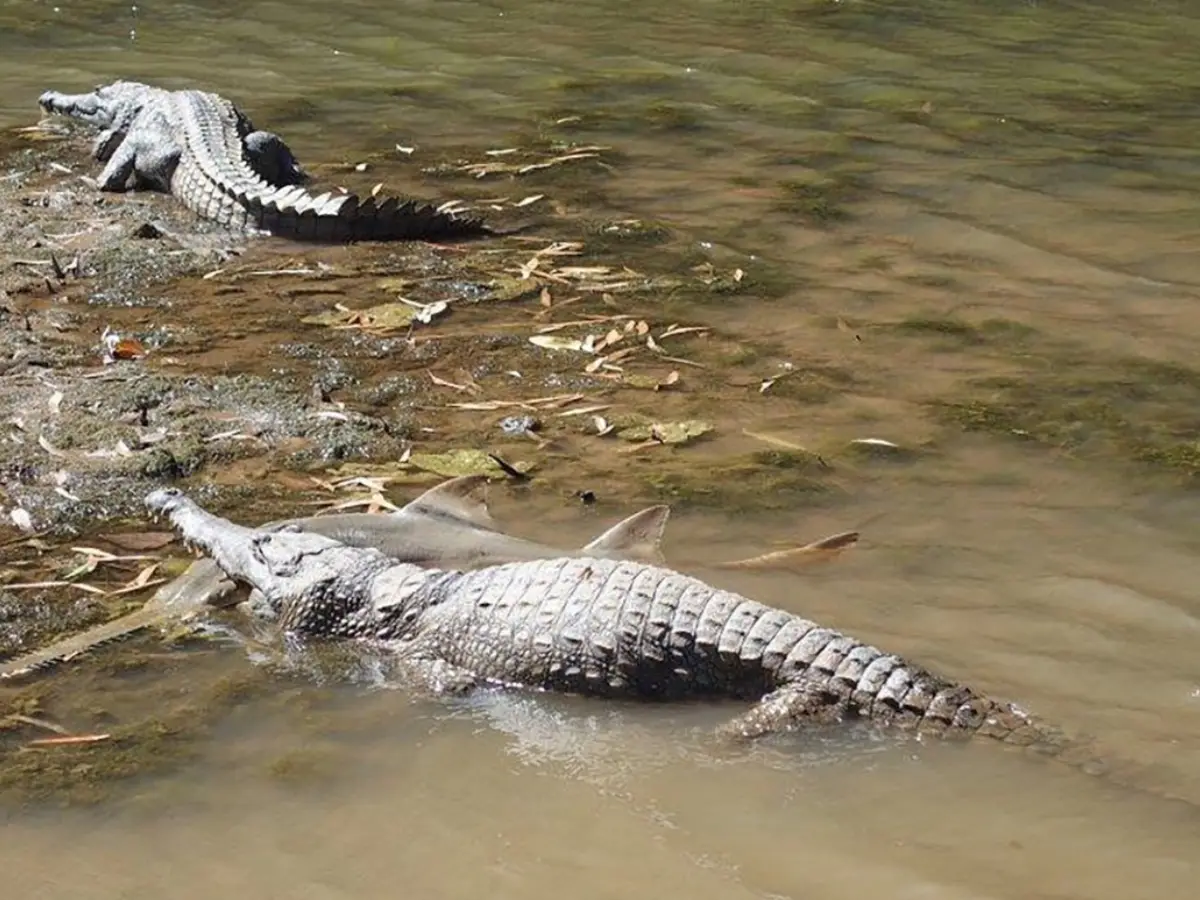)
How did an Australian river with 500 crocodiles pass the Olympic test? Here's how
)
Laura Wolvaardt sets new world record for most WT20I runs in a year
)
US And Denmark reach Greenland deal, Trump announces expanded military presence
)
US F-16 fighter jet crashes in Michigan during training mission, pilot ejects safely
)
Pentagon revives mandatory testosterone testing for male troops aged 30 and above
While the decline in corporate travel is a positive environmental development, concerns are raised about potential impacts on corporate relationships. Airlines remain anxious about the decline in business travel, bearing in mind its importance to their revenue and economic growth.
Despite this, post-pandemic consumer demand for flying has alleviated some fears, indicating that the aviation industry may find ways to adapt to the evolving landscape.
A joint survey by American Express Global Business Travel (Amex GBT) and the Harvard Business Review, released in September, reported that 84 per cent of businesses believe in-person trips still bring "tangible business value."
This sentiment underscores the ongoing debate within the business community about the necessity and efficacy of in-person meetings versus virtual alternatives. Before the pandemic, business trips accounted for as much as half of passenger revenue at US airlines, illustrating the significant impact on the aviation industry.
In response to the shift, European airlines, such as Air France, are adjusting strategies to cater to the changing dynamics, with a focus on selling more premium trips to leisure travellers to compensate for the decline in business travel.
(With inputs from Reuters)
WATCH WION LIVE HERE