Berkshire Hathaway becomes first US non-tech firm to hit $1 trillion market cap


Berkshire Hathaway logo is displayed on a screen on the floor of the New York Stock Exchange (NYSE)
Berkshire Hathaway, the Omaha-based conglomerate led by Warren Buffett, has achieved a significant milestone by becoming the first non-technology company in the United States to reach a $1 trillion market capitalization. This achievement comes just days before Buffett, often referred to as the "Oracle of Omaha," celebrates his 94th birthday as detailed by CNBC in a report.
The company's stock surged by 0.8 per cent on Wednesday, closing at $696,502.02 per share, which pushed its market value past the $1 trillion mark. This impressive rise adds to Berkshire's 28 per cent gain in 2024, outpacing the S&P 500's 18 per cent growth. The milestone underscores the strength and resilience of Berkshire Hathaway's diverse business portfolio, which includes insurance giant Geico, BNSF Railway, and Dairy Queen.
Cathy Seifert, an analyst at CFRA Research, highlighted the significance of this achievement in a conversation with CNBC. "This is a testament to the firm's financial strength and franchise value," she said. Unlike other members of the trillion-dollar club such as Apple, Microsoft, and Amazon, Berkshire Hathaway is distinguished by its focus on traditional, old-economy businesses.

Buffett, who took control of the struggling textile company in the 1960s, has since transformed it into a sprawling empire that spans industries including insurance, railroads, retail, manufacturing, and energy. Despite its diverse portfolio, Berkshire Hathaway has maintained a solid balance sheet and significant cash reserves, often referred to as a "cash fortress."
Andrew Kligerman, an analyst at TD Cowen, praised Buffett and his management team for their success in navigating a conglomerate structure in an era where specialization is more common. "It's a tribute to Mr. Buffett and his management team, as 'old economy' businesses are what built Berkshire. Yet, these businesses trade at relatively much lower valuations versus tech companies, which are not a major part of Berkshire's business mix," Kligerman noted.
Greg Abel is named as Buffett's successor
Greg Abel, the vice chairman of Berkshire's non-insurance operations, has been named Buffett's successor. Abel, who is 62, is expected to take over decision-making responsibilities when Buffett steps down. At the company's annual meeting earlier this year, Buffett assured shareholders that Abel would have the final say on investment decisions.
)
Why asking questions could be more important than memorising answers
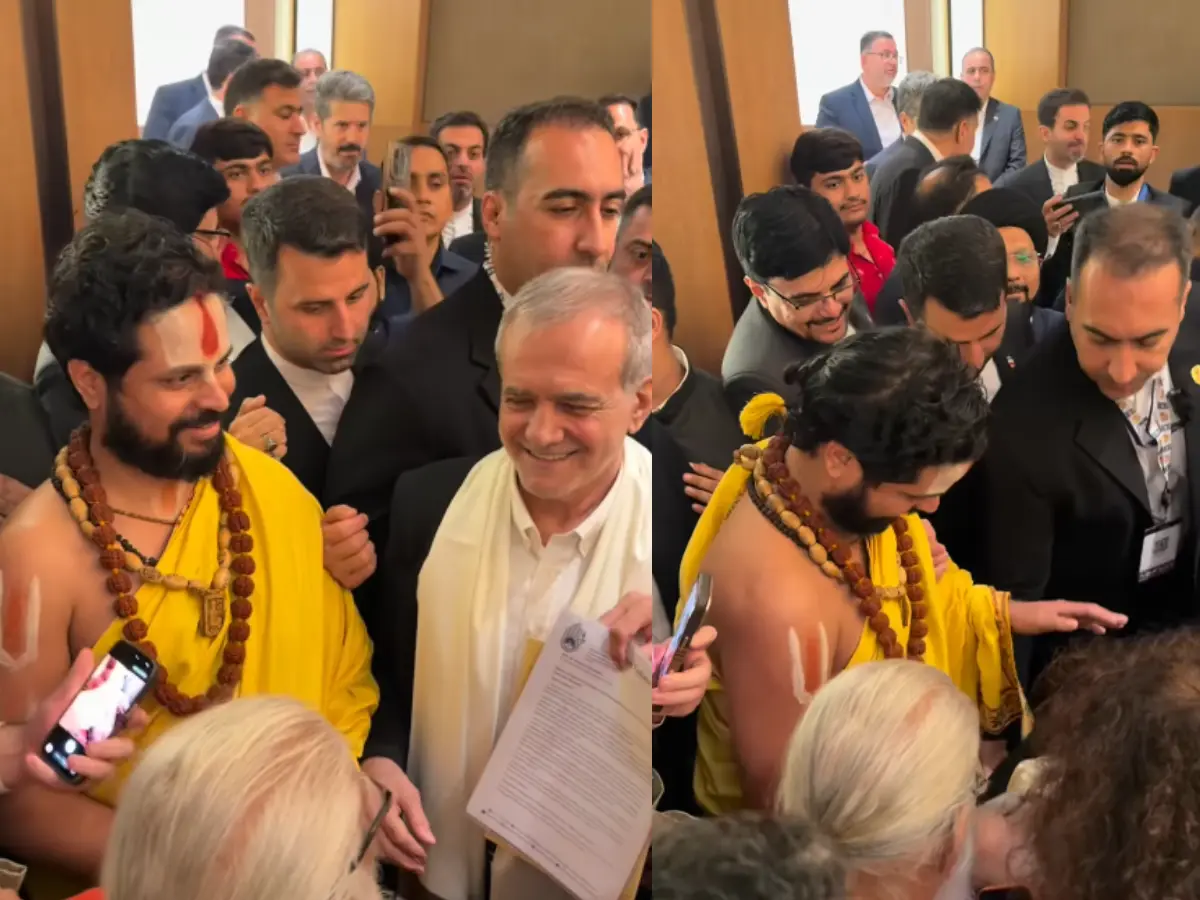)
Did Iran President Pezeshkian touch feet of Hindu spiritual leader at Delhi event as shown in viral video?
&im=FitAndFill=(700,400))
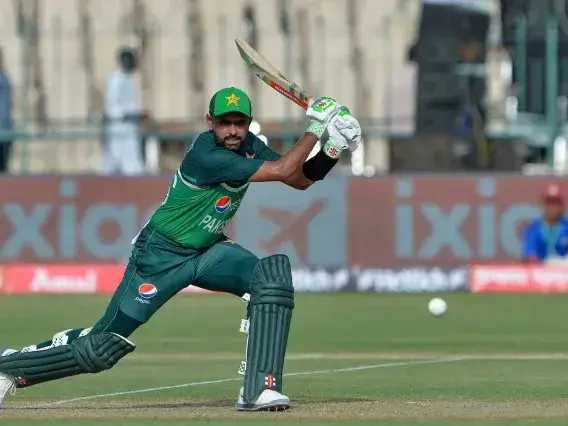
Meet top 5 batters fastest to 3000 runs in T20Is
)
BRICS Summit 2026: PM Modi addresses Day 2 of 18th BRICS summit
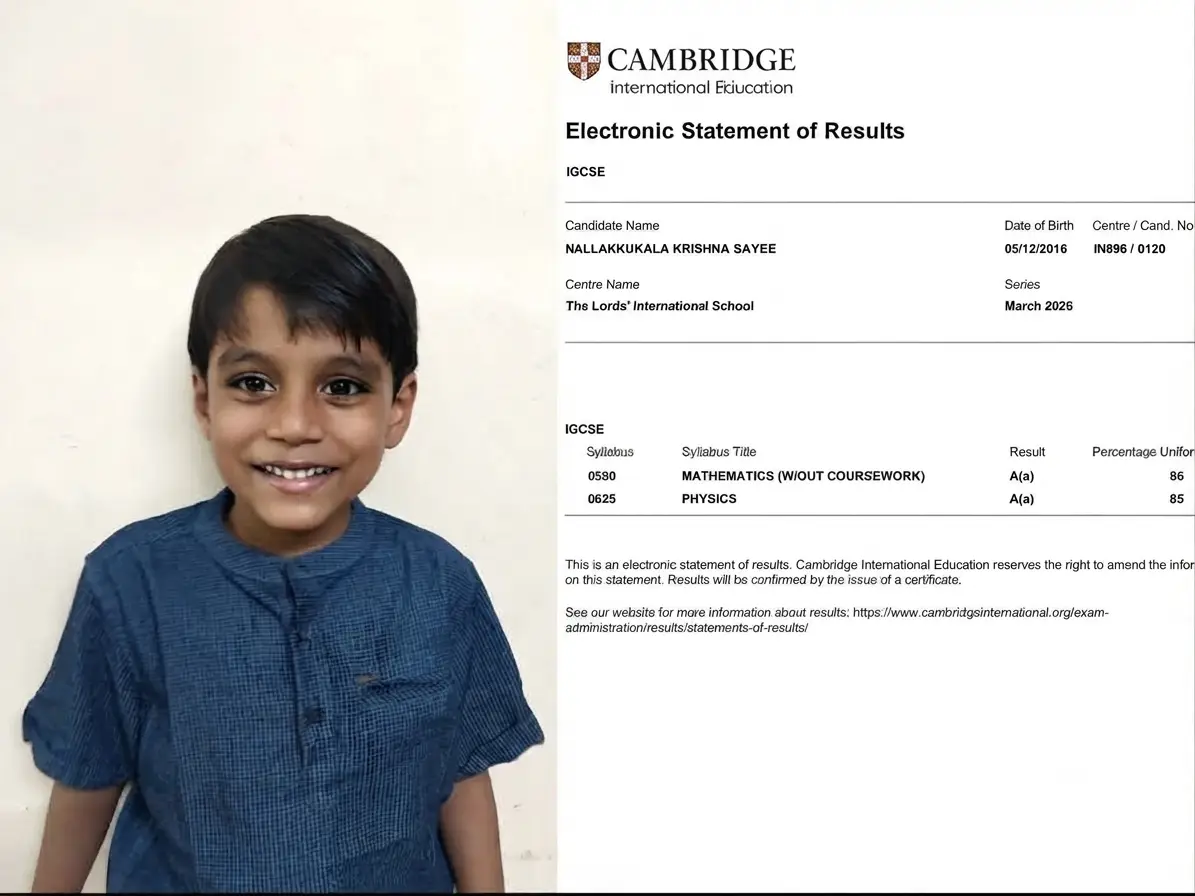)
9-year-old Chennai prodigy clears Cambridge IGCSE grade 10 exams
)
PM Modi and China's Xi offered to help resolve Russia-Ukraine war: Kremlin
)
BRICS Summit 2026: Consensus on joint declaration, diplomatic win for India
)
Why does your skin need protection from UV rays?
&im=FitAndFill=(700,400))
Why do air defence missiles explode near their target instead of hitting it?
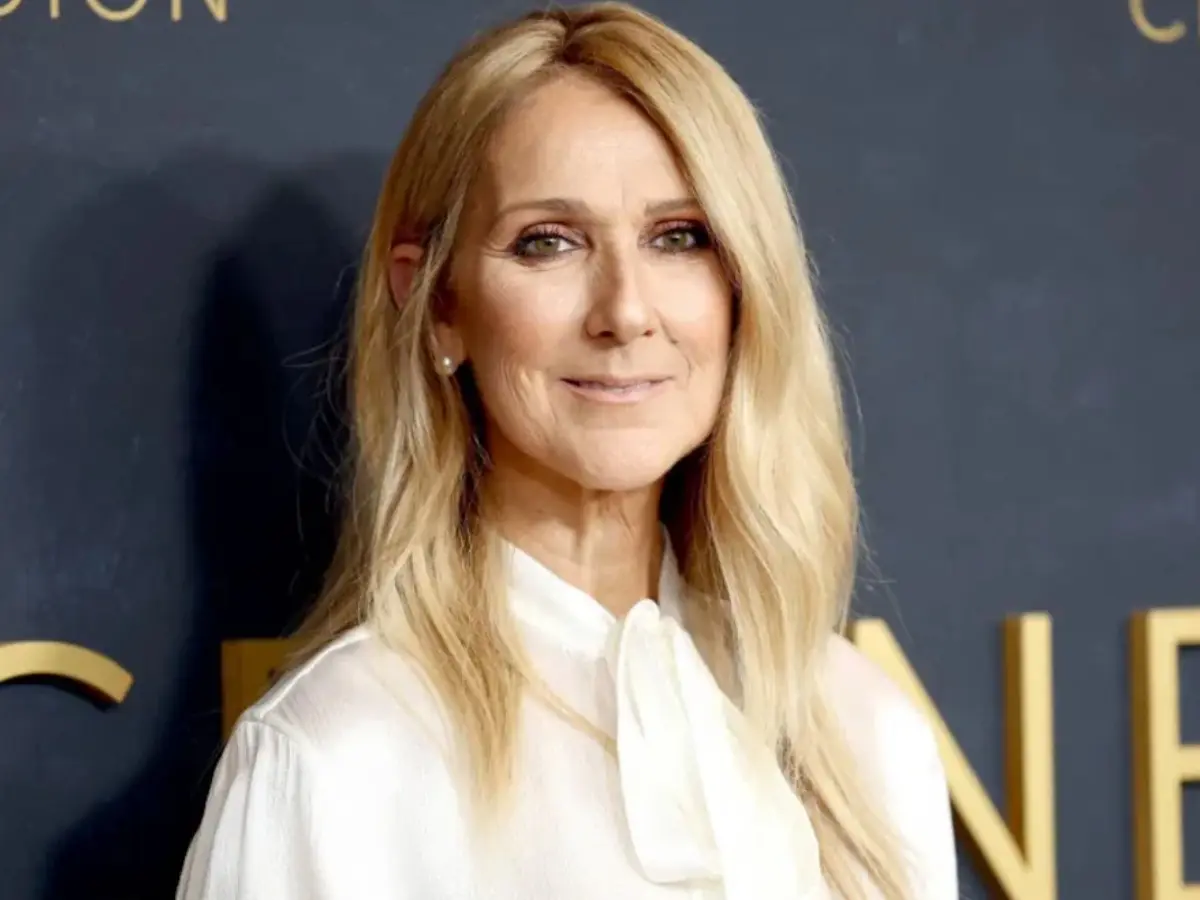)
Celine Dion makes emotional stage comeback after six years: 'I'm so delighted to see you'
)
War is making Russia stronger? How Ukraine is shaping Moscow’s next generation of weapons
)
Could staying indoors all day affect your health?
)
BRICS Summit day 1: New Delhi declaration adopted with full consensus, big diplomatic win for India
)
Why do wild animals need quiet places to survive?
)
BRICS Summit 2026: Chinese president Xi Jinping departs from New Delhi after attending BRICS summit
)
Russian drone hits Warsaw-bound train near Polish border, Zelensky accuses Moscow of ‘deliberate’ targeting
)
'Iran won't surrender': Pezeshkian sends blunt message to US while attending BRICS Summit in India
)
BRICS Summit 2026: PM Modi to hold bilateral with leaders of seven countries
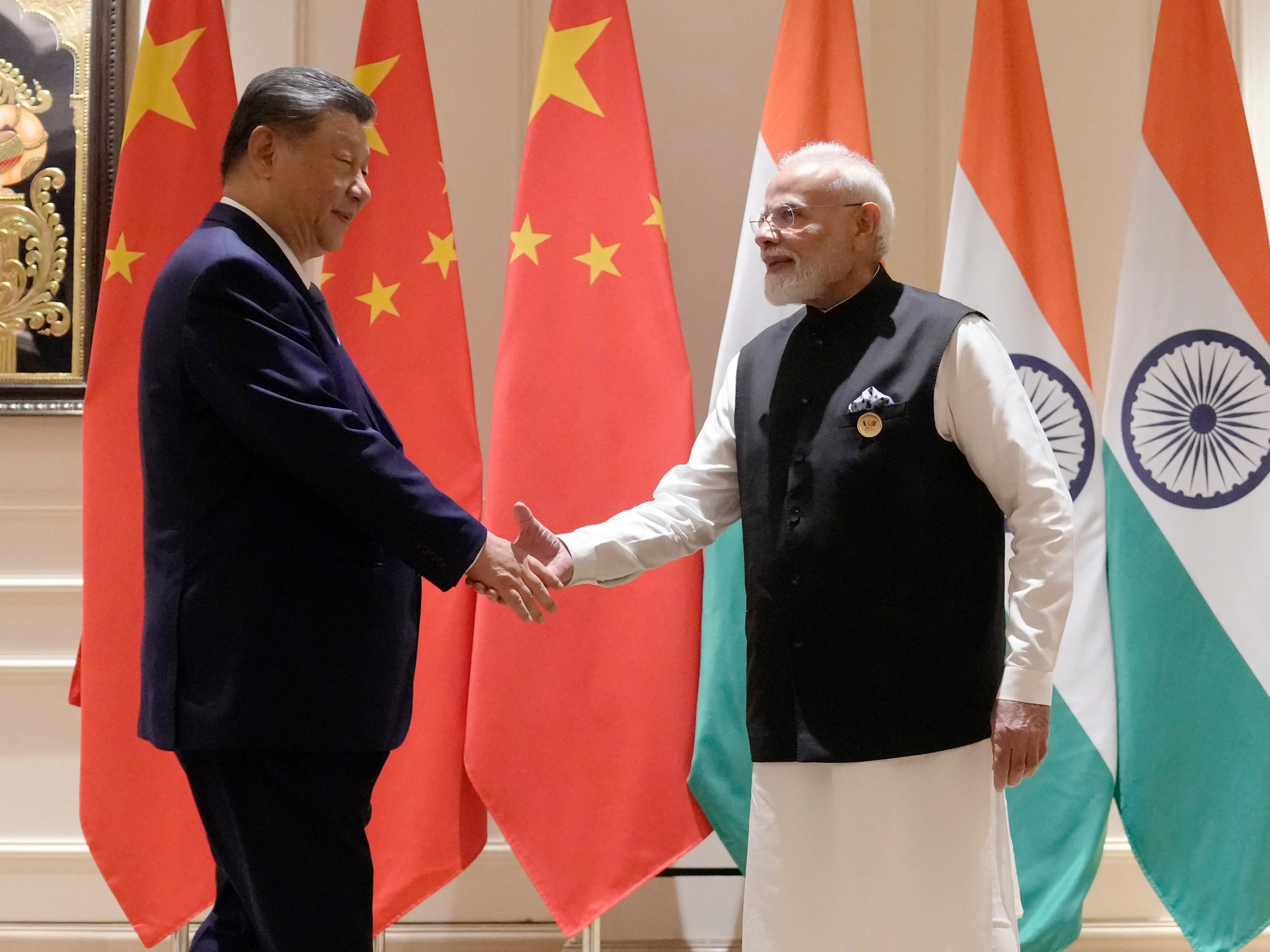)
‘Partners, not rivals’: Xi outlines four point plan for stronger India-China ties
&im=FitAndFill=(700,400))
Why Chinese PL-15 air-to-air missiles use dual-pulse motors compared to European interceptors
)
Why does your body need time to adjust after a long journey?
)
Why going digital does not always mean becoming more efficient
)
'He is popular...': Malaysian PM Anwar Ibrahim's praise for PM Modi during bilateral meeting | WATCH
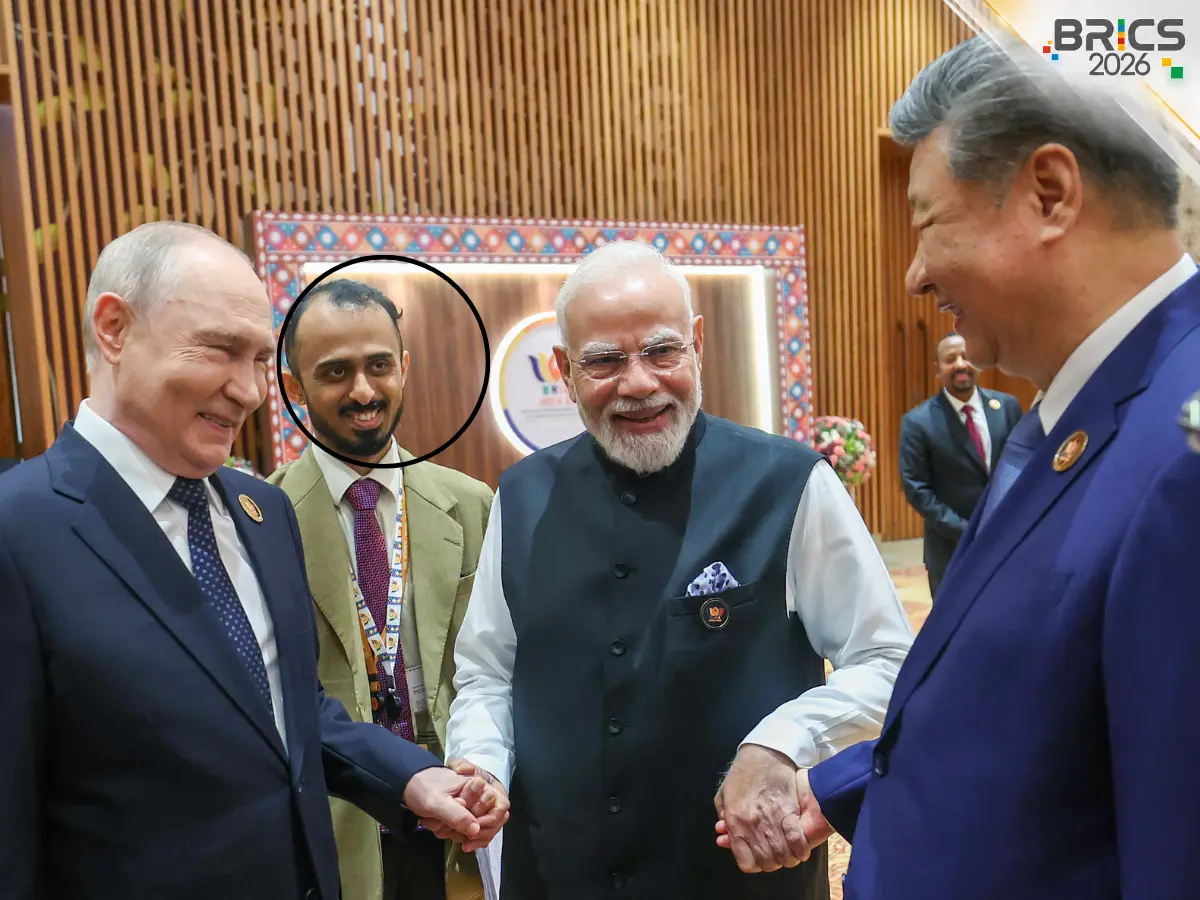)
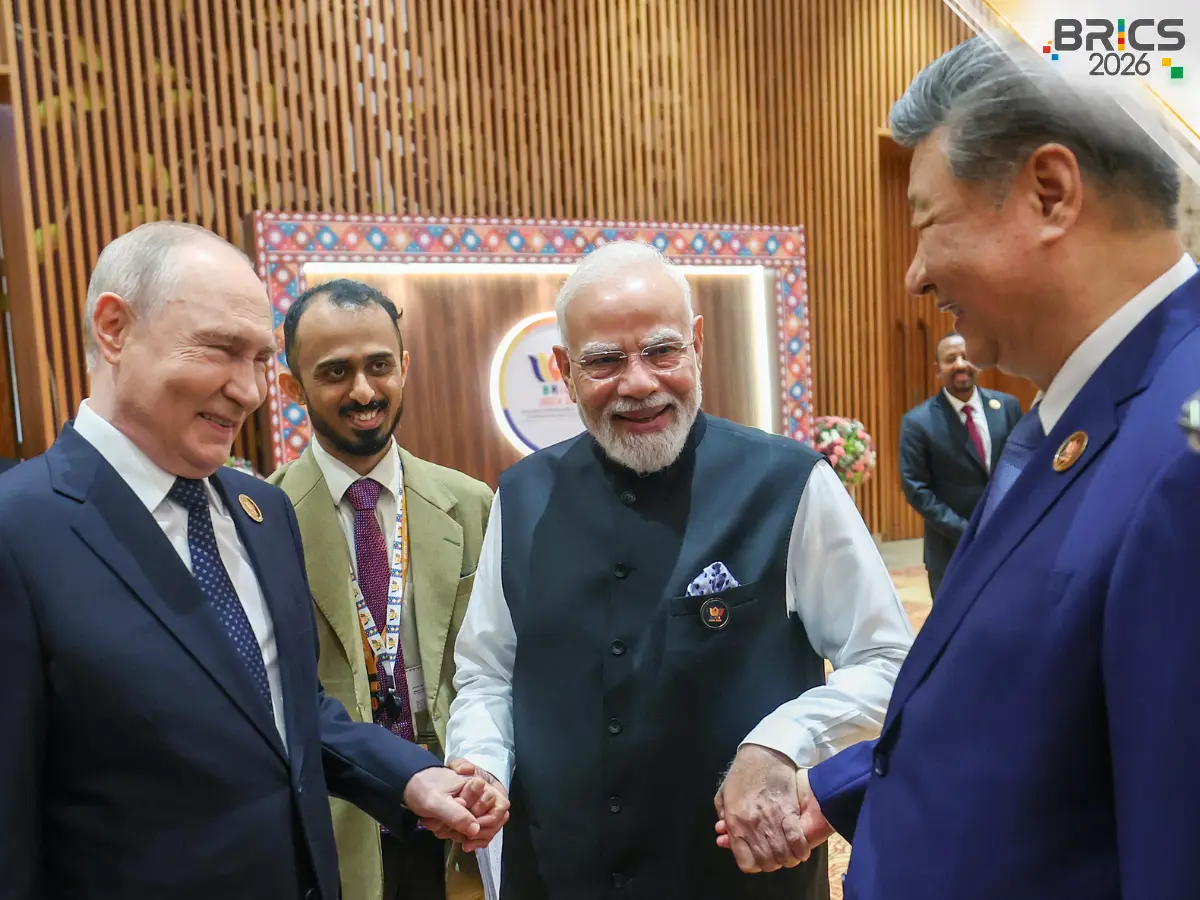
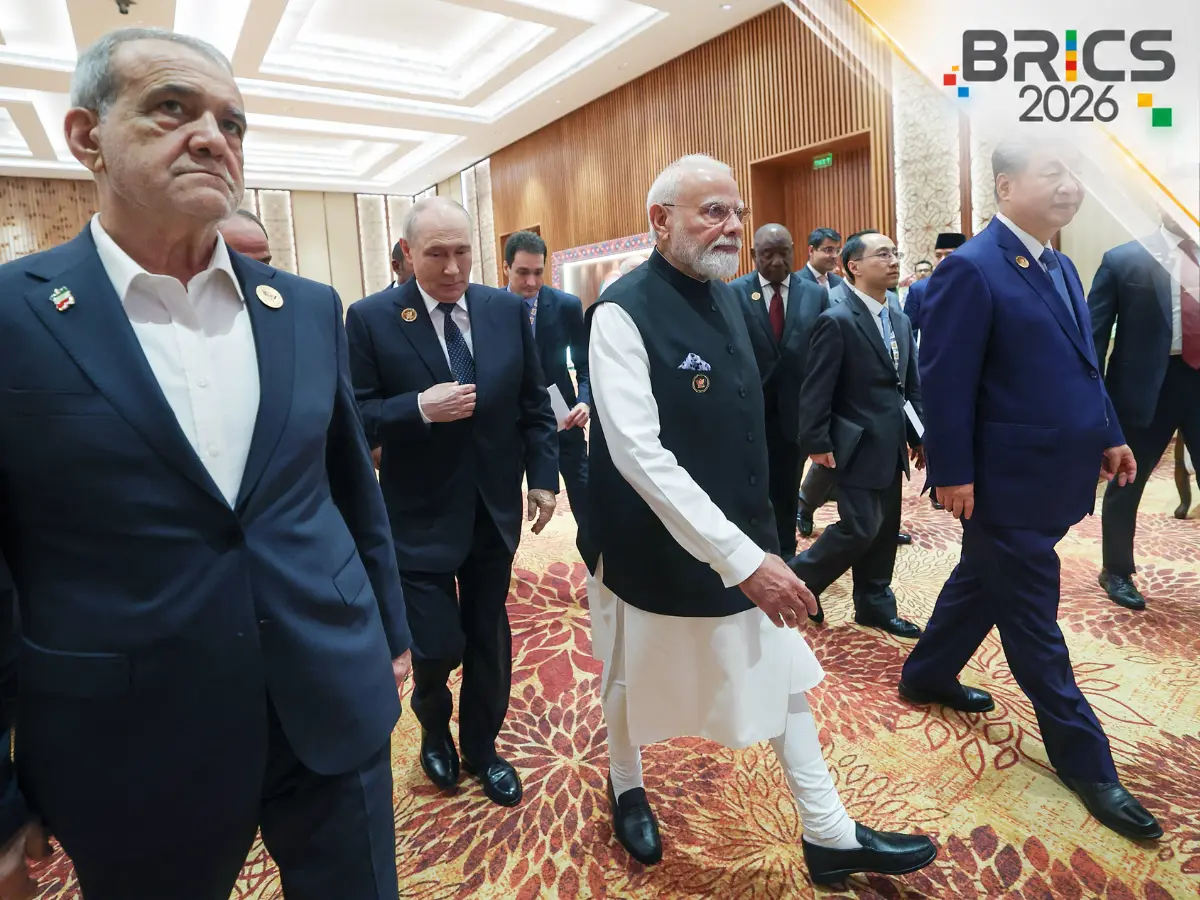
Who is the smiling man beside Modi, Putin and Xi at BRICS Summit 2026?
)
Migration protests return to Portsmouth as rival demonstrations face off
)
Osama Bin Laden ‘planned’ to target India, CIA reveals dozens of declassified documents
)
BRICS Summit 2026: PM Modi, Xi reach key consensus on ties, China to assume BRICS chairmanship in 2027
)
BRICS Summit 2026: Global leaders of BRICS nations attend main open session
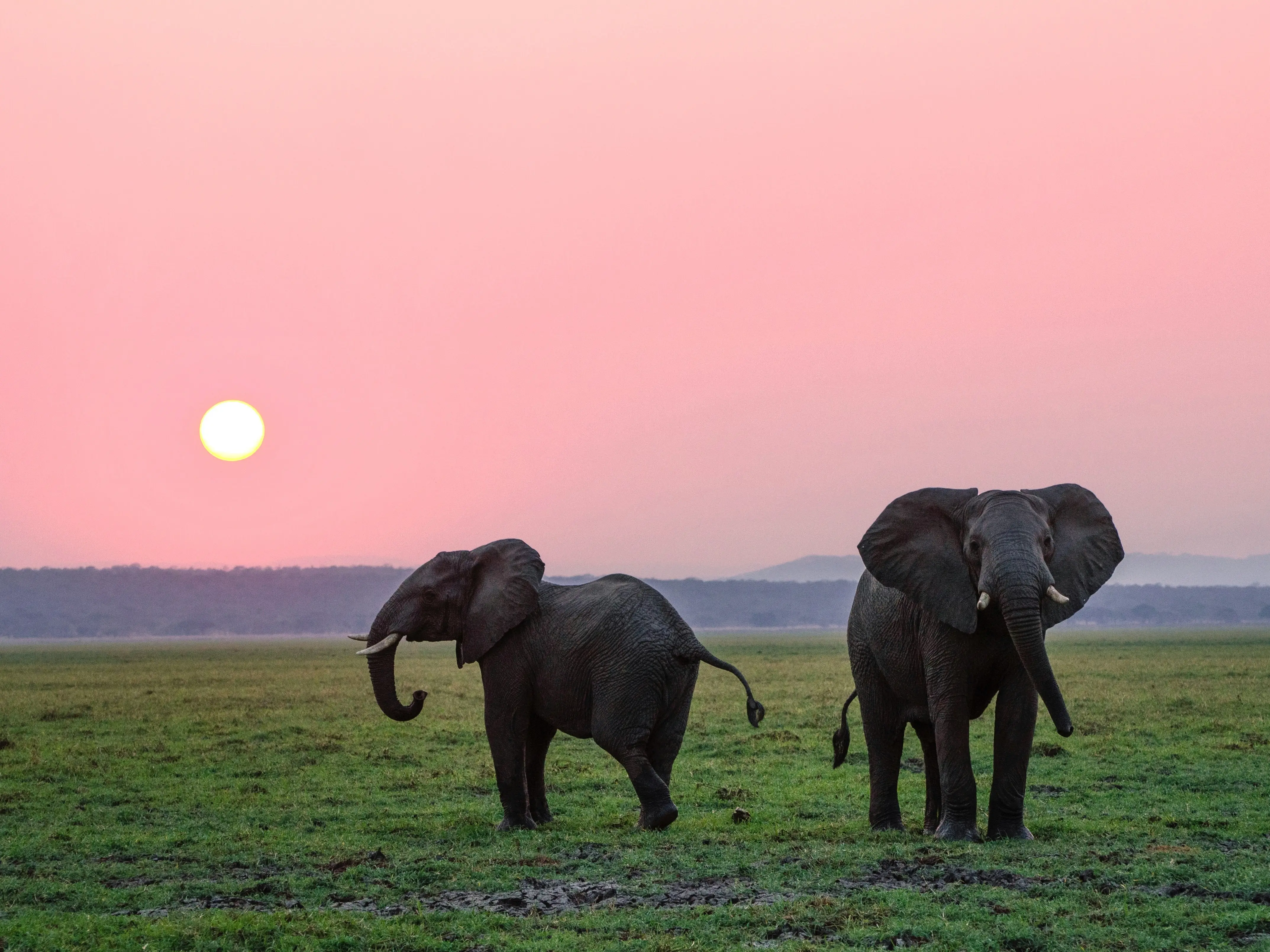)
From severe mobility problems to recovery: Madhuri the elephant’s journey of wildlife care
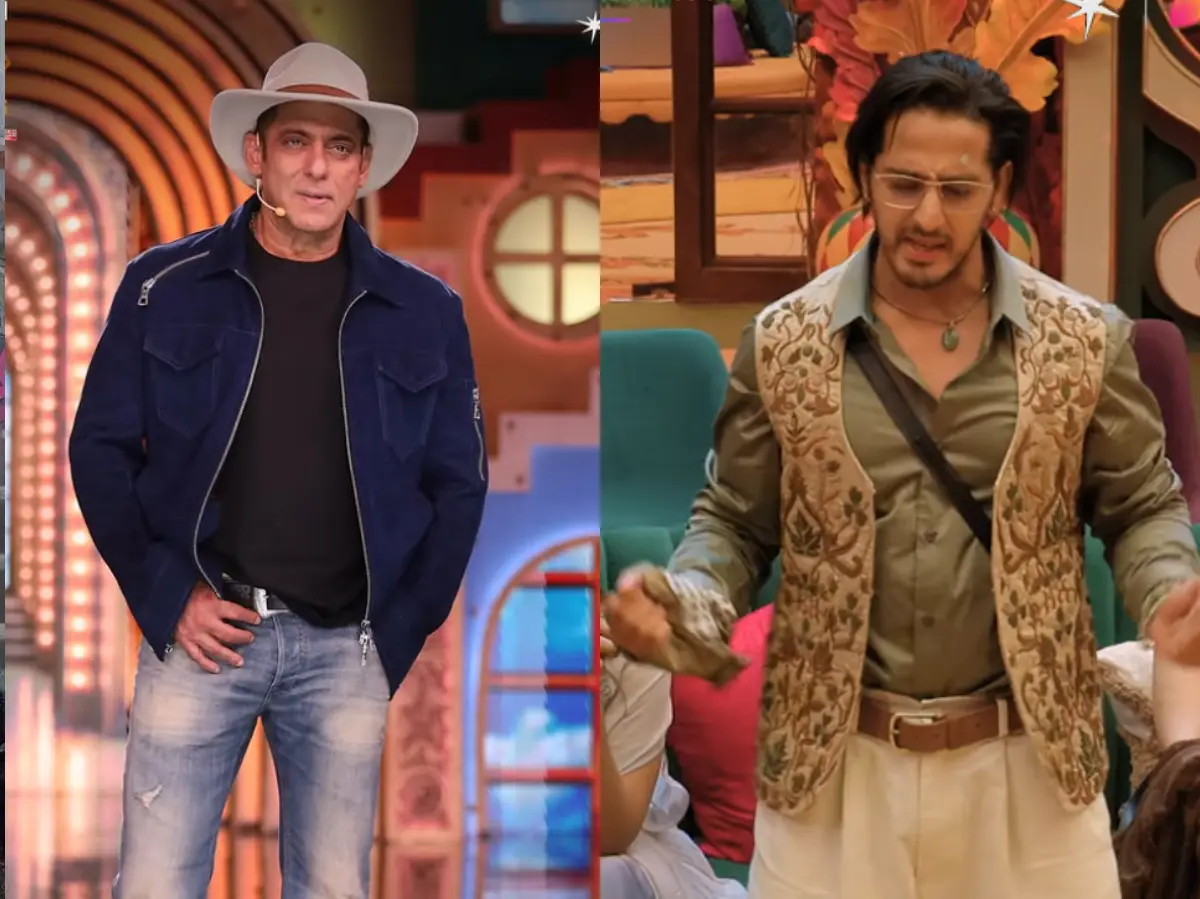)
Bigg Boss 20: Qazi Touqeer gets a special ‘rockstar’ moment from Salman Khan
)
Ramanathaswamy temple takes centre stage as PM Modi welcomes world leaders at BRICS
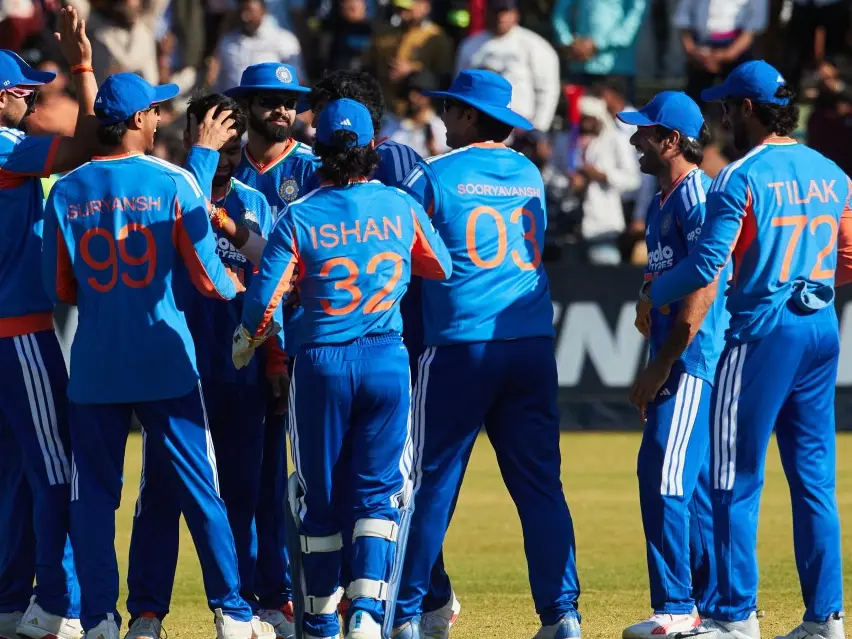)
IND vs AFG, 1st T20I: When and where to watch live streaming in India?
)
Top 5 places to visit in Goa beyond its famous beaches
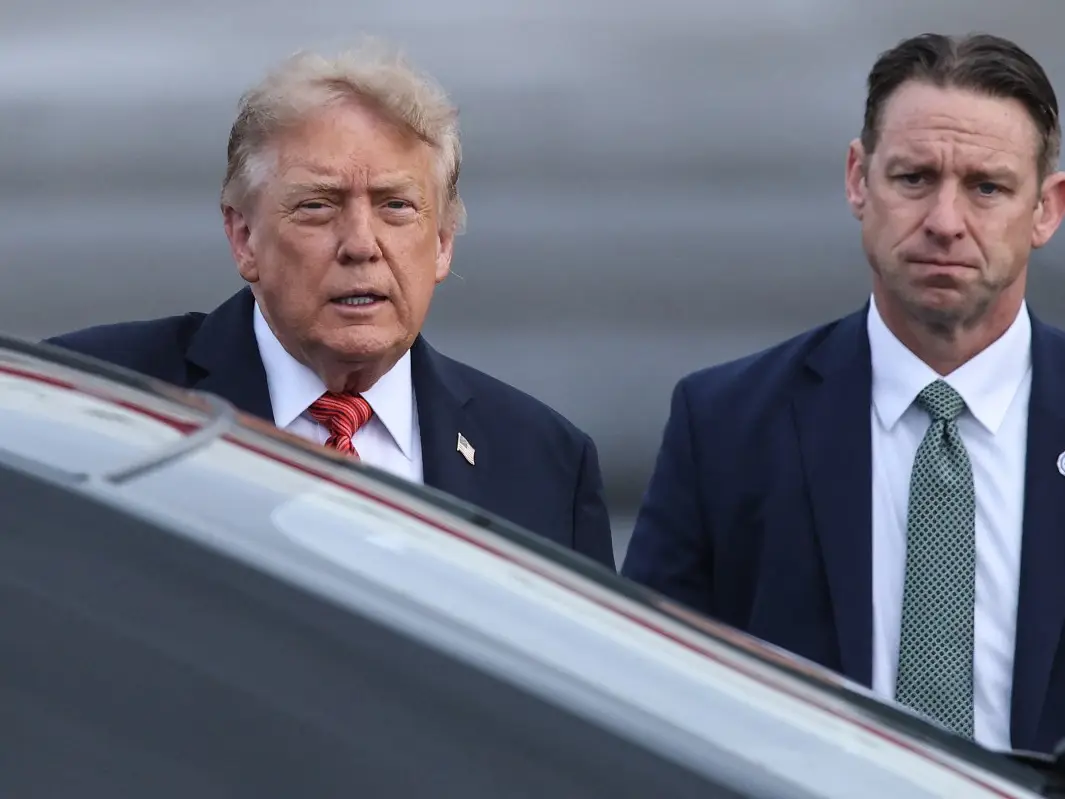)
Trump says Canada eager to reach a deal, it could come ‘fairly soon’ if Ottawa treats US farmers better
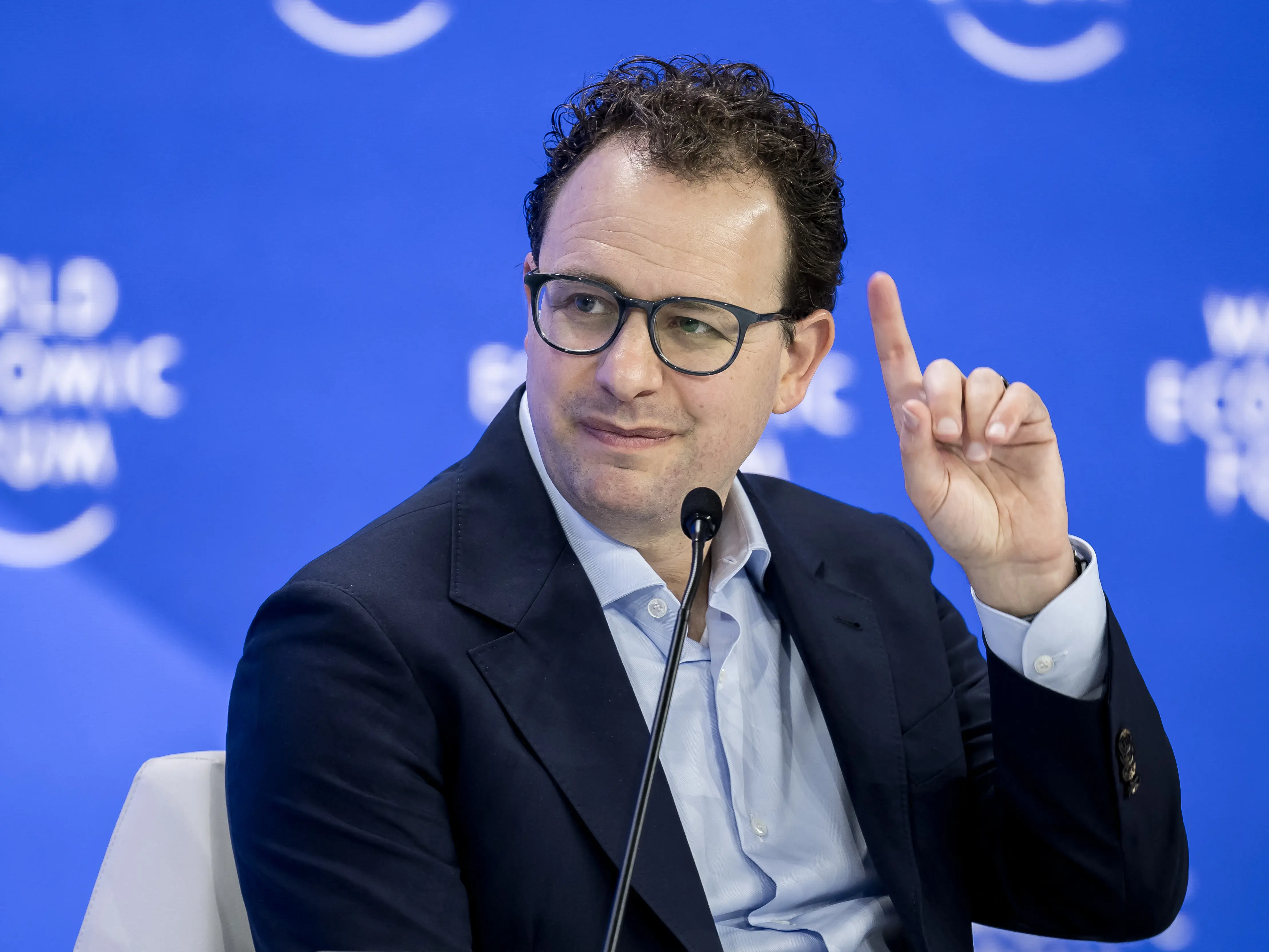)
Humans may lose control of AI: Anthropic CEO calls for slowdown, Altman, Musk back him
)
800 million years old - Scientists discover 'fingerprints' of supercontinent Gondwana in ancient rocks
)
How does the loss of forests affect the way wildlife lives and moves?
)
Why dehydration is the hidden cause of travel fatigue on long flights
)
Houthis launch cross-border strike on Saudi Arabia as Yemen war escalates
Selling spree in Apple, Bank of America: Buffett's defensive stance?
Recently, Buffett has adopted a more defensive approach, selling off a significant portion of Berkshire's Apple holdings and increasing the company's cash reserves to a record $277 billion as of June. This strategy has caught the attention of Wall Street analysts, some of whom believe Buffett is cautious about the current economic environment and market valuations.
The conglomerate also started a selling spree of Bank of America shares in mid-July, dumping more than $5 billion worth of the bank stock. Buffett bought BofA's preferred stock and warrants in 2011 in the aftermath of the financial crisis, shoring up confidence in the embattled lender struggling with losses tied to subprime mortgages.
Despite these moves, Berkshire Hathaway continues to perform strongly, buoyed by robust second-quarter earnings. UBS analyst Brian Meredith recently raised his 2024 and 2025 earnings estimates for Berkshire, citing higher investment income and better underwriting results at Geico and other insurance subsidiaries. Meredith also increased his 12-month price target for Berkshire's Class A shares to $759,000, indicating confidence in the company's future performance.
Berkshire Hathaway's original Class A shares remain one of the most expensive on Wall Street, a strategy Buffett has maintained to attract long-term, quality-oriented investors. In 1996, the company introduced Class B shares, priced at a fraction of Class A shares, to make Berkshire more accessible to smaller investors. As Berkshire Hathaway cements its place in history, the company's achievement is not just a milestone for Buffett but also a testament to the enduring appeal of its business model in a rapidly changing market.