Airline ticket sales exceed a 2019 milestone for the first time

American Airlines
Rising fuel prices may present an obstacle, but the airline recovery in the United States appears to be on track for now.
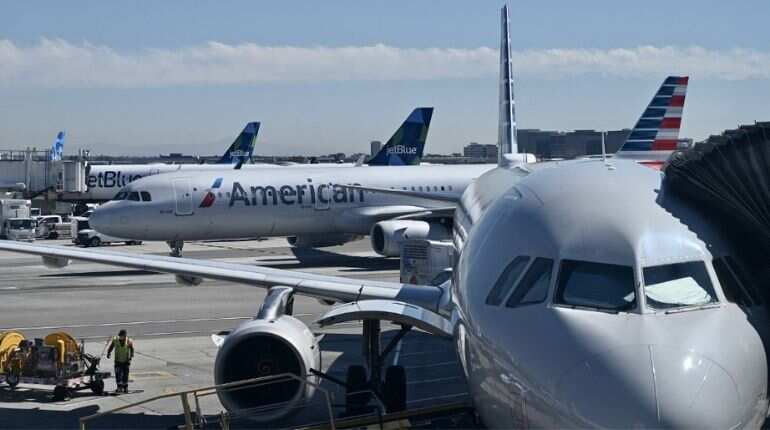
With the omicron coronavirus variant receding and pandemic restrictions being eased, the airline industry turned a corner last month, according to an analysis by the Adobe Digital Economy Index, which draws on online sales from six of the top 10 U.S. airlines. According to the analysis, ticket sales for domestic flights in February exceeded those for the same month in 2019, a first since the pandemic began two years ago.
“We’re seeing things open up in terms of people’s thinking about travel,” said Vivek Pandya, who led the analysis. “The question now becomes: How much can that momentum continue to push forward?”

Travelers spent an estimated $6.6 billion on domestic flights in February, about 6% more than three years earlier, according to the analysis. The number of tickets sold was up 4%, while fares were up about 5%, lagging overall inflation. Early data indicate that the trends are holding up this month, too.
The data bodes well for airlines, which have been preparing for months for what the industry expects to be a robust summer travel season. It also matches the optimism that several carriers expressed at an investor conference held by JP Morgan on Tuesday.
Speaking at the conference, executives of American Airlines and Delta Air Lines said they saw record daily sales last week. In investor updates, Delta said it expected revenue for the quarter to slightly exceed its previous estimates, while United Airlines said corporate travel was improving faster than expected, reaching the highest level since the pandemic began. American said improvement in revenues would “more than offset” the increase in fuel prices, which have spiked since Russia went to war in Ukraine.
)
What’s in a name? Trump’s 'Lake America' move gets a tit-for-tat response from Canada
)
Trump gifts Xi a bald eagle sculpture at White House dinner: Here’s what it symbolises
)
‘Not just a local tragedy’: Nepal PM Shah warns UN of growing climate threat, says Nepal floods were 'a warning to the world'
)
CNN, Politico and MS NOW back in White House after judge blocks Trump’s media ban
)
US judge questions Trump’s decision to ban CNN, MS NOW and Politico from White House
)
'We would all be dead': Netanyahu defends decision to strike Iran's nuclear facilities in his UN speech
)
Mumbai Indians appoint Luke Williams as head coach for Women’s Premier League
)
IIT Bombay CCTV footage emerges: Sahil Wakode seen looking at phone in examination hall
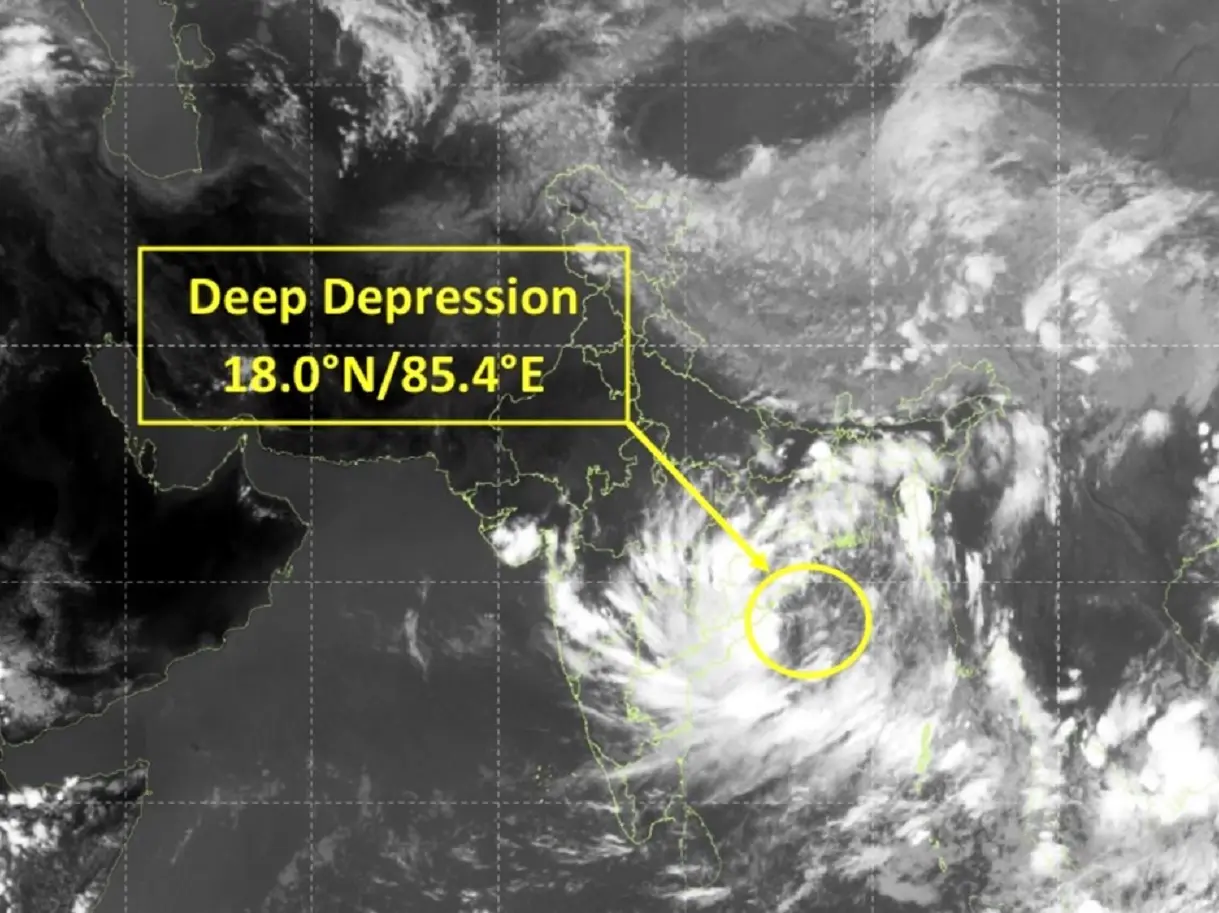)
Cyclone Arnab: Landfall expected before midnight tomorrow as IMD issues orange alerts across six states
)
Welcome actor Mushtaq Khan dies at 56 after battling cancer
)
Trump's welcome to Xi demonstrates 'attraction' to dictators: Chuck Schumer
)
WION Iconic Tourism Summit 2026: Union Minister Shekhawat on 'experiential travel', peace diplomacy
)
Nations League: Germany draw on Klopp debut; Portugal, Norway win
)
'AI got into my speech': Prince Harry jokes after teleprompter failure at event in New York
)
Scientists detect first radio signals directly from faraway planet
)
What’s on the menu? Inside Trump’s lavish White House state dinner for Xi
)
A seven-day roadmap? Iran proposes plan to end war, reopen Strait of Hormuz and resume nuclear talks
)
China to test supersonic jet that moves at Mach 2, double the speed of sound
)
Xi Jinping's 'special plane' vs Trump's Air Force One: What's the difference?
)
West Indies coach Sammy looking at India series as opportunity to finetune ahead of ODI World Cup 2027 qualifiers
)
‘We’ve never gotten along better’: Trump praises Xi, jokes about White House ballroom at high-stakes state dinner
)
Nearly half of young people trust AI over humans to check facts, major study finds
)
'Partners rather than rivals': Xi Jinping's first message after landing in US for Trump summit
)
Yemen called Trump for US military support in fight against Houthis: Official
)
2,000-foot tube, laser tests and more: China builds towns to expand nuclear arsenal, satellite images show
)
Meet Adrian Abraham: 9-year-old Indian-origin guitar prodigy aiming for a Guinness World Record
)
US faces fresh cost crunch as mortgage rates hit 7%, oil tops $107 and gas prices surge
)
Trump-Xi state dinner 2026: Who is invited? Full guest list of tech CEOs, business leaders and officials
)
Alarming video emerges as landslide damages houses in Sikkim’s Rimbi village. Watch
)
'Making history': Xi Jinping praises Trump as US-China leaders dine at White House
)
Australian PM Anthony Albanese calls OpenAI AI incident 'unacceptable' after restricted data access
)
'What kind of confession is this?': Pakistan PM Shehbaz Sharif’s 'terrorists would be roaming New York' remark goes viral, raises alarm online. Watch
&im=FitAndFill=(700,400))
Netanyahu at UN: Mass walkout, attack on Mamdani and Iran threats | In Pics
)
'We do not wish to continue. It's America that must choose': Iran president Pezeshkian calls on US to end war
)
WION Iconic Tourism Summit: How local tourism MSMEs must upskill for AI integration
)
EC appointment law: Why is the 2023 act controversial, and what happens next? WION explains
)
Who is Lt-Gen Nauman Mahmood, Pakistan's first secretary general of Makkah Defence Alliance?
)
Israeli envoy to US Yechiel Leiter’s son critically injured in West Bank ramming attack
)
'Fund people, not bombs': Hundreds take to New York streets as Netanyahu delivers speech at UN; dozens arrested
Southwest Airlines also improved its forecast, saying it expected operating revenue in the first quarter of this year to be down 8% to 10% compared with the same quarter of 2019. The airline had previously forecast that operating revenues would be off 10% to 15%.
Consumers appear to be optimistic, too: The number of tickets sold last month for domestic travel between June and August was down just 3% from the number sold in February 2019, according to the Adobe analysis. Most travelers, though, book summer travel closer to the date of departure.
But while hopes are high for the months ahead, there is concern that rising fuel prices and persistent inflation could pressure airlines to raise fares and discourage potential customers from flying.
“Between the fuel impact and the discretionary income impact on leisure travelers, it’s going to slow whatever would have been happening,” said Samuel Engel, a senior vice president and airline industry analyst at ICF, an advisory firm.
JetBlue, for example, said in an investor update on Tuesday that it had “moderated” its flight plans for the first quarter of this year because of the rise in fuel costs. Still, it joined other airlines in upgrading its forecast: JetBlue now expects revenue in the first three months of the year to be down 6% to 9% from the same period in 2019, compared with its previous forecast of a decline of 11% to 16%.
Russia’s invasion of Ukraine sent oil prices soaring, raising the cost of jet fuel, which is one of the biggest line-item expenses for airlines. And while the global price of jet fuel has declined from its post-invasion peak, it ended last week up 19.5% from a month earlier and up about 82% over the last year, according to the Platts Jet Fuel Price Index.
American and United are particularly exposed to ballooning fuel costs, while Delta is somewhat insulated thanks to its refinery in Trainer, Pennsylvania. Southwest employs a financial strategy known as “hedging” to offset spikes in the price of fuel, which it estimated will cover as much as 64% of the fuel it could consume this year.
U.S. airlines will try to cover fuel price increases by raising fares, a process that can take months to play out. Carriers are typically limited in how much they can pass on to customers, industry analysts said, but airline executives are more optimistic.
Speaking at the J.P. Morgan conference Tuesday, Glen Hauenstein, president of Delta Air Lines, said that the airline could “easily” increase fares in the second quarter of the year to make up for rising fuel costs, faster than normal because customers are booking flights closer to the date of travel. On an average one-way ticket price of about $200, the airline will need to recover $15 to $20, he said. A United Airlines executive was similarly optimistic that the airline would be able to pass on fuel costs to customers in higher fares.
But with the rebound being led by leisure travelers, who are far more sensitive to ticket prices than corporate travelers, airlines will have to tread carefully when it comes to raising prices. Other options include cutting flights that are barely profitable or reining in plans to restore flights, as some airlines have already started to do.
“In general, growth may slow, or, as is the current case, capacity that airlines would have brought back if the pandemic continued to recede won’t return,” Helane Becker, an airline analyst at the investment bank Cowen, wrote in a recent research note.
At the same time, some consumers facing higher prices for goods and services may not have much left to spend on vacations, experts said. And while some budget carriers may target those travelers, there’s no guarantee that airlines will be willing to cut fares, especially when facing steep debt accrued during the pandemic and pressure from shareholders eager to see profits, said Henry Harteveldt, a travel industry analyst and the president of Atmosphere Research Group.
“Airline CEOs are not in a generous state of mind these days, nor are their CFOs, so I’m not expecting airlines to discount seats to the same extent that we may have otherwise seen,” he said. “I think that there’s a lot of pressure on airlines to keep their airfares as high they can.”
Depending on how Russia’s war on Ukraine plays out, airlines may also not see the rebound in lucrative trans-Atlantic travel that they had expected either, experts said. But domestic and short-distance international travel has and will continue to lead the recovery. And despite the hurdles in the industry’s way, analysts and airlines are preparing for a strong summer season.
“What we’ll end up with is a domestic summer that looks very good as opposed to great,” Engel said.
As of Monday, airlines had more than 2.1 million domestic flights scheduled from June to August, according to Cirium, an aviation data provider. That figure could change substantially in the intervening months, but is currently just 8% lower than the number of flights scheduled over the same months in 2019. Last summer’s scheduled flights were down 16% from the summer of 2019.