Stellantis software revenue soars 150 per cent as 94 million OTA updates roll out


Stellantis
Stellantis, the multinational automotive manufacturing corporation encompassing 14 brands, has reported significant growth in its connected vehicle services. Since 2021, the company has seen a 2.5-fold increase in high-margin revenue from software and connected services, with its global subscriber base expanding to 5 million users.
The company's monetisable car parc has grown by 15 per cent to 13.8 million vehicles. In 2023 alone, Stellantis delivered over 94 million over-the-air (OTA) updates, enhancing features in existing vehicles and laying the groundwork for future software expansion.
Stellantis is leveraging cloud-based design and testing tools, including its innovative Virtual Engineering Workbench, to revolutionize automotive software development in terms of speed, quality, and deployment. This in-house developed software, along with contributions from strategic partners, enables next-generation features for both upcoming and current Stellantis vehicles.

Yves Bonnefont, Stellantis Chief Software Officer, highlighted the company's shift from a traditional automotive mindset to a more agile, startup-like approach. This transformation has allowed Stellantis to build its own software creation capabilities, providing crucial flexibility and a competitive edge in the industry.
The company is now focusing on scaling up its operations, preparing for the integration of three AI-powered technology platforms: STLA Brain, STLA SmartCockpit, and STLA AutoDrive. These platforms represent Stellantis' commitment to in-house software development, utilising a global network of technology hubs to work around the clock on customized software products for each vehicle platform.
STLA Brain, the foundational architecture, offers centralised computing with full over-the-air access to sensors and actuators. It aims to reduce vehicle complexity by halving the number of electronic control units (ECUs) to approximately 60 per vehicle. This platform enables faster feature development, with new capabilities potentially ready in less than six months - a quarter of the current timeframe. Technology readiness for integration is expected by the end of the year, with vehicle integration planned for 2025.
)
Justice eludes Air India 1985 bombing victims as Canada probe goes 'inactive' | Gravitas
)
Trump revives India-Middle East-Europe economic corridor as India emerges central to West Asia’s future: What is it?
)
Erdogan again raises Kashmir issue at UNGA, calls for dialogue under UN Charter
)
Major League Soccer referee sacked for sexist comment about female match referee
)
Trump signs Greenland security deal with Denmark, paving way for two new US military bases
)
IND vs JPN T20I: How an overturned wide became point of difference between India's win and a tie
)
Trump-Xi summit: From trade to Taiwan, what will the US and Chinese presidents discuss in Washington?
)
Cyclone Arnab: Landfall expected before midnight tomorrow as IMD issues orange alerts across six states
)
ICC plans T20I expansion and fewer ODIs in 2027–2031 FTP cycle: Report
)
US-China tech war: Businesses in the front line
)
Gravitas | Boosting NHS productivity could save 20,600 lives in UK annually: Report
)
Nor'easter could batter 13 US states this week. What you should know
)
WION Iconic Tourism Summit: Seychelles envoy says India partnership is important for Seychelles
)
US and China vie for AI dominance as calls grow for regulation | Gravitas
)
Yemen clashes kill 154 people in two days as cornered Saudi battles Houthi offensive | Gravitas
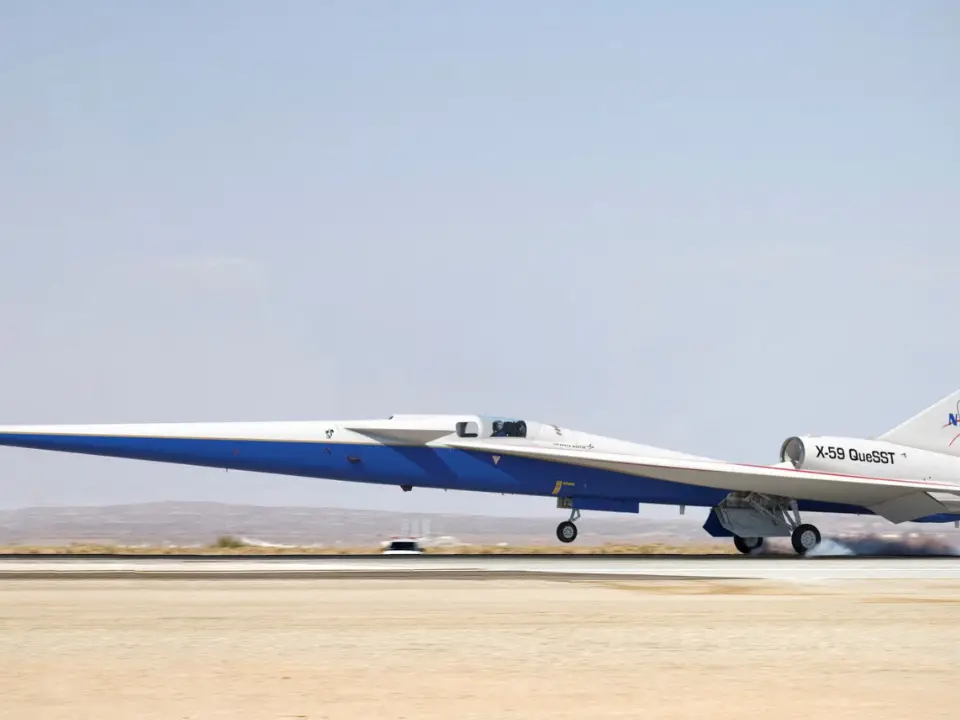)
China to test supersonic jet that moves at Mach 2, double the speed of sound
)
Bomb scare in New York amid UNGA: Suspicious suitcase found near UN headquarters
)
IND vs JPN, one-off T20I: Japan captain Kendel on pushing India to the brink - ‘It was special’
)
Mikel Arteta verbally agrees to three-year extension with Arsenal after title-winning Premier League season
)
WION Iconic Tourism Summit and Awards 2026: Key voices to discuss India’s tourism future
)
WION Iconic Tourism Summit and Iconic Awards 2026: India's travel economy leaders gather in Delhi
&im=FitAndFill=(700,400))
New OTT releases this week (September 21-27, 2026): Shaque: Trust No One, Hunkkaar, Don’t Be Shy- 5 new titles coming to Netflix, Prime Video and more
)
81st UN General Assembly: Burnham announces UK-US AI defence tie-up
)
Trump calls on nations to quit ‘rogue’ and ‘out-of-control’ International Criminal Court, rips UN
)
Infections transmitted from pregnant woman linked to autism risk
)
'What kind of confession is this?': Pakistan PM Shehbaz Sharif’s 'terrorists would be roaming New York' remark goes viral, raises alarm online. Watch
)
Elephants hide behind trees, stage surprise attack on poachers targeting rhinos in South Africa
)
IIT Bombay professor Suryanarayana Doolla sent on leave amid Sahil Wakode death probe
&im=FitAndFill=(700,400))
National Film Awards 2026: Kartik Aaryan, Mammootty, Yami Gautam, Randeep Hooda and other key winners
)
El Niño 2026 heats up to become strongest in 1,000 years
)
Anne Hathaway to run in supporting race for Nolan's epic
)
Over 4,200 books withdrawn from circulation in J&K colleges, 94% from Kashmir
)
From Gaddafi tearing up UN Charter to Trump’s ‘escalatorgate’: Most unforgettable UNGA moments
)
Explainer: Why rare-earth export licences and Board of Trade are US priorities ahead of Trump-Xi summit
)
Asia prepares for record El Nino, food shock
)
Forget apps: Qualcomm CEO says AI agents will change how we use smartphones
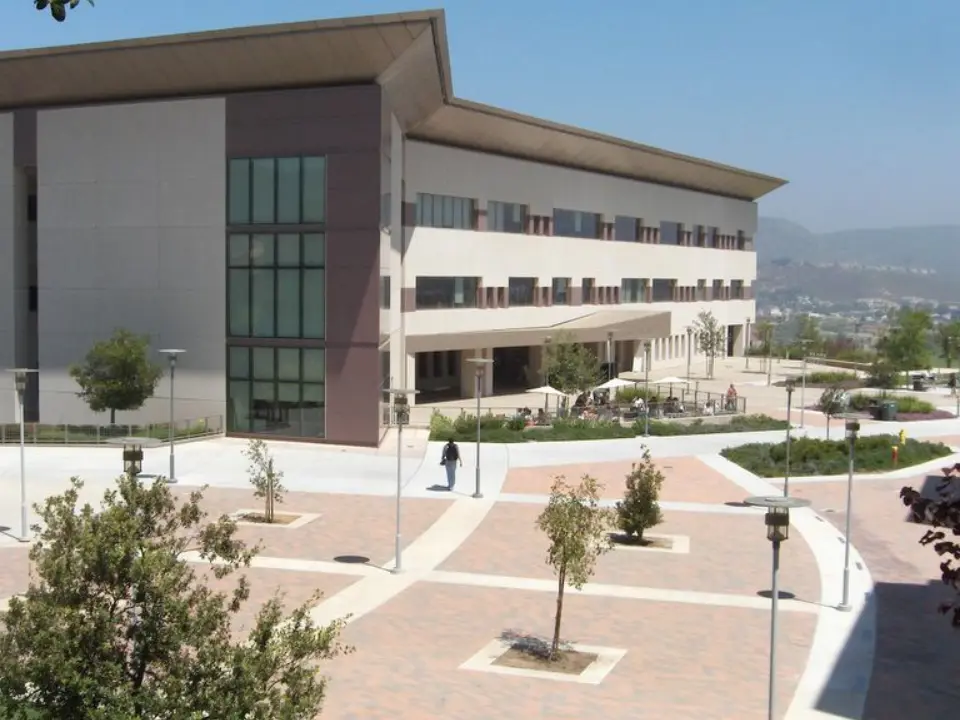)
Four female students raped during 'Red Zone' at California university. What we know
STLA SmartCockpit focuses on personalisation and connected capabilities, powered by machine learning and AI technologies. It aims to provide seamless integration with users' digital lives, featuring simplified menus and AI-enabled experiences for various in-vehicle functions. This platform is set to debut in a Stellantis brand vehicle in 2025.
STLA AutoDrive builds upon the capabilities of STLA Brain and STLA SmartCockpit to deliver advanced, continuously updated Advanced Driver Assistance System (ADAS) technology. The system aims to significantly increase uninterrupted time and distance for ADAS-supported driving, targeting both hands-off/eyes-off-the-road mobility, and a fallback to limited hands-off/eyes-on-the-road cruising within the same system. Eyes-off technology readiness for integration is anticipated by the end of the year, with a commercial launch planned for 2025.
These developments underscore Stellantis' commitment to innovation in connected vehicle technology and software-defined automobiles, positioning the company at the forefront of the automotive industry's digital transformation.