Landmark USD 250 million investment aims to revolutionise California port trucking with electric fleet

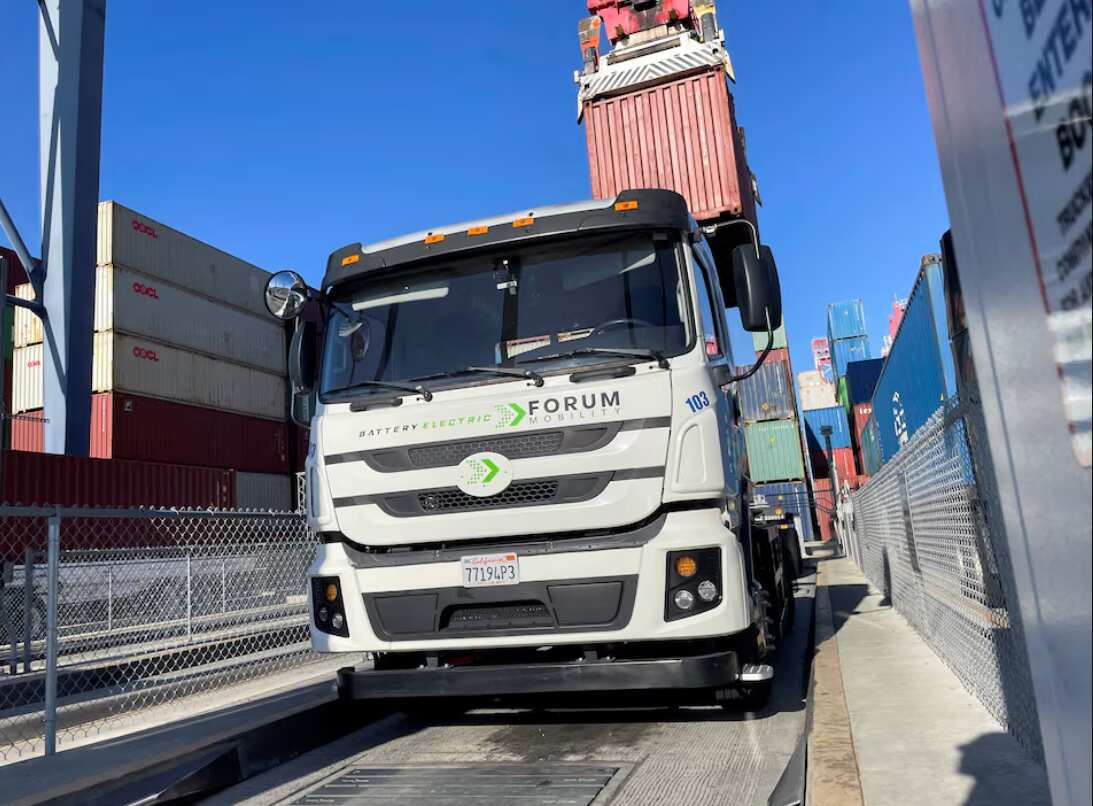
Electric semi-trucks
U.S. nonprofit Climate United unveiled plans on Tuesday to invest up to USD 250 million in what would become America's largest single purchase of electric semi-trucks. The ambitious project aims to deploy as many as 500 zero-emission vehicles over the next three years, specifically targeting California's bustling port operations.
The program addresses a critical environmental mandate: California's requirement that approximately 33,000 drayage trucks—vehicles that transport containers to and from seaports—must achieve zero tailpipe emissions by 2035. Climate United's intervention comes at a crucial time, as electric heavy-duty trucks currently represent less than 1% of the total U.S. trucking fleet.
Beth Bafford, CEO of Climate United, emphasised the economic barriers facing smaller operators: "High upfront costs make it difficult for independent owner-operators and small fleets to transition to all-electric." The initiative aims to overcome this obstacle by offering attractive lease rates to truckers serving California's ports, making the transition to electric vehicles more financially feasible for smaller operations.

The Maryland-based nonprofit has outlined a clear timeline, with initial orders scheduled for the first quarter of 2025. In a move that aligns with domestic manufacturing priorities, Climate United will prioritise Class 8 trucks assembled in the United States using domestically produced components.
Several manufacturers are already active in this space, with companies like Volvo Trucks North America, BYD, and Kenworth currently operating electric trucks at California ports, including the nation's busiest seaport complex in Los Angeles and Long Beach. This existing presence provides a foundation for the program's expansion.
The initiative's funding comes from a substantial USD 6.97 billion grant provided by the National Clean Investment Fund, operating under the Greenhouse Gas Reduction Fund established by President Joe Biden's Inflation Reduction Act. This significant financial backing demonstrates the federal government's commitment to accelerating the transition to zero-emission vehicles in the commercial sector.
)
'Mumma’s boy from Gwalior who dared to dream': Kartik Aaryan pens long note after first National Award win
)
Oil slips to $98 as Saudi Arabia restarts East-West oil pipeline
)
Asian Games 2026: India women's cricket team beats Sri Lanka by 147 runs for first gold
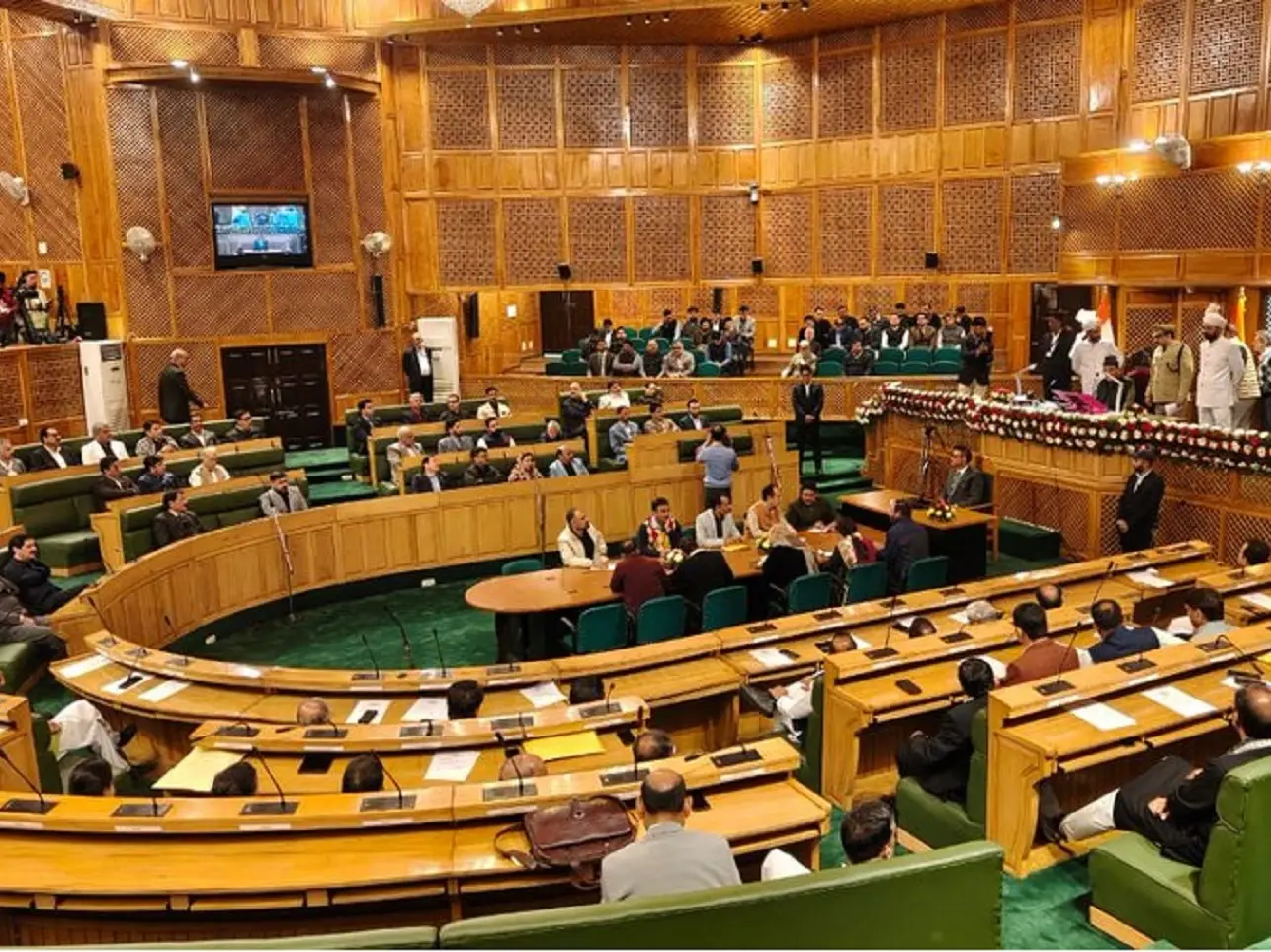)
Over 4,200 books withdrawn from circulation in J&K colleges, 94% from Kashmir
&im=FitAndFill=(700,400))
National Film Awards 2026: Kartik Aaryan, Mammootty, Yami Gautam, Randeep Hooda and other key winners
)
'This is normally what toddlers do': Why a psychiatrist is raising fresh questions about Trump’s recent behaviour
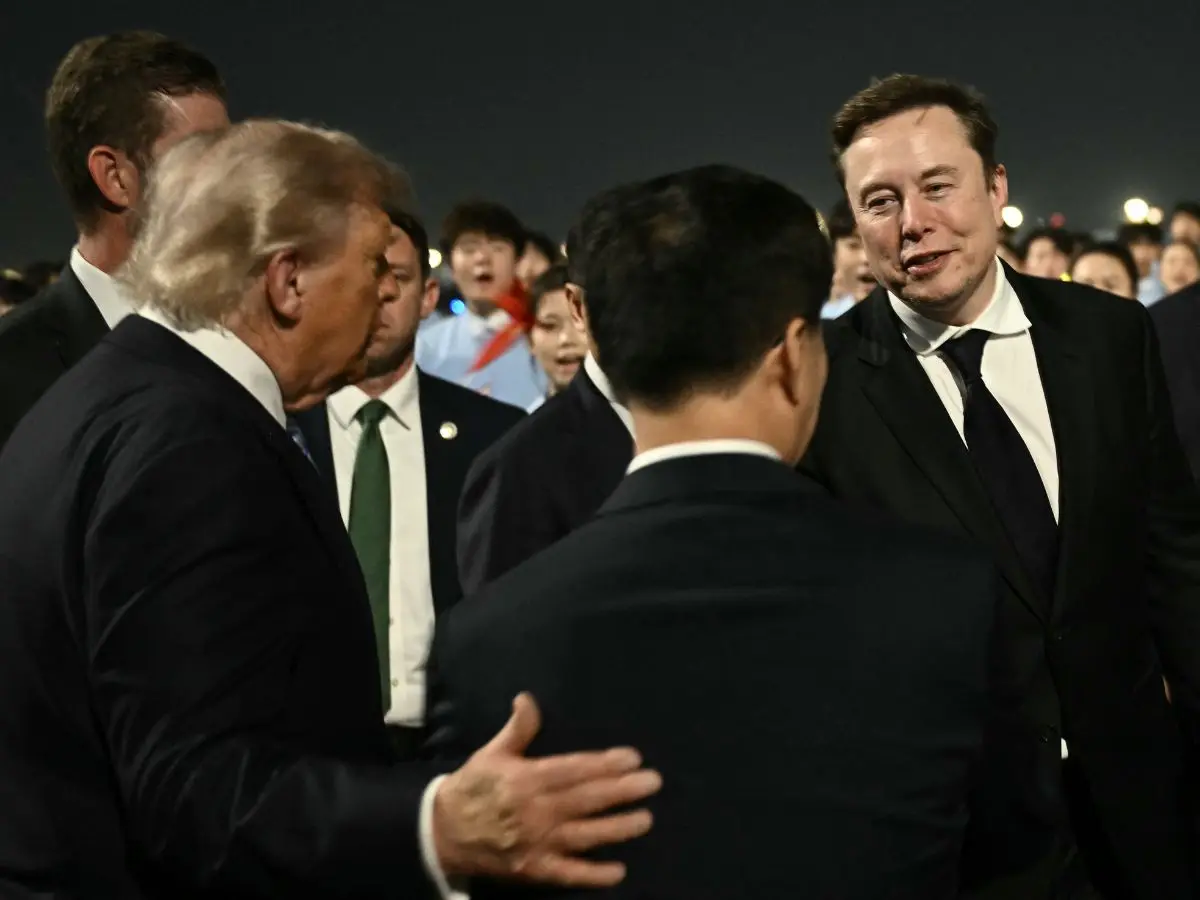)
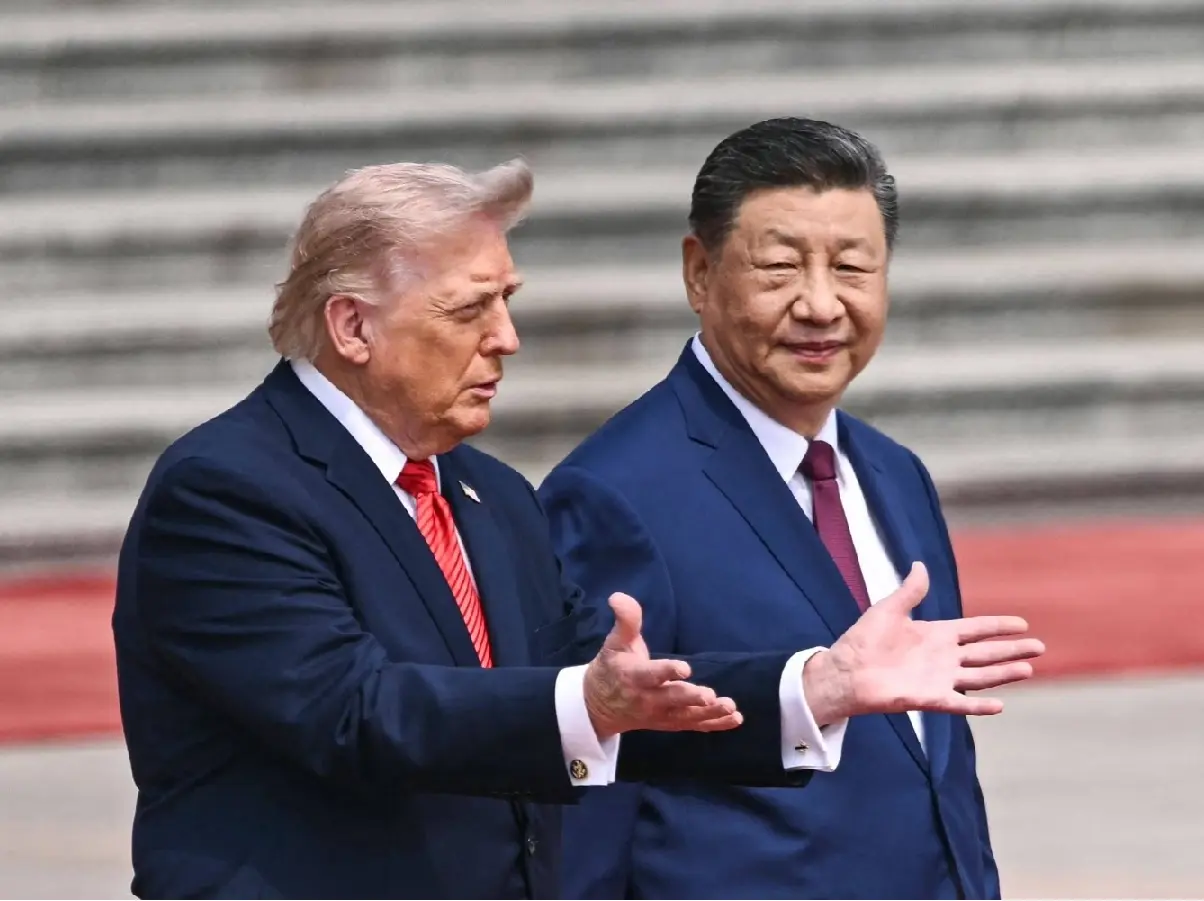
Trump-Xi state dinner 2026: Who is invited? Full guest list of tech CEOs, business leaders and officials
)
IND vs JPN, one-off T20I: Japan captain Kendel on pushing India to the brink - ‘It was special’
72nd National Film Awards: Kartik Aaryan receives Best Actor honour for Chandu Champion in Gujarat
)
Trump calls on nations to quit ‘rogue’ and ‘out-of-control’ International Criminal Court, rips UN
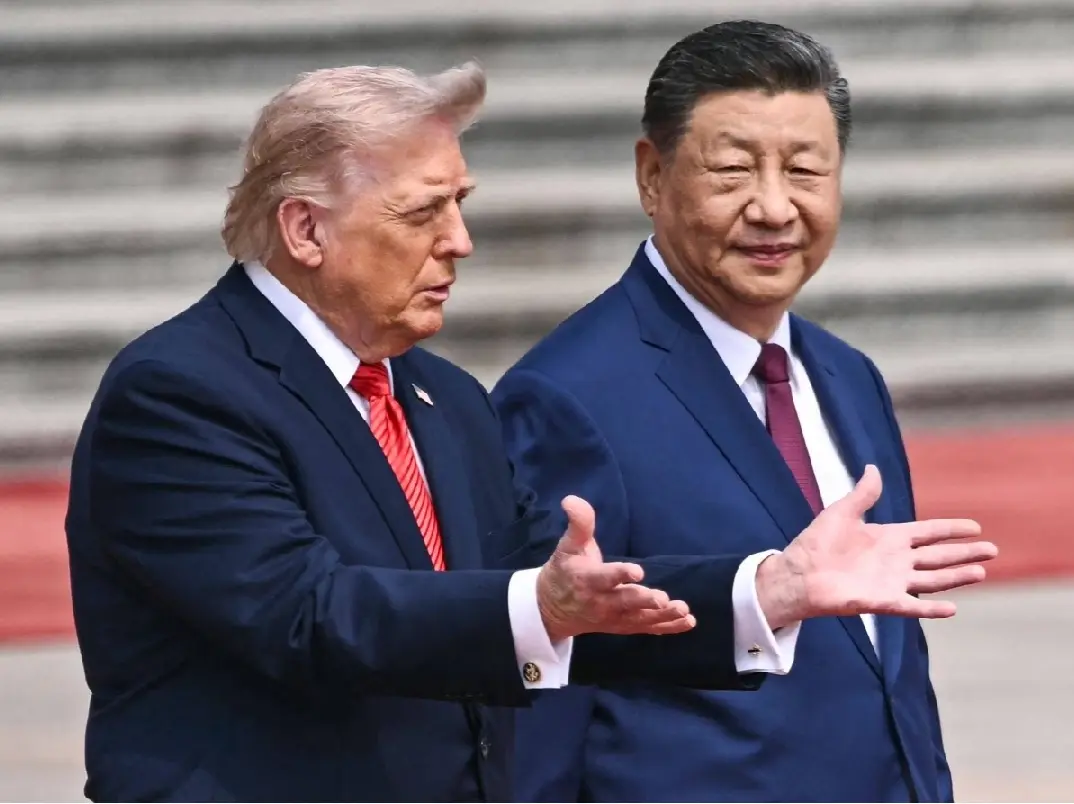)
US and China vie for AI dominance as calls grow for regulation | Gravitas
)
Raaka creates history! Allu Arjun’s film secures Guinness World Record ahead of release
)
Glitch in the matrix caught on camera: Woman vanishes after talking to reporter
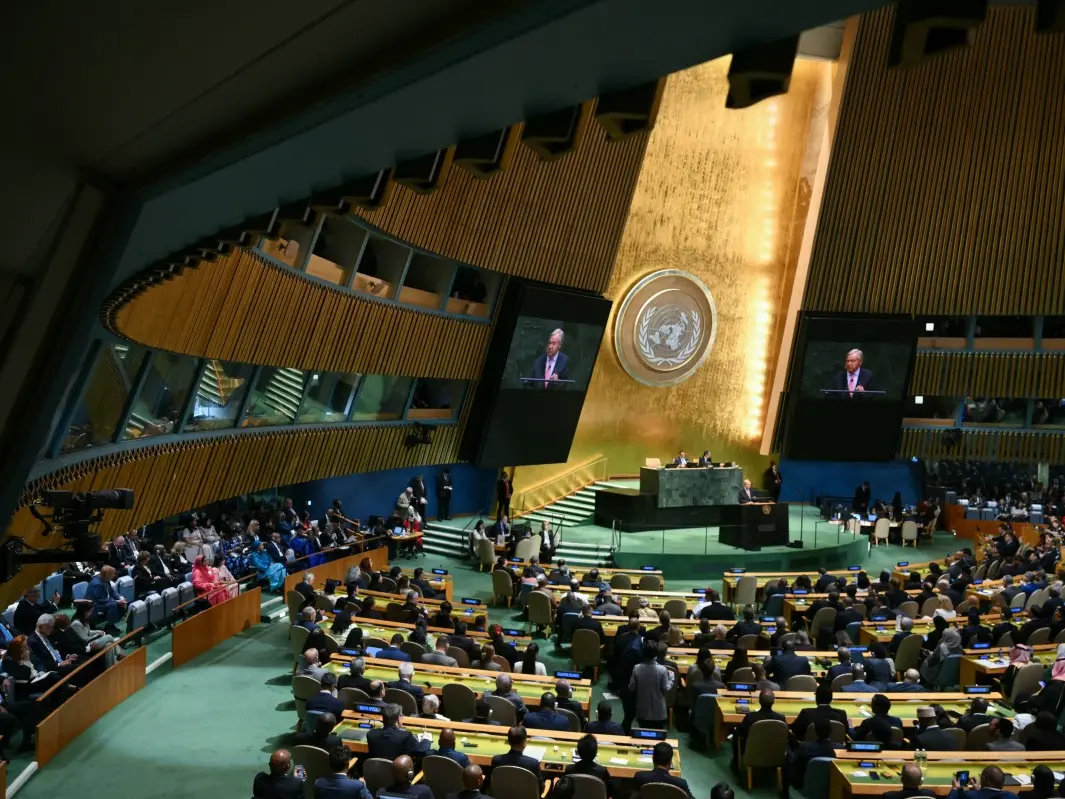)
World leaders repeatedly call Gaza crisis ‘genocide’ as Israel’s war dominates opening sessions of UNGA
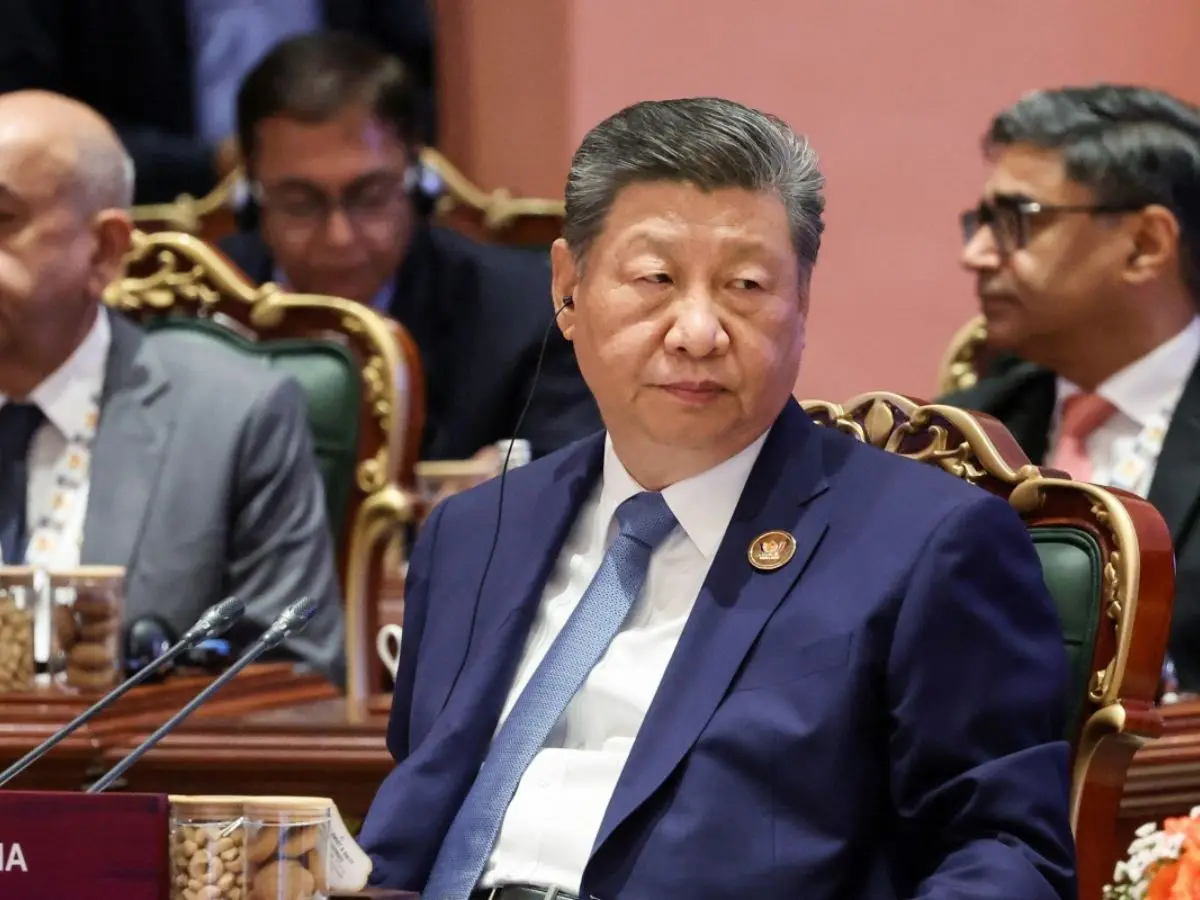)
Ten days from Delhi to Washington: What Xi's BRICS-to-White-House sprint means for India
)
WION Iconic Tourism Summit and Iconic Awards 2026: India's travel economy leaders gather in Delhi
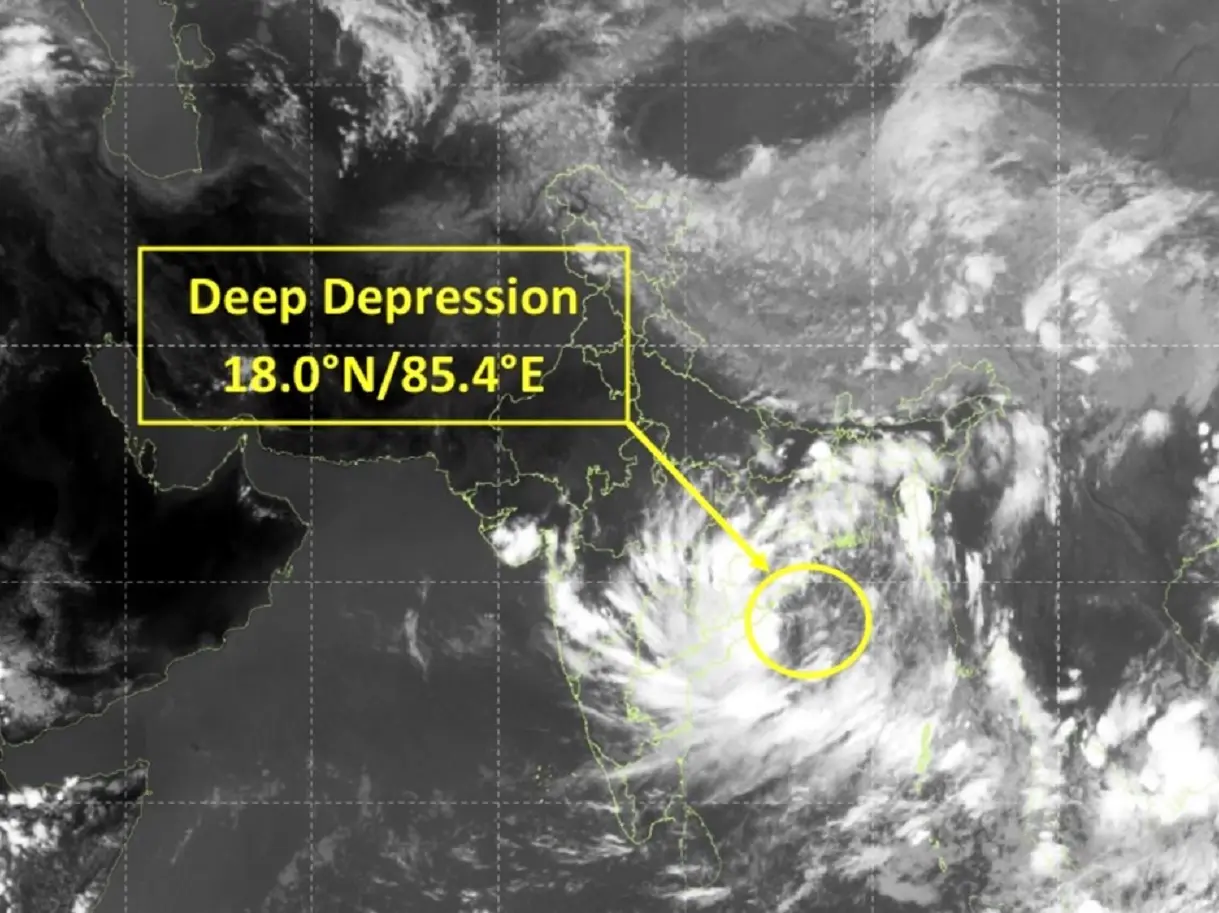)
Cyclone Arnab: Landfall expected before midnight tomorrow as IMD issues orange alerts across six states
)
Mumbai: Gallops restaurant at Mahalaxmi Racecourse licence suspended over food safety violations
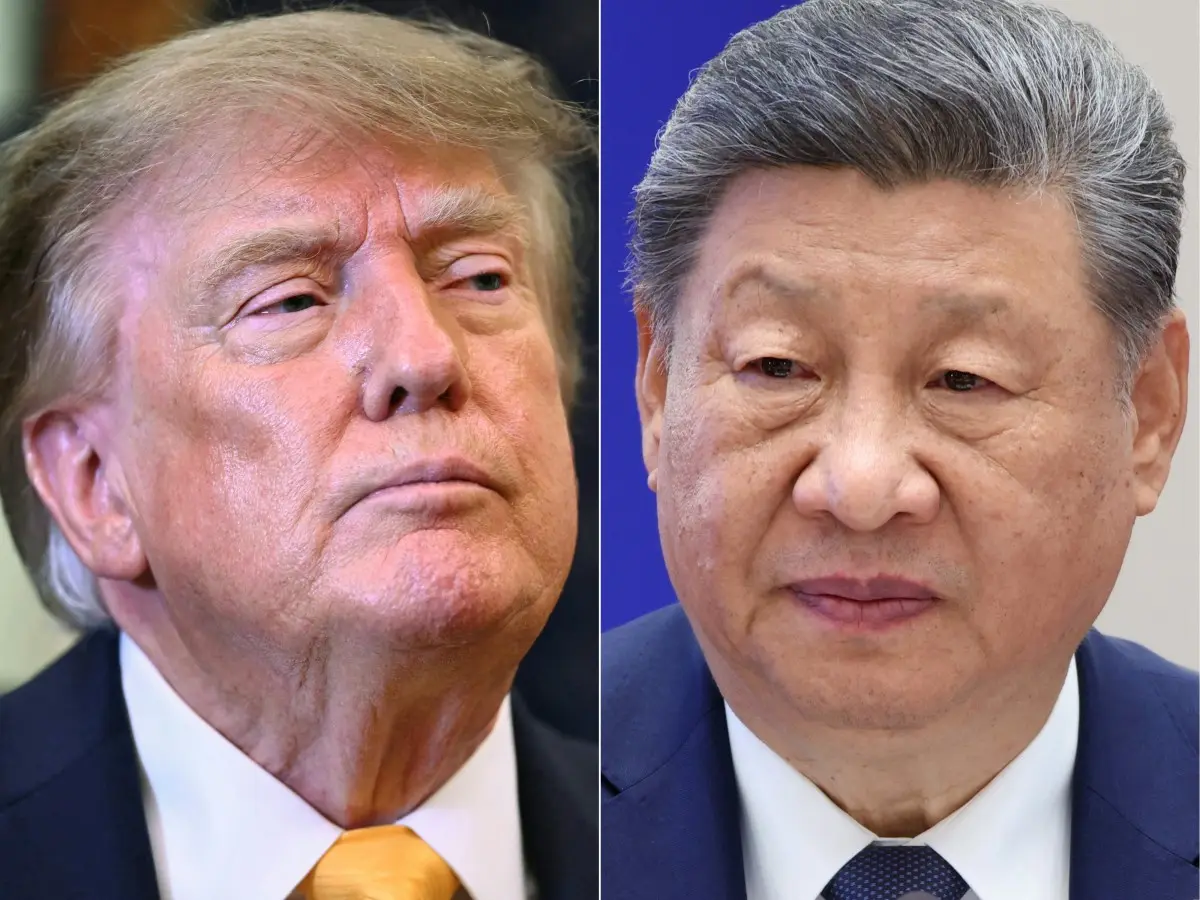)
Trump’s China visa crackdown puts US universities, Chinese students in focus ahead of Trump- Xi summit
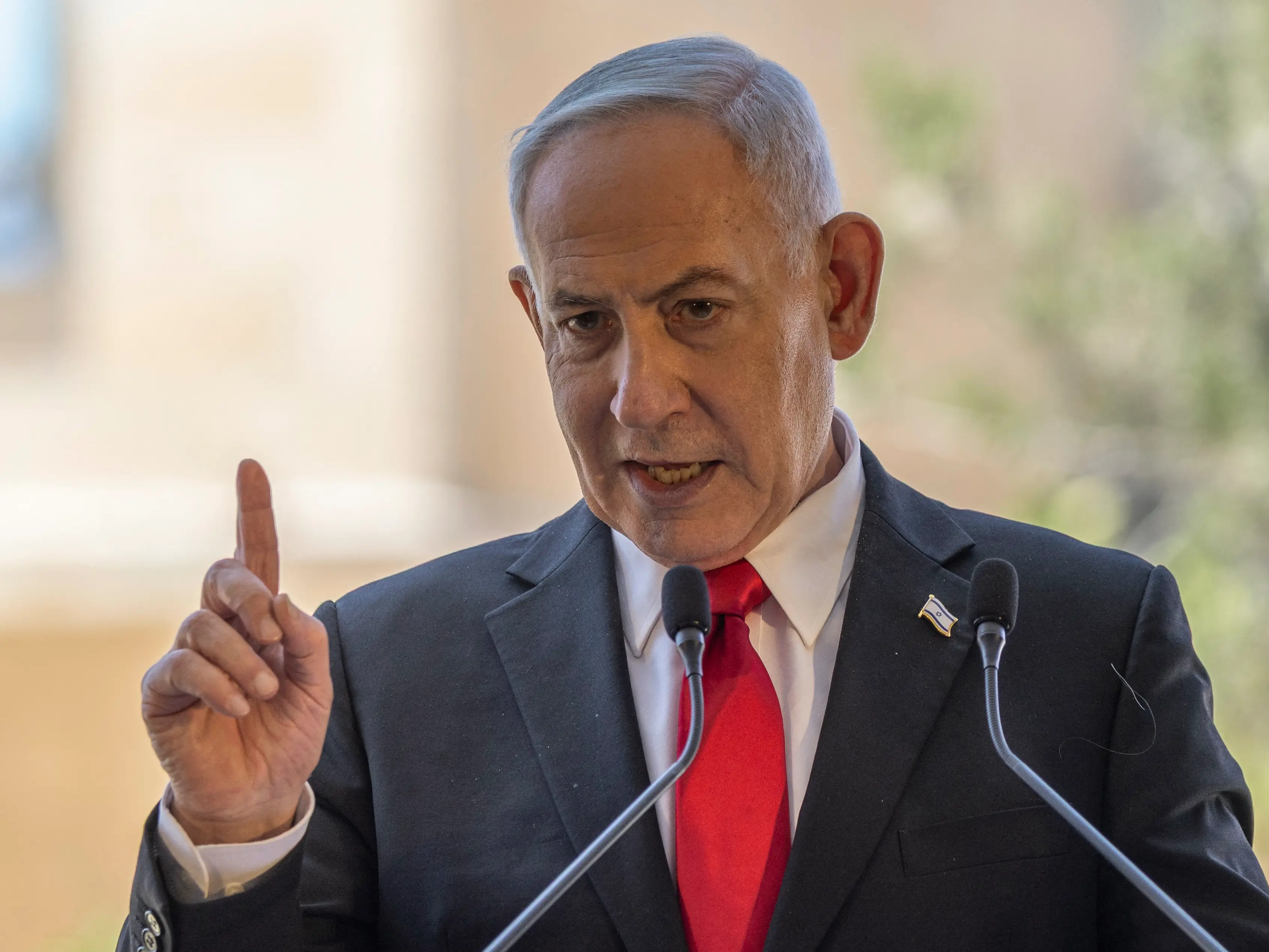)
‘Shame on you’: Netanyahu vows to ‘tell the truth’ about Mamdani at UN ahead of New York visit
)
ICC plans T20I expansion and fewer ODIs in 2027–2031 FTP cycle: Report
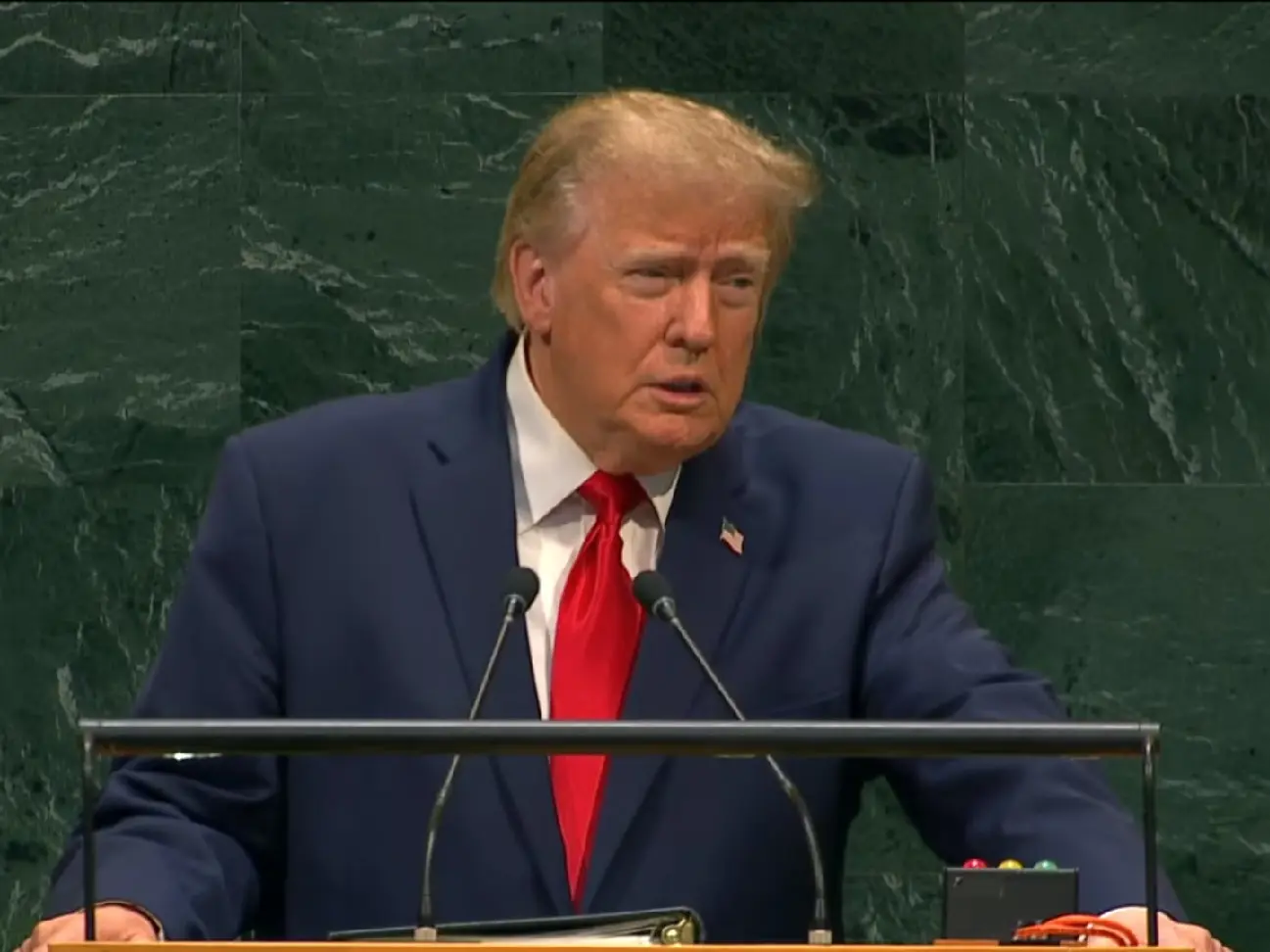)
‘Strike a deal or drive Iran into hell’: Trump issues fresh warning to Tehran at UNGA
)
Yemen clashes kill 154 people in two days as cornered Saudi battles Houthi offensive | Gravitas
)
Who is Clavicular? The 20-year-old controversial 'Looksmaxxing' influencer charged with rape allegations
)
Key accused in Bihar's Jamui molestation case, arrested after police shoot him in leg
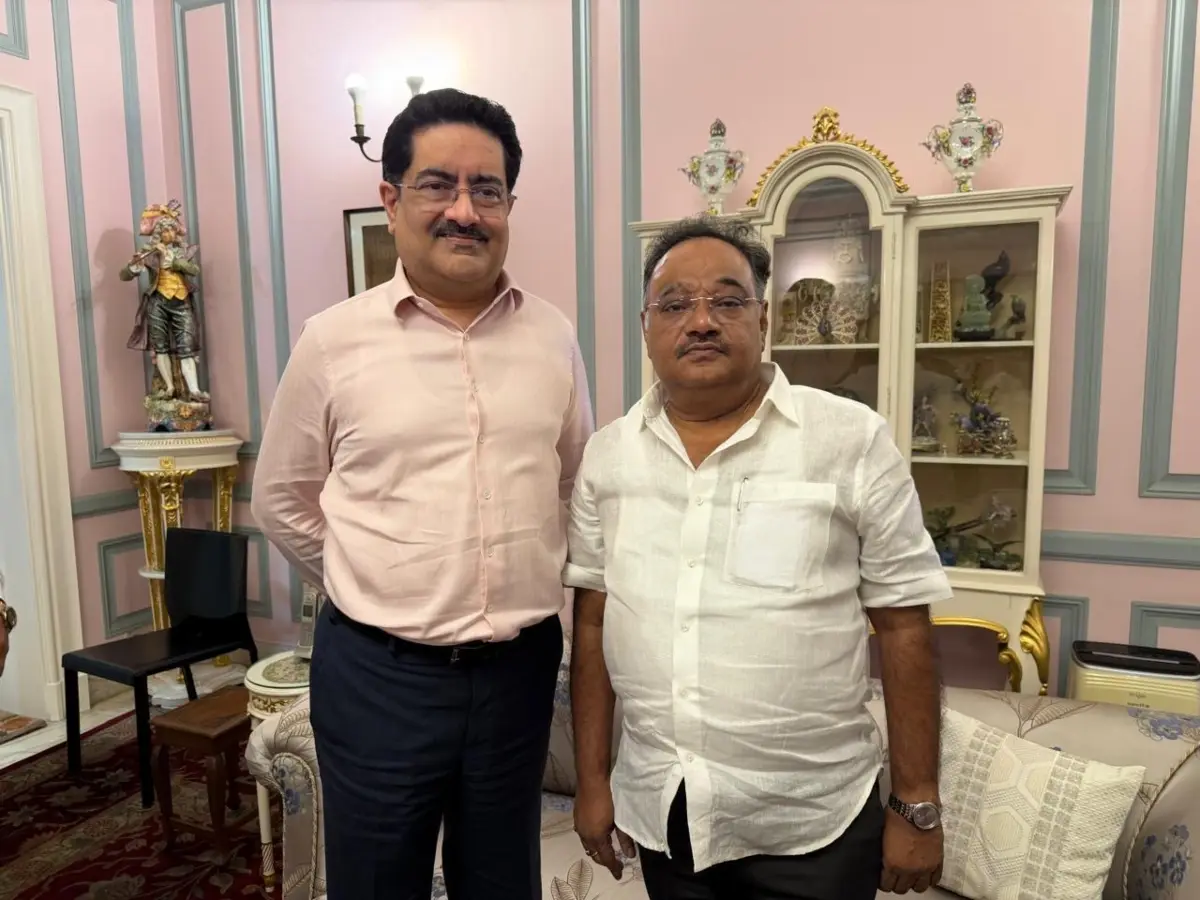)
Four decades after leaving Kolkata, the Birlas may be coming back for more
&im=FitAndFill=(700,400))
New OTT releases this week (September 21-27, 2026): Shaque: Trust No One, Hunkkaar, Don’t Be Shy- 5 new titles coming to Netflix, Prime Video and more
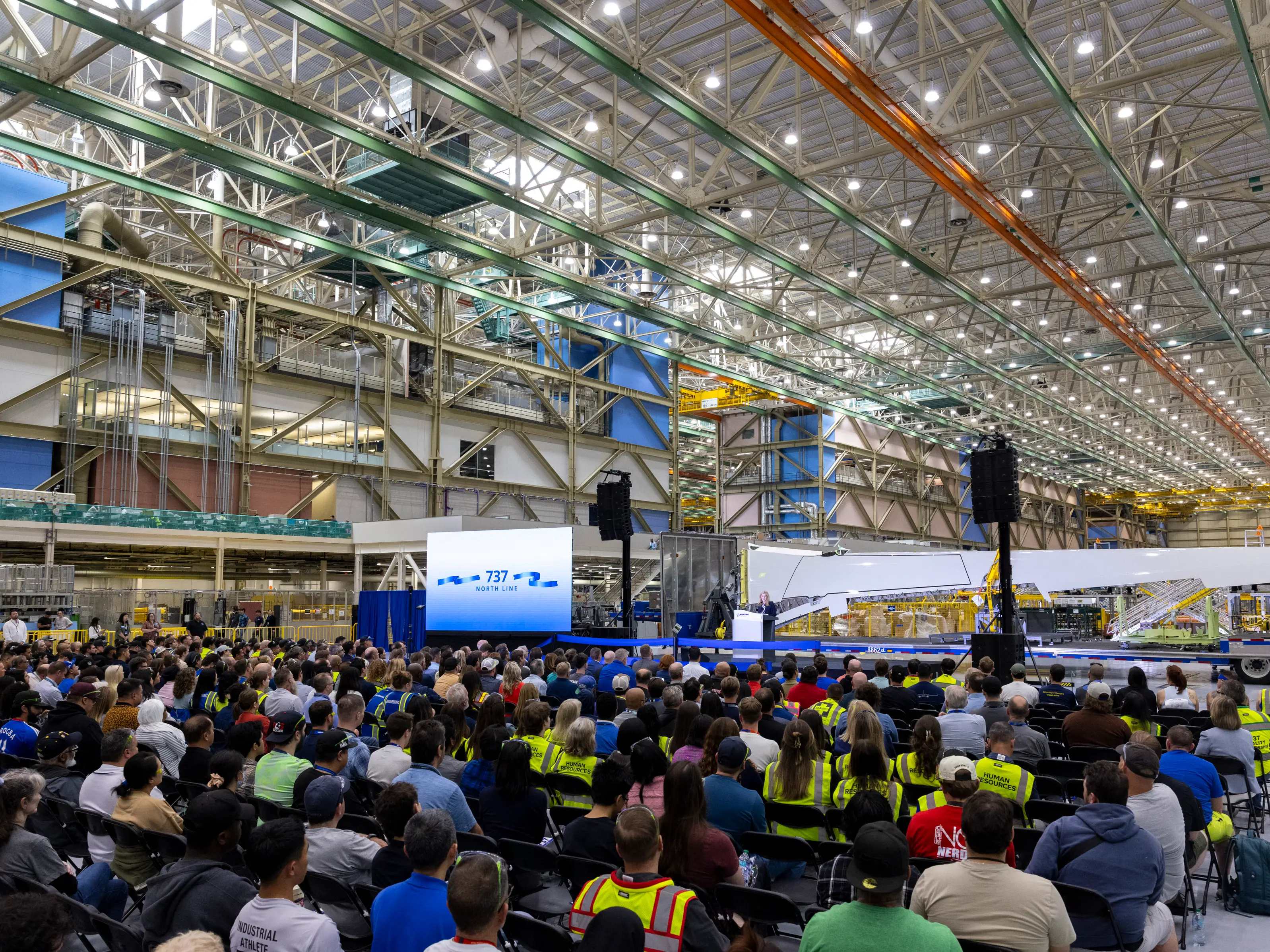)
American manufacturing is reshoring faster than its factory floors can absorb
)
National Film Awards 2026: Yami Gautam wins Best Actress for Article 370
)
Rani Mukerji's mother Krishna Mukerji passes away; Karan Johar, Jaideep Ahlawat visit actress
)
'Our team opened the gate of gold medals': Harmanpreet Kaur on India’s Asian Games final win
)
Gravitas | Boosting NHS productivity could save 20,600 lives in UK annually: Report
)
The Verdict | Moral policing isn’t culture or discipline, it’s crime
)
'Needs time away from the international scene': England white-ball captain Brook on pacer Brydon Carse's future
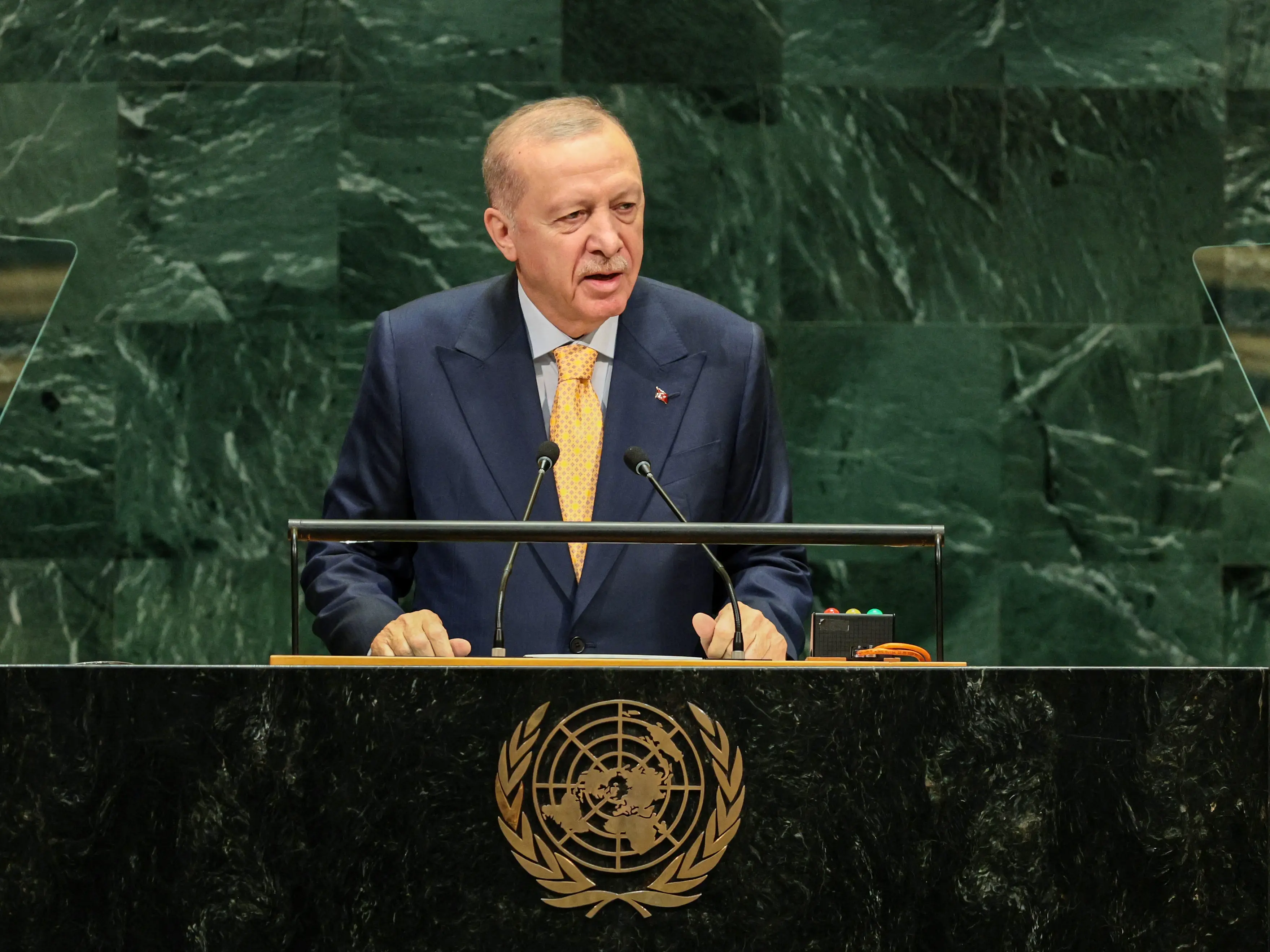)
Erdogan again raises Kashmir issue at UNGA, calls for dialogue under UN Charter
)
Saudi Arabia exits China-led mBridge digital currency platform amid Saudi-Houthi conflict
)
WION Iconic Tourism Summit and Awards 2026: Key voices to discuss India’s tourism future
)
Justice eludes Air India 1985 bombing victims as Canada probe goes 'inactive' | Gravitas
)
Explainer: Why rare-earth export licences and Board of Trade are US priorities ahead of Trump-Xi summit
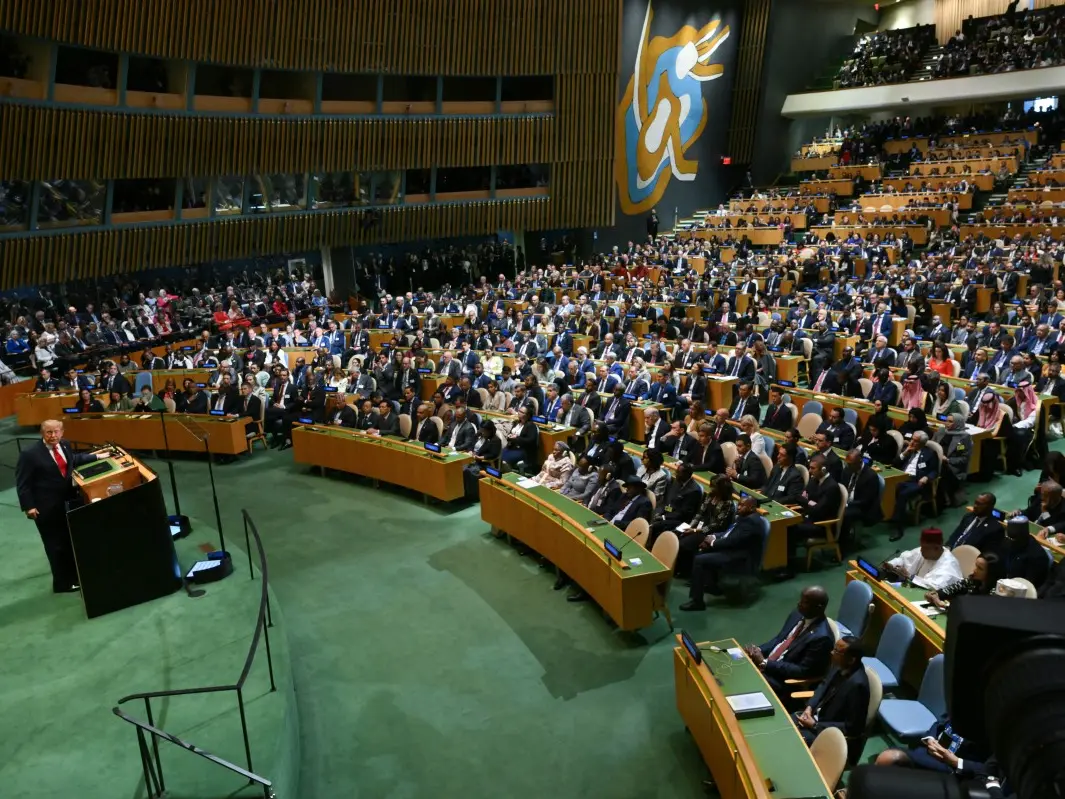)
Trump calls Cuba a ‘failed state’ at UN, Cuban delegation walks out
A crucial aspect of the program is its partnership with Forum Mobility, which is developing charging infrastructure at California ports and along major freight routes. Jacqueline Torres, a vice president at Forum Mobility, highlighted the significance of this coordinated approach: "For so long, this has been the story of the chicken and the egg. You can't have the trucks before you have the charging, and you can't have the charging before you have the trucks. This program brings both of those together."
The initiative addresses multiple challenges simultaneously: the environmental impact of port operations, the financial barriers to electric vehicle adoption, and the need for comprehensive charging infrastructure. By providing both the vehicles and ensuring access to charging facilities, the program offers a holistic solution to the complex challenge of decarbonizing port operations.
This investment comes at a critical time for California's ports, which play a vital role in national and international commerce while contributing significantly to local air pollution and greenhouse gas emissions. The transition to electric drainage trucks could substantially reduce both local air pollutants and carbon emissions, improving air quality in port-adjacent communities while advancing climate goals.
The scale of this investment could also help accelerate the broader adoption of electric heavy-duty vehicles by demonstrating their viability in demanding port operations. Success in this environment could encourage similar transitions in other sectors of the trucking industry, potentially catalysing a wider shift toward zero-emission commercial vehicles.

