EVs have potential to reach 24 per cent EU car market share by 2025

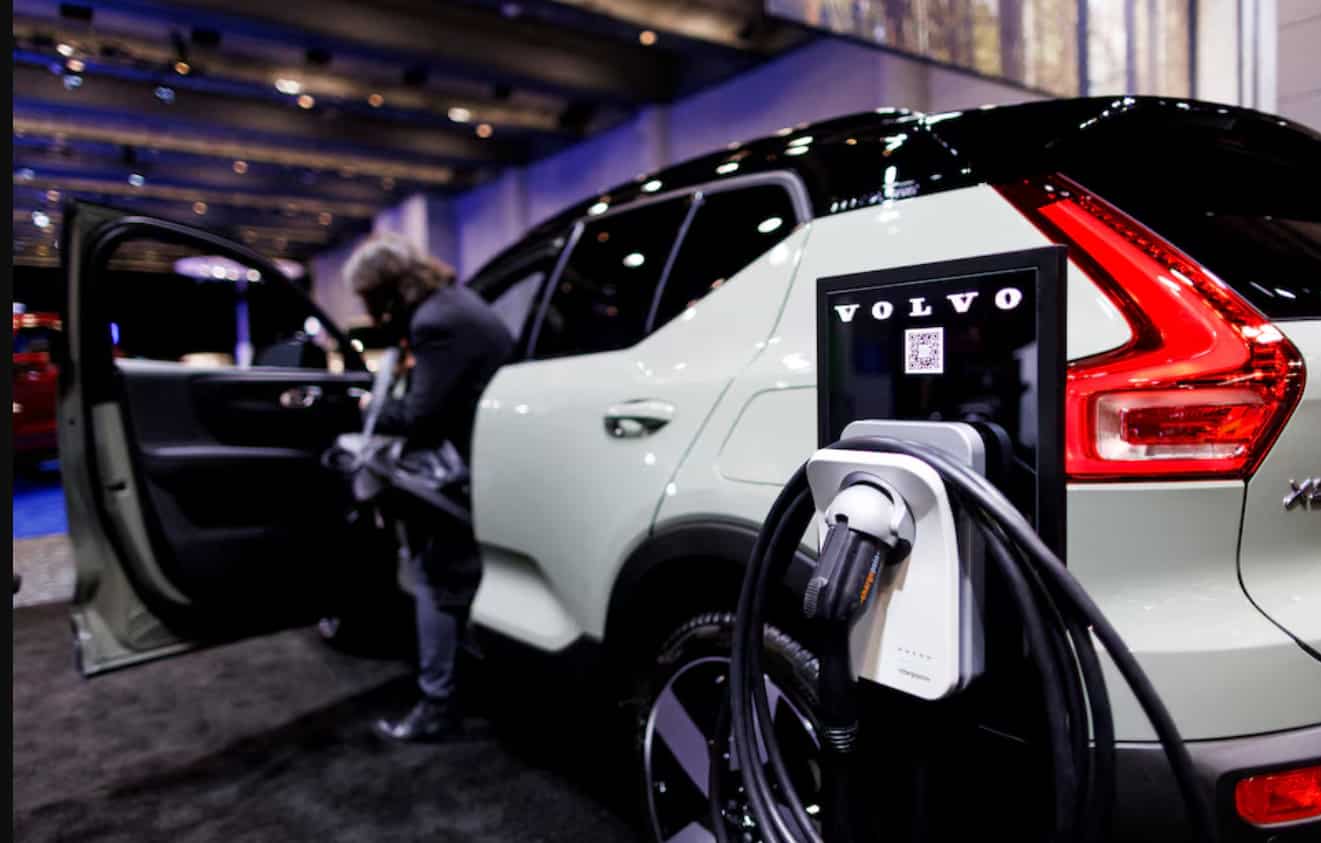
EU set to vote on increased tariffs for Chinese EVs on September 25
Transport & Environment (T&E), a prominent campaign group, has released new projections for the market share of battery-electric vehicles (BEVs) in the European Union. According to their analysis, BEVs are expected to capture between 20 per cent and 24 per cent of the total market by 2025. This forecast is primarily attributed to the anticipated reduction in selling prices for electric vehicles.
The current landscape of EV sales in the EU has shown a slowdown in recent months. In the first half of the year, EVs accounted for only 14 per cent of the market share. This deceleration can be partially attributed to the inconsistent policies regarding green incentives across different EU member states. EU regulators have imposed substantial tariffs on Chinese cars in an effort to protect the European automotive industry.
Germany, which represents the largest EV market within the European Union, took action in September by introducing new incentives aimed at accelerating the transition to green transportation. This move is expected to have a significant impact on the overall EV adoption rate in the region.

T&E has revised its earlier forecast from June, which had predicted a 21 per cent market share for EVs next year. The organisation now anticipates a resurgence in sales, based on several factors. One key consideration in their updated projections is the expected introduction of seven new fully-electric models priced under 25,000 euros (USD 27,835.00) in 2024 and 2025. These affordable models are predicted to capture 10 per cent to 15 per cent of the BEV market next year, making electric vehicles more accessible to a broader range of consumers.
In terms of environmental impact, T&E estimates that BEVs will play a crucial role in helping carmakers meet EU emissions targets next year. The organisation projects that BEVs will contribute approximately 60 per cent of the required carbon dioxide (CO2) reduction. Hybrid vehicles are expected to account for an additional 20 per cent of emission reductions, further supporting the industry's efforts to comply with regulatory standards.
However, the European automotive industry is facing challenges on multiple fronts. A decline in EV demand, coupled with increased competition from more affordable Chinese competitors, has led some European manufacturers to call for legislative action.
)
ICC plans T20I expansion and fewer ODIs in 2027–2031 FTP cycle: Report
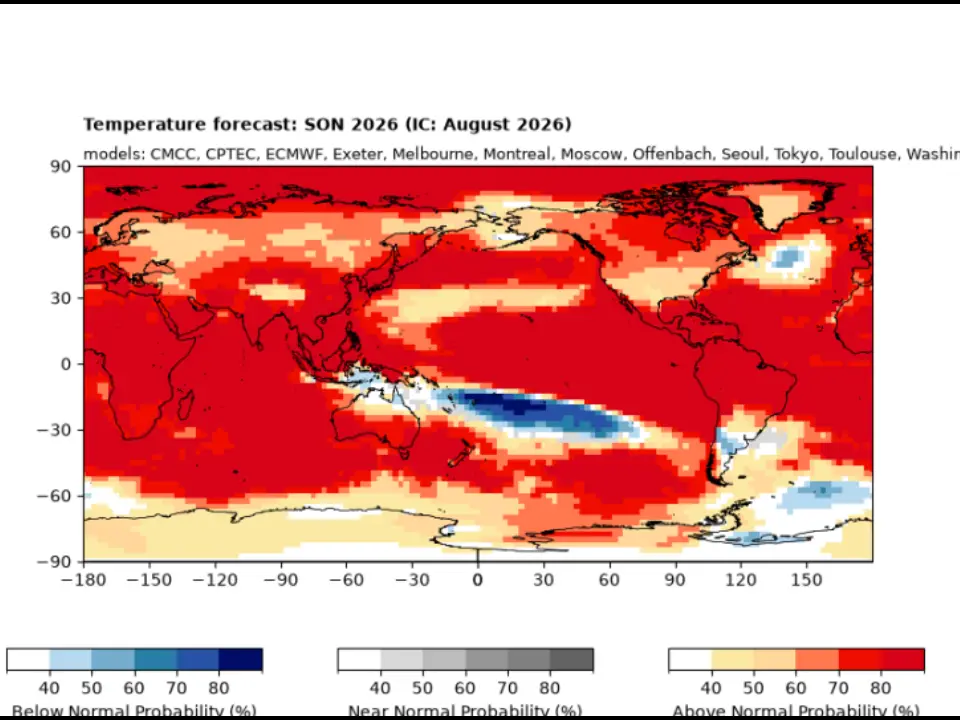)
El Niño 2026 heats up to become strongest in 1,000 years
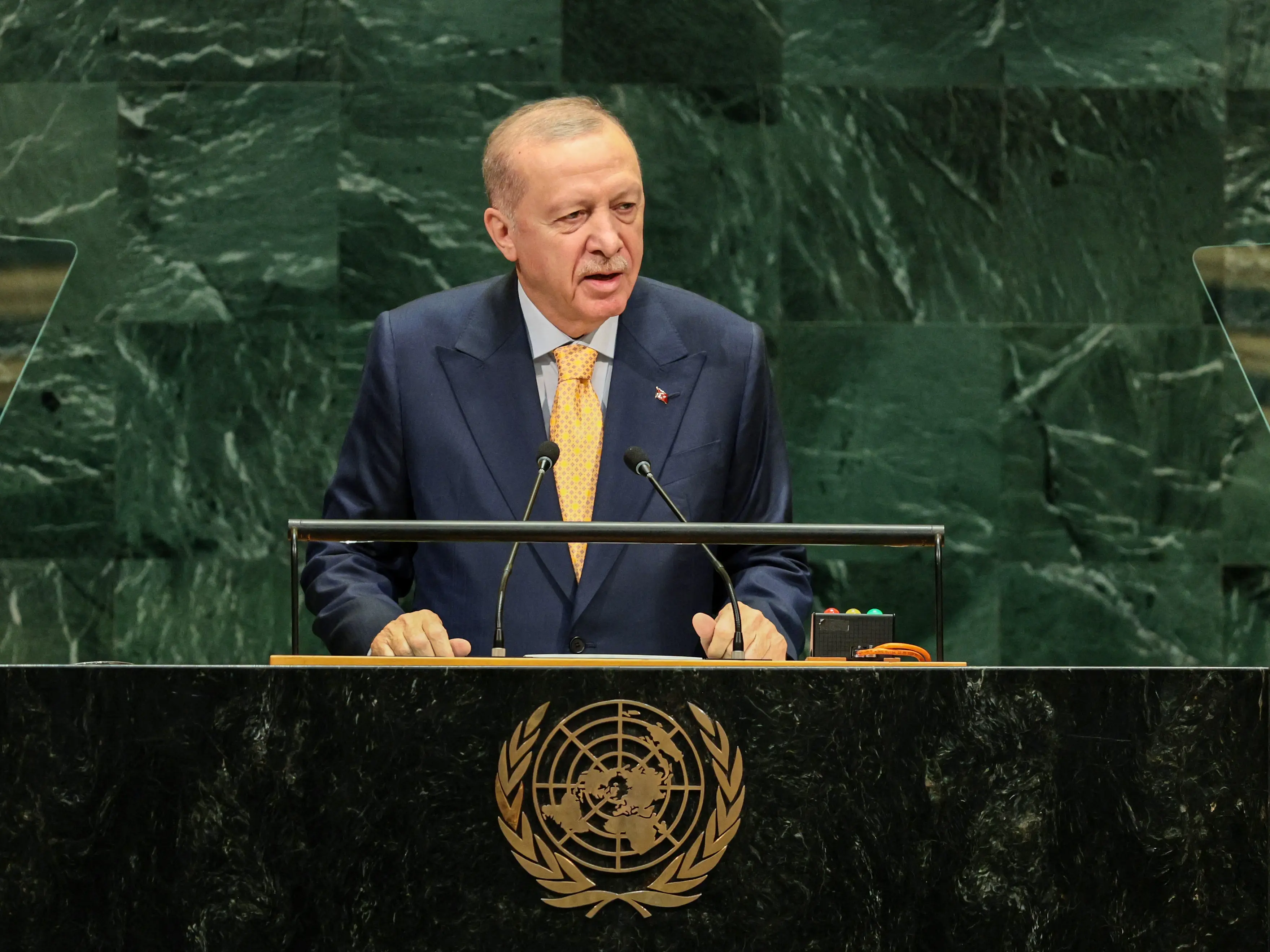)
Erdogan again raises Kashmir issue at UNGA, calls for dialogue under UN Charter
)
Four female students raped during 'Red Zone' at California university. What we know
)
Nor'easter could batter 13 US states this week. What you should know
)
Major League Soccer referee sacked for sexist comment about female match referee
)
IND vs JPN, one-off T20I: Japan captain Kendel on pushing India to the brink - ‘It was special’
)
IND vs JPN T20I: How an overturned wide became point of difference between India's win and a tie
&im=FitAndFill=(700,400))
New OTT releases this week (September 21-27, 2026): Shaque: Trust No One, Hunkkaar, Don’t Be Shy- 5 new titles coming to Netflix, Prime Video and more
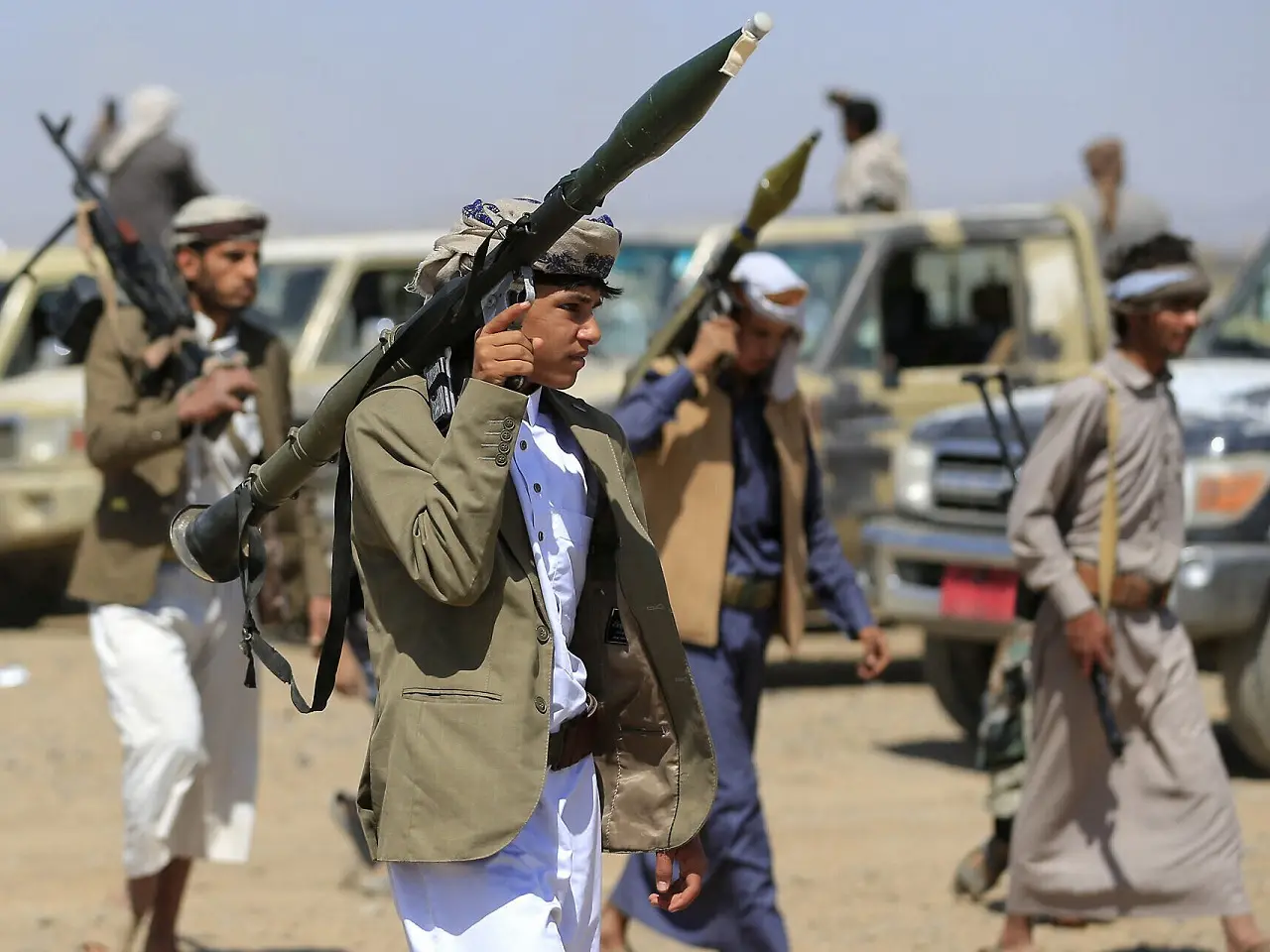)
Yemen clashes kill 154 people in two days as cornered Saudi battles Houthi offensive | Gravitas
)
81st UN General Assembly: Burnham announces UK-US AI defence tie-up
)
'What kind of confession is this?': Pakistan PM Shehbaz Sharif’s 'terrorists would be roaming New York' remark goes viral, raises alarm online. Watch
)
WION Iconic Tourism Summit and Awards 2026: Key voices to discuss India’s tourism future
)
Anne Hathaway to run in supporting race for Nolan's epic
)
Infections transmitted from pregnant woman linked to autism risk
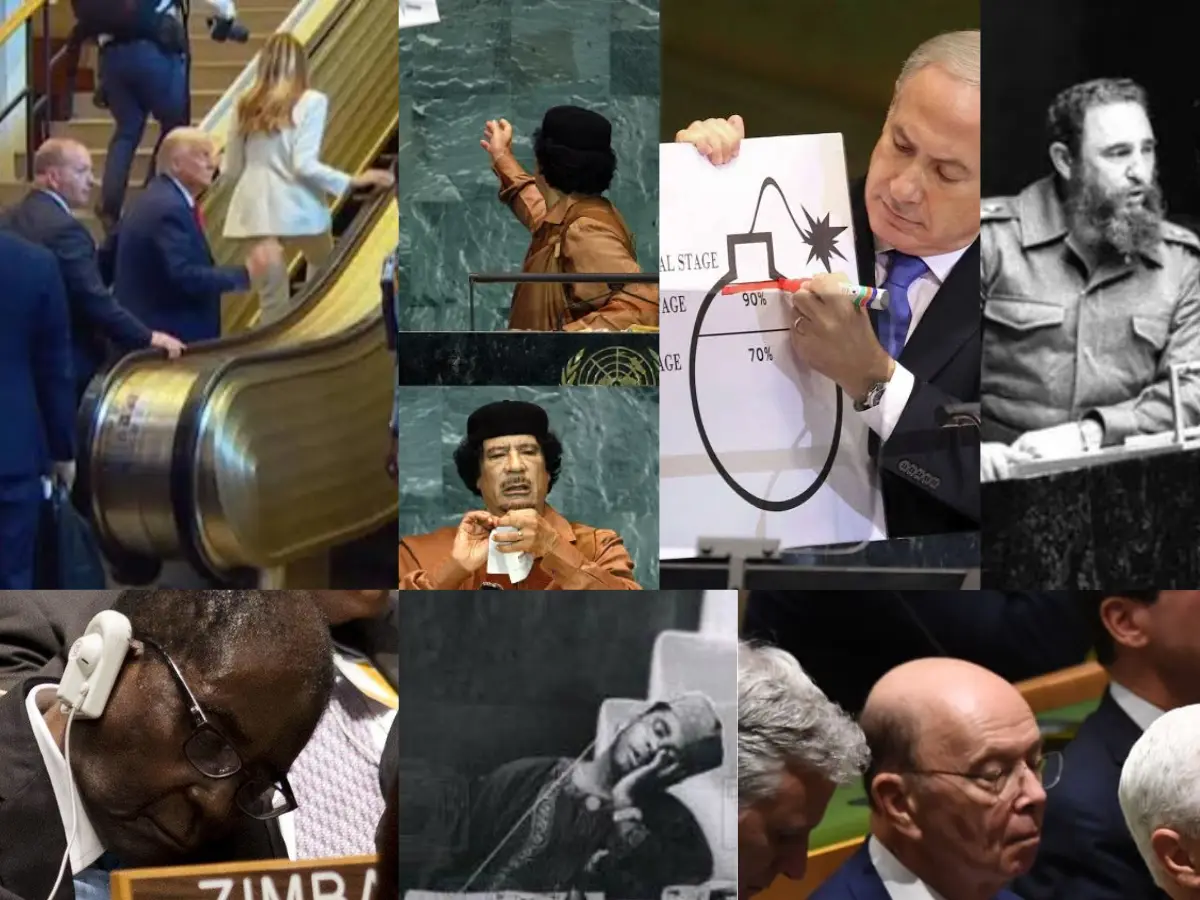)
From Gaddafi tearing up UN Charter to Trump’s ‘escalatorgate’: Most unforgettable UNGA moments
)
US-China tech war: Businesses in the front line
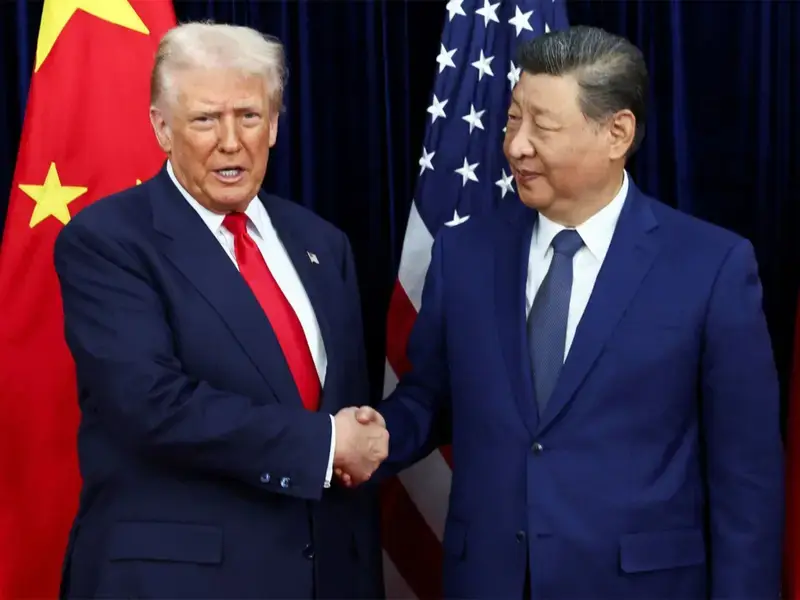)
'Taiwan and human rights are red lines': China warns US ahead of Xi-Trump visit
)
Bomb scare in New York amid UNGA: Suspicious suitcase found near UN headquarters
)
Asia prepares for record El Nino, food shock
)
Forget apps: Qualcomm CEO says AI agents will change how we use smartphones
&im=FitAndFill=(700,400))
National Film Awards 2026: Kartik Aaryan, Mammootty, Yami Gautam, Randeep Hooda and other key winners
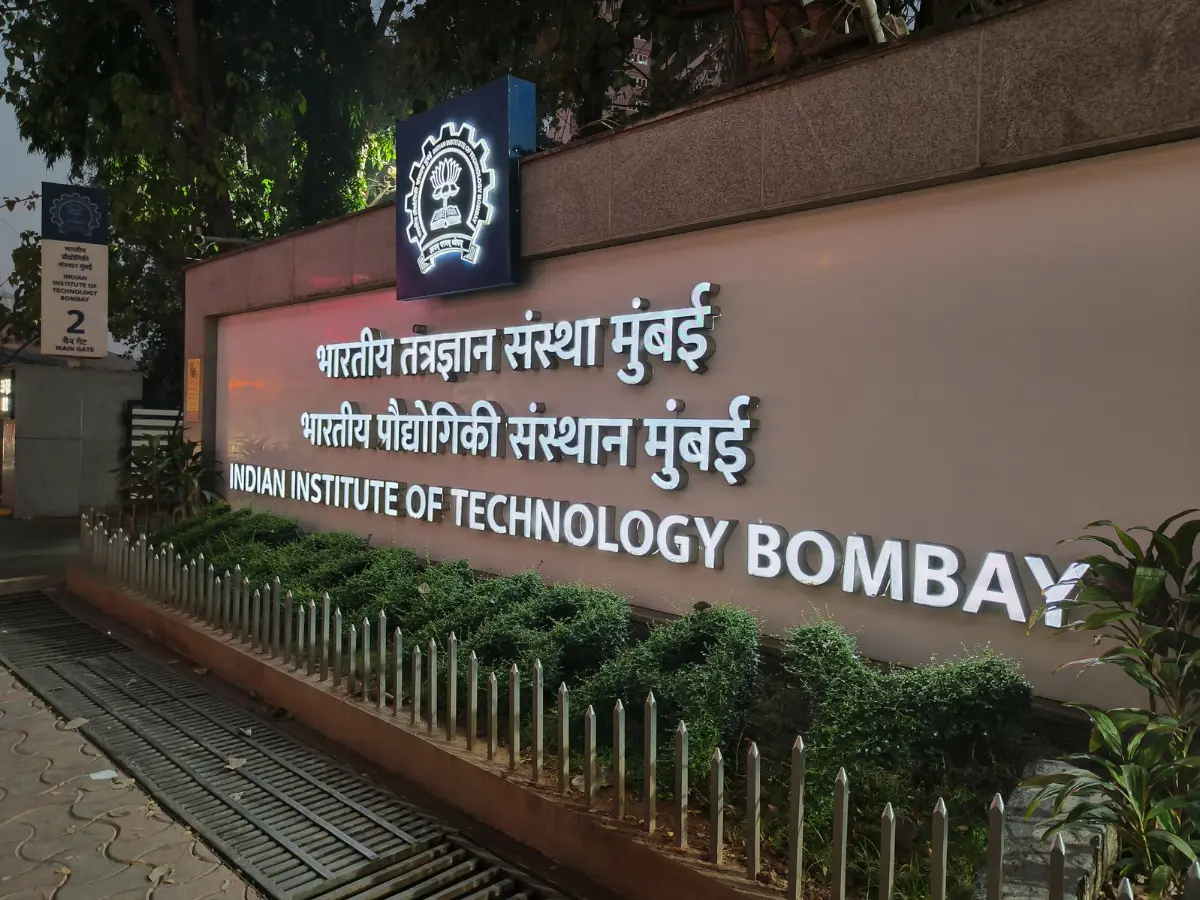)
IIT Bombay professor Suryanarayana Doolla sent on leave amid Sahil Wakode death probe
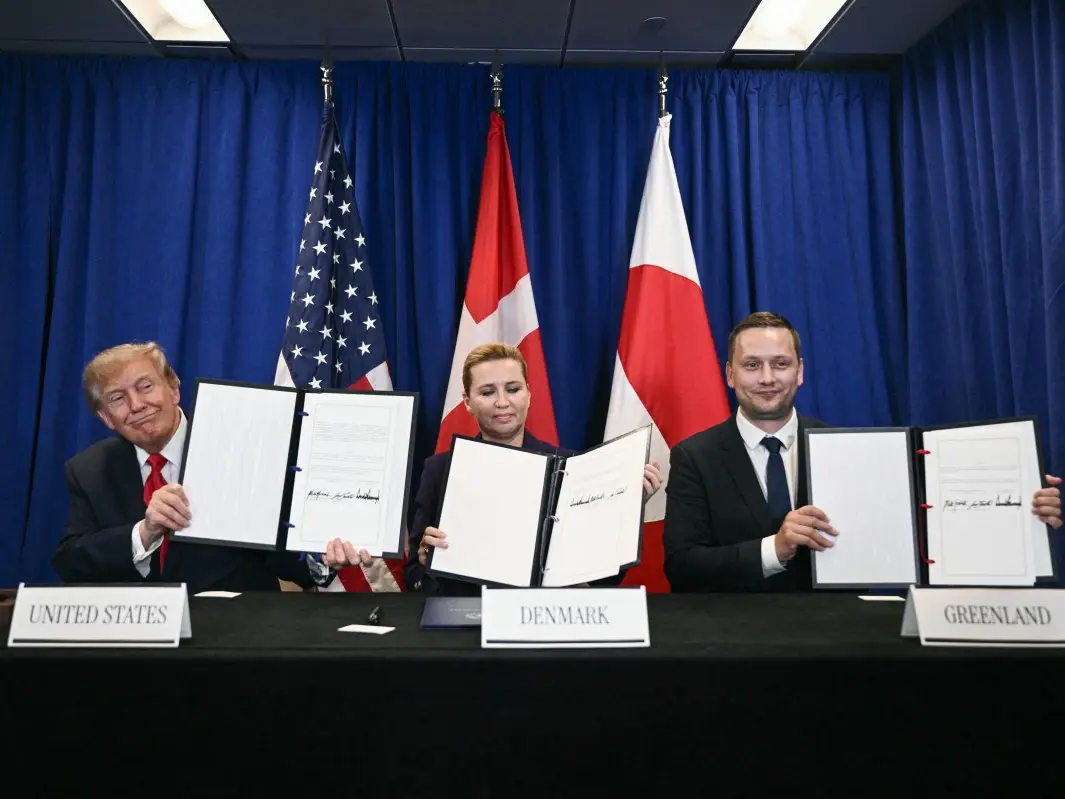)
Trump signs Greenland security deal with Denmark, paving way for two new US military bases
)
Mikel Arteta verbally agrees to three-year extension with Arsenal after title-winning Premier League season
)
Over 4,200 books withdrawn from circulation in J&K colleges, 94% from Kashmir
)
WION Iconic Tourism Summit and Iconic Awards 2026: India's travel economy leaders gather in Delhi
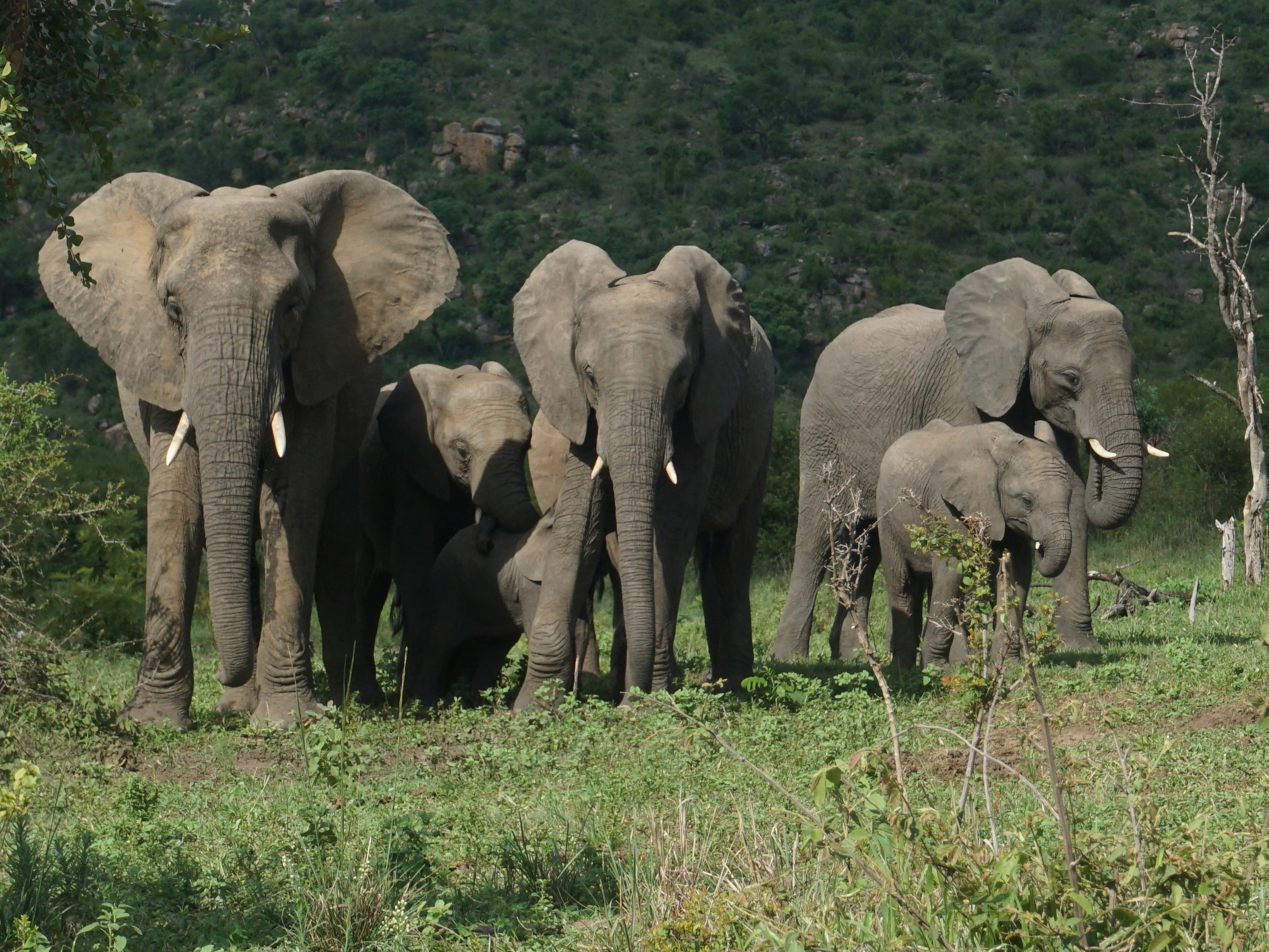)
Elephants hide behind trees, stage surprise attack on poachers targeting rhinos in South Africa
)
US and China vie for AI dominance as calls grow for regulation | Gravitas
)
Explainer: Why rare-earth export licences and Board of Trade are US priorities ahead of Trump-Xi summit
)
Gravitas | Boosting NHS productivity could save 20,600 lives in UK annually: Report
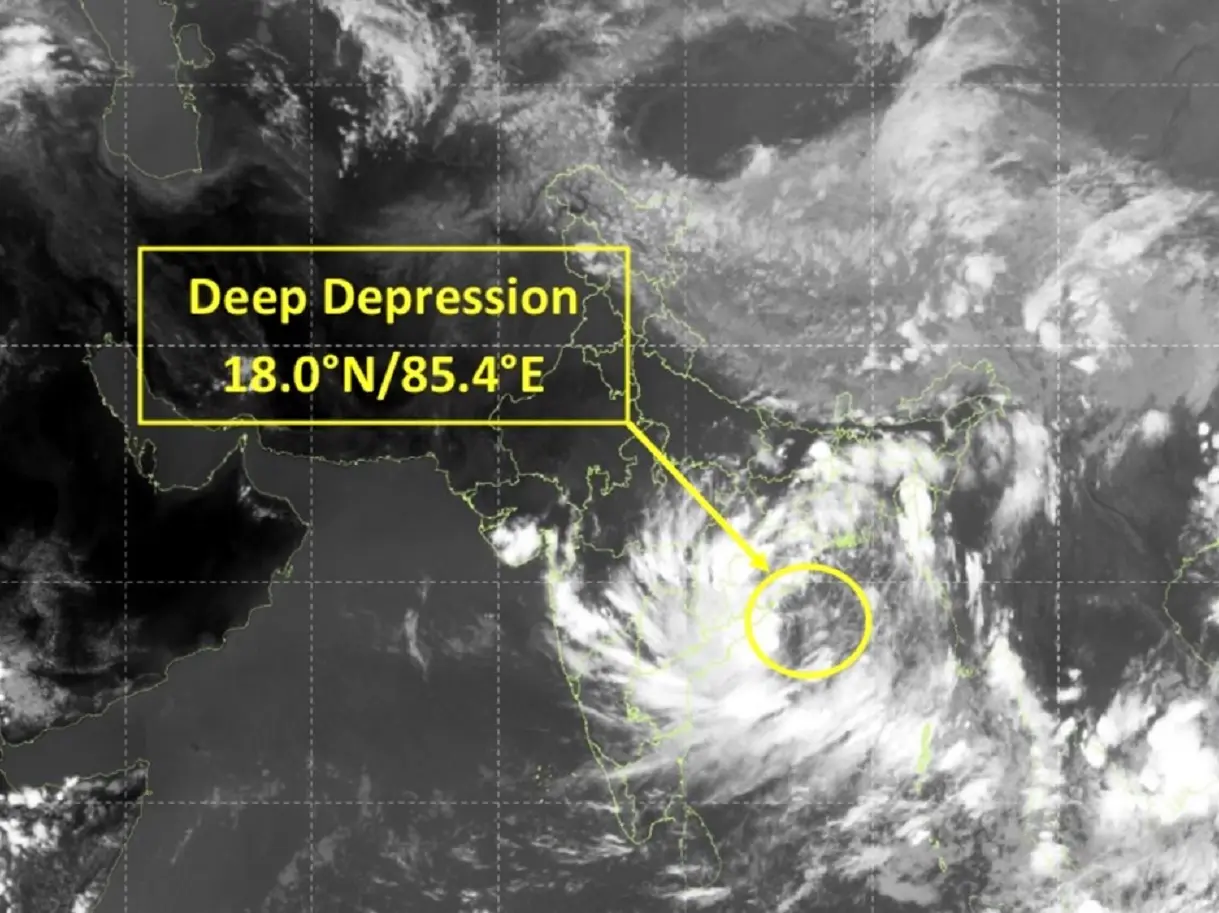)
Cyclone Arnab: Landfall expected before midnight tomorrow as IMD issues orange alerts across six states
)
Trump calls on nations to quit ‘rogue’ and ‘out-of-control’ International Criminal Court, rips UN
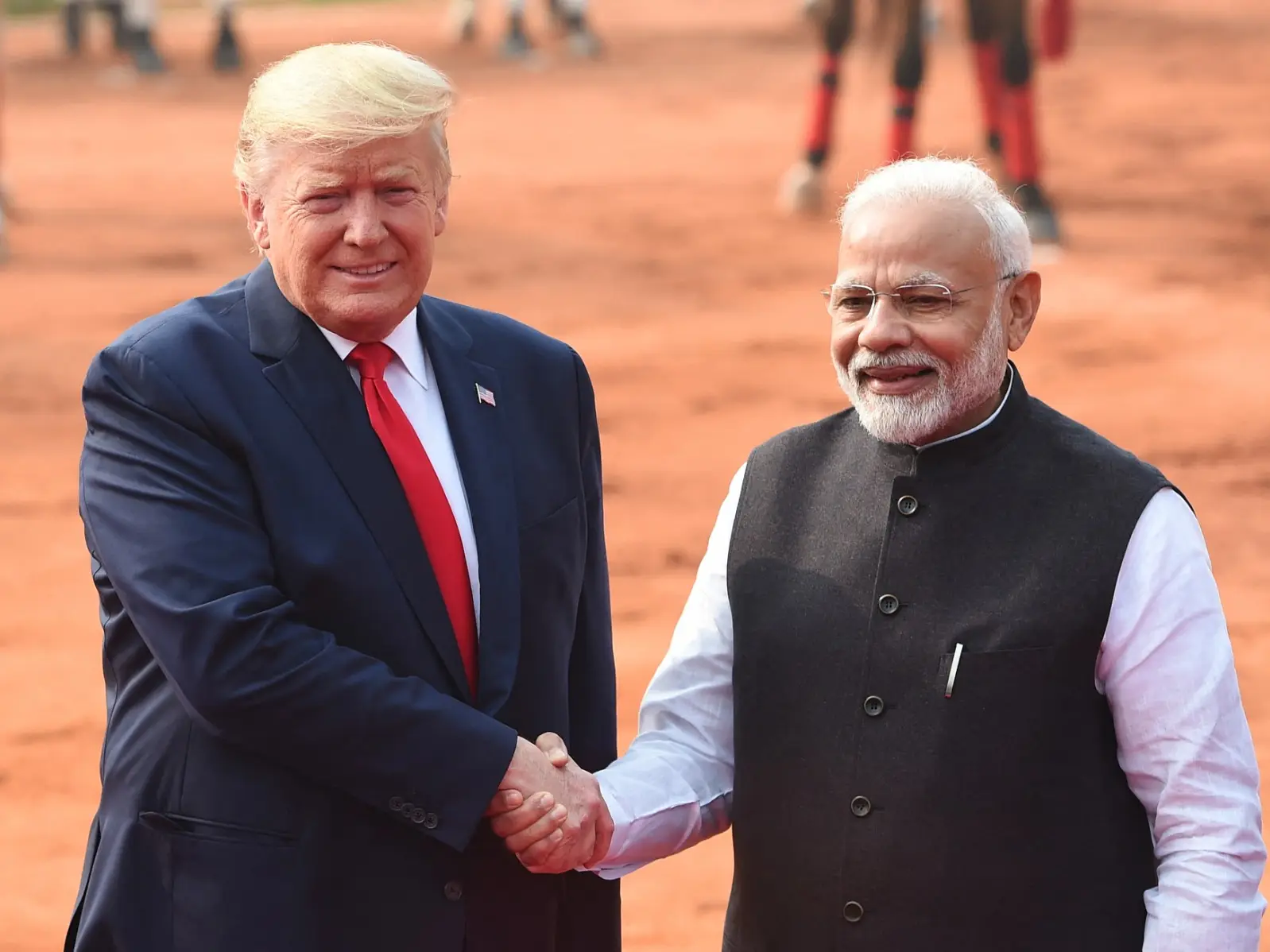)
Trump revives India-Middle East-Europe economic corridor as India emerges central to West Asia’s future: What is it?
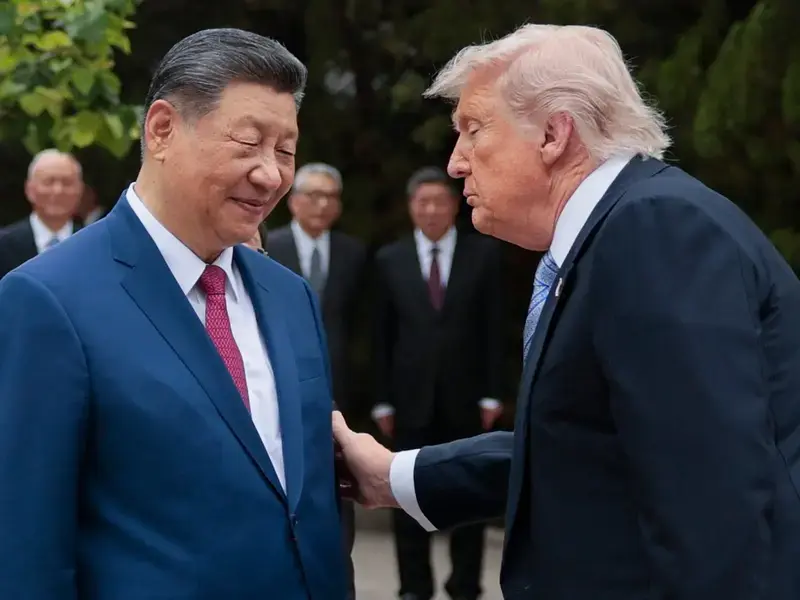)
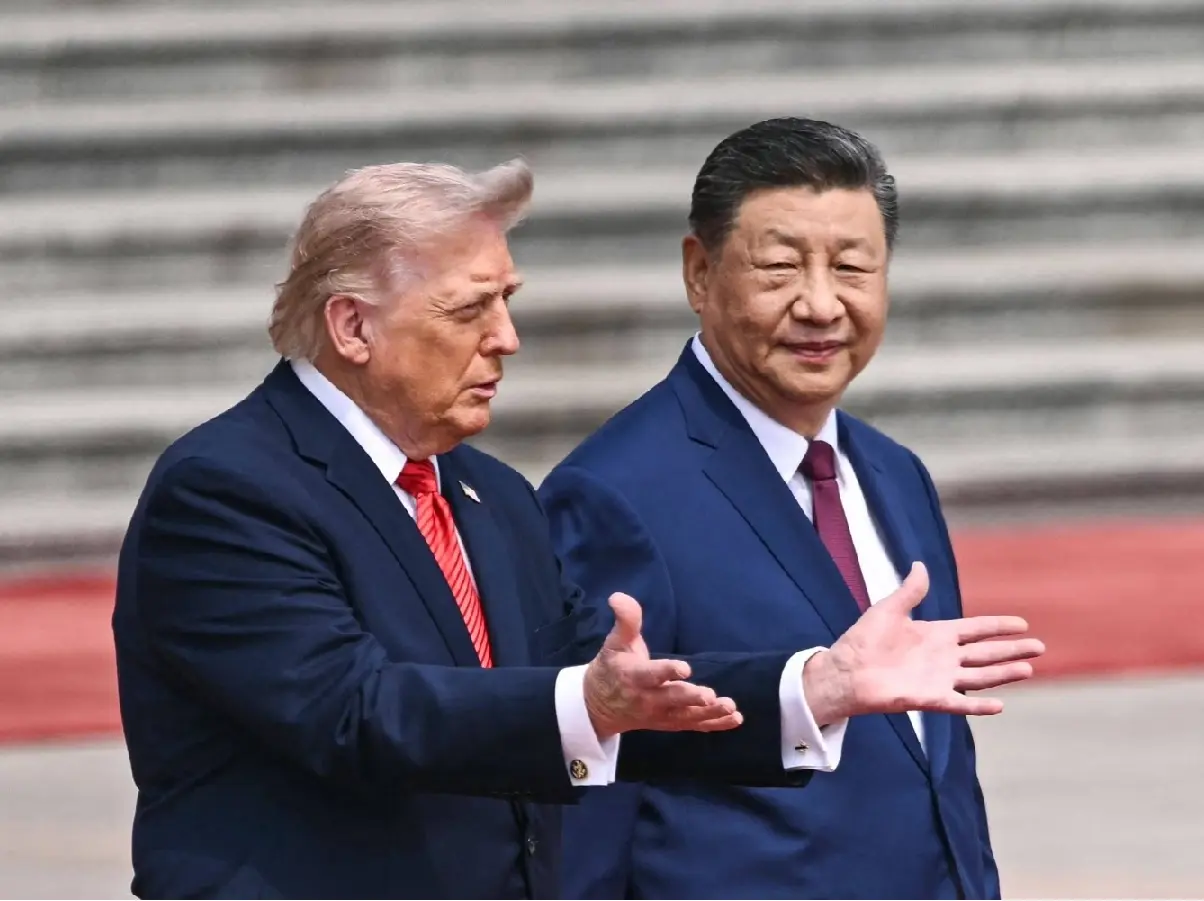
Trump-Xi summit: From trade to Taiwan, what will the US and Chinese presidents discuss in Washington?
)
Justice eludes Air India 1985 bombing victims as Canada probe goes 'inactive' | Gravitas
)
WION Iconic Tourism Summit: Seychelles envoy says India partnership is important for Seychelles
Specifically, they are urging EU lawmakers to activate a crisis clause that would postpone their CO2 targets by two years, providing them with more time to adapt to the changing market conditions.
The shifting landscape has already prompted several major automakers to reassess their electrification strategies. Companies such as Stellantis, Toyota, Renault, and Mercedes-Benz have all announced adjustments to their electrification targets, scaling back their initial ambitions in response to market realities and challenges.
T&E strongly opposes any attempts to weaken or delay the 2025-2030 emission targets. The organization emphasises the importance of maintaining robust national policies to support the electrification of the automotive sector. They argue that protecting underperforming automakers will only serve to diminish their competitiveness in the long run. T&E asserts that the current dominance of Chinese EV manufacturers in the market demonstrates the risks of shielding less progressive European automakers from competition.