Canadian national admits to conspiracy to sell stolen Tesla trade secrets

Tesla remains a contender in the EV market demand challenges
In a significant development in the battle against intellectual property theft, Klaus Pflugbeil, a 58-year-old Canadian national residing in China, has admitted to stealing trade secrets from Tesla, the leading electric-vehicle manufacturer, and conspiring to sell them to individuals he believed to be Long Island businesspeople. The U.S. Department of Justice (DOJ) revealed that the supposed buyers were, in fact, undercover FBI agents.
Pflugbeil, who operates a China-based company that deals in electric vehicle technology, now faces a maximum sentence of 10 years in prison for his role in the scheme. Along with his business partner, Yilong Shao, Pflugbeil had planned to profit from the sale of Tesla's proprietary information. However, Shao, who was also charged in the case, remains at large and could not be reached for comment.
The guilty plea marks a significant victory for the U.S. government in its efforts to protect American businesses from intellectual property theft and espionage. U.S. Assistant Attorney General Matthew Olsen emphasised the importance of holding individuals like Pflugbeil accountable for their actions, stating that the unlawful conduct "jeopardised our national security."

Prosecutors revealed that Pflugbeil and Shao had built their electric vehicle battery business on trade secrets stolen from a "leading U.S.-based electric vehicle company." Although the company was not named in the court proceedings, the description matches Tesla's 2019 acquisition of Hibar, a Canadian manufacturer of battery-assembly lines.
Both Pflugbeil and Shao had previously worked for the Canadian company before Pflugbeil joined Shao's business venture in 2020. The DOJ noted that the unnamed business now operates in multiple countries, including China, Canada, Germany, and Brazil, producing the same battery-assembly equipment as their former employer.
The case highlights the ongoing challenges faced by American companies in protecting their intellectual property from theft and unauthorised use. As the global demand for electric vehicles continues to grow, the technology and manufacturing processes behind these vehicles have become increasingly valuable, making them a prime target for industrial espionage.
)
ICC plans T20I expansion and fewer ODIs in 2027–2031 FTP cycle: Report
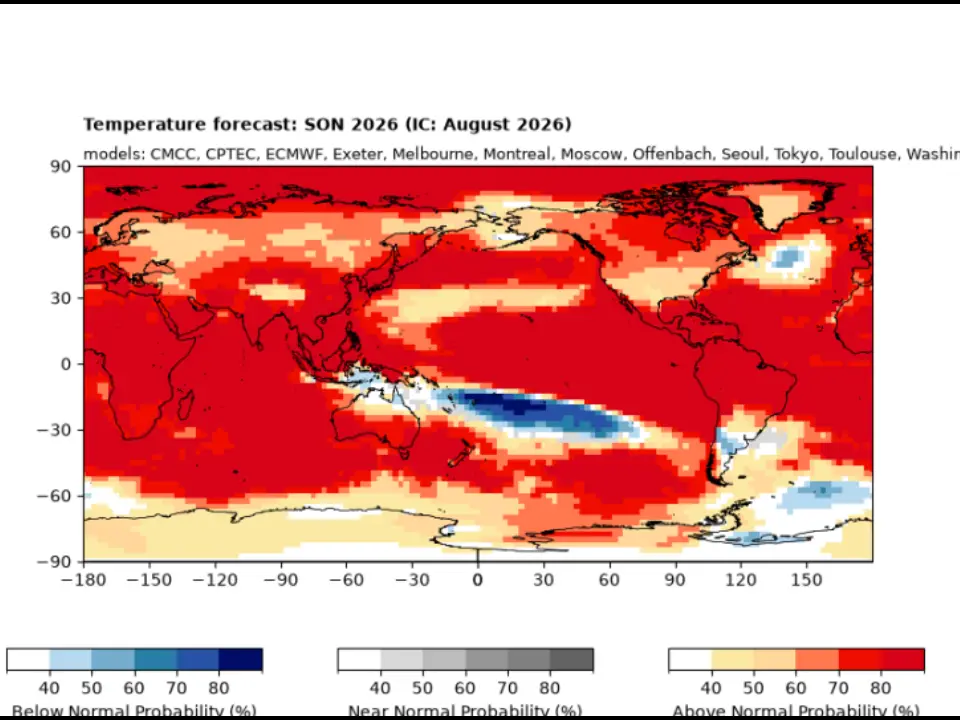)
El Niño 2026 heats up to become strongest in 1,000 years
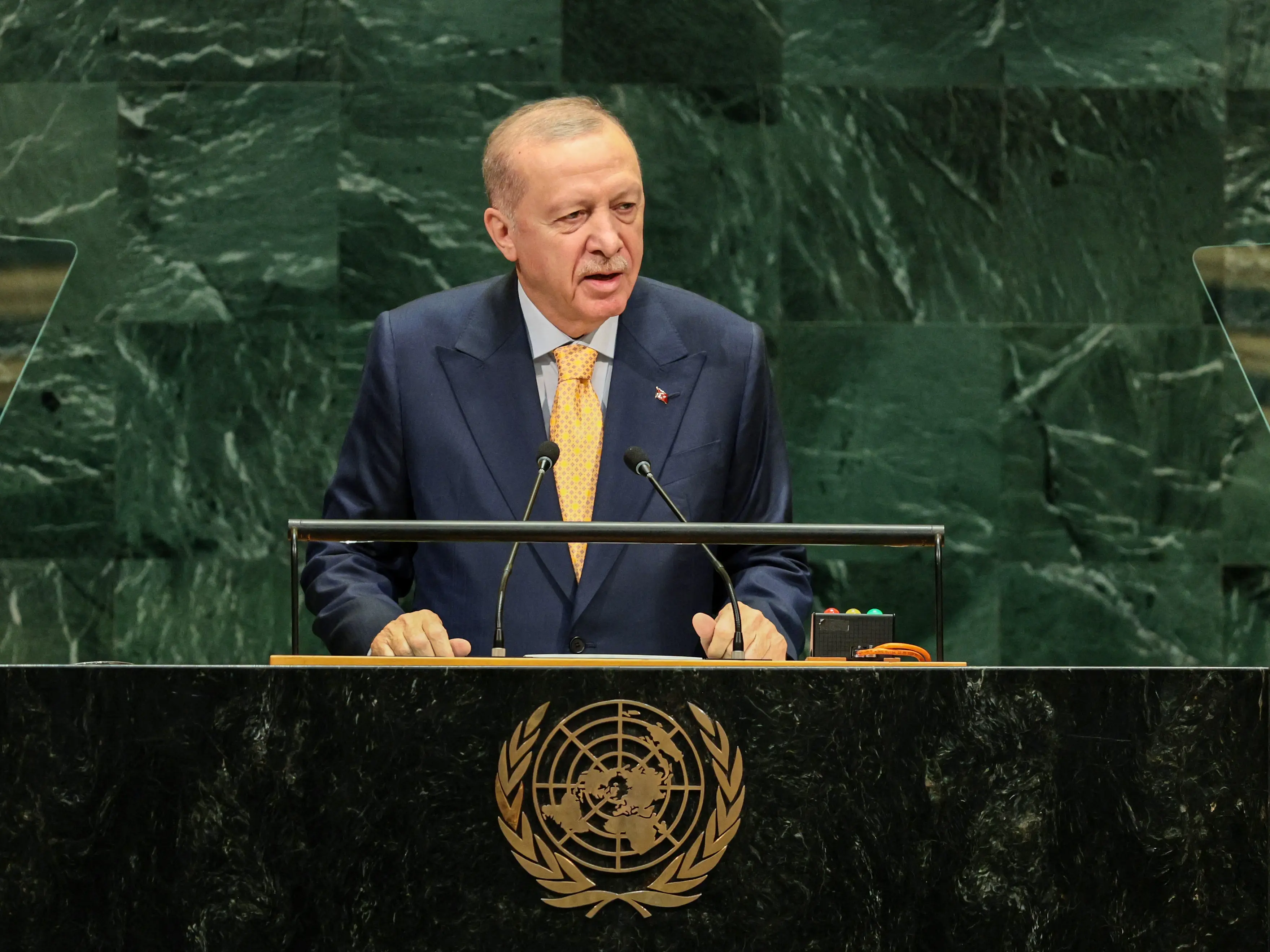)
Erdogan again raises Kashmir issue at UNGA, calls for dialogue under UN Charter
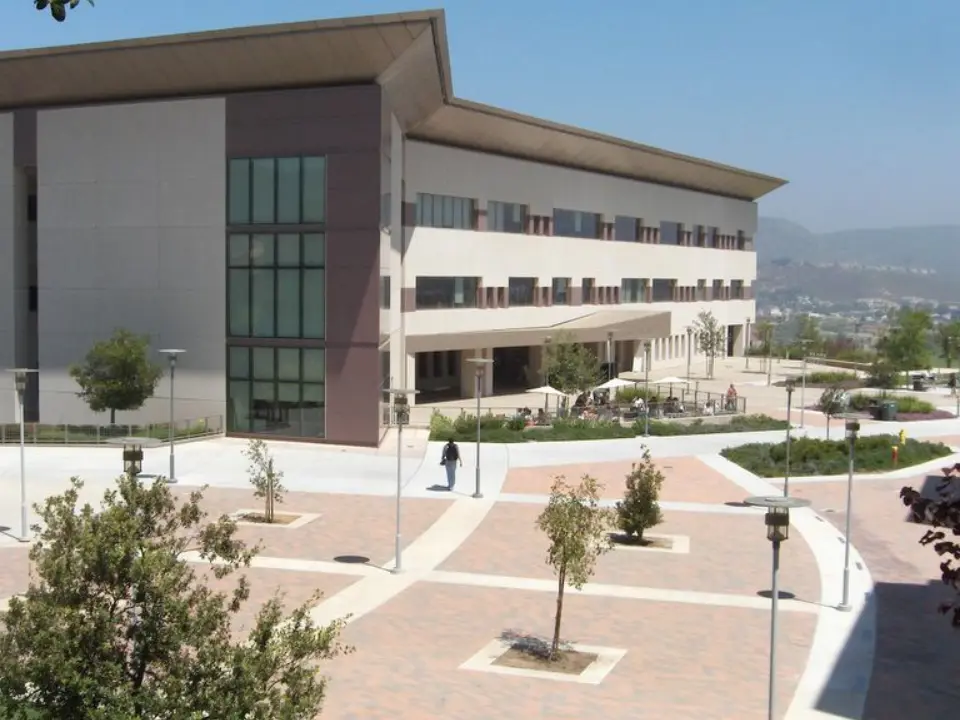)
Four female students raped during 'Red Zone' at California university. What we know
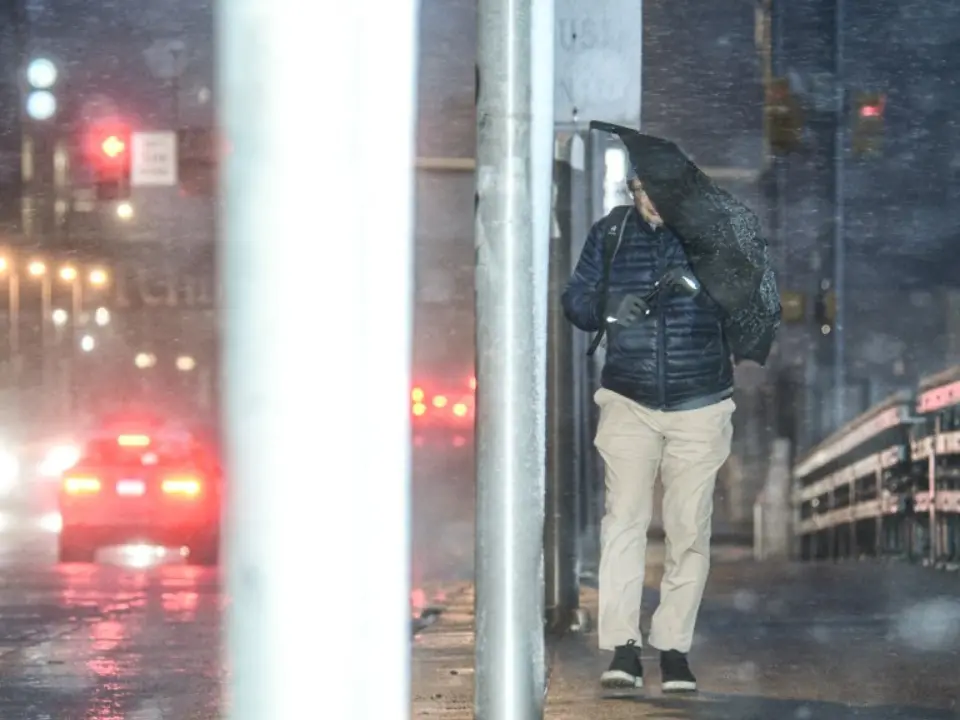)
Nor'easter could batter 13 US states this week. What you should know
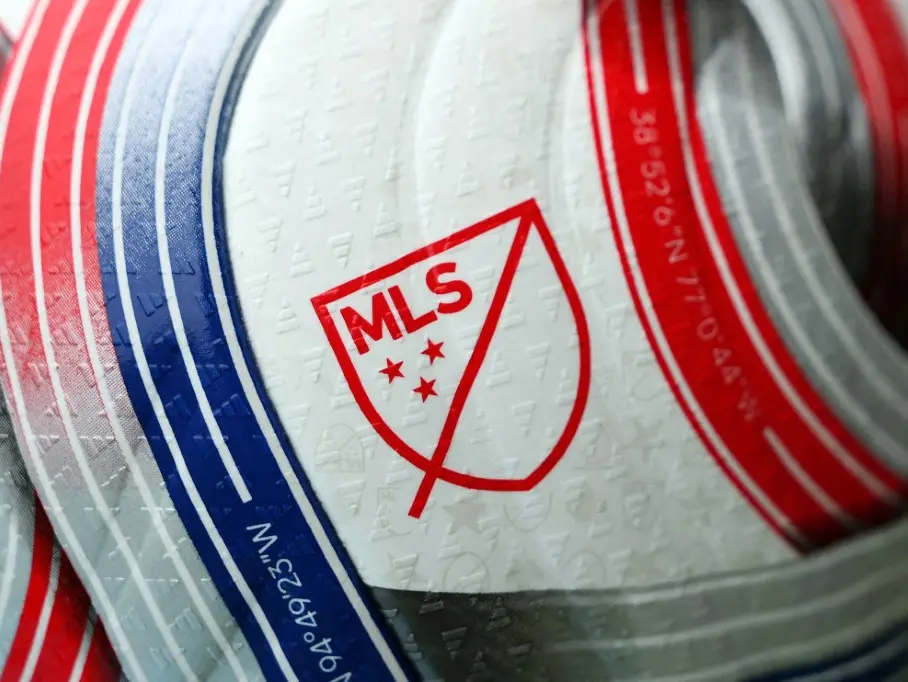)
Major League Soccer referee sacked for sexist comment about female match referee
)
IND vs JPN, one-off T20I: Japan captain Kendel on pushing India to the brink - ‘It was special’
)
IND vs JPN T20I: How an overturned wide became point of difference between India's win and a tie
&im=FitAndFill=(700,400))
New OTT releases this week (September 21-27, 2026): Shaque: Trust No One, Hunkkaar, Don’t Be Shy- 5 new titles coming to Netflix, Prime Video and more
)
Yemen clashes kill 154 people in two days as cornered Saudi battles Houthi offensive | Gravitas
)
81st UN General Assembly: Burnham announces UK-US AI defence tie-up
)
'What kind of confession is this?': Pakistan PM Shehbaz Sharif’s 'terrorists would be roaming New York' remark goes viral, raises alarm online. Watch
)
WION Iconic Tourism Summit and Awards 2026: Key voices to discuss India’s tourism future
)
Anne Hathaway to run in supporting race for Nolan's epic
)
Infections transmitted from pregnant woman linked to autism risk
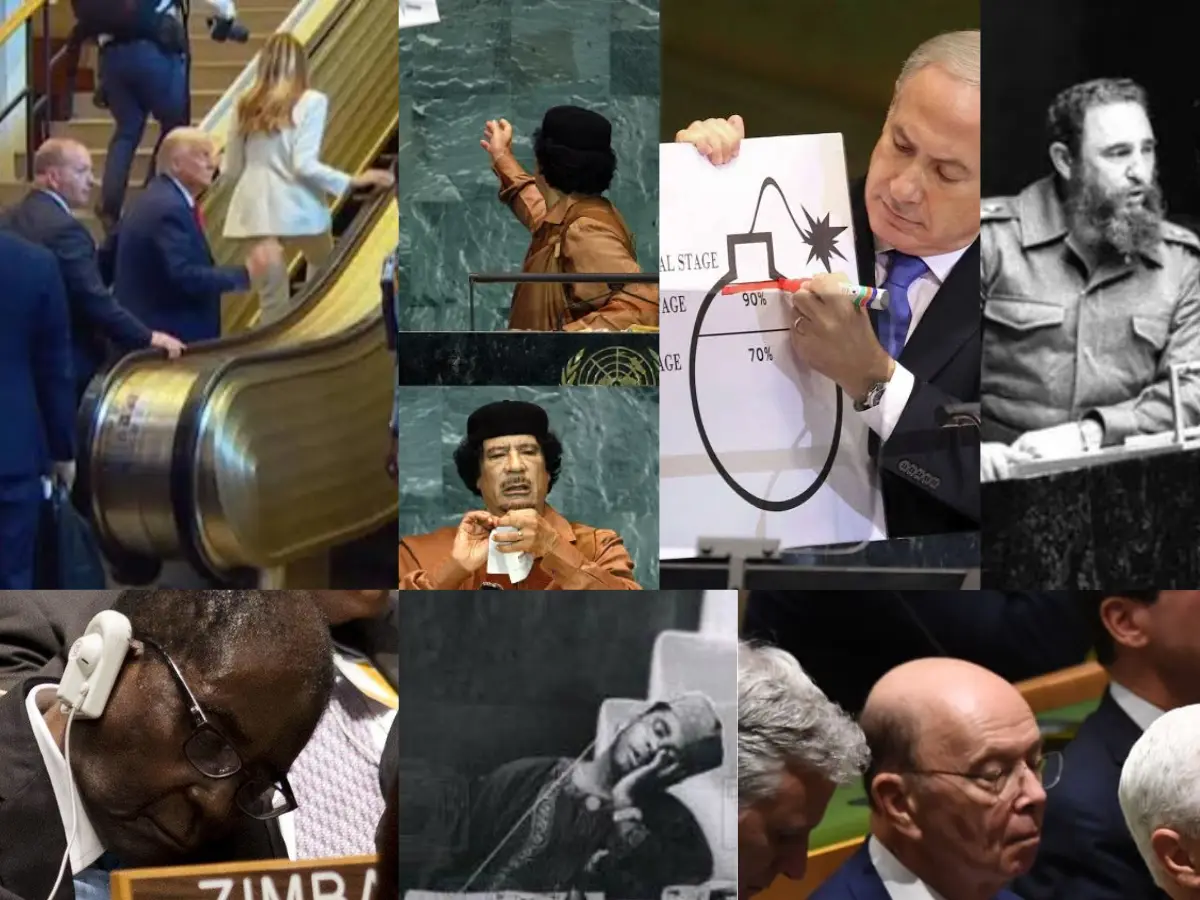)
From Gaddafi tearing up UN Charter to Trump’s ‘escalatorgate’: Most unforgettable UNGA moments
)
US-China tech war: Businesses in the front line
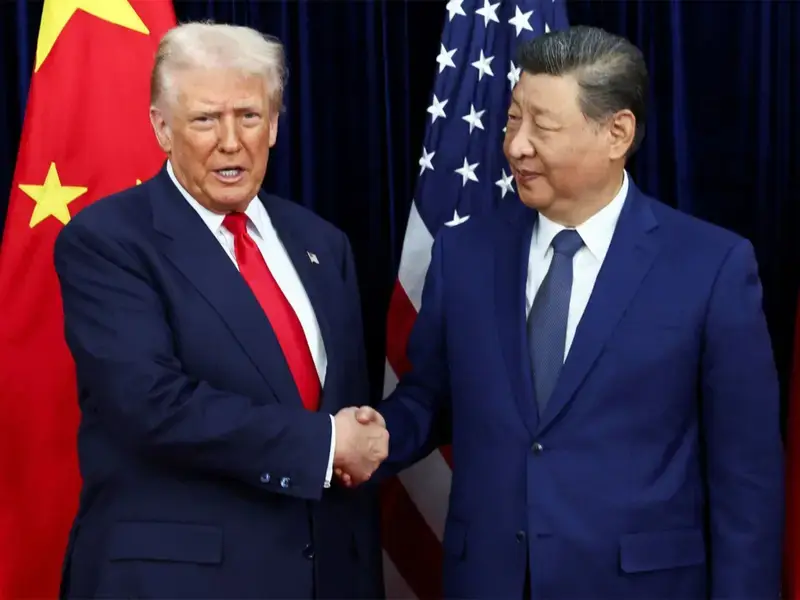)
'Taiwan and human rights are red lines': China warns US ahead of Xi-Trump visit
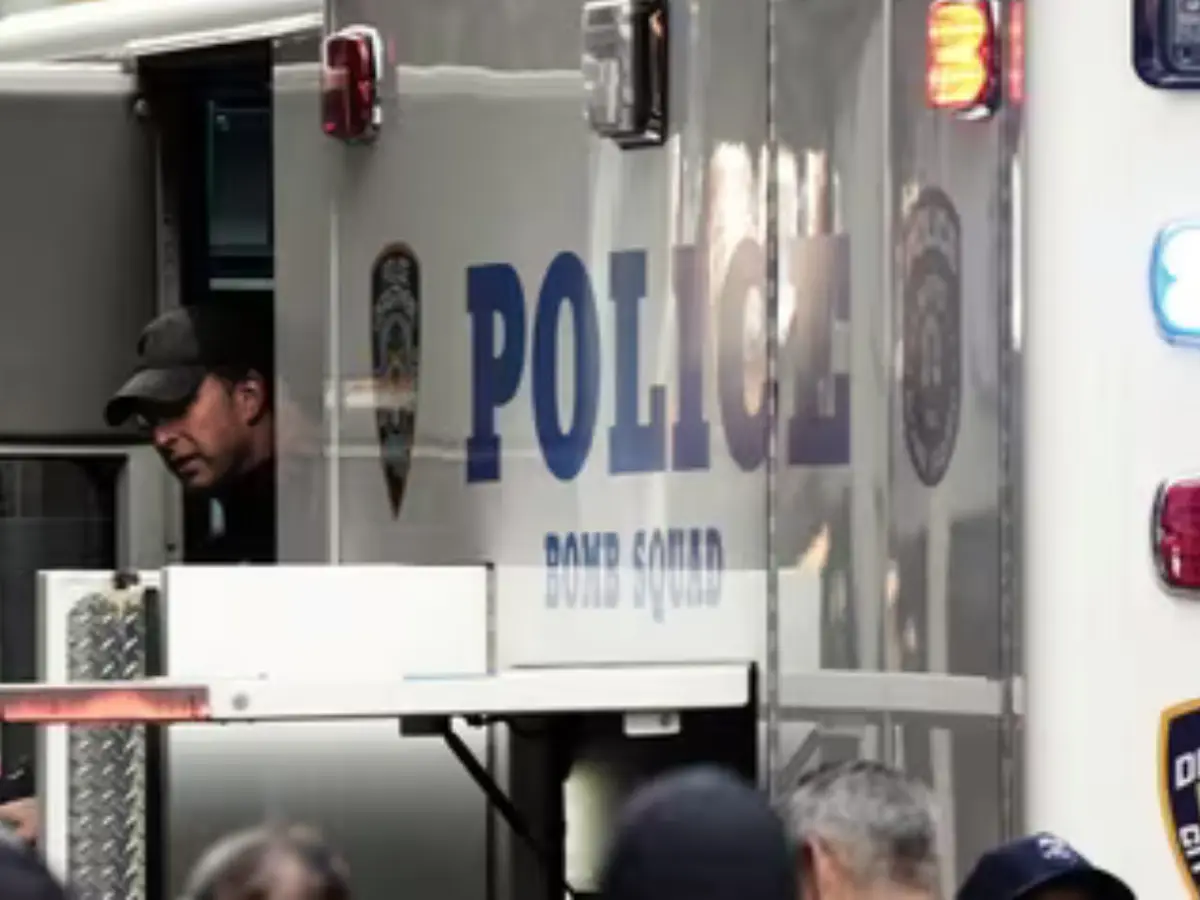)
Bomb scare in New York amid UNGA: Suspicious suitcase found near UN headquarters
)
Asia prepares for record El Nino, food shock
)
Forget apps: Qualcomm CEO says AI agents will change how we use smartphones
&im=FitAndFill=(700,400))
National Film Awards 2026: Kartik Aaryan, Mammootty, Yami Gautam, Randeep Hooda and other key winners
)
IIT Bombay professor Suryanarayana Doolla sent on leave amid Sahil Wakode death probe
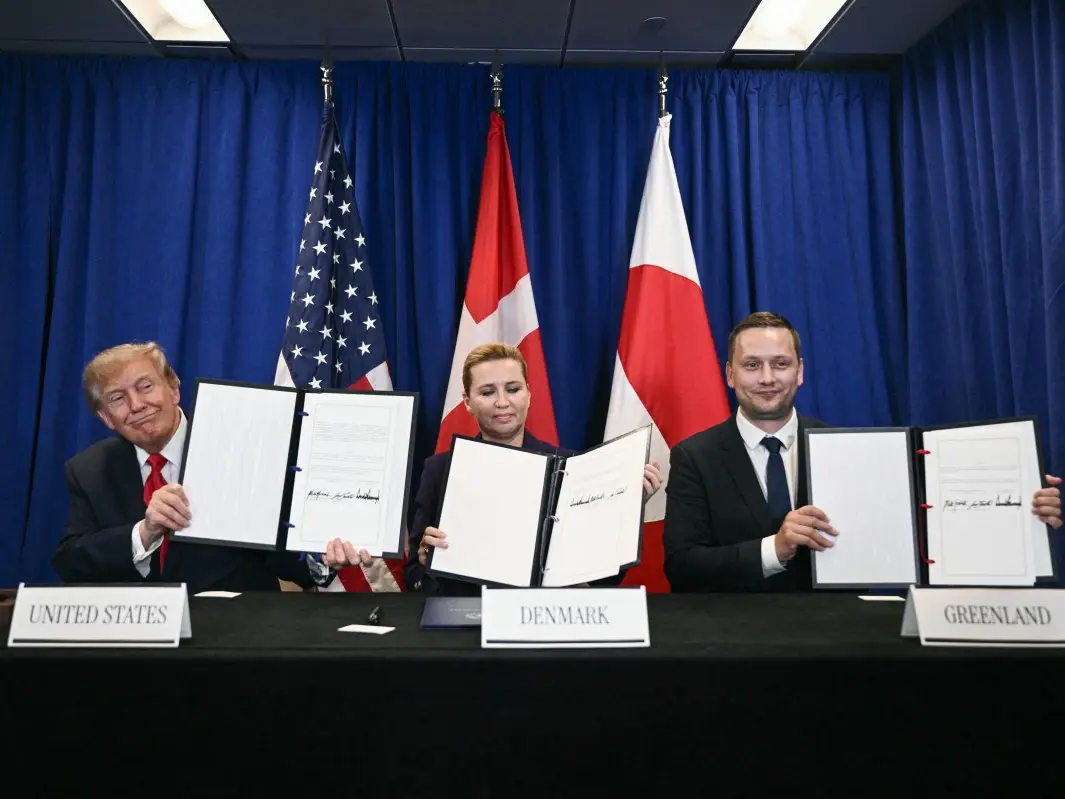)
Trump signs Greenland security deal with Denmark, paving way for two new US military bases
)
Mikel Arteta verbally agrees to three-year extension with Arsenal after title-winning Premier League season
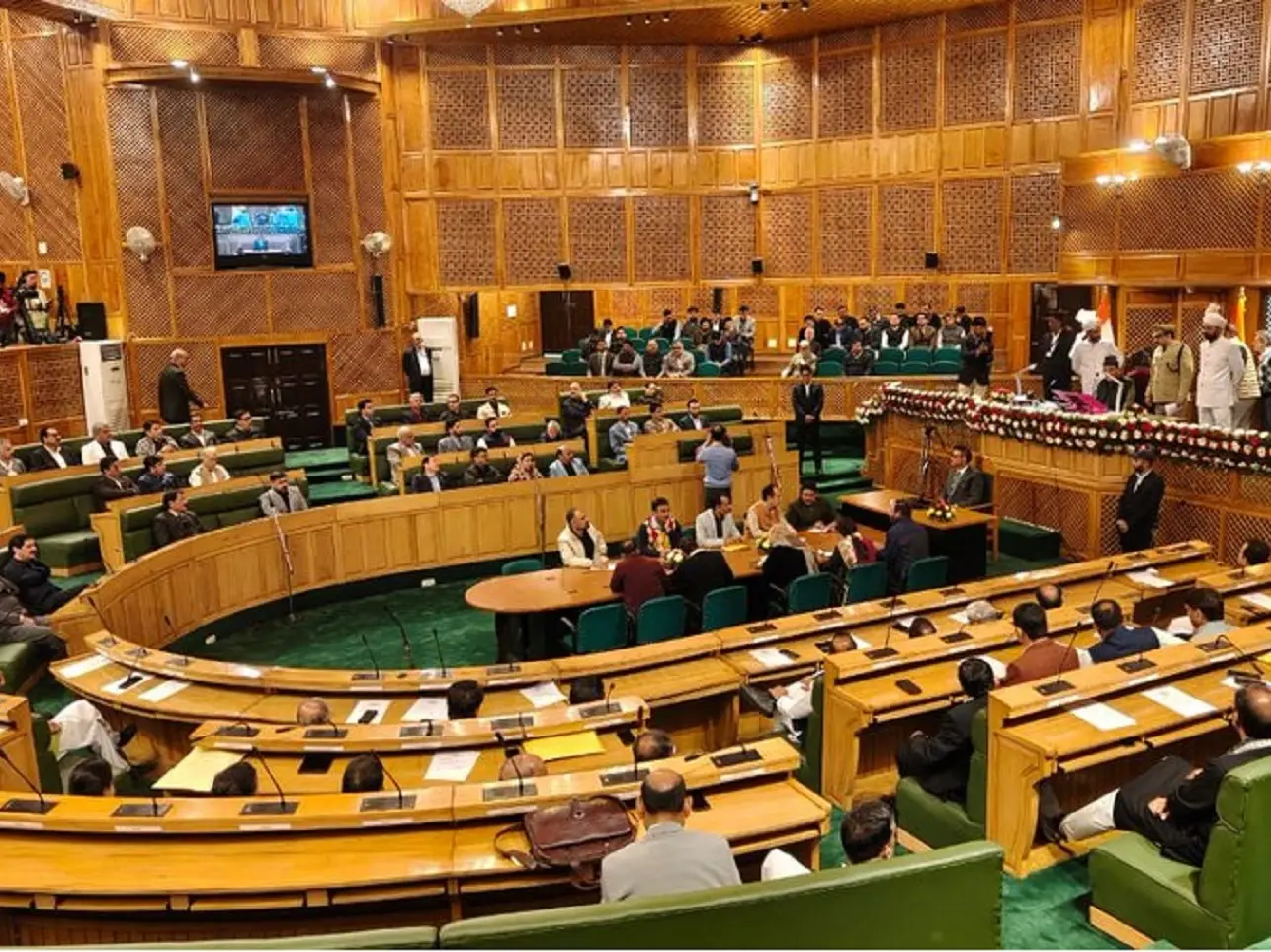)
Over 4,200 books withdrawn from circulation in J&K colleges, 94% from Kashmir
)
WION Iconic Tourism Summit and Iconic Awards 2026: India's travel economy leaders gather in Delhi
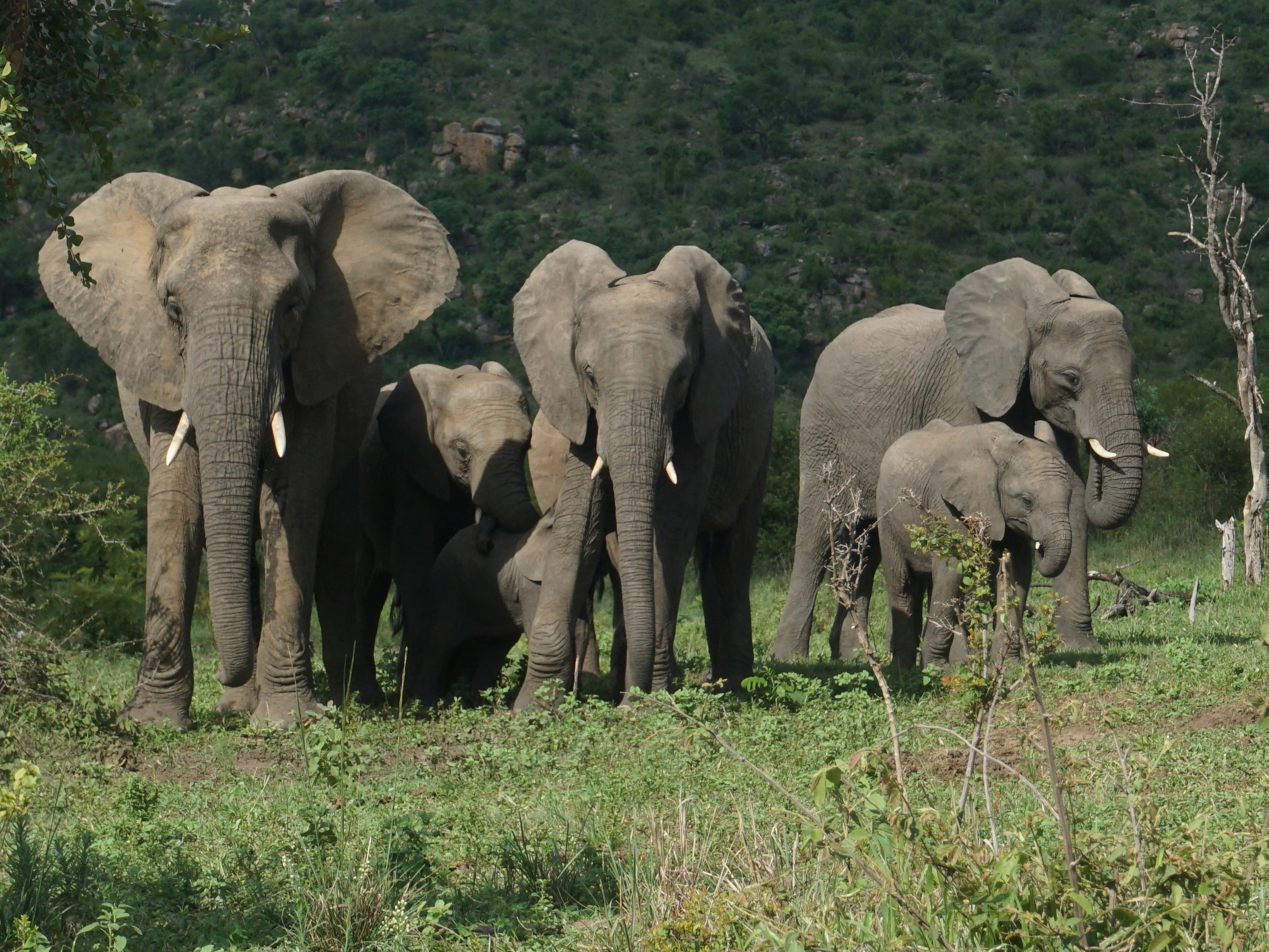)
Elephants hide behind trees, stage surprise attack on poachers targeting rhinos in South Africa
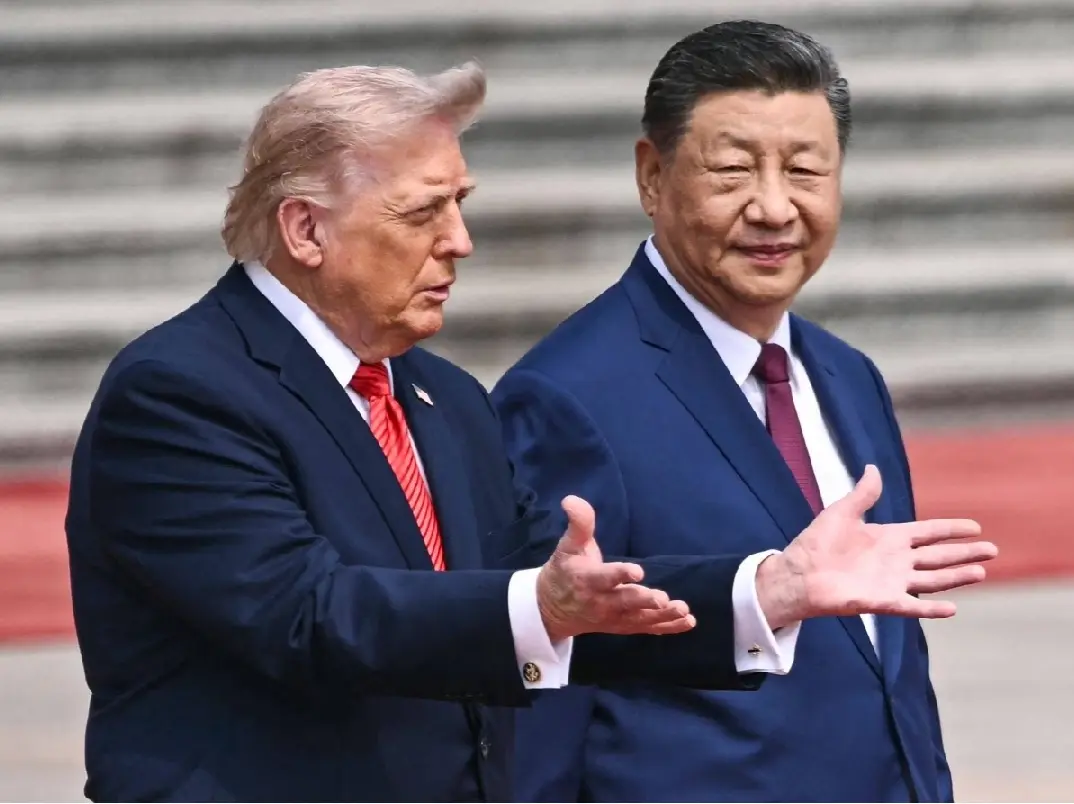)
US and China vie for AI dominance as calls grow for regulation | Gravitas
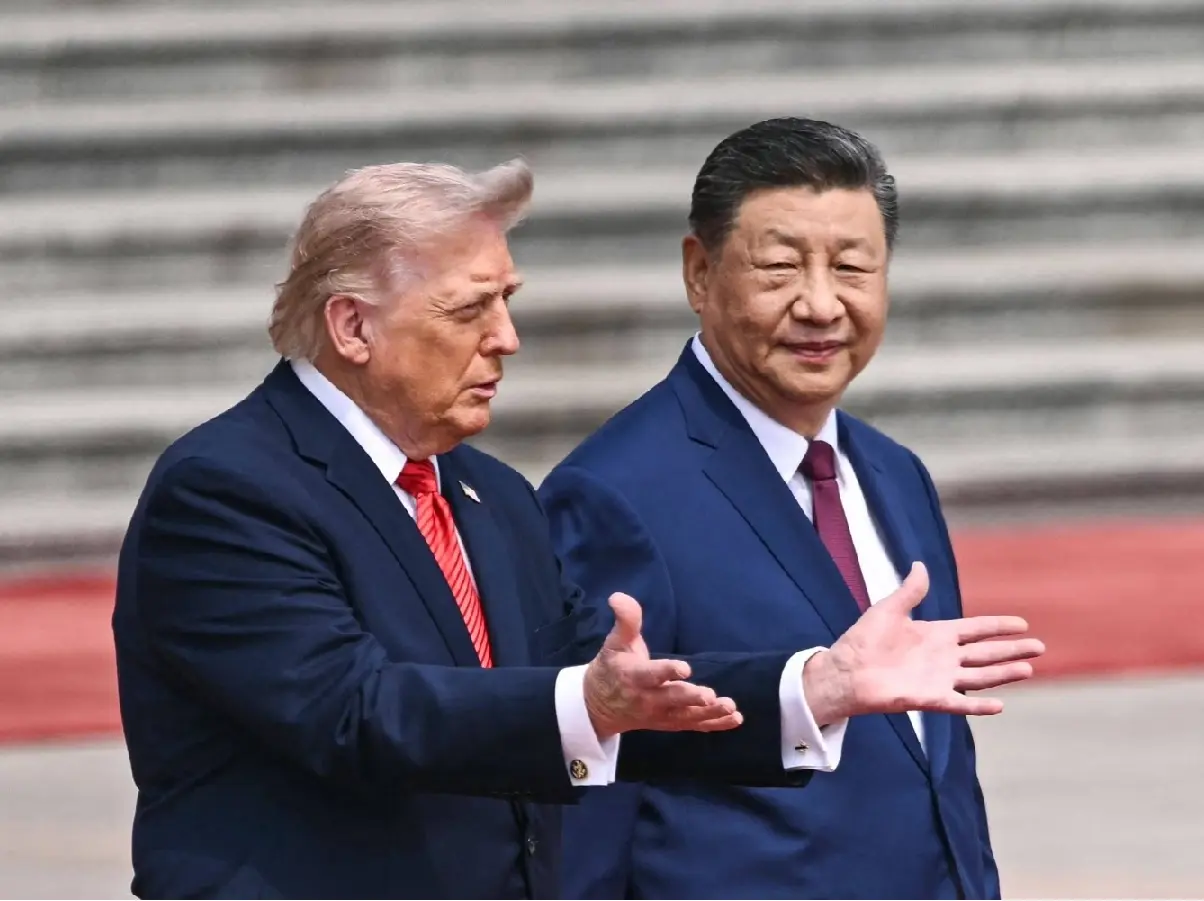)
Explainer: Why rare-earth export licences and Board of Trade are US priorities ahead of Trump-Xi summit
)
Gravitas | Boosting NHS productivity could save 20,600 lives in UK annually: Report
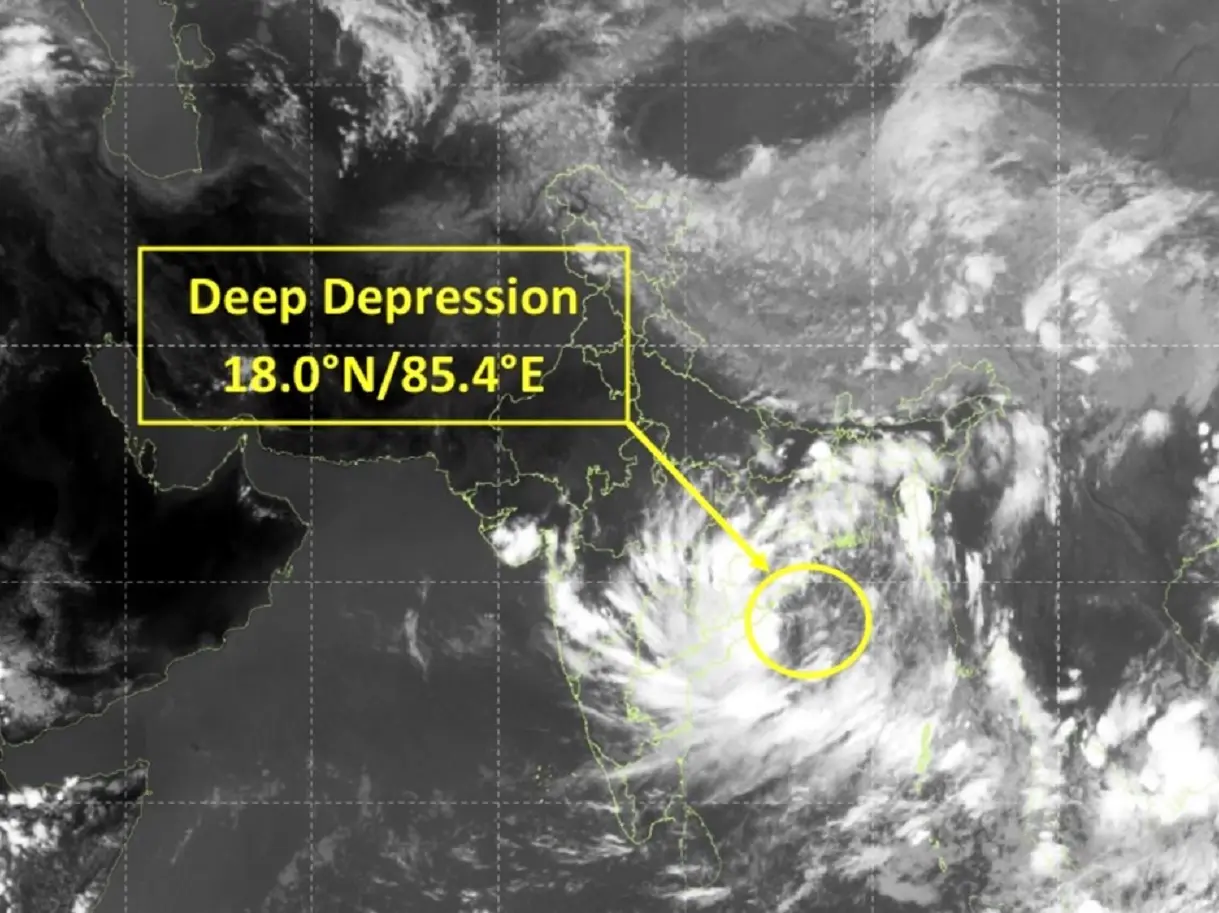)
Cyclone Arnab: Landfall expected before midnight tomorrow as IMD issues orange alerts across six states
)
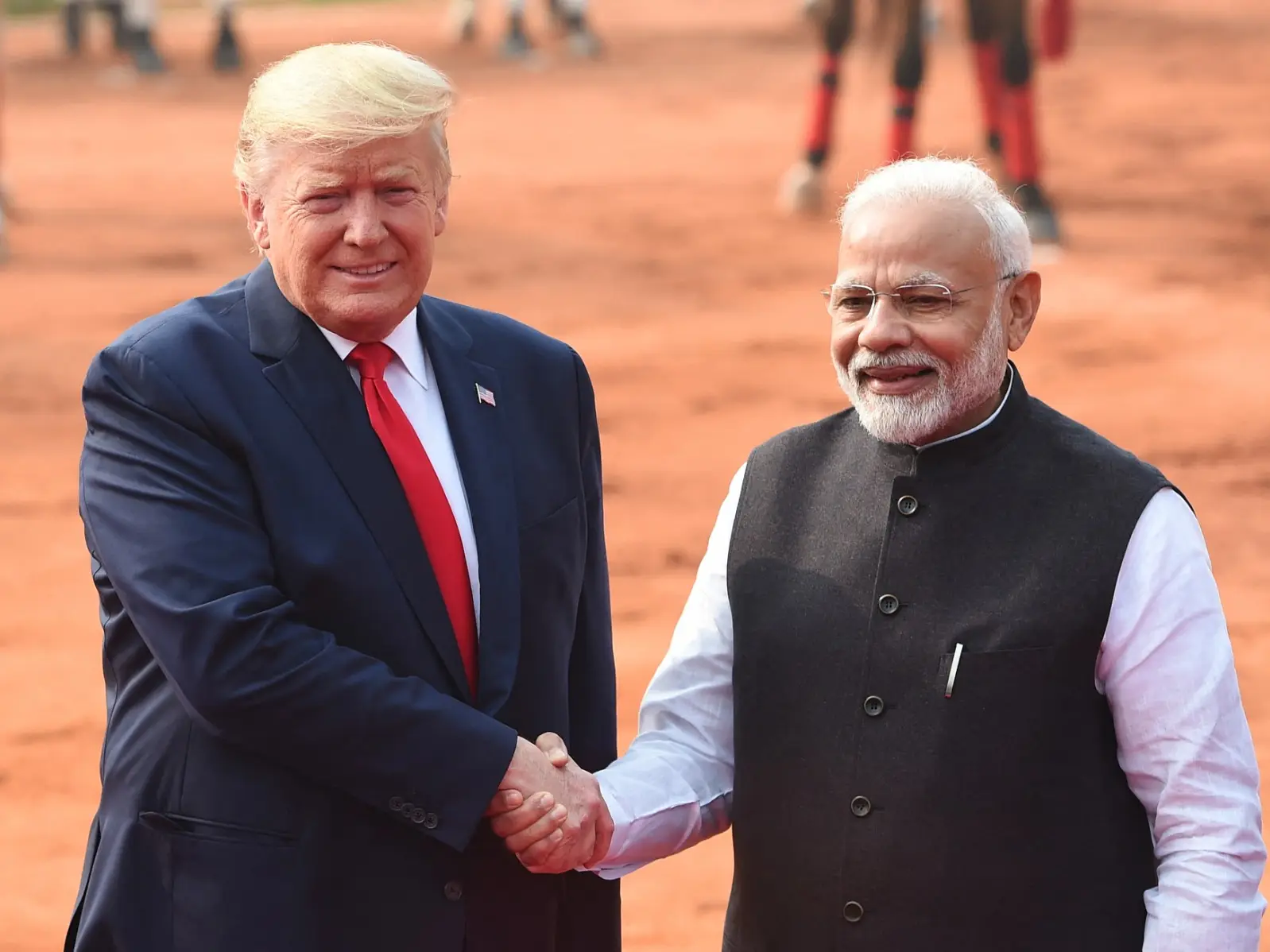
Trump calls on nations to quit ‘rogue’ and ‘out-of-control’ International Criminal Court, rips UN
)
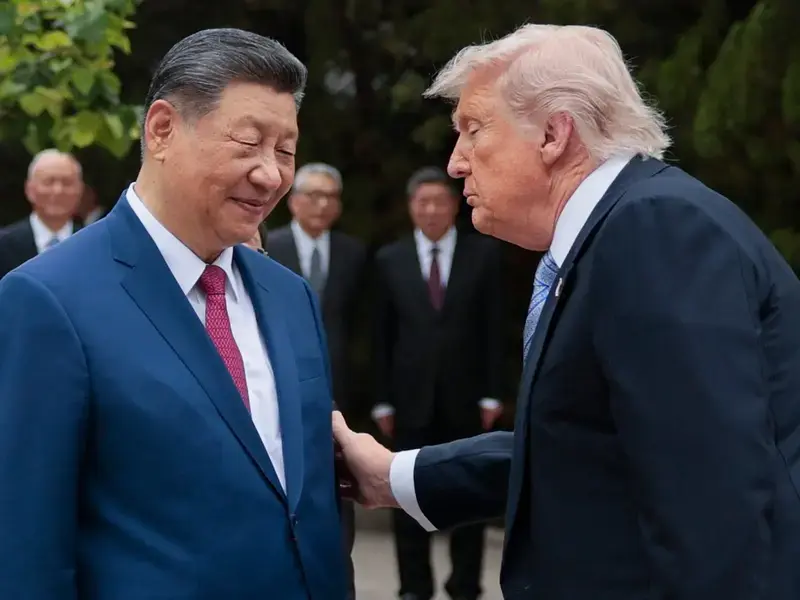
Trump revives India-Middle East-Europe economic corridor as India emerges central to West Asia’s future: What is it?
)
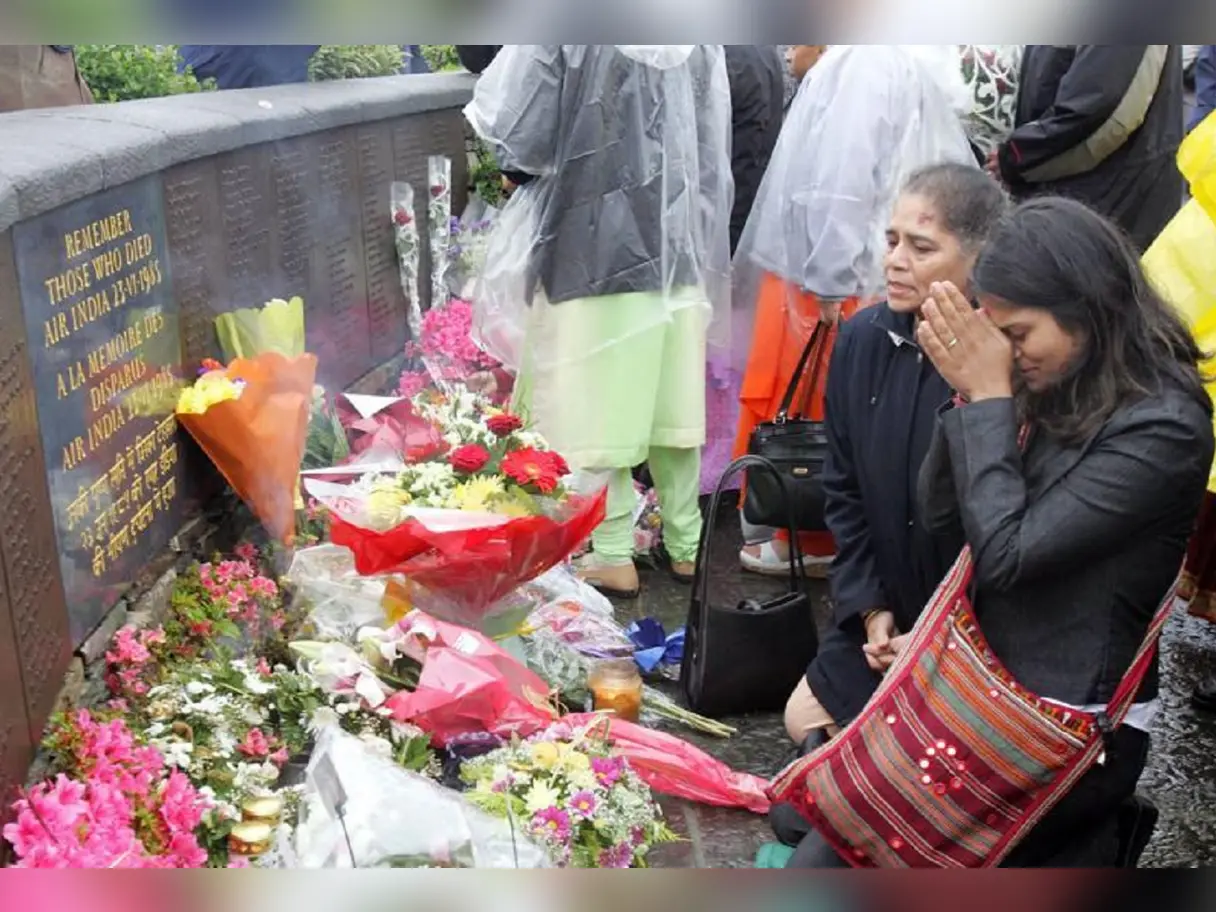
Trump-Xi summit: From trade to Taiwan, what will the US and Chinese presidents discuss in Washington?
)
Justice eludes Air India 1985 bombing victims as Canada probe goes 'inactive' | Gravitas
)
WION Iconic Tourism Summit: Seychelles envoy says India partnership is important for Seychelles
Tesla, known for its cutting-edge innovations in the electric vehicle industry, has not yet responded to requests for comment on the case. The company's acquisition of Hibar in 2019 was seen as a strategic move to enhance its battery manufacturing capabilities and maintain its competitive edge in the market.
As the legal proceedings continue, the case serves as a stark reminder of the importance of robust measures to safeguard trade secrets and intellectual property. The successful prosecution of individuals like Pflugbeil sends a strong message that such criminal activities will not be tolerated and that those responsible will face severe consequences for their actions.

