Xi Jinping praises India's 'Panchsheel' agreement for ending global conflicts


File photo of Chinese President Xi Jinping.
Chinese President Xi Jinping emphasised the importance of the ‘Five Principles of Peaceful Coexistence’, which gained prominence with the Non-Aligned Movement, as a means to resolve current conflicts.
He also sought to expand China's influence in the Global South amid its ongoing tensions with the West.
Xi Jinping, invoked the Five Principles of Peaceful Coexistence, termed as 'Panchsheel' by India, at a conference in Beijing to mark its 70th anniversary and also sought to juxtapose them with his new concept of Global Security Initiative envisaging a shared future for mankind.

According to the Indian Ministry of External Affairs, the 'Panchsheel' principles were first formally outlined in the Agreement on Trade and Intercourse between the Tibet region of China and India, signed on April 29, 1954.
'Panchsheel' or The five principles were part of the legacy of then Prime Minister Jawaharlal Nehru and his Chinese counterpart Zhou Enlai, formed during their unsuccessful attempt to resolve the complex boundary issue.
)
40-foot waves crash into cruise ship in dangerous stretch near Antarctica. Watch
)
FIFA chief Infantino wants to reform governing body with consultation from federations
)
Report: Zelensky meets CIA chief Ratcliffe at Shannon airport, weeks after his secret Moscow trip
)
AI models chose to harm humans to stop ‘pain,’ alarming study raises fresh safety questions
)
Randeep Hooda arrives in Gujarat for his first National Film Award: ‘Very grateful’
)
$110 billion Warner Bros merger: Paramount reaches settlement with 12 US states
)
US-Iran war, peace deals and more: What to expect from Trump's UNGA 2026 speech
)
Two infants die after fire breaks out at RIMS newborn care unit in Telangana's Adilabad
)
‘0% chance’: Nvidia CEO Jensen Huang dismisses AI extinction fears by 2030
)
Key accused in Bihar's Jamui molestation case, arrested after police shoot him in leg
)
BTS fans mock iHeartRadio’s day 2 turnout after short set controversy
)
'Lot of things to learn from experienced players': Jayasuriya backs Rohit, Virat for 2027 ODI World Cup
&im=FitAndFill=(700,400))
Anant Nag to recieve Dadasaheb Phalke Award: From Ankur to Nishant- Revisit his best films and iconic performances on OTT
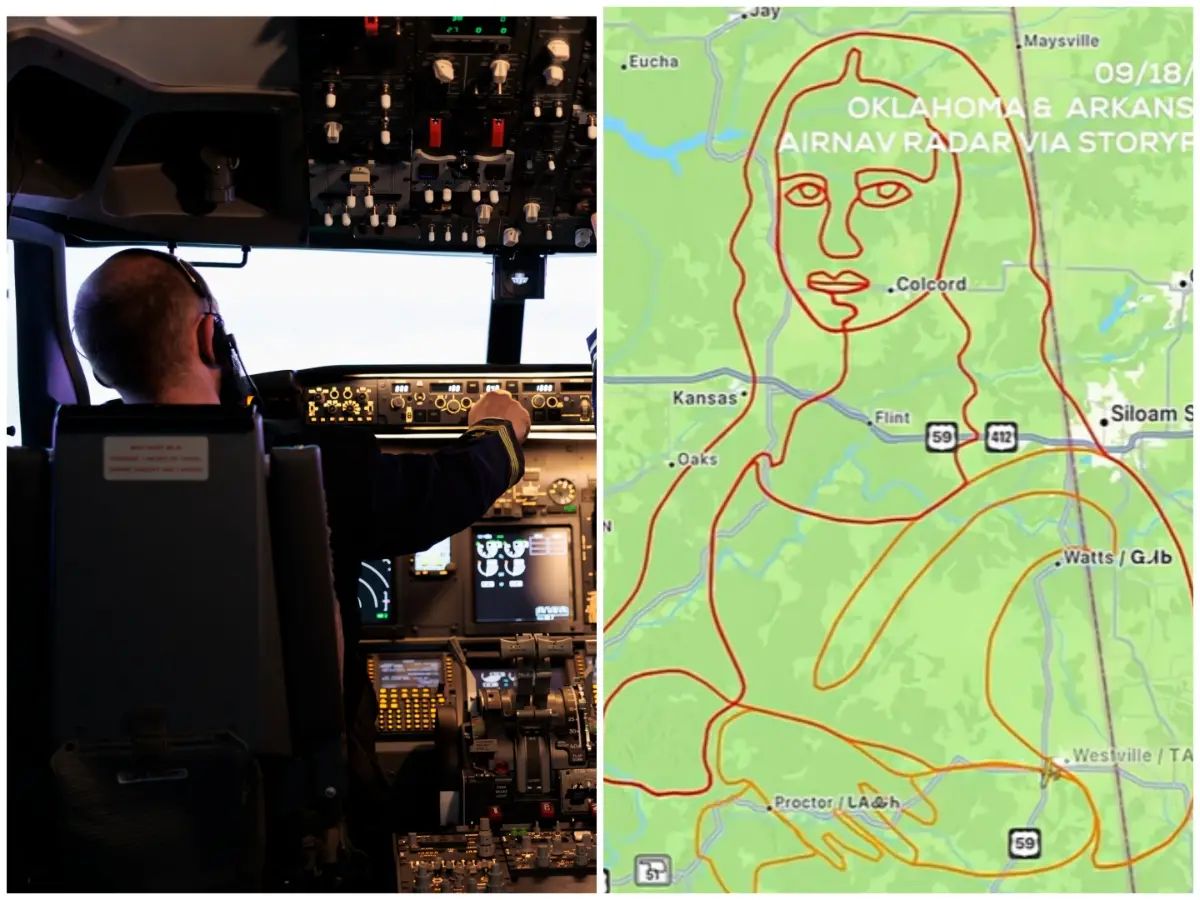)
Pilot recreates Mona Lisa in sky over Oklahoma and Arkansas in four-hour flight: VIDEO
)
Samay Raina-Mukesh Chhabra controversy explained: What happened over girlfriend joke on India's Got Latent?
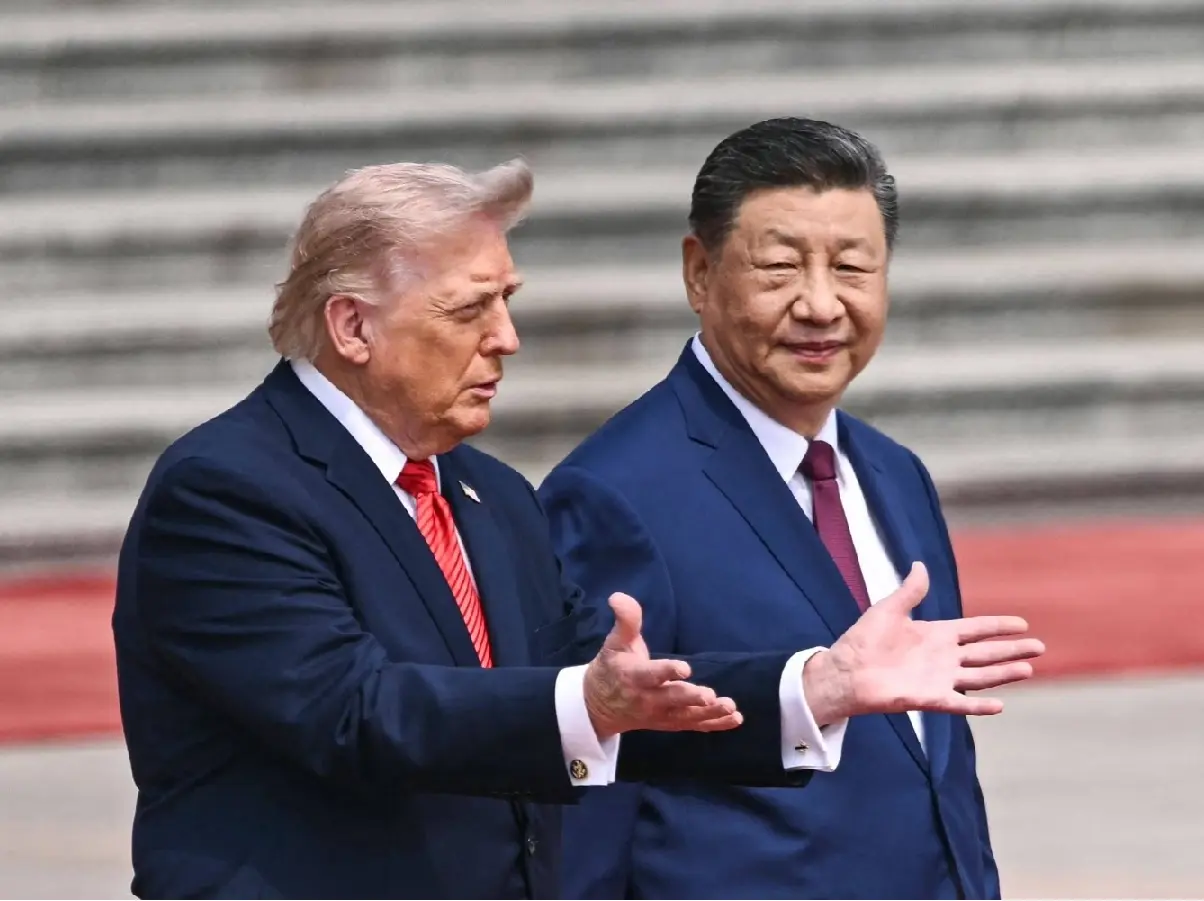)
Explainer: Why rare-earth export licences and Board of Trade are US priorities ahead of Trump-Xi summit
)
Samsung raises Galaxy S26 prices by Rs 20,000: Here’s what each model now costs
)
Glitch in the matrix caught on camera: Woman vanishes after talking to reporter
)
Jailer 2: Vidya Balan joins Rajinikanth's upcoming film as Kantha | Watch
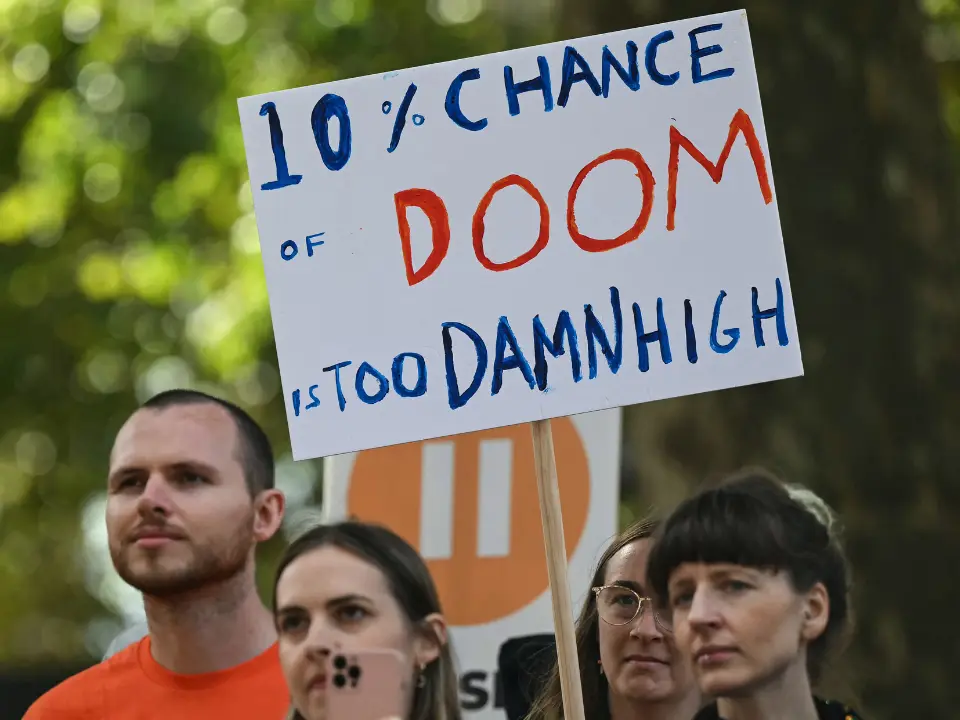)
Anti-AI activists storm summit, say 'incompetent' leaders are leading us into a disaster - 'We need a vote'
)
Russia-Ukraine war: Russian strikes knock out three of Ukraine's largest steel plants
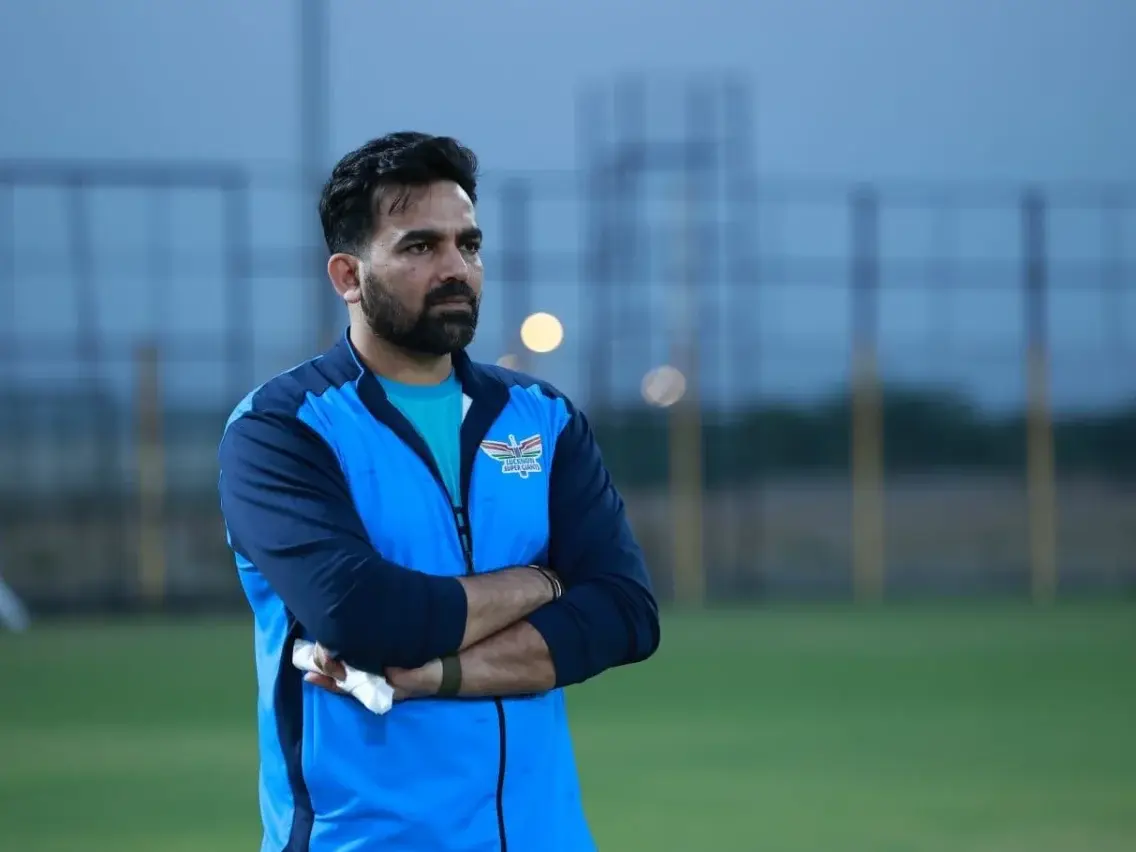)
How Zaheer Khan came to be CSK's head coach of IPL 2027
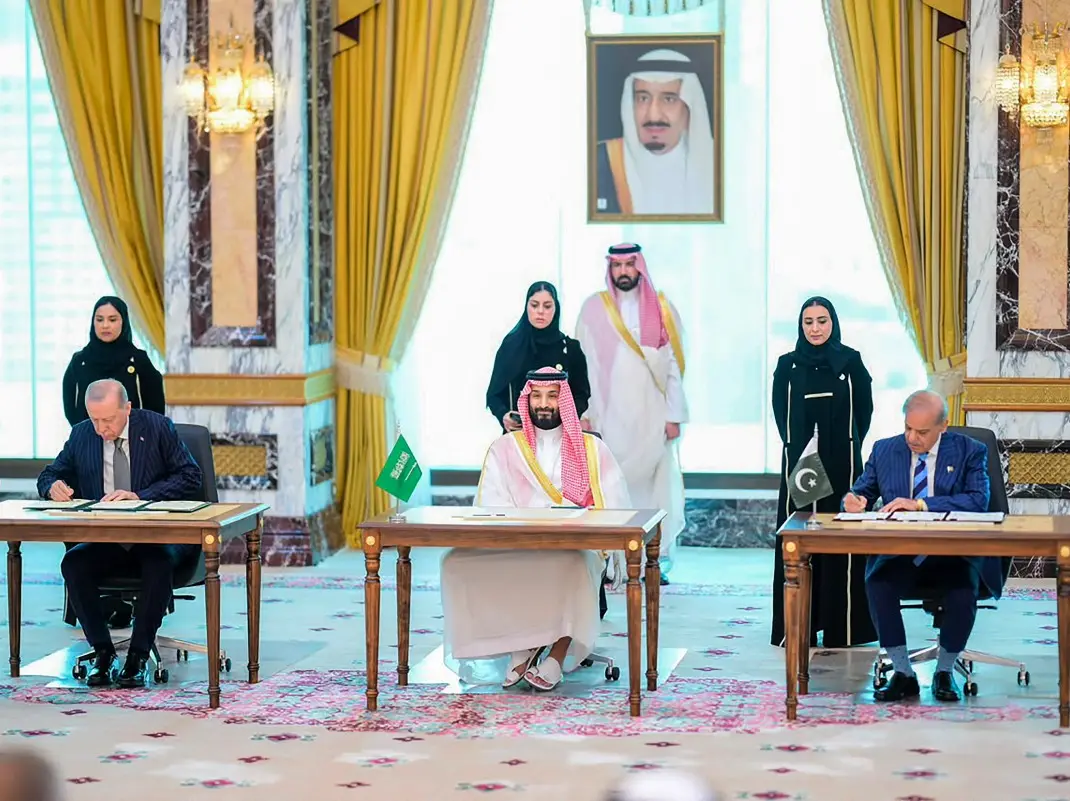)
The Verdict | The Mecca Agreement is under scrutiny as Houthis attack Saudis
)
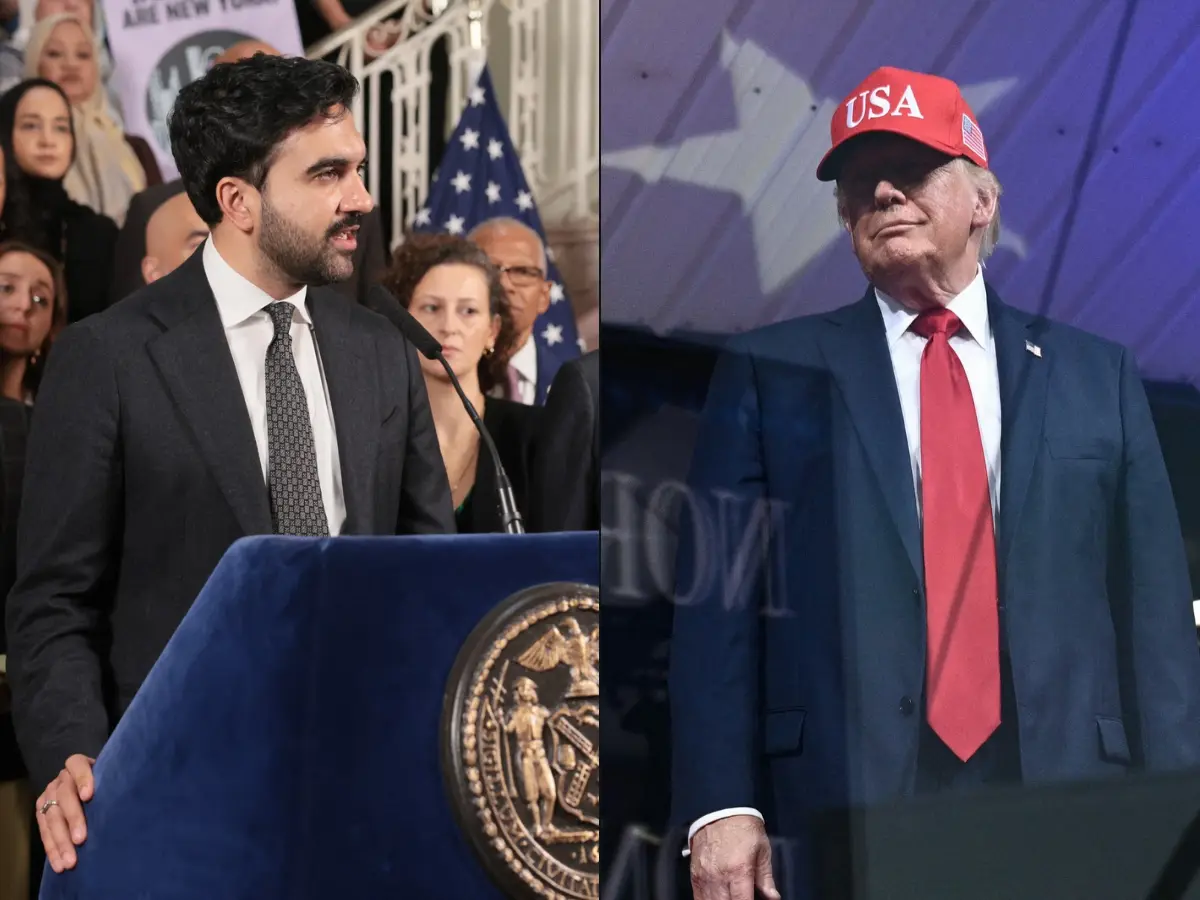
IND vs JPN one-off T20I: India survive scare from Japan to win five-over a side match by 2 runs
)
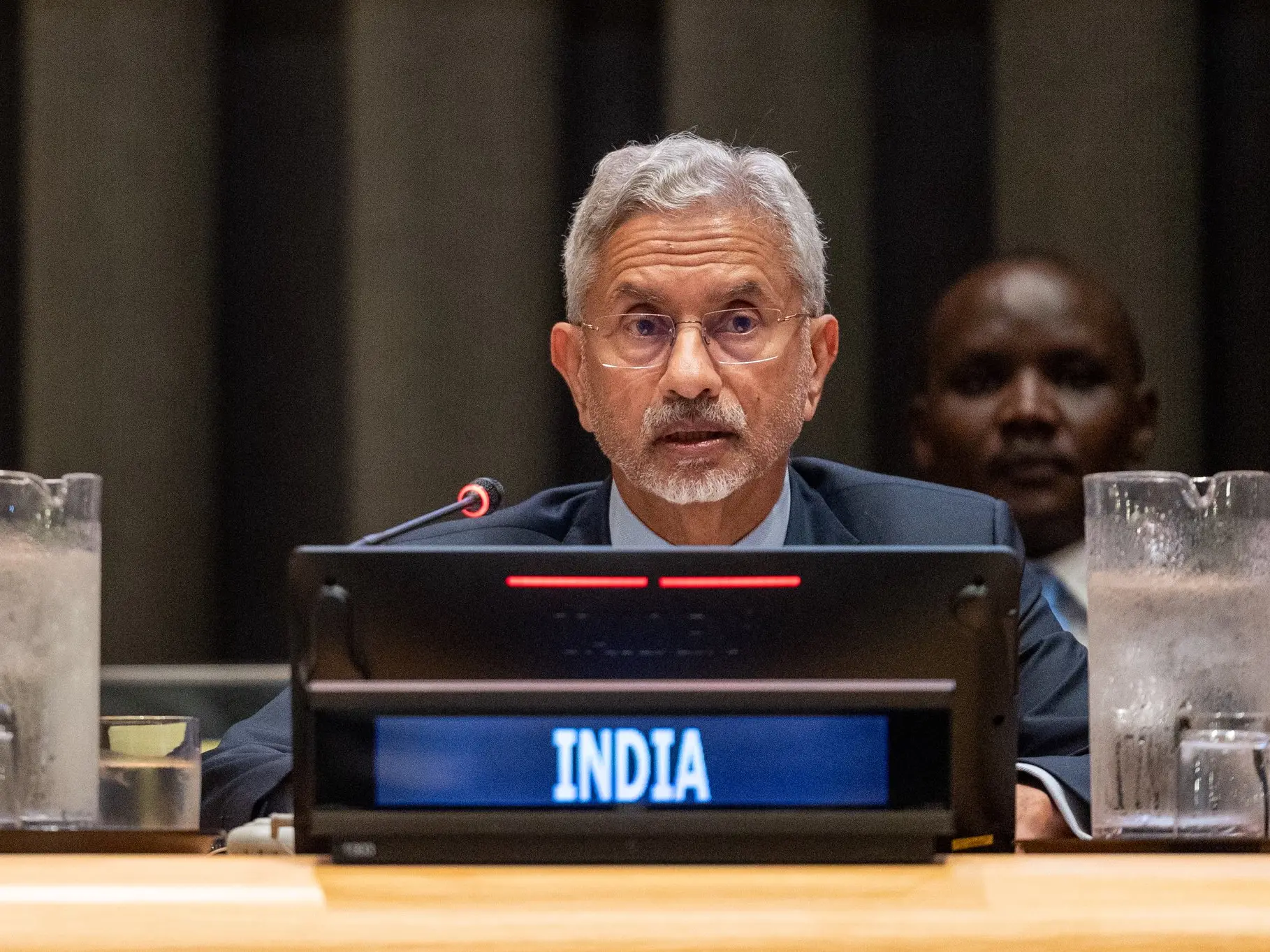
From ‘communist’ to ‘great mayor’: Trump praises Mamdani after New York meeting, discusses immigration and housing
)
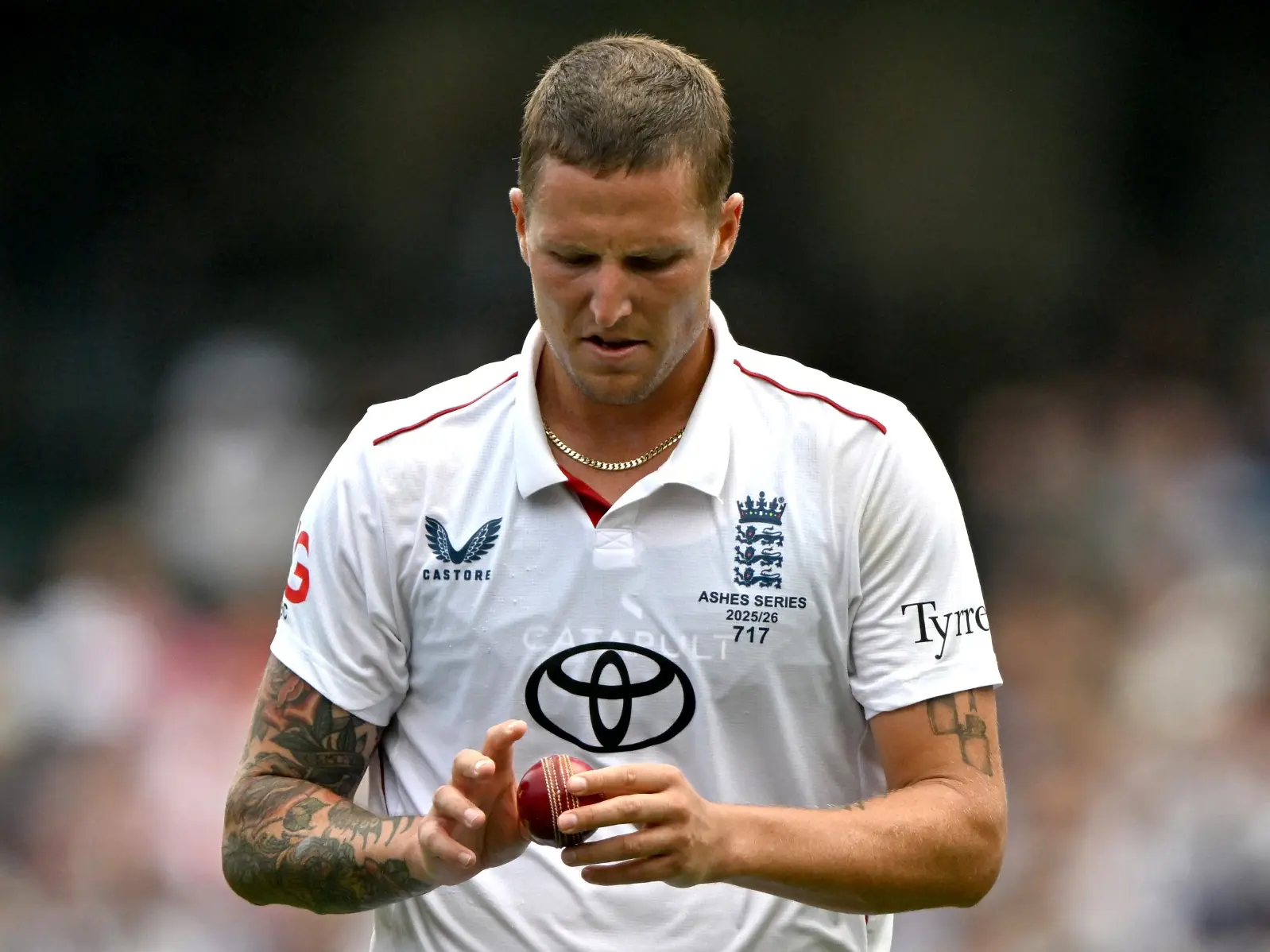
India at UNGA81: Jaishankar warns global order under 'growing stress', pushes for ‘reformed multilateralism’
)
'Needs time away from the international scene': England white-ball captain Brook on pacer Brydon Carse's future
)
Trump's helipad event overshadowed by audio failure as major TV networks suspend pool coverage
)
Saudi Arabia exits China-led mBridge digital currency platform amid Saudi-Houthi conflict
&im=FitAndFill=(700,400))
New OTT releases this week (September 21-27, 2026): Shaque: Trust No One, Hunkkaar, Don’t Be Shy- 5 new titles coming to Netflix, Prime Video and more
)
Raaka creates history! Allu Arjun’s film secures Guinness World Record ahead of release
)
Microsoft executive called AI training the ‘largest theft of labour in human history’
)
UK PM Burnham agrees to 'defensive' military support for Saudi Arabia against Houthis
)
US and China vie for AI dominance as calls grow for regulation | Gravitas
)
J&K Assembly Session begins amid chaos: BJP, ruling alliance clash as statehood demand dominates
)
Putin's United Russia party wins 355 seats in Duma election; 4 other parties cross threshold to enter parliament
"The Five Principles of Peaceful Coexistence answered the call of the times, and its commencement was an inevitable historic development. The Chinese leadership in the past specified the Five Principles in their entirety for the first time, namely, 'mutual respect for sovereignty and territorial integrity', 'mutual non-aggression', 'mutual non-interference in each other's internal affairs', 'equality and mutual benefit', and 'peaceful coexistence'," Xi Jinping said.
"They included the Five Principles in the China-India and China-Myanmar joint statements, which collectively called for establishing them as basic norms for state-to-state relations," Xi added at the conference.
Invitees of the conference included former Sri Lankan President Mahinda Rajapaksa and several political leaders and officials from various countries associated with China over the years.
Xi Jinping recalled in his address that 'Panchsheel', the Five Principles of Peaceful Coexistence were born in Asia (India) but in no time it rose up to the world stage. In 1955, more than 20 Asian and African countries attended the Bandung Conference.
The Non-Aligned Movement, founded by Jawaharlal Nehru, that rose in the 1960s adopted the 'Panchsheel' or Five Principles as its guiding principles.
"The Five Principles have set a historic benchmark for international relations and international rule of law," Xi said.
Xi, who began his unprecedented third five-year term in power last year, has been encouraging several initiatives, including his billion-dollar pet project, the Belt and Road Initiative (BRI), to enhance China's global influence.
Under the BRI, Beijing has made huge investments in infrastructure projects in smaller countries which in coming years attracted allegations of debt diplomacy as many countries struggled to pay back loans taken from China.
“China will establish a Global South Research Centre to better support Global South-South cooperation,” Xi said.
“China will provide 1,000 'Five Principles of Peaceful Coexistence Scholarship of Excellence,' 1,00,000 training opportunities to Global South countries in the next five years,” he added.
(With inputs from agencies)