
&imwidth=800&imheight=600&format=webp&quality=medium "'Not those who fear war': Syrian leader Ahmed al-Sharaa's BIG warning as he rejects 'external party' intervention in Druze conflict")
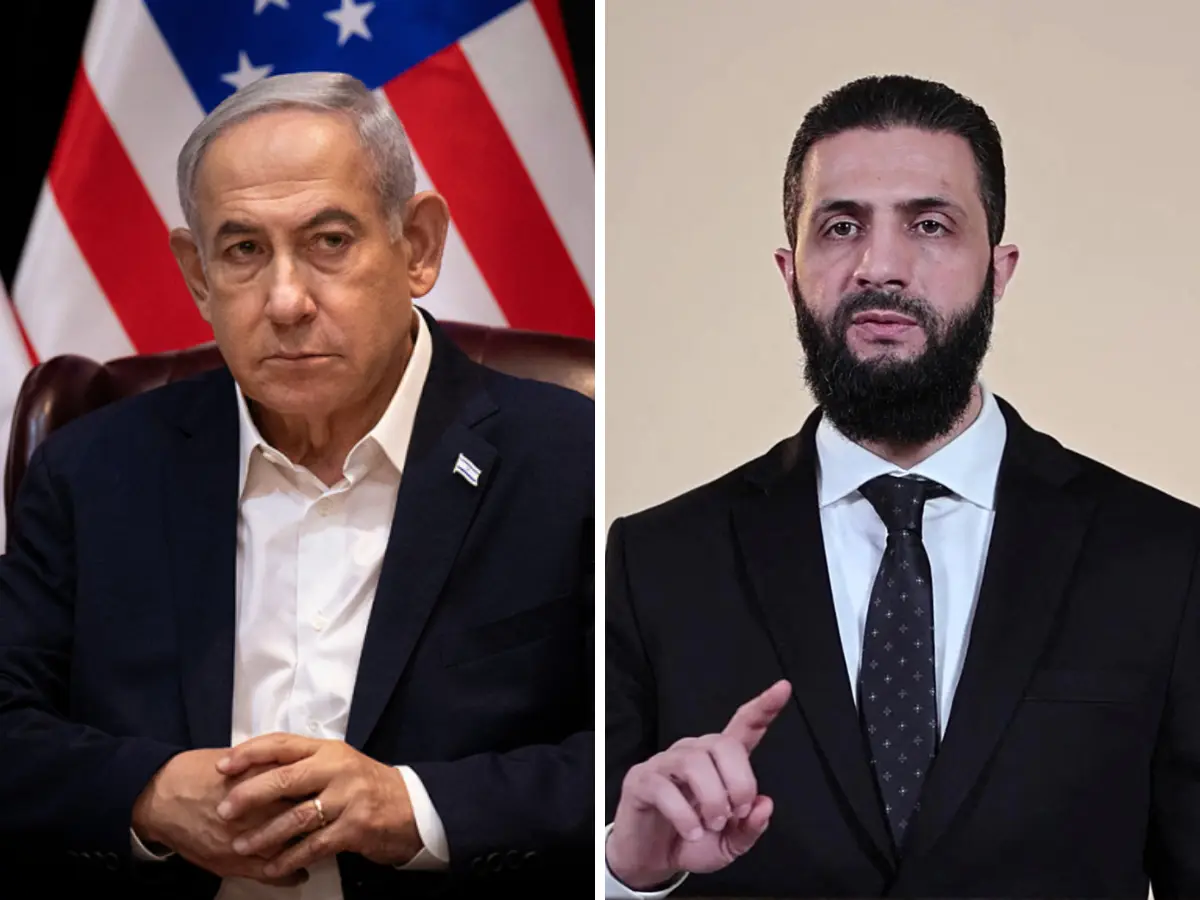
In his first address after Israeli airstrikes in the capital Damascus amid rising tensions with Druze minorities, Syrian President Ahmed al-Sharaa reiterated his government's effort in protecting their rights and slammed Israel for attempting to cause chaos in the country. The Syrian president delivered the speech on Thursday (July 17) following several days of intense clashes between Druze militias, Bedouin tribes, and government forces. While he reiterated his government's stance, he also rejected Israel's attempt to get into the issue.Al-Sharaa, who pledged to protect the country's diverse communities, has so far failed in preventing attacks on Alawites and Druze communities.
“Protecting your rights is our priority, and we reject any attempt to drag you into the hands of an external party. The Syrian state is everyone's state.. and unity is Syria's weapon, and we need everyone to build the country. The Druze are part of the nation's fabric, and their protection is a priority," Ahmed al-Sharaa said. He also added, “We were faced with the choice of war with Israel or allowing Druze leaders to reach an agreement, so we chose to protect the homeland….We will not allow Syria to be dragged into new wars.”
He also hinted that US, Arab, Turkish mediation saved region from 'unknown fate.' Issuing a warning of sorts amid Israel's threat to escalate, Ahmed al-Sharaa said, “We are not among those who fear the war. We have spent our lives facing challenges and defending our people, but we have put the interests of the Syrians before chaos and destruction.”
How did the current clashes begin?

The Syrian Observatory for Human Rights, a UK-based war monitor, said the clashes started after members of a Bedouin tribe in Sweida province set up a checkpoint where they attacked and robbed a Druze man, leading to tit-for-tat attacks and kidnappings between the tribes and Druze armed groups. Government security forces deployed to restore order, but were seen as taking the side of the Bedouin tribes against Druze factions. The Syrian military entered the Druze strongholds, triggering fears of attack on minorities and prompting Israeli strikes.
The Syrian government's demand for disarmament is being met with scepticism by the Druze community, as they have not completely forgotten Ahmed al-Sharaa's past involvement with al-Qaeda. Syria’s religious and ethnic communities are worried about their place in Syria’s new system. Moreover, the Druze in Sweida province have not forgotten the past traumas when as many as 200 members of the community were attacked by the Islamic State group in 2018, and more than two dozen were taken hostage.
Why did Israel intervene in the matter?
Israel does not want militants near the country’s northern border. Since Assad’s fall, Israeli forces have seized control of a UN-patrolled buffer zone in Syria near the border with the Israel-annexed Golan and have carried out hundreds of airstrikes on military sites. Israeli Prime Minister Benjamin Netanyahu's office said Israel is “committed to preventing harm to the Druze in Syria due to the deep brotherly alliance with our Druze citizens in Israel, and their familial and historical ties to the Druze in Syria.” The Israeli government had also unilaterally declared a demilitarisation zone in Syria that “prohibits the introduction of forces and weapons into southern Syria." Israel, wary of extremist groups along its borders, has adopted a confrontational stance toward al-Sharaa, despite efforts by the Trump administration to foster Syrian-Israeli reconciliation and expansion of the Abraham Accords. Moreover, after the fall of the Assad regime, Israel has occupied more territories in Syria.
Trending Stories
&im=FitAndFill=(700,400))
National Handloom Day 2026: From Alia Bhatt to Samantha Ruth Prabhu; Actresses who celebrated India's textile heritage as brides
)
The Royals enter the Doctor Who universe: King Charles and Queen Camilla beam into Commonwealth Games in TARDIS
)
Unitree Robotics targets $9 billion valuation in landmark IPO backed by DeepSeek and Tencent
)
India names 27 sites in Arunachal Pradesh
)
Bharat Bhhagya Viddhaata OTT: When will Kangana Ranaut's film stream online?
&im=FitAndFill=(700,400))
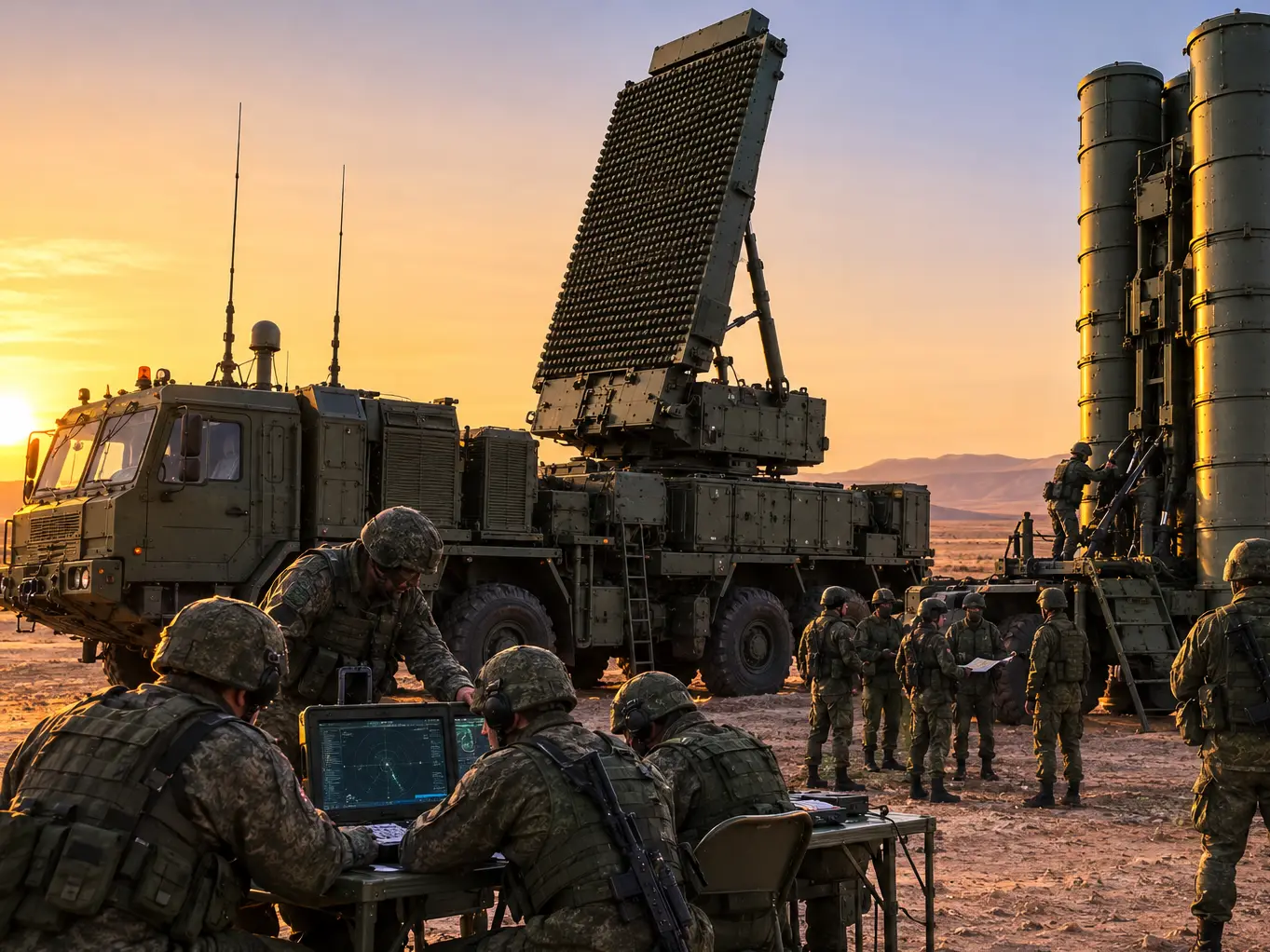
How many soldiers operate one S-400 battery?
)
Shakib Al Hasan ready to return to Bangladesh—under one condition
)
‘Fake news’: MEA rejects report claiming India sought defence pact with Israel after Pakistan, Saudi Arabia, Turkey deal
)
Rockstar to unveil GTA 6 extended look ahead of November launch
)
Russia forms Ukrainian Volunteer Spetsnaz Brigade to fight Ukraine
)
Drug-resistant fungus that hides in hair and enters bloodstream reported in 23 US states
)
Technology transfer deal boosts India's defence manufacturing ambitions
)
Border row erupts in Europe after Ceuta crossings, Spain imposes border controls on Italy
)
Morale plummets on USS Abraham Lincoln: Are US sailors reaching a breaking point? | GRAVITAS
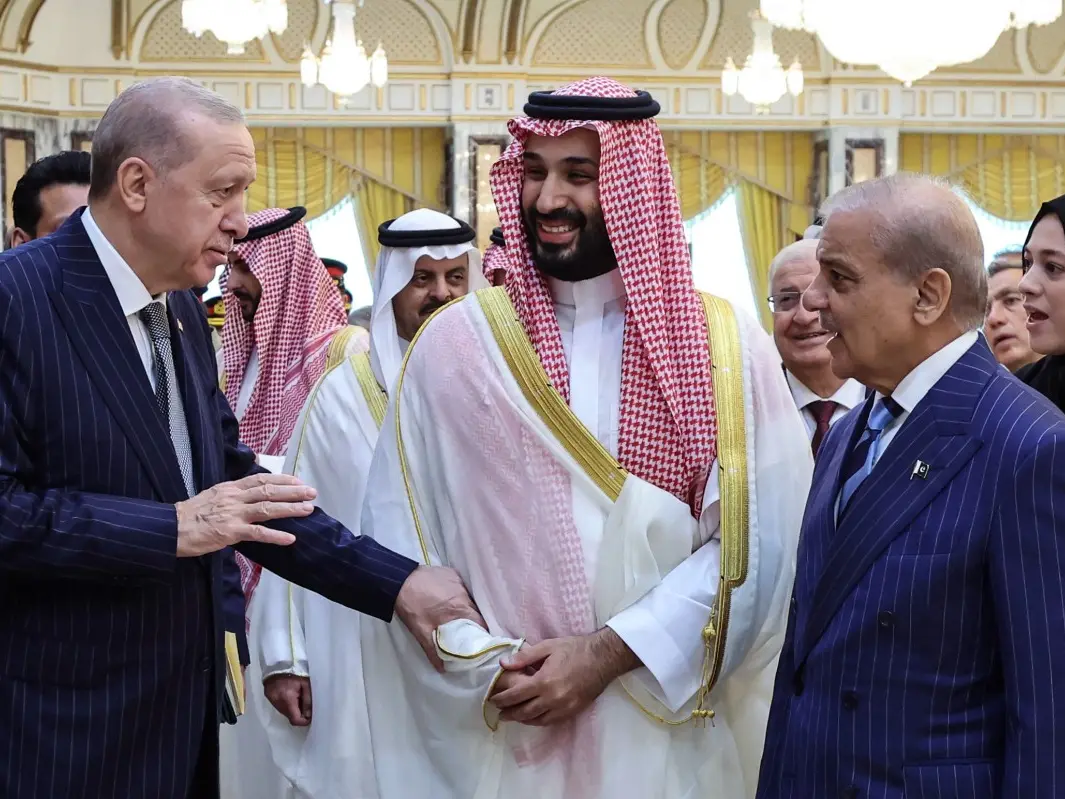)
'Security can't be bought with Pakistan, Turkey deal': Iran tells Saudi Arabia
)
Baba Vanga's 2026 prophecy: 2 predictions 'already came true', 3 terrifying ones remain. Details inside
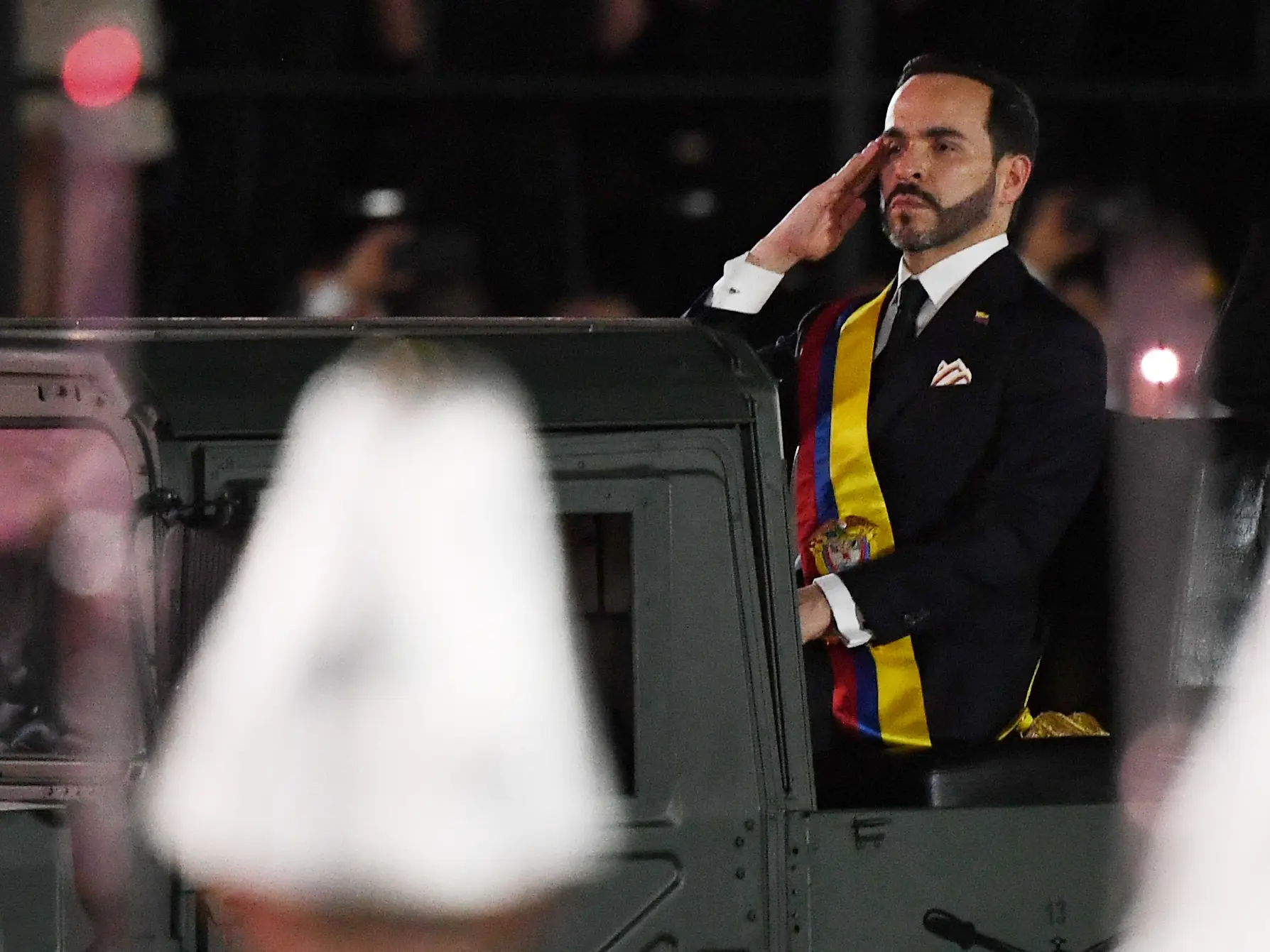)
Colombia’s new president Abelardo de la Espriella vows to ‘defeat narco-terrorists’, signals hardline shift
&im=FitAndFill=(700,400))
New Friday OTT releases (August 7, 2026): Operation Safed Sagar, Vadhandhi, Main Vaapis Aaunga- 6 movies and TV shows on Netflix, Prime Video and more
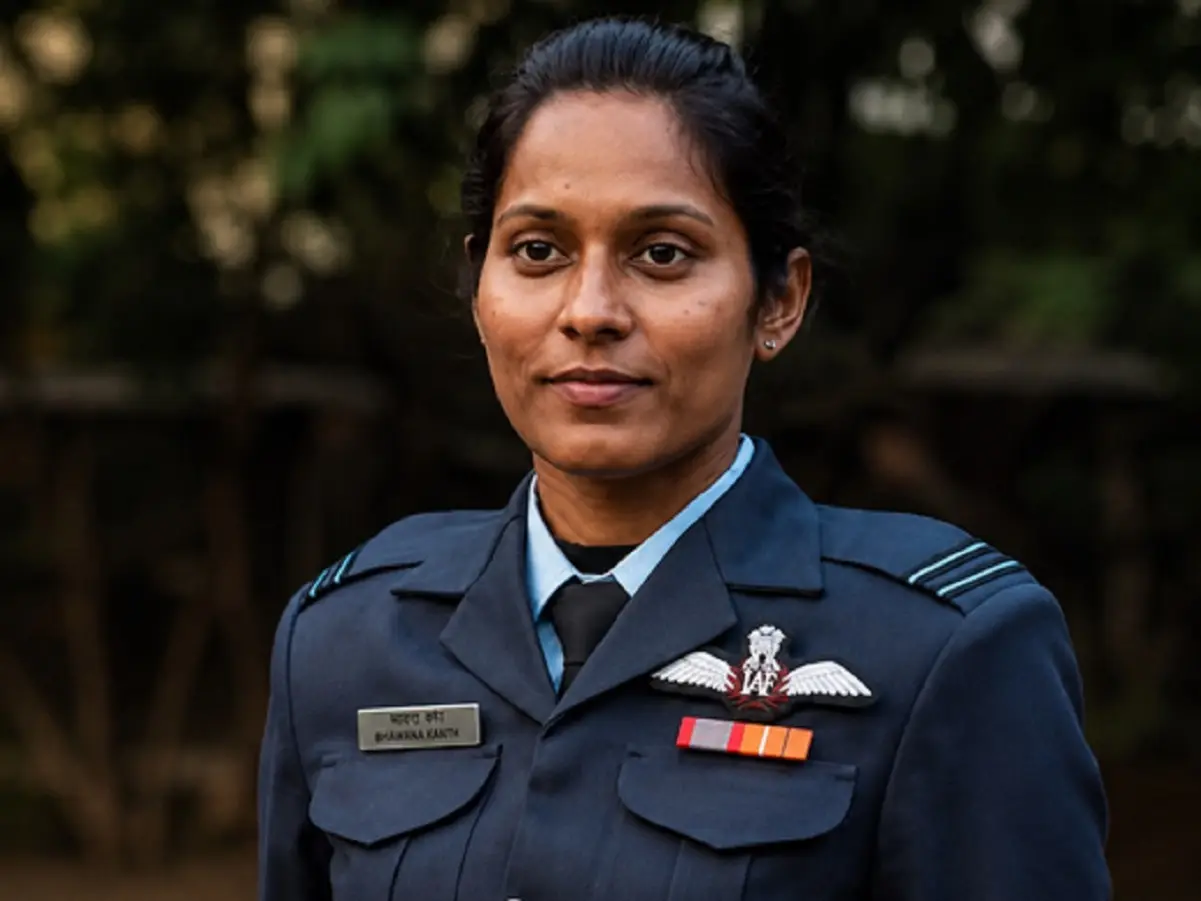)
Squadron Leader Bhawana Kanth scripts history as Indian Air Force gets its first woman ‘Top Gun’ pilot
)
RSS says Gen Z protests reflect genuine distress
)
Trump says Iranian school bombing photos could be AI-generated - 'I don’t think...'
)
IAF officer held for sharing sensitive information in 'honey trap' case, booked under Official Secrets Act
)
Stray Kids under scrutiny? Fans react to Grammy submission silence after BTS boycott
&im=FitAndFill=(700,400))
Why the Su-30MKI doesn't need external fuel tanks to fly vast distances
)
Jugal Hansraj reunites with Shekhar Kapur after 40 years for Masoom: The Next Generation
)
New speed limits, automatic challans: Big traffic change coming to Delhi-Meerut Expressway. All you need to know
)
India officially names 27 places in Arunachal to counter China's renaming claims
)
Trump calls White House ballroom ruling a 'national disgrace' as court says Congress approval needed
)
US sanctions Iran’s crypto network after Strait of Hormuz attacks, offers $15m bounty for intel on IRGC finance
&im=FitAndFill=(700,400))
Why the Su-30MKI is one of the heaviest fighters ever built
)
Uttarakhand young innovator builds India's own flying vehicle, conducts first test flight: WATCH
)
Chilling video shows students take cover as teen opens fire at Thai school
)
Reese Witherspoon's father hospitalised after poolside incident in Nashville: Report

