Why Kyle Rittenhouse no longer faces a gun possession charge

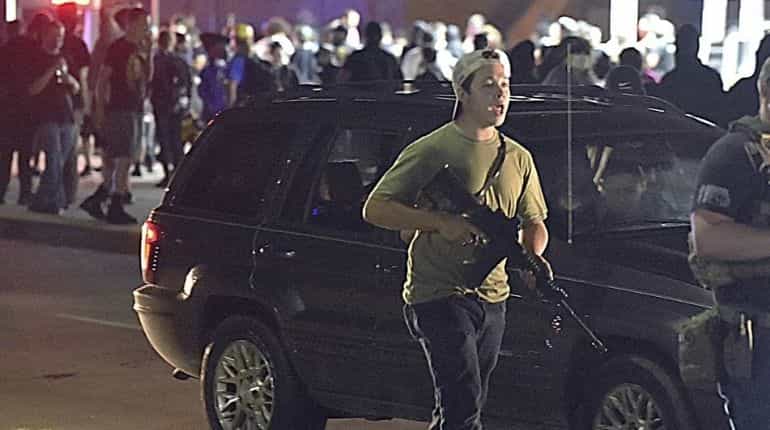
Kyle Rittenhouse (File Photo)
The judge in Kyle Rittenhouse’s homicide trial on Monday dismissed the misdemeanour gun possession charge the teenager facedafter defence lawyers argued that he did not violate the state statute in question because of his age and the length of the barrel of his semi-automatic rifle.
Judge Bruce Schroeder’s ruling, delivered shortly before closing statements, resolved a byzantine legal debate over a Wisconsin statute that began after Rittenhouse was charged last year with fatally shooting two men and wounding a third during chaotic demonstrations in Kenosha.
Also read |Man shot by Kyle Rittenhouse calls him an 'active shooter,' calls use of gun 'self-defence'

Rittenhouse still faces five felony charges, including first-degree intentional homicide, which carries a potential life sentence. The jury will begin deliberating Tuesday morning.
The defence had long argued that the gun possession charge was invalid, saying that Wisconsin law did not bar Rittenhouse from carrying the military-style semi-automatic rifle on Aug. 25, 2020. Its successful argument hinged in part on the fact that the Smith & Wesson M&P 15 he had strapped around his shoulder has a 16-inch-long barrel.
The misdemeanour charge of illegally possessing a dangerous weapon as a minor was the least serious one Rittenhouse faced and carried a relatively short sentence. But jurors might have settled on the charge, said Steven Wright, a law professor at the University of Wisconsin-Madison, if they baulked at the more serious counts but wanted to convict Rittenhouse of something.
&imwidth=180&imheight=135&format=webp&quality=medium)
Shreyas Iyer blames dew for West Indies' record run chase in 2nd T20I in Ranchi
&imwidth=180&imheight=135&format=webp&quality=medium)
100,000 strikes in 3 years: How October 7 redefined Israel's war
&im=FitAndFill=(700,400)&imwidth=180&imheight=135&format=webp&quality=medium)
Happy Birthday Rekha: Watch these 7 evergreen Bollywood hits on Netflix, Prime Video and more
&imwidth=180&imheight=135&format=webp&quality=medium)
'I am not going to be watching it': JD Vance on livestream of Nidal Hasan's firing squad execution
&imwidth=180&imheight=135&format=webp&quality=medium)
UK navy hit by espionage scandal: Sailor accused of spying for Russia | Gravitas
&imwidth=180&imheight=135&format=webp&quality=medium)
Katie Zacharia likely to succeed Karoline Leavitt as Trump's White House press secretary
&imwidth=180&imheight=135&format=webp&quality=medium)
Delhi on high alert for CJP protest: Delhi police to use body cams to 'prove whether we did anything’; Pink Force, RAF, 35,000 personnel deployed
&imwidth=180&imheight=135&format=webp&quality=medium)
‘Never-ending flow of cheap labour’: JD Vance hits back at Indian-origin Congresswoman over US green card curbs for major tech companies
&imwidth=180&imheight=135&format=webp&quality=medium)
Panama president declares ‘major disaster’ after powerful 7.7-magnitude earthquake; over 80 aftershocks recorded
&imwidth=180&imheight=135&format=webp&quality=medium)
‘250? Cool.’: Shai Hope takes swipe at Shubman Gill’s Instagram caption after Ranchi T20I masterclass
&imwidth=180&imheight=135&format=webp&quality=medium)
'Jantar Mantar not the story of India': BJP's Sambit Patra claims 'anarchists' tried to hold Delhi captive
&imwidth=180&imheight=135&format=webp&quality=medium)
BJP MP Ravi Shankar Prasad slams CJP protests, calls it 'shadow boxing for AAP'
&imwidth=180&imheight=135&format=webp&quality=medium)
'I ended 8 wars': Trump slams Nobel Peace prize decision, claims award was his due
&imwidth=180&imheight=135&format=webp&quality=medium)
Dhurandhar: The Revenge album submitted for Grammy consideration; But what does it mean?
&imwidth=180&imheight=135&format=webp&quality=medium)
J&K Government orders major police reshuffle, transfers 100 officers across UT
&imwidth=180&imheight=135&format=webp&quality=medium)
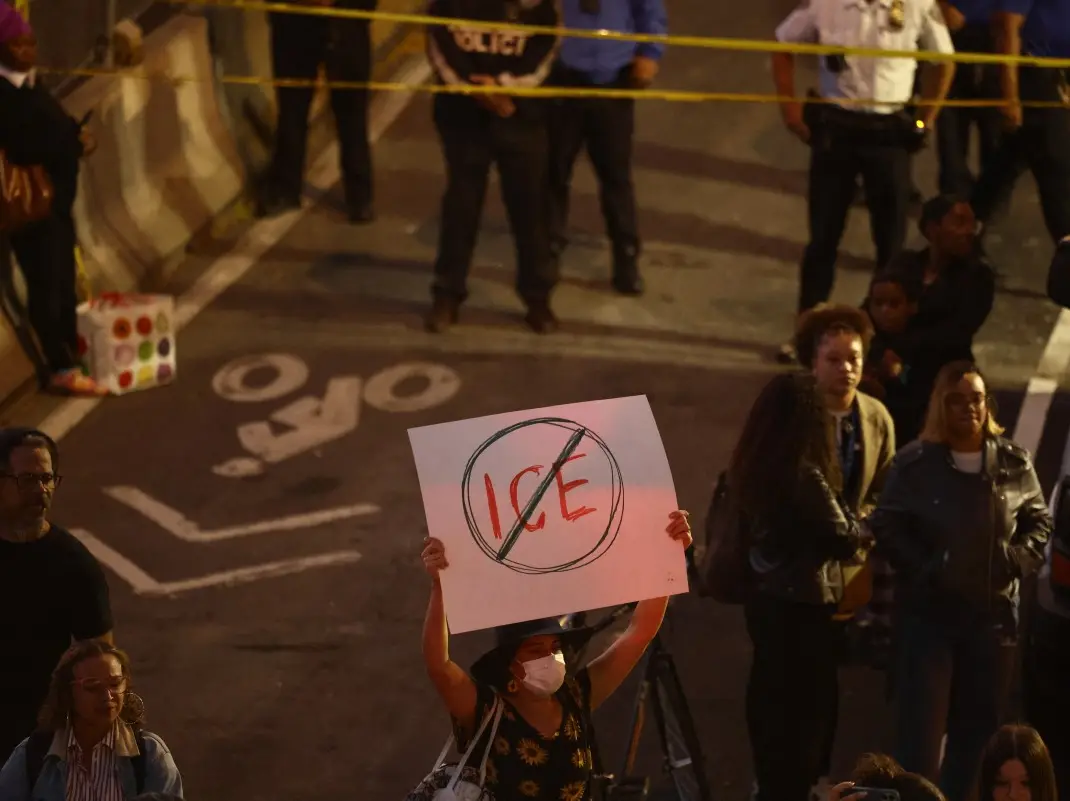
New York protests erupt as Trump administration defends ICE shooting
&imwidth=180&imheight=135&format=webp&quality=medium)
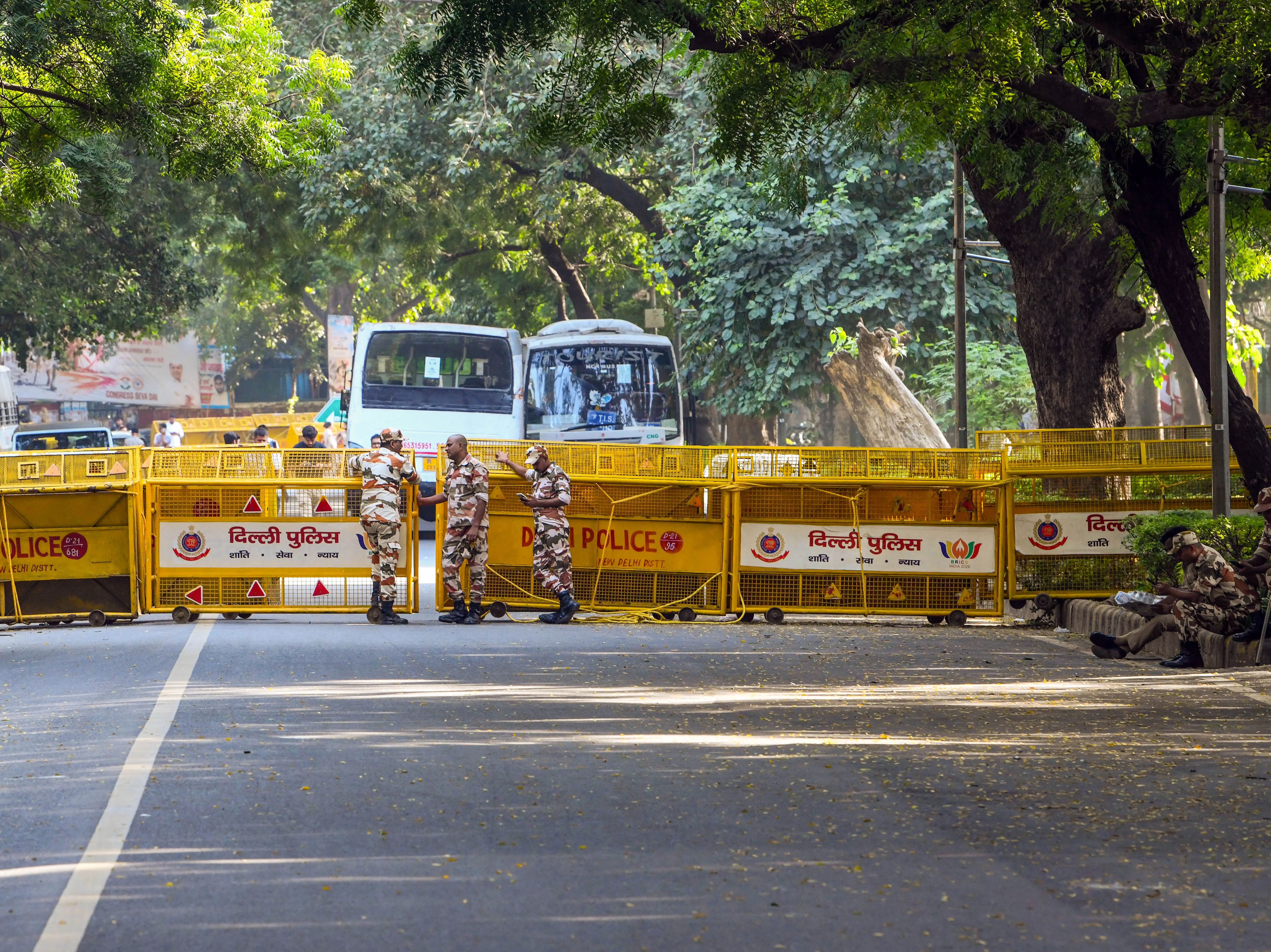
Delhi protest: Metro curbs, train cancellations, traffic diversions as protesters seek CEC Gyanesh Kumar’s resignation
&imwidth=180&imheight=135&format=webp&quality=medium)
'Spent Rs 2,000 cr to elect Trump': Elon Musk bought US President's loyalty by writing the biggest political cheque in human history
&imwidth=180&imheight=135&format=webp&quality=medium)
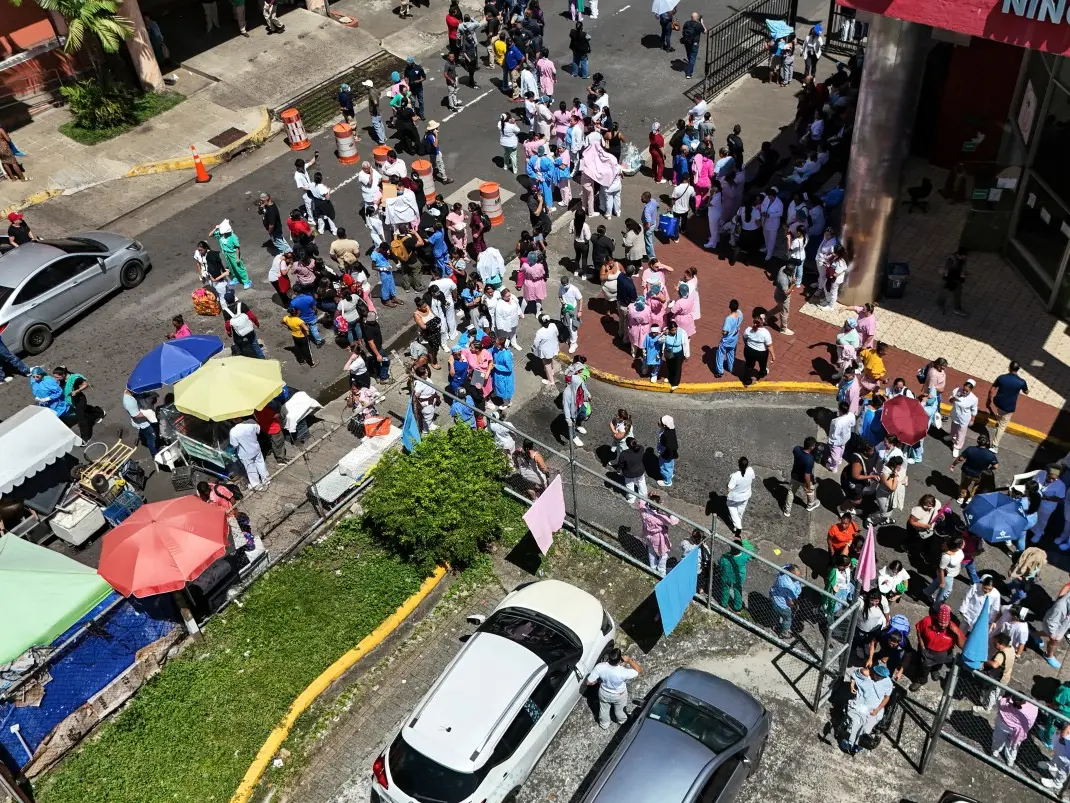
Powerful 7.7 magnitude earthquake strikes Panama, tsunami warning issued
&imwidth=180&imheight=135&format=webp&quality=medium)
Adéla gives KATSEYE’s Lara Raj and Megan Skendiel a shout-out at Fonda Theatre in LA
&imwidth=180&imheight=135&format=webp&quality=medium)
'Modi is a dictator': Abhijeet Dipke claims govt 'scared' of youth, slams stringent measures ahead of CJP Jantar Mantar protest
&im=FitAndFill=(700,400)&imwidth=180&imheight=135&format=webp&quality=medium)
New Friday OTT releases (October 9, 2026): Reporting Live, Animals, Take Charge of My Heart- 6 new titles coming on Netflix, JioHotstar and more
&imwidth=180&imheight=135&format=webp&quality=medium)
Two-thirds of competitive GOP candidates split with trump ahead of November midterms
&imwidth=180&imheight=135&format=webp&quality=medium)
'Ouch!!! That must hurt': Kangana Ranaut hails Kamal Haasan's sharp reply to Elon Musk over Starlink row
&imwidth=180&imheight=135&format=webp&quality=medium)
‘Right to protest must be protected, but...’: Delhi Police reveals why it denied CJP permission for October 10 Jantar Mantar protest
&imwidth=180&imheight=135&format=webp&quality=medium)
Trump announces Russian diesel deal as Zelensky criticises move
&imwidth=180&imheight=135&format=webp&quality=medium)
Pakistan denies reports of PAF jets being used in attacks against Iran-backed Houthis in Yemen
&imwidth=180&imheight=135&format=webp&quality=medium)
All 22 Indian seafarers safe in attack on Panama-flagged tanker off UAE coast
&imwidth=180&imheight=135&format=webp&quality=medium)
Ryan Reynolds’ private messages reveal his blunt views on Justin Baldoni from Blake Lively’s legal case
&im=FitAndFill=(700,400)&imwidth=180&imheight=135&format=webp&quality=medium)
Rakul Preet Singh birthday special: 7 times the Ramayana actress served glamorous looks

Kamal Haasan slams Elon Musk over Starlink delay row: 'Indian people, will decide our own future - not Western'
&im=FitAndFill=(700,400)&imwidth=180&imheight=135&format=webp&quality=medium)
Food shortages, suicide attempts and more: USS Abraham Lincoln returns to US after 321 day deployment — What happened aboard the US carrier?
&imwidth=180&imheight=135&format=webp&quality=medium)
Thai queen becomes first reigning monarch to fly jet solothailand #queen #wion
&imwidth=180&imheight=135&format=webp&quality=medium)
SC questions closure of 57 Delhi Metro stations, asks Centre to resume services in regulated manner
&imwidth=180&imheight=135&format=webp&quality=medium)
Rahul Gandhi calls Modi, Shah ‘cowards’ amid CJP protest crackdown in Delhi
&imwidth=180&imheight=135&format=webp&quality=medium)
Flydubai co-pilot developed extremist views while studying in Australia: UAE prosecutors
&imwidth=180&imheight=135&format=webp&quality=medium)
Why was CJP founder Abhijeet Dipke detained? What Delhi Police said
&imwidth=180&imheight=135&format=webp&quality=medium)
Trump honours Microsoft CEO Satya Nadella with top technology honour amid immigration scrutiny
“A jury, perhaps inclined toward compromise, won’t have the gun charge as an option,” Wright wrote in an email.
Michael O’Hear, a law professor at Marquette University Law School, wrote in an email that the dismissal of the gun possession charge could make the jury perceive that the prosecution had generally overreached with its charges.
Schroeder told jurors Monday that they could consider some less serious charges than the ones Rittenhouse has faced all along. For instance, jurors could opt to convict him of second-degree intentional homicide instead of the higher charge of first-degree intentional homicide.
It is legal for adults to openly carry firearms in Wisconsin, but state law prohibits minors from possessing firearms except in limited circumstances.
Prosecutors argued it was clear that Rittenhouse’s possession of the gun was illegal and that the jury should be asked to decide on the charge. The defence lawyers argued that the statute barring “possession of a dangerous weapon by a person under 18” did not apply in this case.
Watch |Kyle Rittenhouse breakdown during the trial
The statute says it applies to minors carrying a rifle or shotgun only if they are not in compliance with at least one additional statute. These include the regulation of “hunting and use of firearms by persons under 16 years of age,” and the prohibition of rifles with barrels less than 16 inches long.
Rittenhouse was 17 at the time of the shootings. The judge threw out the charge after nobody in court disputed the length of the gun’s barrel.

