Who will pay for Iran’s $300bn reconstruction fund under MoU? This is what we know

&imwidth=600&imheight=450&format=webp&quality=medium "Who will pay for Iran’s $300bn reconstruction fund under MoU? This is what we know")
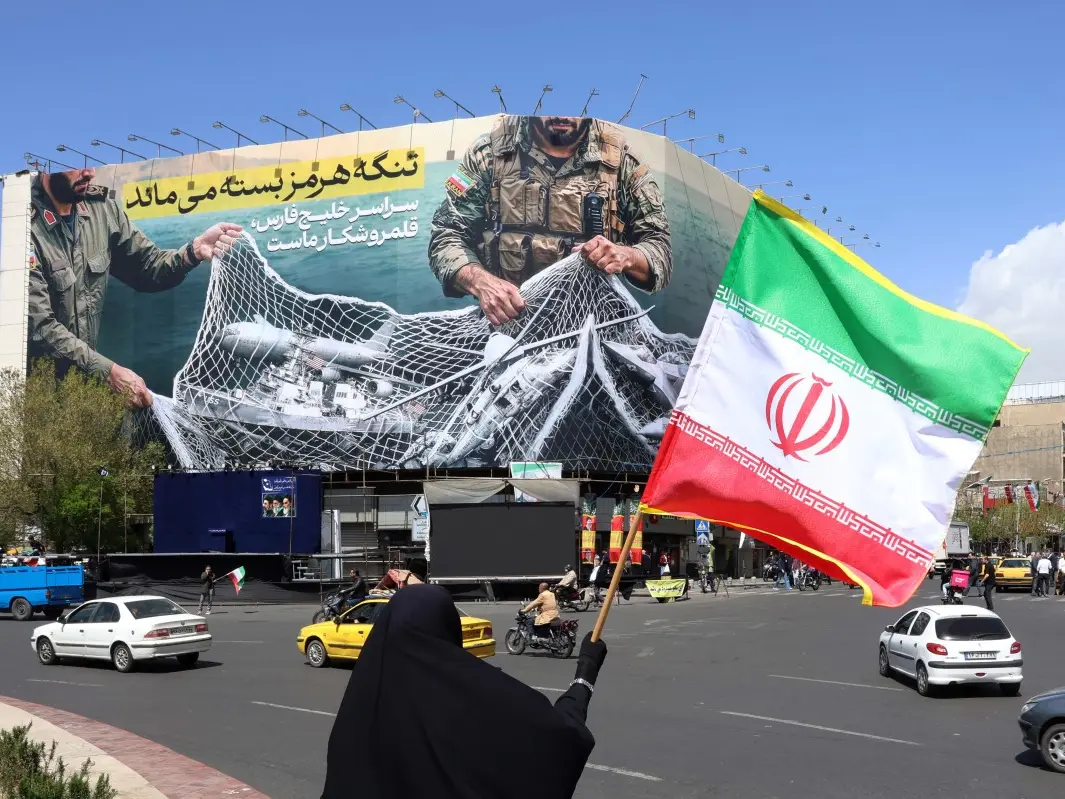
Image for representation Photograph: (AFP)
Under a preliminary MoU, Iran is slated for a $300 billion reconstruction fund. The US will facilitate regulatory and sanctions relief, but international private investors and regional partners will finance it.
Amid the talks in Switzerland, Iran is likely to receive at least $300 billion in post-war reconstruction and economic development funding under the preliminary memorandum of understanding (MoU) reached with America. But despite the headline figure, key questions remain over where the money will come from and who will ultimately finance the ambitious plan. US officials have repeatedly stressed that American taxpayers will not bear the cost of rebuilding Iran. Instead, the financing mechanism is expected to be negotiated during a 60-day implementation period outlined in the agreement.
Before the agreement was signed, US President Donald Trump rejected reports suggesting Washington would provide Iran with $300 billion, describing such claims as "fake news". His remarks came amid speculation that the US was preparing a major financial package for Tehran as part of efforts to stabilise the region after the conflict.
What does the MoU say?
According to the MoU, the US is expected to play a facilitating role rather than a financial one. Washington has committed to working with regional partners to develop the reconstruction programme and to provide the licences, sanctions waivers and regulatory permissions necessary for international financial transactions linked to the plan.
Private investors are also expected to play a significant role. If sanctions relief and regulatory approvals are secured, international companies and investment funds could be encouraged to participate in sectors ranging from energy and transport to housing and industrial development.
Trending Stories
)
)
)
)
)
)
)
)
)
)
&im=FitAndFill=(700,400))
)
)
)
)
)
)
)
)
)
)
)
)
)
)
)
)
)
)
)
)
)
)
)
&im=FitAndFill=(700,400))
)
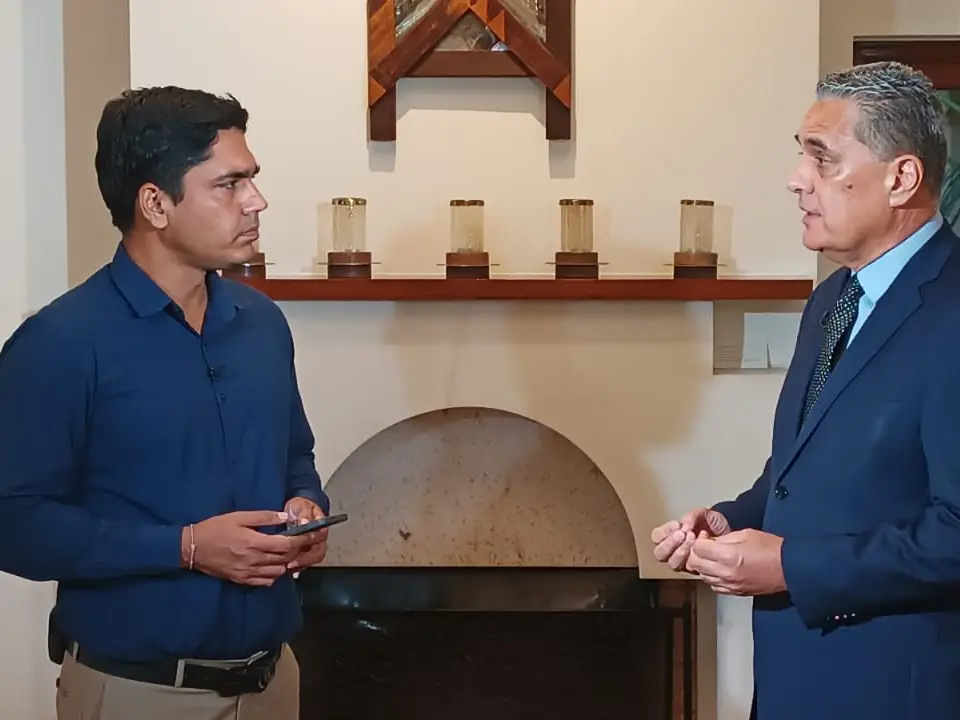
Speaking to NPR, Sullivan said Tehran expected the $300 billion to be sourced from outside parties, while the United States would help create the conditions necessary to attract and secure those investments.
The exact structure of the funding package remains unclear. Negotiators are expected to spend the coming weeks determining how much capital can realistically be raised, which countries or institutions may contribute, and what safeguards will govern the flow of funds.

