WHO says China should provide raw data on pandemic's origins

WHO warns against vaccine hoarding
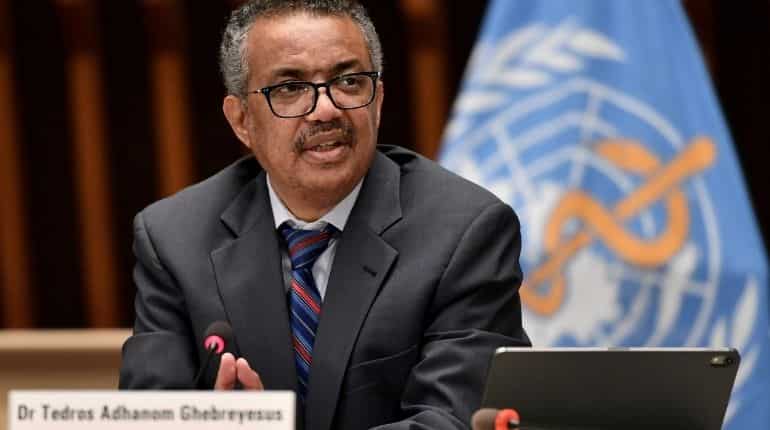
The head of the World Health Organization (WHO) said on Thursdaythat investigations into the origins of the COVID-19 pandemic inChinawere being hampered by the lack of raw data on the first days of spread there and urged it to be more transparent.
A WHO-led team spent four weeks in and around the central city of Wuhan with Chinese researchers and said in a joint report in March that the virus had probably been transmitted from bats to humans through another animal.

It said that "introduction through a laboratory incident was considered to be an extremely unlikely pathway", but countries including the United States and some scientists were not satisfied.
"We askChinato be transparent and open and to cooperate," WHO Director-General Tedros Adhanom Ghebreyesus told a news conference on Thursday.
"We owe it to the millions who suffered and the millions who died to know what happened," he said.
)
Mushtaq Khan dies at 56: When Welcome actor opened up about his salary for iconic role Ballu
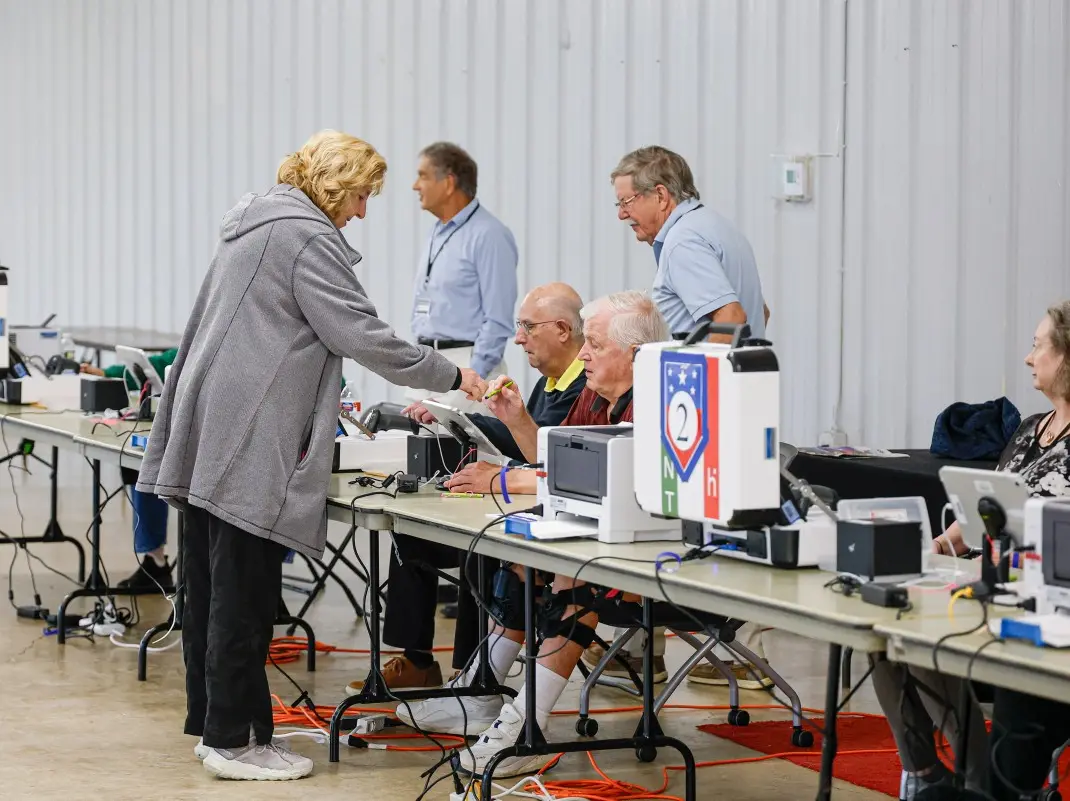)
US Supreme Court backs Trump administration's use of SAVE database to check voter citizenship
)
Outrage erupts after 3-year-old is married to 60-year-old man in Pakistan, link to her sister's murder being probed
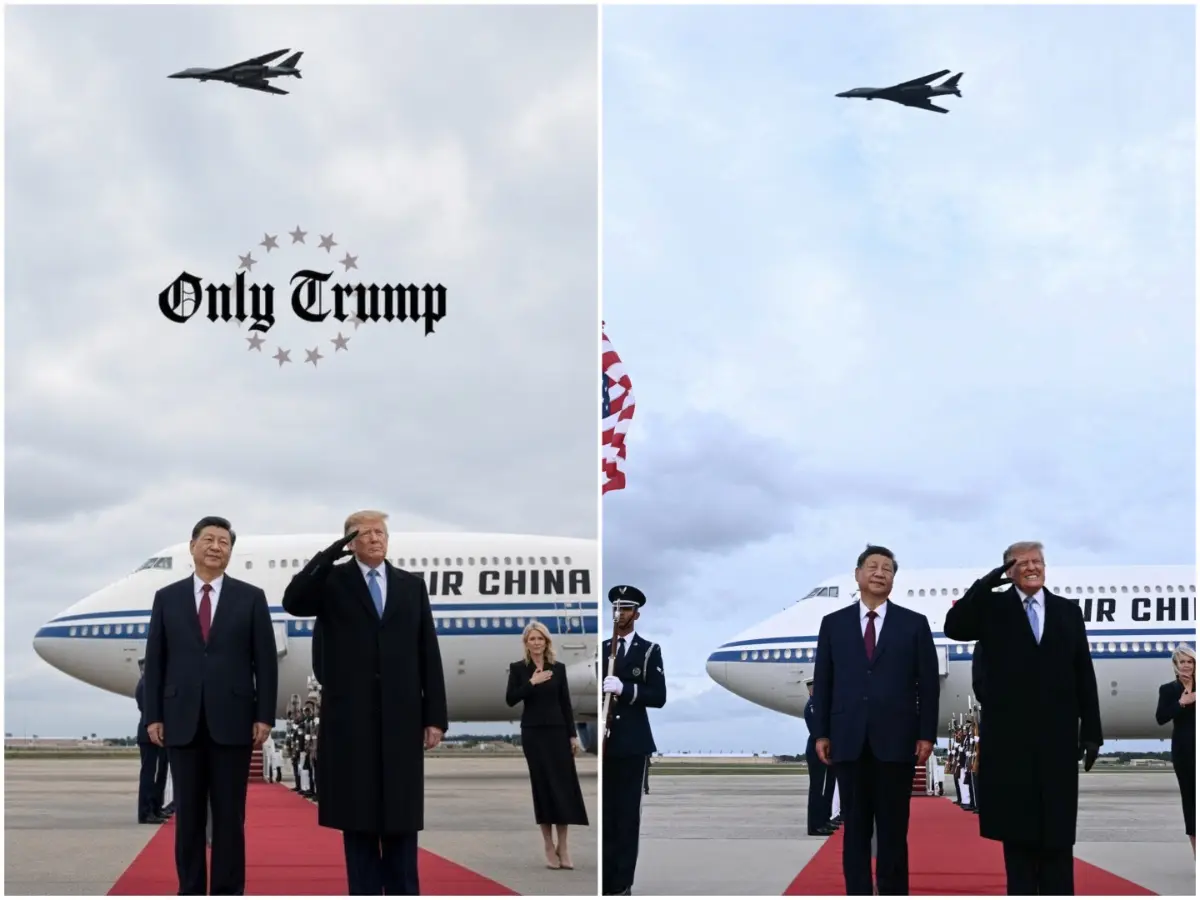)
Donald Trump shares image of Xi's arrival in Washington, carries signs of AI
)
Pakistan deploys over 20,000 security personnel as PTI vows march for Imran Khan's release
)
Anthropic says Claude found a new gene-editing enzyme but science isn't confirmed
)
Prince Harry offers rare glimpse into Archie and Lilibet’s life after UK move
)
Farhan, who went viral for AK47 celebration vs India in Asia Cup, hopes to lead Pakistan beyond Asian Games
)
LPU students go on rampage, vandalise campus amid widespread protest: What's happening
)
OpenAI AI Agents hacked 4 websites before Hugging Face, researchers reveal
)
Pentagon quietly adds 37 wounded troops to Iran war tally without explaining when or how
)
Asian Games 2026: India women’s kabaddi team edge Iran 37-34 to clinch 3rd gold medal
&im=FitAndFill=(700,400))
New Friday OTT releases (September 25, 2026): Don’t Be Shy, Hunkkaar: The Roar, Mango Pachcha- 6 movies and TV shows on Netflix, Prime Video and more
)
Asian Games 2026: India face Afghanistan in quarterfinal on Sep 28; Pakistan clash with Hong Kong
)
‘Attack on Mecca a red line for Pakistan’: Shehbaz Sharif warns Houthis at UN
)
‘I rejected it’: Trump confirms turning down Iran’s proposal to reopen Hormuz, claims Tehran is losing ‘badly’
)
Did Hitler kill his niece Geli Raubal? Newly found records reopen a 95-year-old mystery
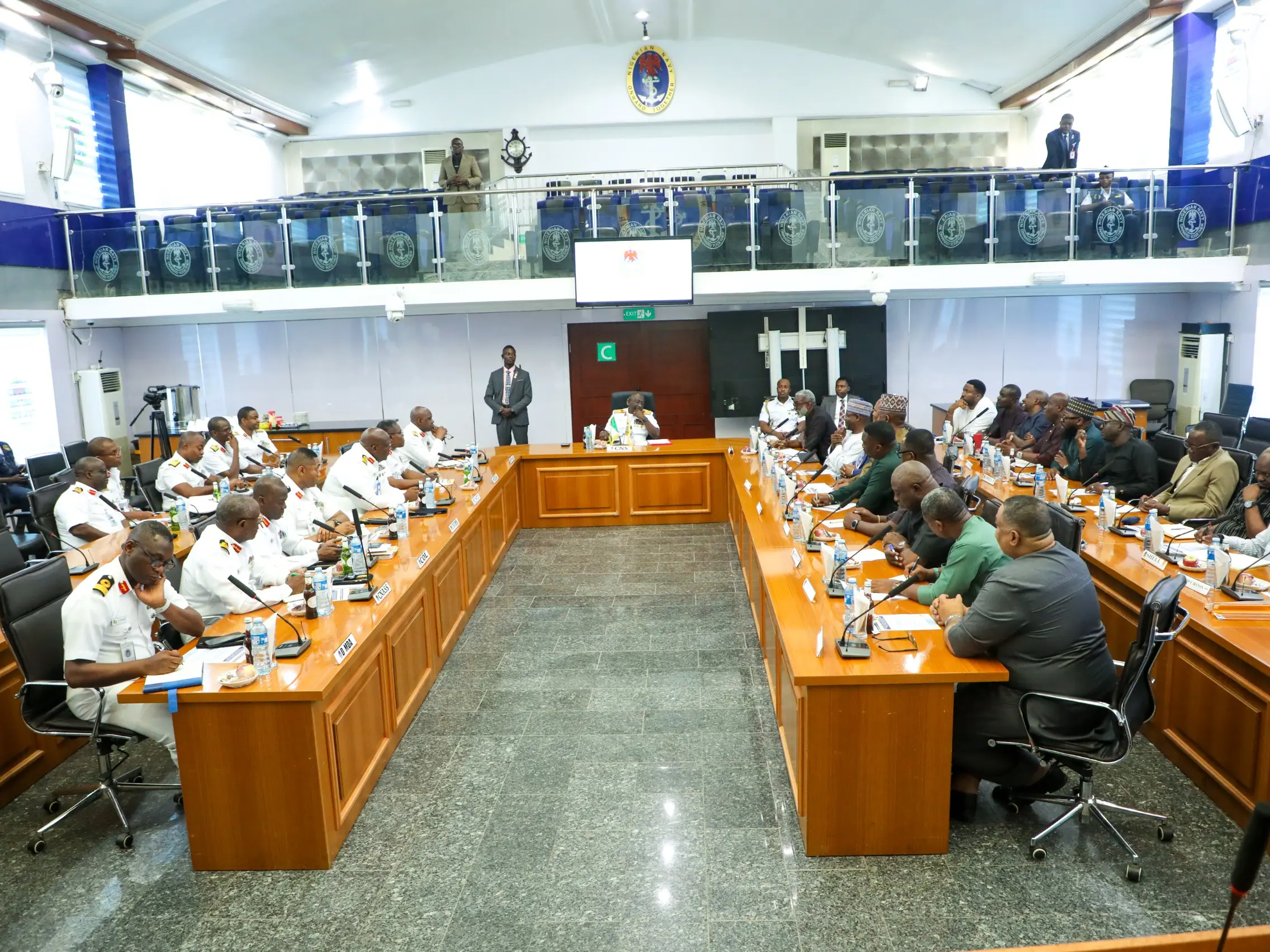)
Nigeria Navy moves to boost oil security, tackle crude theft and infrastructure threats
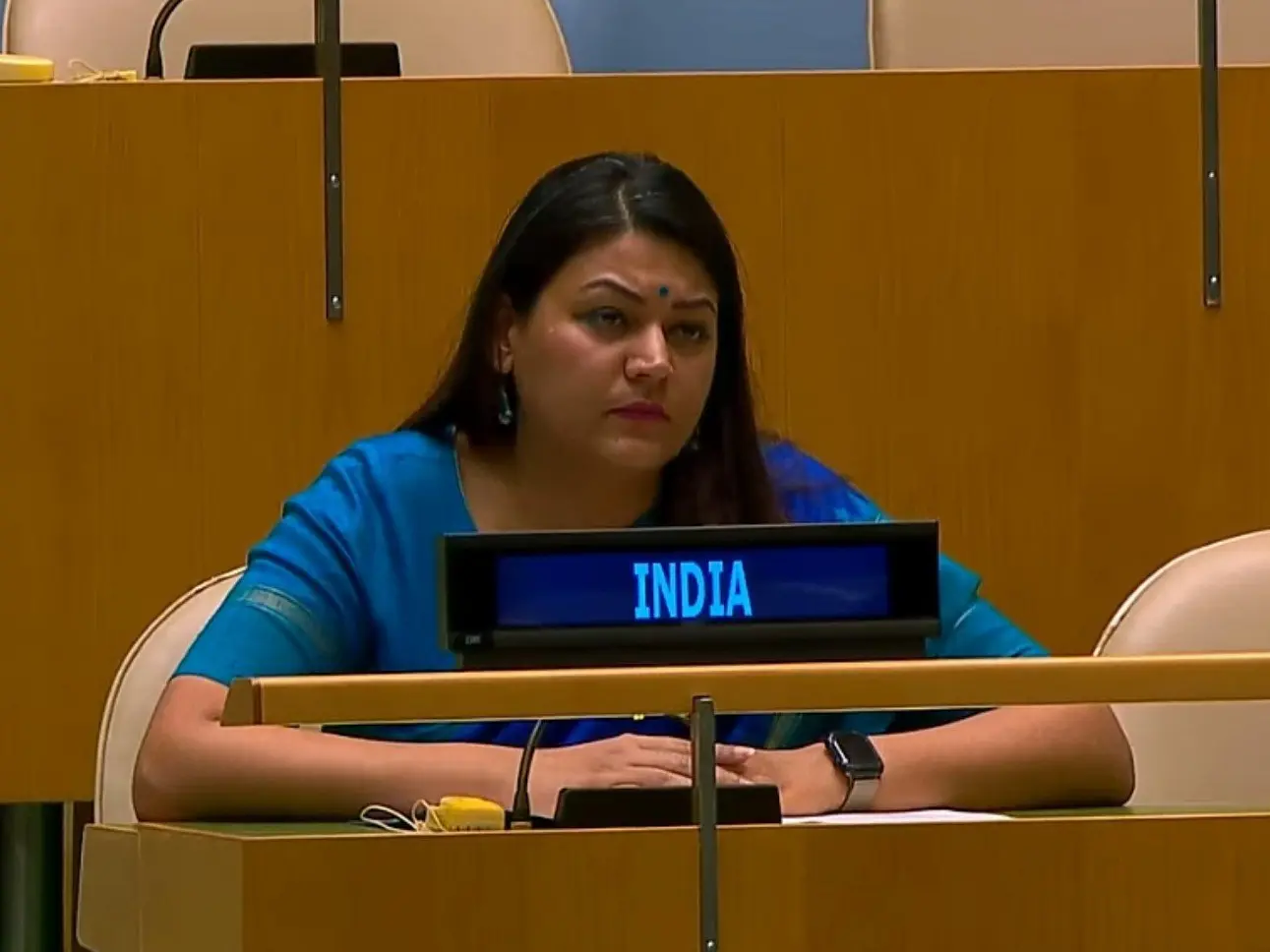)
Indian diplomat Petal Gahlot raises deteriorating situation in Pakistan-occupied Kashmir in right of reply at UN
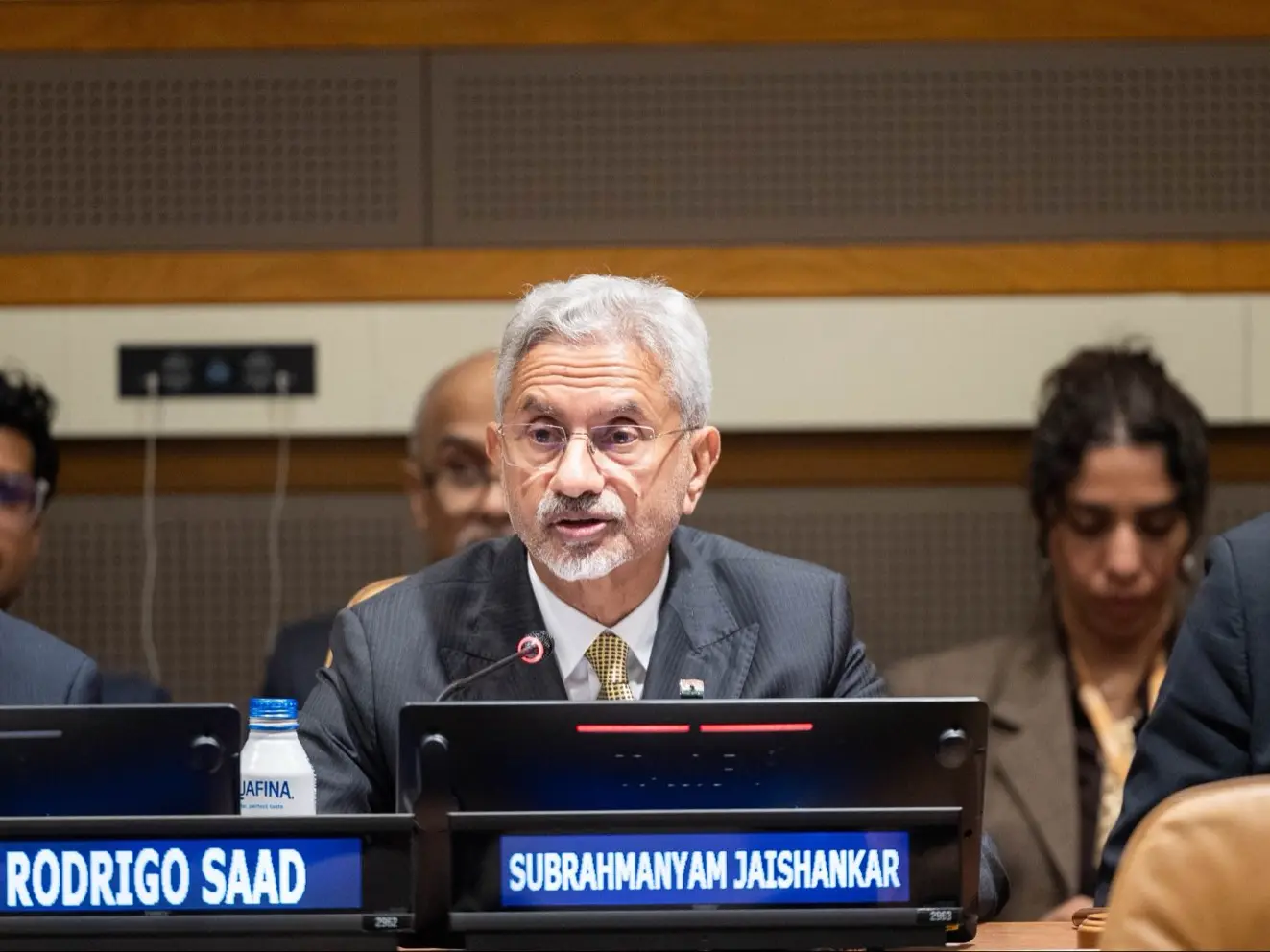)
'Countries far from conflict are penalised': Jaishankar calls for Gulf peace, seafarer safety at UN
)
Bigg Boss 20: Salman Khan schools Rhiti Tiwari over Qazi Touqeer clash, compares her to Dolly Bindra
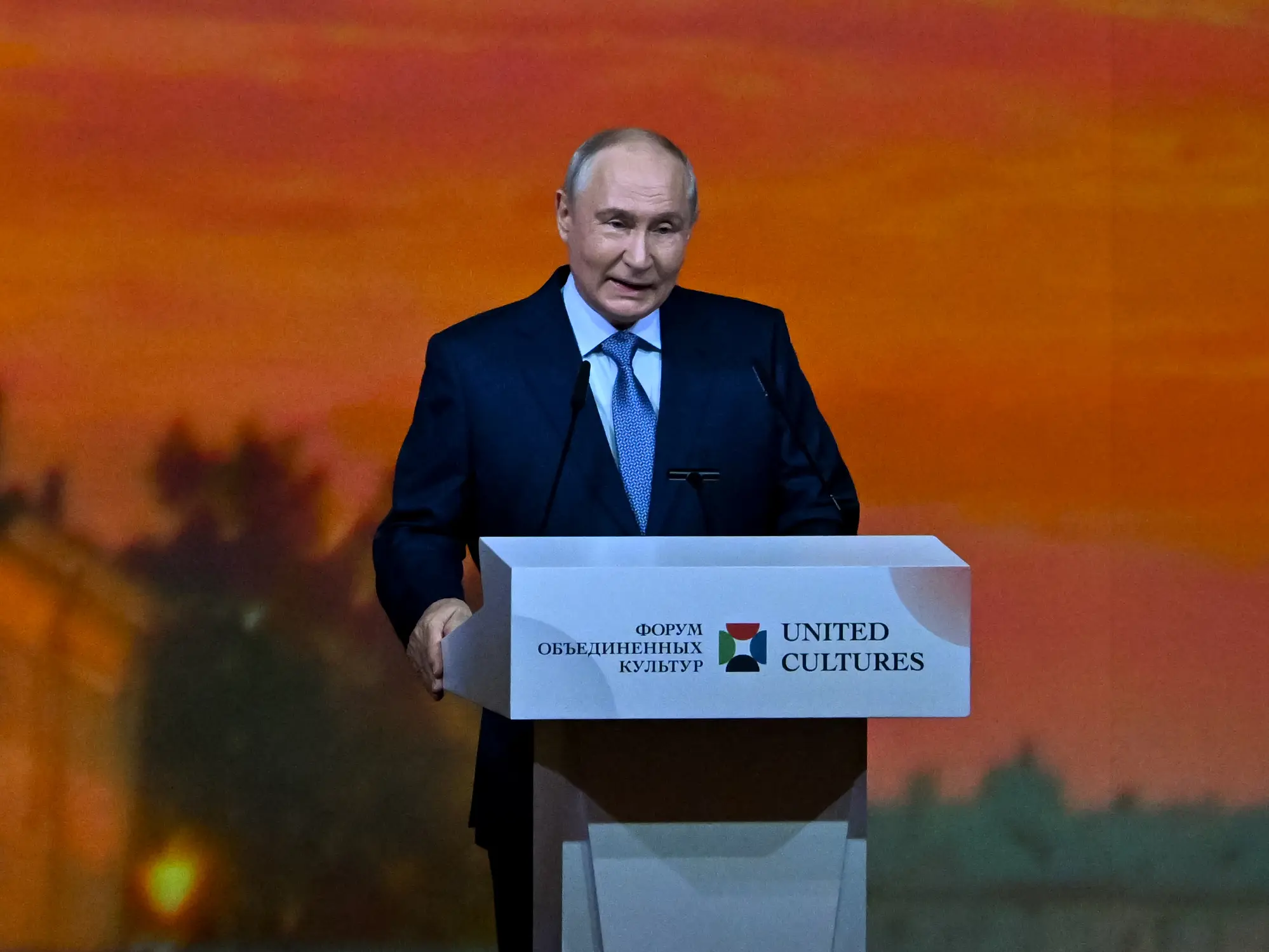)
‘It is all possible’: Putin weighs next steps on Ukraine talks, rules out Europe conflict
)
Global community 'absent' in Gulf crisis: Saudi at UN calls for freedom of navigation, pre war status for Hormuz
)
Gaza's war turned environmental damage into second crisis
)
Trump-Xi summit wrap: Big pageantry, Iran talks, few major developments and more meetings planned
)
‘Could kill billions...’: Bill Gates backs calls to slow AI development amid fears of catastrophe
)
Bollywood x K-pop crossover! LE SSERAFIM’s Kazuha charms fans with Shah Rukh Khan’s ‘Chammak Challo’ steps
)
US-Iran war: Trump rejects Iran's Hormuz proposal, reports suggest talks expected next week
)
'What kind of confession is this?': Pakistan PM Shehbaz Sharif’s 'terrorists would be roaming New York' remark goes viral, raises alarm online. Watch
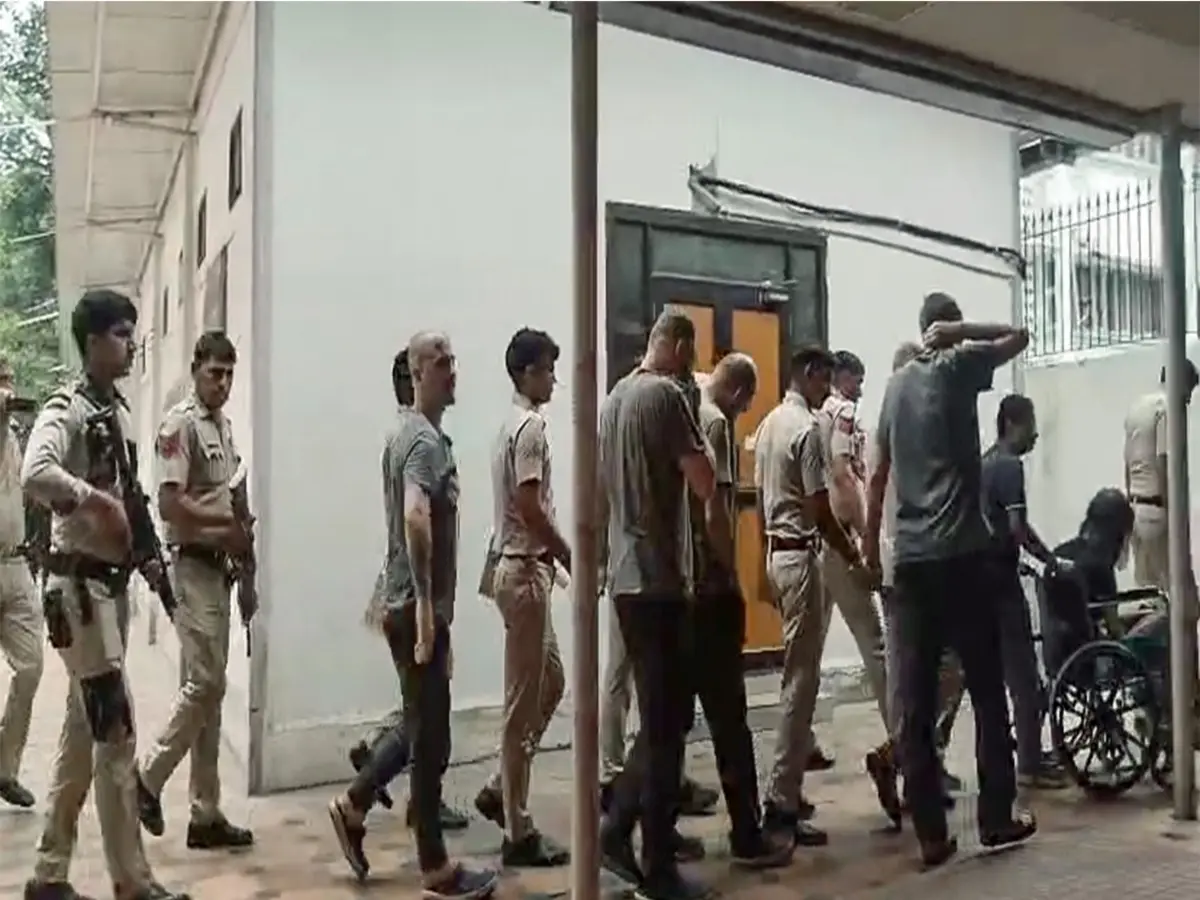)
Myanmar training camp case: US national, 6 Ukrainians allowed to meet their families abroad
)
'FIRST LOOK from inside Noah’s Ark': Researchers share video from inside mysterious mound in Turkey
)
Cindy Crawford’s son Presley Gerber cremated as death probe continues
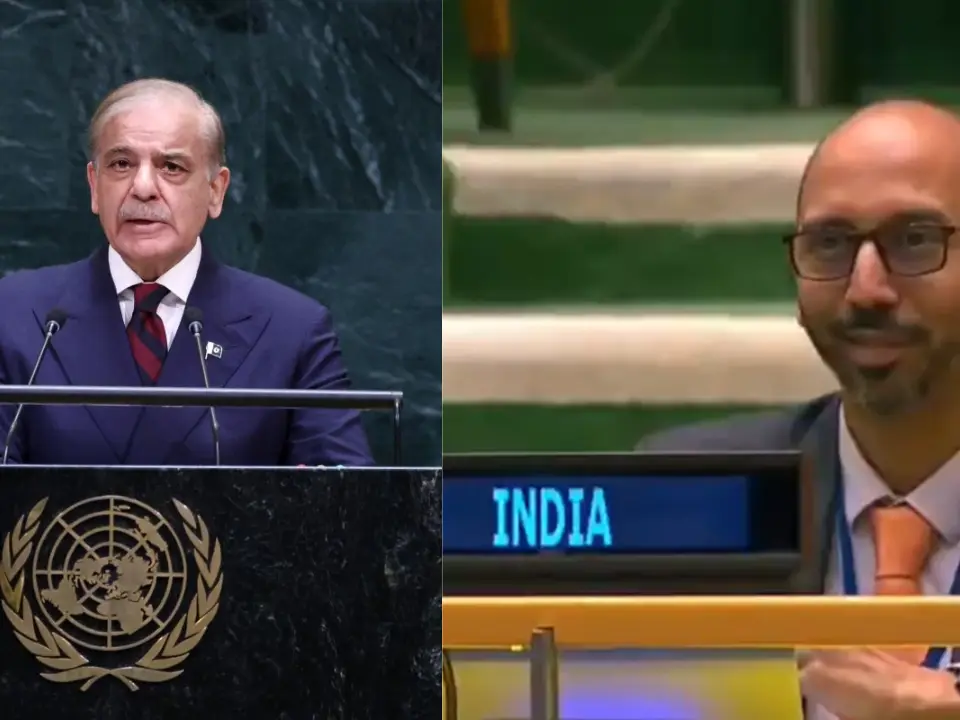)
WATCH | As Shehbaz Sharif claims Pakistan’s ‘victory’ during 2025 conflict, Indian diplomat R Srinivas laughs at UN
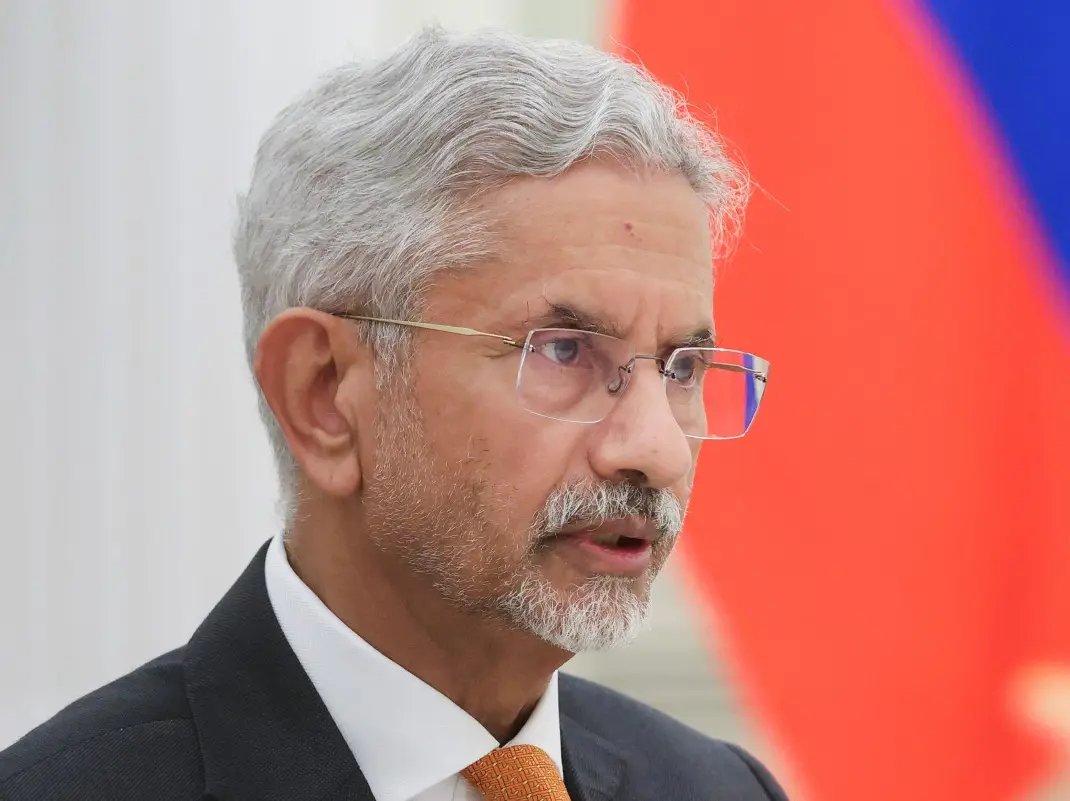)
'A terrorist country is asking me that question?': Jaishankar hits back at Pakistani journalist at UN; flags attacks on commercial shipping
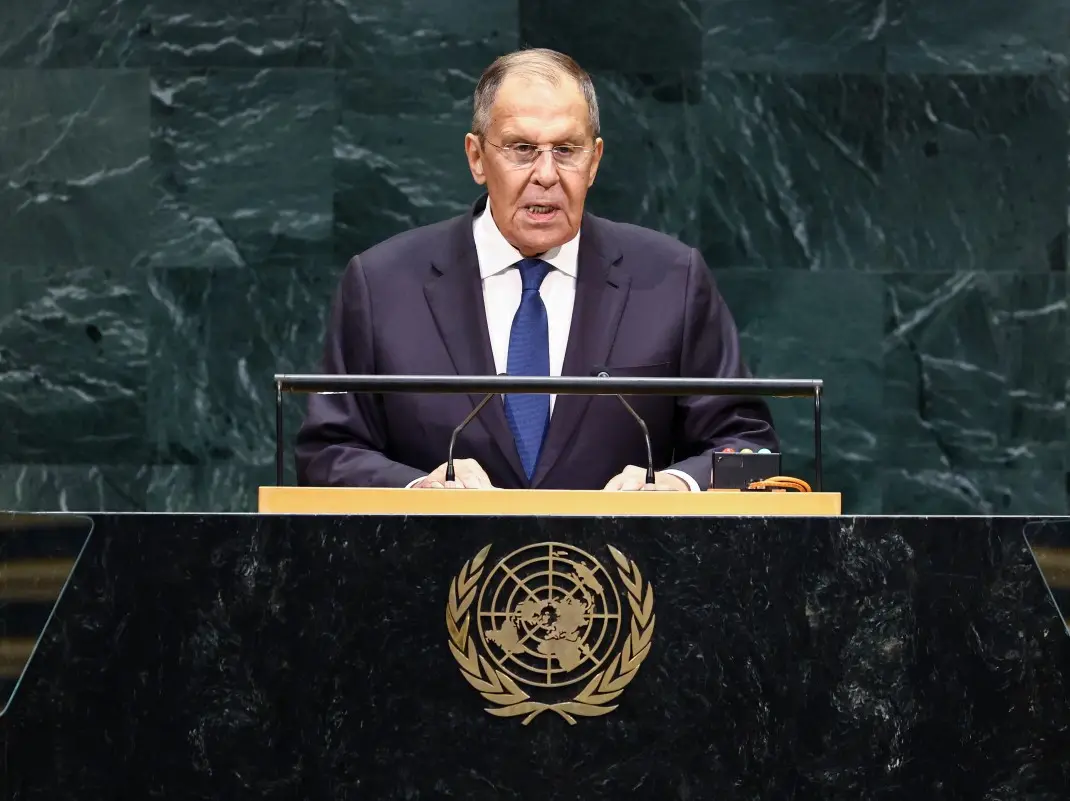)
Russia will achieve Ukraine war aims; Europe doing everything to block peace talks: Lavrov at UN
)
‘Serial practitioner of terrorism’: Jaishankar calls out Pakistan’s ‘state-sponsored’ terror at UNGA
)
US court backs Pentagon's decision to exclude Anthropic over Claude AI restrictions
Chinahas called the theory that the virus may have escaped from a Wuhan laboratory "absurd" and said repeatedly that "politicizing" the issue will hamper investigations.
German Health Minister Jens Spahn, who held talks with Tedros on Thursday, urgedChinato enable investigations into the origins of the COVID-19 pandemic to continue, saying more information was needed.
Tedros will brief WHO's 194 member states on Fridayregarding a proposed second phase of study, WHO's top emergency expert Mike Ryan said.
"We look forward to working with our Chinese counterparts on that process and the director-general will outline measures to member states at a meeting tomorrow, on Friday," he told reporters.
Spahn, who was speaking during a visit to the WHO headquarters in Geneva, also announced a 260 million euro ($307 million) donation to WHO's ACT-Accelerator programme, which aims to ensure the entire world, including poorer countries, receive COVID-19 vaccines and tests.
The UN health agency has been facing intensifying pressure for a new, more in-depth investigation of Covid-19's origins.
The WHO only managed to send a team of independent, international experts to Wuhan in January, more than a year after Covid-19 first surfaced there in late 2019, to help probe the pandemic origins.
But in their long-delayed report published in late March, the international team and their Chinese counterparts drew no firm conclusions, instead ranking a number of hypotheses according to how likely they believed they were.
The report said the virus jumping from bats to humans via an intermediate animal was the most probable scenario, while a theory involving the virus leaking from a laboratory was "extremely unlikely".
The investigation and report have faced criticism for lacking transparency and access, and for not evaluating the lab-leak theory more deeply -- a mere 440 words of the report were dedicated to discussing and dismissing it.
Long dismissed as a right-wing conspiracy theory, and vehemently rejected by Beijing, the idea that Covid-19 may have emerged from a lab leak has been gaining increasing momentum in the United States especially.
(With inputs from agencies)