Who are the Bedouins fighting the Druze in Syria's Suwayda region? What you should know about the Arab nomadic tribes

&imwidth=600&imheight=450&format=webp&quality=medium "Who are the Bedouins fighting the Druze in Syria's Suwayda region? What you should know about the Arab nomadic tribes")
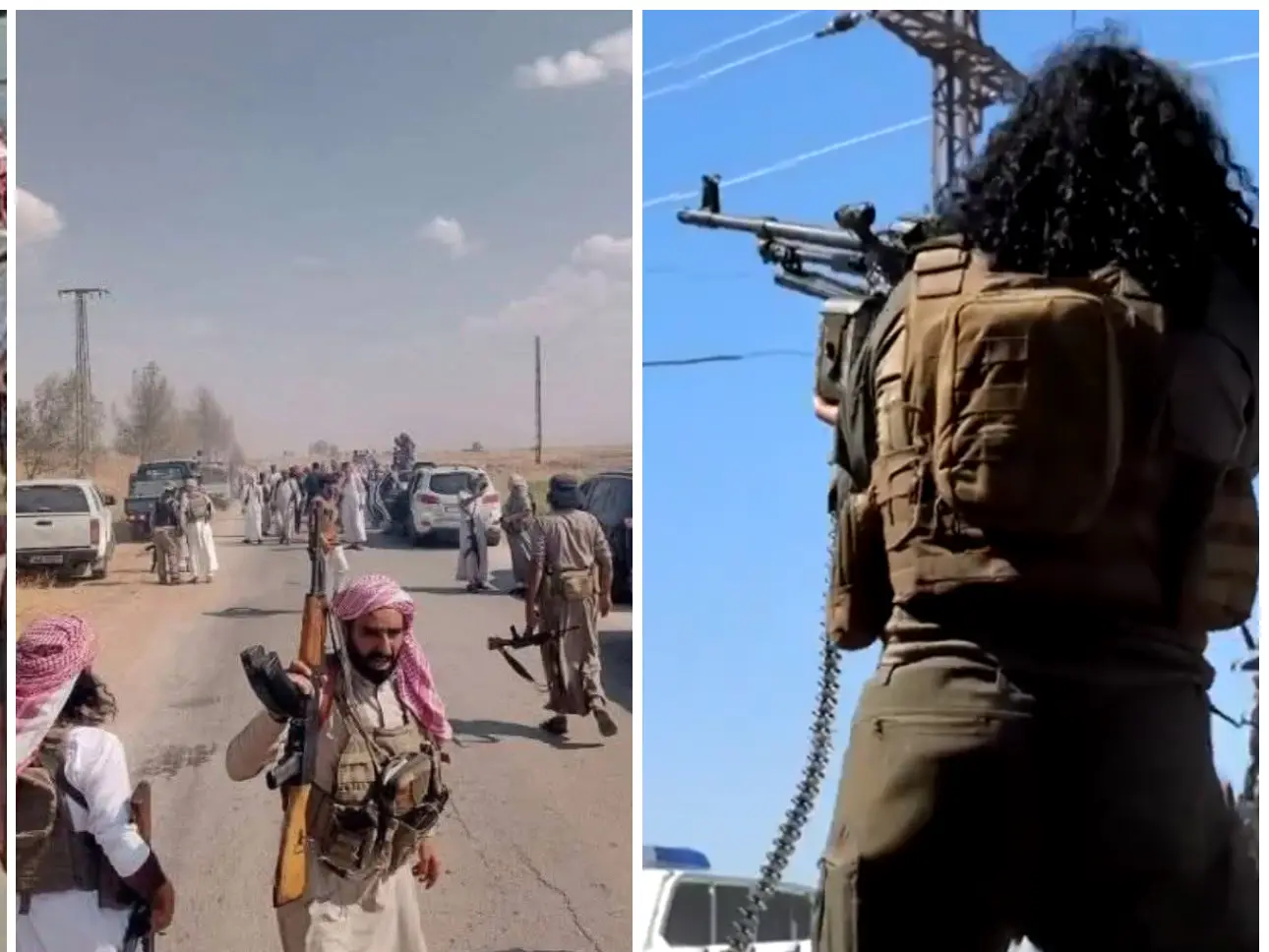
Images of the Druze-Bedouin clashes and Syrian government forces intervening in Suwayda Photograph: (X.com)
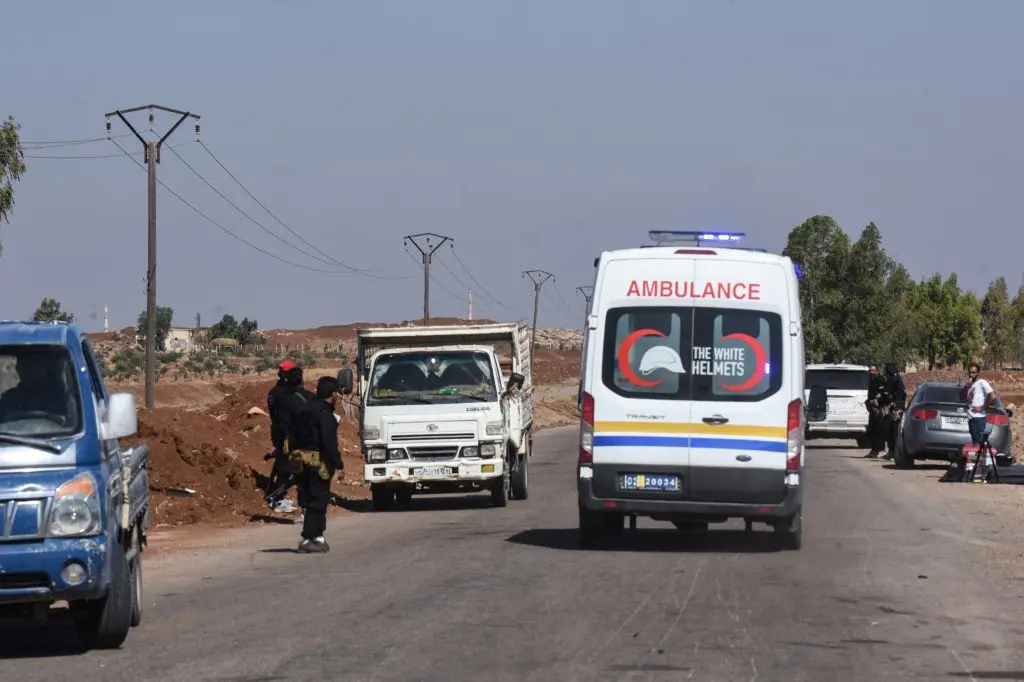
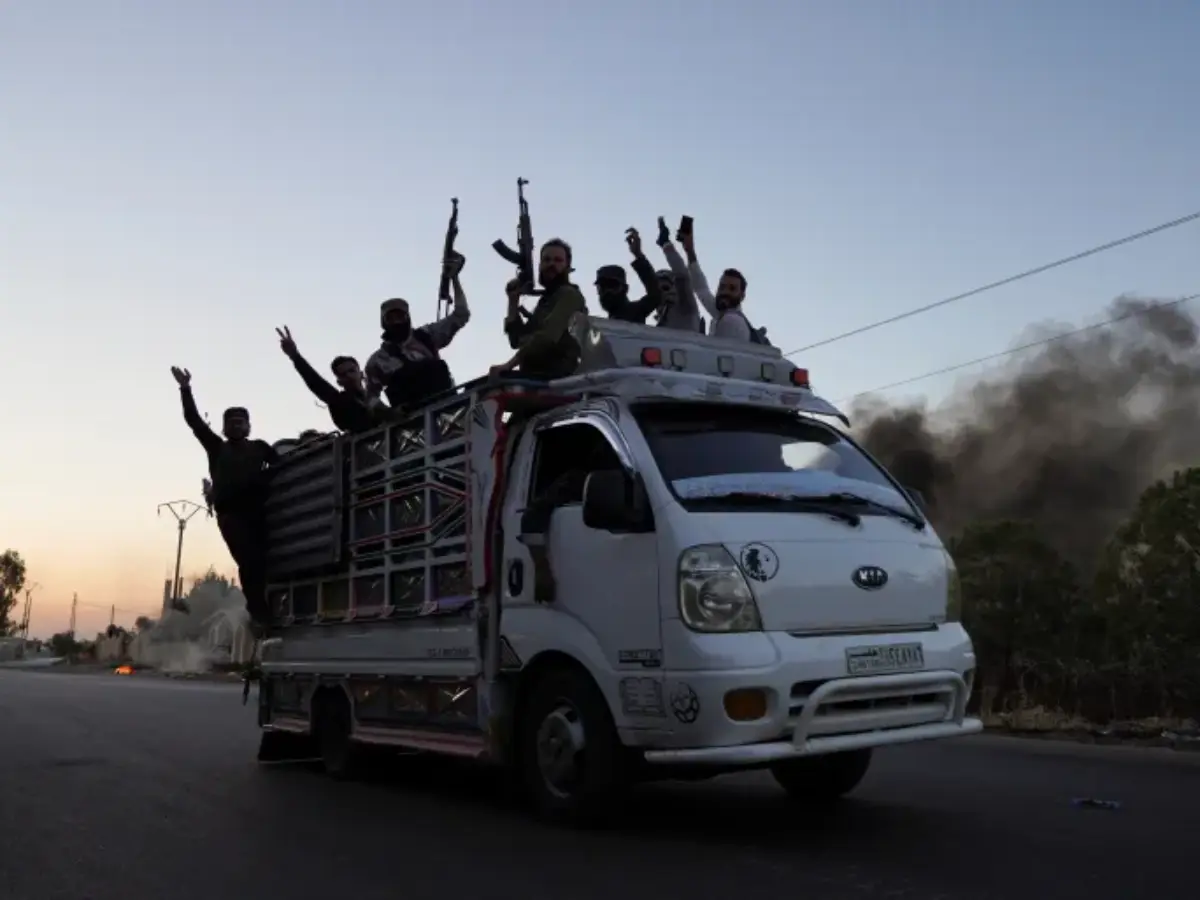
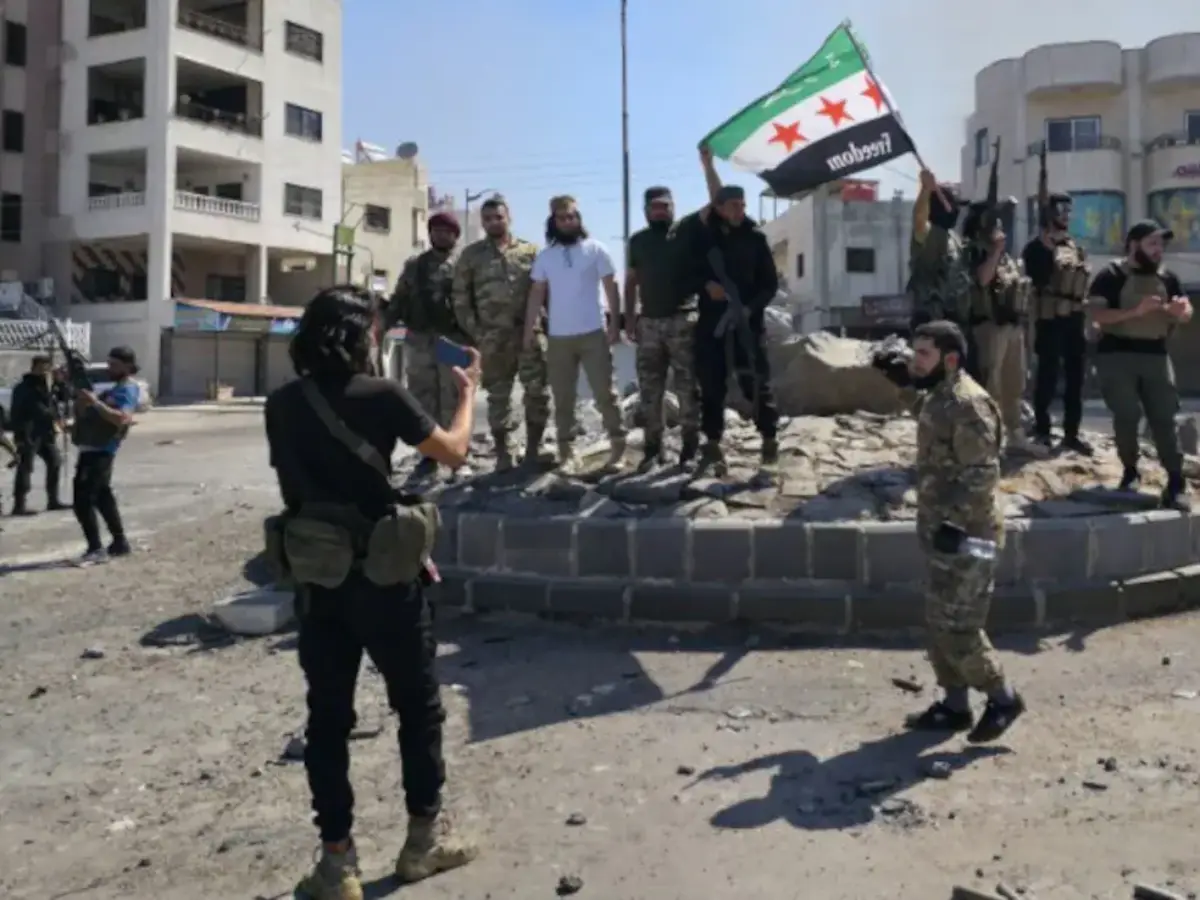
To understand the clashes, it's important to learn about the Bedouins and their relations with the Druze. Here is what you should know.
The sectarian clashes this month in Syria's restive Suwayda region (also mentioned as Sweida) reopened festering rivalries that erupted in the power vacuum created by the end of Bashar al-Assad regime. The Druze, a unique community, are fighting the Bedouins, the nomadic and semi-nomadic Arab tribes who are mostly Sunni Muslims. To understand the clashes, it's important to learn about the Bedouins and their relations with the Druze. Here is what you should know.
Who are the Bedouins fighting the Druze in Syria? Are they a single tribe?
Bedouins fighting in Syria are not a singular entity, but multiple Arab tribes from the war-torn country's desert regions, particularly the Badiya. Prominent among these Bedouin tribes are Baggara, al-Anezi, al-Mahamids, al-Qateifan, al-Saud, and al-Wahban. Once nomadic pastoralists, they are now living mostly semi-sedentary lives, but operate under kin-based tribal systems led by a ‘Shaykh.’
How many Bedouins were fighting in Suwayda?
Bedouins fighting in Suwayda are estimated to be around 10,000, with more fighters having joined from other areas like Deir Ezzour, Homs, Aleppo, and Raqqa. Overall, some 50,000 Bedouin fighters have been mobilised.
Their engagement in the conflict is driven by sectarian tensions, tribal loyalty, and retaliation for perceived provocations, especially following the fall of Bashar al-Assad in December 2024.
Trending Stories
)
)
)
)
)
)
&im=FitAndFill=(700,400))
)
)
)
)
)
)
)
&im=FitAndFill=(700,400))
)
)
)
)
)
)
)
)
)
)
)
)
)
)
)
)
)
Tribal and religious identity of Bedouins
Though belonging to different tribes, the Bedouins have shared Interests. They unite during conflict under shared cultural and religious identities, with their coordination in full display to support Suwayda-based tribes this month.
Sunni Islam is a common denominator for the Bedouins, aligning with Syria’s majority sect. The Druze, on the other hand, follow a secretive offshoot of Ismaili Shia Islam and do not identify as Muslim. These religious differences amplify sectarian mistrust.
Historical Bedouin–Druze relations: From co-existence to rivalry
The Bedouins are thought to have existed long before the Druze in southern Syria. Both communities coexisted through trade and shared livestock partnerships over the years, and even have some common musical and dance traditions.
Druze- Bedouin clashes before 2025
Tensions arose in the 19th century, when rulers of the Egyptian and Ottoman empires exploited the divisions. Bedouins were sometimes encouraged to plunder Druze communities, while the Druze resisted conscription and persecution, deepening mutual distrust, according to historians.
The rivalries escalated in the mid-20th century when, under Adib Shishakli (1949–1954), the Druze faced repression and military attacks, with Bedouins plundering Druze villages. The two sects engaged in sporadic clashes over the years, including a Druze farmer’s killing in 2000 that resulted in violence.
During the Syrian civil war of 2011–2024, some Bedouin tribes supported Assad, while the Druze maintained local militias for self-defence.
Why did the Druze and Bedouins clash in 2025 in Suwayda?
The trigger was the attack of a Druze vendor by Dedouin tribesmen on July 13. Abductions and reprisals followed, with both sides accusing each other of violence.
Druze militias captured Bedouins, who answered a call for reinforcements with thousands moving towards Suwayda.
The two sides fought pitched gun battles, exchanged mortar fire, and kidnapped community members.
Syria and Israel enter Druze-Bedouin clashes
What was essentially a sectarian clash assumed an international dimension with the Syrian and Israeli governments' interventions. Forces of Syria's new president Ahmed al-Sharaa were accused of siding with Bedouins and committing extrajudicial killings.
Israeli Prime Minister Benjamin Netanyahu ordered airstrikes in order to protect Druze communities.
The human cost of Bedouin-Druze clashes: Executions, displacement
Both sides have been accused of atrocities, including the execution of civilians and the desecration of religious symbols.
More than 1,000 deaths were reported, including 427 Druze fighters, 298 Druze civilians, out of which 194 were allegedly executed by Syrian government forces.
According to reports, many of which are unconfirmed, 354 government personnel and
21 Bedouins were killed, while at least 128,000 people were displaced from the Suwayda area.
Uneasy calm after Bedouin-Druze clashes
Two ceasefire attempts were made on July 16 and 19. Though the truce is in place and Bedouin forces withdrew from Suwayda city under military pressure, tensions remained high.
Bedouin - Druze conflict is a result of the reignited sectarian divide
Religious differences between Bedouins, who are Sunni Muslims, and the Druze who consider themselves non-Muslims, have been at the core of their mistrust, along with a history of animosity.
Bedouins are decentralised and follow a tribal leadership, while the Druze have unified leadership, particularly under Sheikh Hikmat al-Hijri.
Various state governments historically used one group against the other. And the post-Assad regime's perceived favouritism toward Bedouins escalated tensions.
Israel's support for Druze communities, which is a minority group in the Jewish nation, inflamed perceptions of betrayal and foreign collusion.