Who are the 82nd Airborne Division of US, who might parachute down on Iran? Unit famed for World War II D-Day ops going to Middle East, claim reports

&imwidth=600&imheight=450&format=webp&quality=medium "Who are the 82nd Airborne Division of US, who might parachute down on Iran? Unit famed for World War II D-Day ops going to Middle East, claim reports")
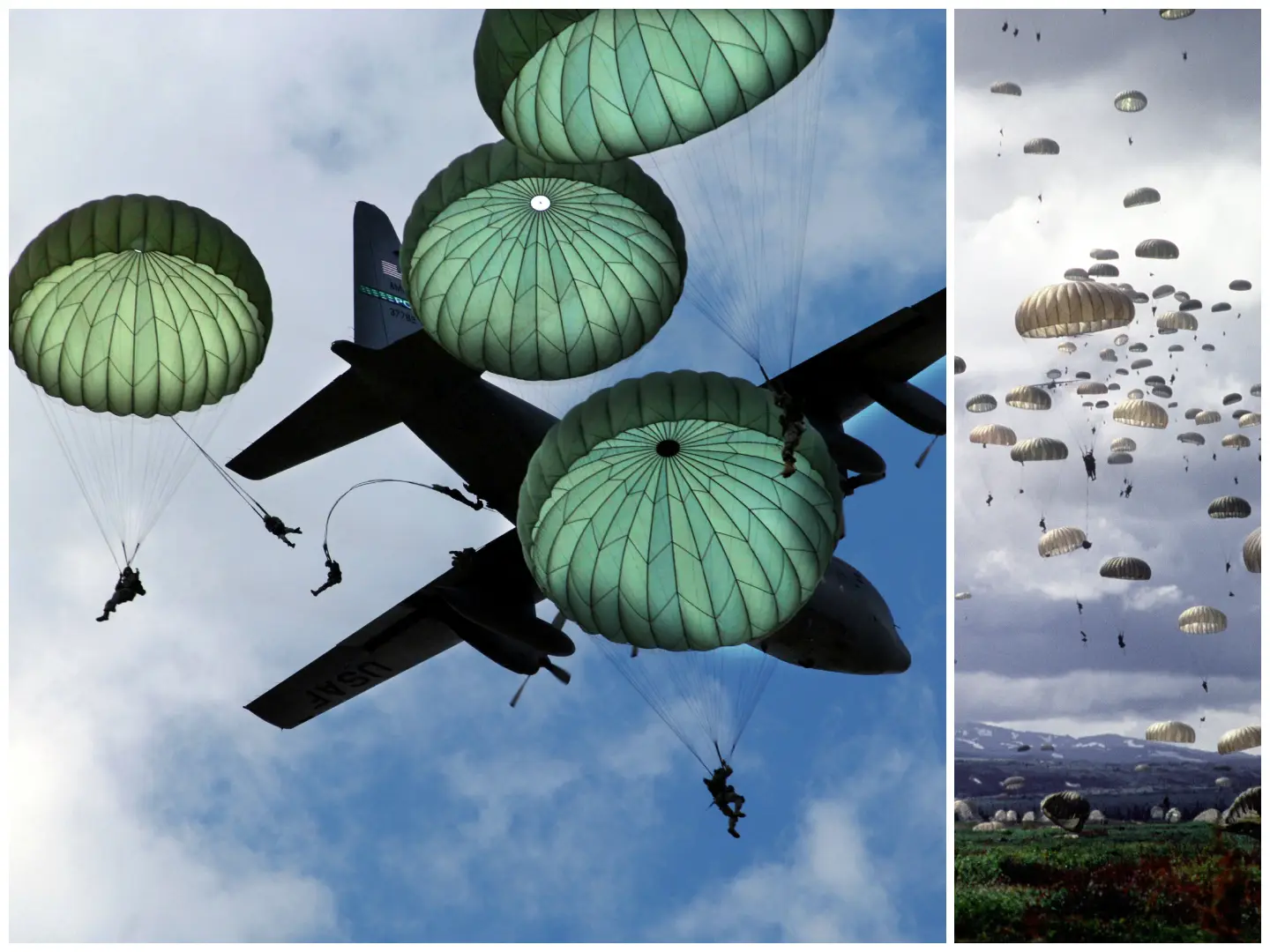
File images of parachute deployment of 82nd Airborne Division of US Army Photograph: (Others)
Iran war update: Troops from the 82nd Airborne Division of US may deploy to the Middle East, according to reports. They are rapid-response paratroopers from a unit known for their historic D-Day legacy from World War II
Troops from the US Army’s 82nd Airborne Division are preparing for possible deployment to the Middle East, New York Times and other American outlets have reported. There is no official confirmation, but defence officials cited in the reports said that the rapid-response troops, including paratroopers, could soon be on the move to possibly join the Iran-US-Israel war.
Who are the 82nd Airborne Division’s Immediate Response Force (IRF)?
IRF is a high-readiness brigade of some 3,000 soldiers. The Middle East deployment could involve around 2,000 troops, including headquarters and command elements led by Maj Gen Brandon Tegtmeier, according to the reports. There could be a larger brigade-scale mobilisation too. Their training exercises in early March were cancelled, and flight movements have been recorded from Fort Bragg, North Carolina, towards the Middle East region, said the reports.
82nd Airborne Division: Capable of rapid “first-in” operations
The paratroopers from 82nd Airborne Division can deploy in 18 hours of notice, and are trained for airborne assaults including parachuting into hostile territory to secure airfields, bridges, or similar infrastructure. Reports suggest they could be used to reinforce US operations, support US Marines reportedly being deployed to the region, and secure strategic sites such as Kharg Island, which is critical to Iran’s oil exports and the Strait of Hormuz.
Trending Stories
&imwidth=280&imheight=210&format=webp&quality=medium)
&imwidth=280&imheight=210&format=webp&quality=medium)
&imwidth=280&imheight=210&format=webp&quality=medium)
&imwidth=280&imheight=210&format=webp&quality=medium)
&imwidth=280&imheight=210&format=webp&quality=medium)
&imwidth=280&imheight=210&format=webp&quality=medium)
&imwidth=280&imheight=210&format=webp&quality=medium)
&imwidth=280&imheight=210&format=webp&quality=medium)
&imwidth=280&imheight=210&format=webp&quality=medium)
&imwidth=280&imheight=210&format=webp&quality=medium)
&imwidth=280&imheight=210&format=webp&quality=medium)
&imwidth=280&imheight=210&format=webp&quality=medium)
&imwidth=280&imheight=210&format=webp&quality=medium)
&imwidth=280&imheight=210&format=webp&quality=medium)
&imwidth=280&imheight=210&format=webp&quality=medium)
&imwidth=280&imheight=210&format=webp&quality=medium)
&imwidth=280&imheight=210&format=webp&quality=medium)
&imwidth=280&imheight=210&format=webp&quality=medium)
&imwidth=280&imheight=210&format=webp&quality=medium)
&im=FitAndFill=(700,400)&imwidth=280&imheight=210&format=webp&quality=medium)
&imwidth=280&imheight=210&format=webp&quality=medium)
&imwidth=280&imheight=210&format=webp&quality=medium)
&imwidth=280&imheight=210&format=webp&quality=medium)
&imwidth=280&imheight=210&format=webp&quality=medium)
&imwidth=280&imheight=210&format=webp&quality=medium)
&imwidth=280&imheight=210&format=webp&quality=medium)
&imwidth=280&imheight=210&format=webp&quality=medium)
&imwidth=280&imheight=210&format=webp&quality=medium)
&imwidth=280&imheight=210&format=webp&quality=medium)
&imwidth=280&imheight=210&format=webp&quality=medium)
&imwidth=280&imheight=210&format=webp&quality=medium)
&imwidth=280&imheight=210&format=webp&quality=medium)
&imwidth=280&imheight=210&format=webp&quality=medium)
&imwidth=280&imheight=210&format=webp&quality=medium)
&imwidth=280&imheight=210&format=webp&quality=medium)
&imwidth=280&imheight=210&format=webp&quality=medium)
82nd Airborne Division deployment inside Iran could mark big war escalation
The 82nd’s troops are light infantry, meaning they can arrive quickly but initially lack heavy armour, relying instead on speed, surprise, and follow-on forces for sustained combat. Their deployment could be a significant escalation in the Iran-Israel- US war.
Separatel reports said that the 31st Marine Expeditionary Unit, comprising over 2,000 Marines, has been positioned in the region.
The two could act in tandem: Marines could lead initial assaults or infrastructure operations, while 82nd paratroopers would reinforce and hold ground.
The All-American: 82nd Airborne Division is famous for D-Day operations of World War II
The 82nd Airborne Division is one of the US military’s most elite and combat-ready formations, famously called the “All American”. Their specialities include airborne infantry operations and rapid-response deployment for crises worldwide. There are multiple brigade combat teams, aviation support, artillery, and logistics units within the division.
Their past missions range from humanitarian aid to high-intensity warfare.
But their biggest reputation comes from D-Day deployment during World War II. In the early hours of June 6, 1944, around 6,400 paratroopers from the division dropped behind German enemy lines in Normandy as part of Operation Overlord. They were tasked with securing key routes, capturing bridges, and protecting the western flank of Allied landings at Utah Beach.
The division suffered casualties in the chaotic deployment, yet small groups of paratroopers regrouped, seized critical positions like Sainte-Mère-Église, and blocked German counterattacks. The 82nd Division fought bravely and continuously in Normandy for 33 days without relief, playing a crucial role in the success of the Allied invasion.
The 82nd fought in major WWII campaigns including Operation Market Garden and the Battle of the Bulge. They helped shift the course of the war in Europe, eventually earning a Presidential Unit Citation.
In subsequent years, they also served in Korea, Vietnam, the Gulf War, Iraq, and Afghanistan.
Analysis: Reports of 82nd Division deployment are psychological warfare as much as real offensive
Even as the Pentagon remains tight-lipped, the talk of deployment of the 82nd Airborne Division itself can be seen as significant, even a form of psychological warfare. It shows the seriousness the US attaches to the war even as President Donald Trump pursues peace. The five-day pause announced by him could be a gap for such troop deployments, and part of a maximum pressure strategy against Iran.
For now, the situation remains fluid. Reports suggest planning and preparation rather than confirmed orders, and the exact scale or mission could change quickly.
If deployed, these paratroopers—descendants of the soldiers who dropped into Normandy—would once again be positioned at the leading edge of US military action, raising the possibility of airborne operations in one of today’s most volatile war situations.
Disclaimer: WION takes utmost care to accurately and responsibly report ongoing conflicts in West Asia involving Israel, Iran, US, Gulf nations and non-state actors like Hezbollah, Hamas, Houthis, Islamic State, and others. Claims and counterclaims, disinformation and misinformation are being made online and offline. Given this context, WION cannot independently verify the authenticity of all statements, social media posts, photos and videos.