Who qualifies as ‘non-hostile’? Iran clamps down on Strait of Hormuz transit, barring US & Israel-linked ships from passage

In the note Tehran stated that ships must both avoid hostile activity and coordinate with Iranian authorities to qualify for passage. It made clear that vessels linked to the US, Israel or their allies would not be considered eligible for what it described as 'innocent passage'.
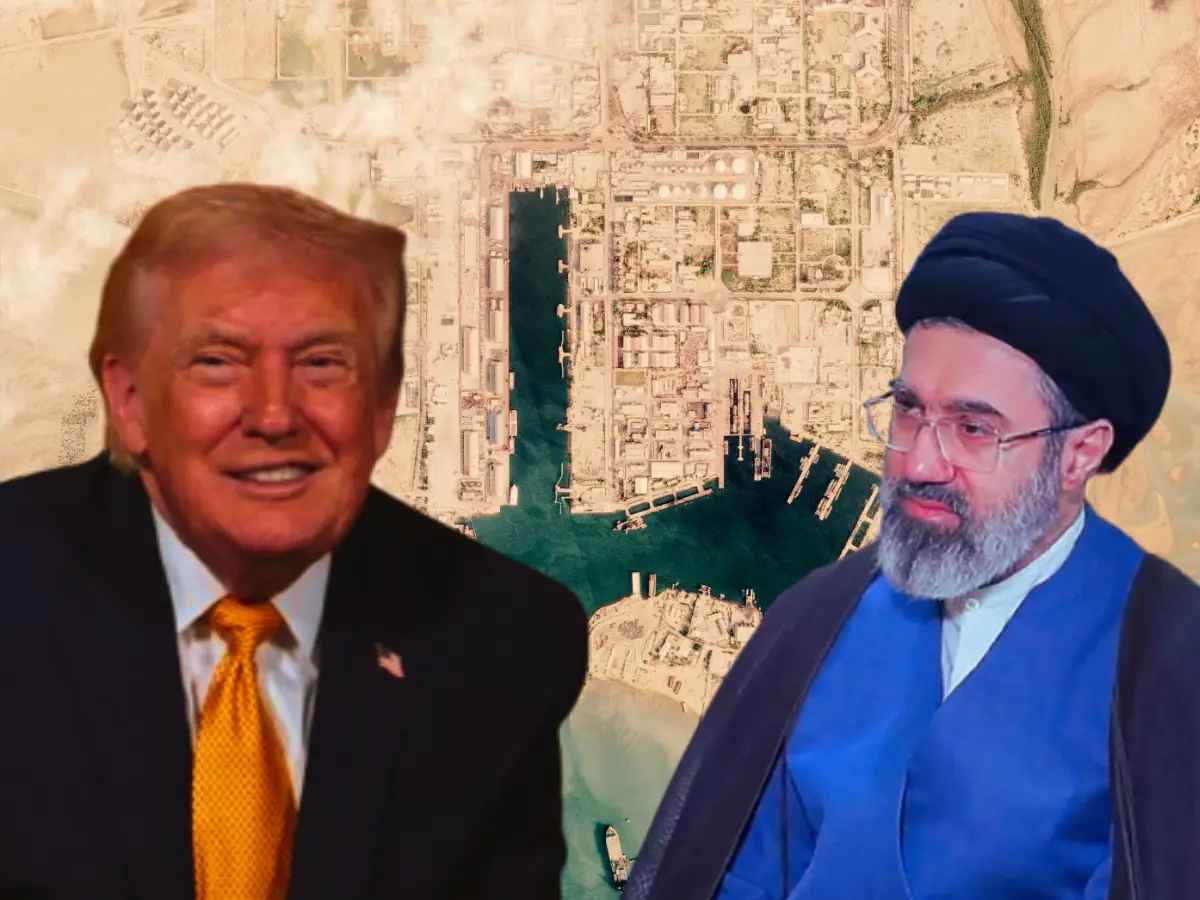
A conditional opening in a strategic choke point
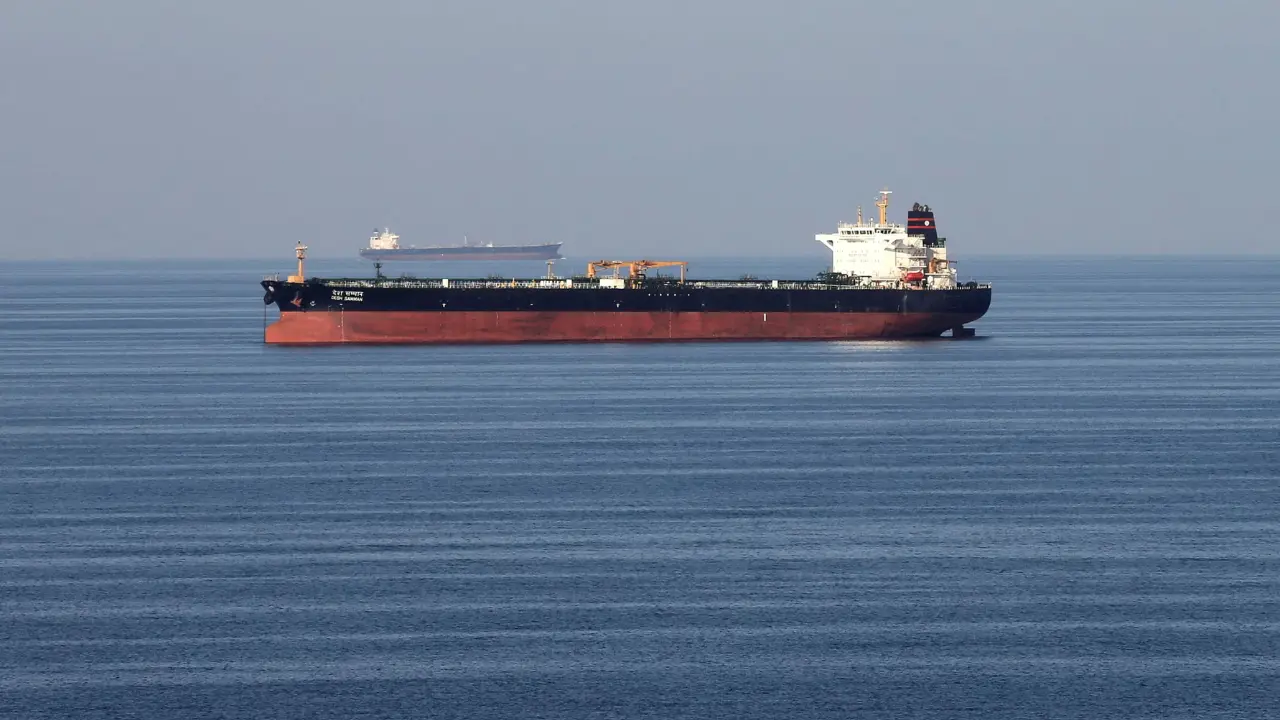
Iran has told the United Nations and the International Maritime Organization that only 'non-hostile' vessels will be allowed to transit the Strait of Hormuz, according to a note seen by Reuters on Tuesday. The move comes as the ongoing US-Israeli war against Iran has all but halted shipments through the strategic waterway, which carries roughly a fifth of the world’s oil and liquefied natural gas, triggering significant disruption to global energy supplies and signalling a conditional reopening of one of the world’s most critical maritime routes.

Defining ‘non-hostile’ passage
The note from Iran's Ministry of Foreign Affairs was sent to the 15-member Security Council and UN Secretary-General Antonio Guterres on Sunday. In the note Tehran stated that ships must both avoid hostile activity and coordinate with Iranian authorities to qualify for passage. It made clear that vessels linked to the US, Israel or their allies would not be considered eligible for what it described as “innocent passage”.
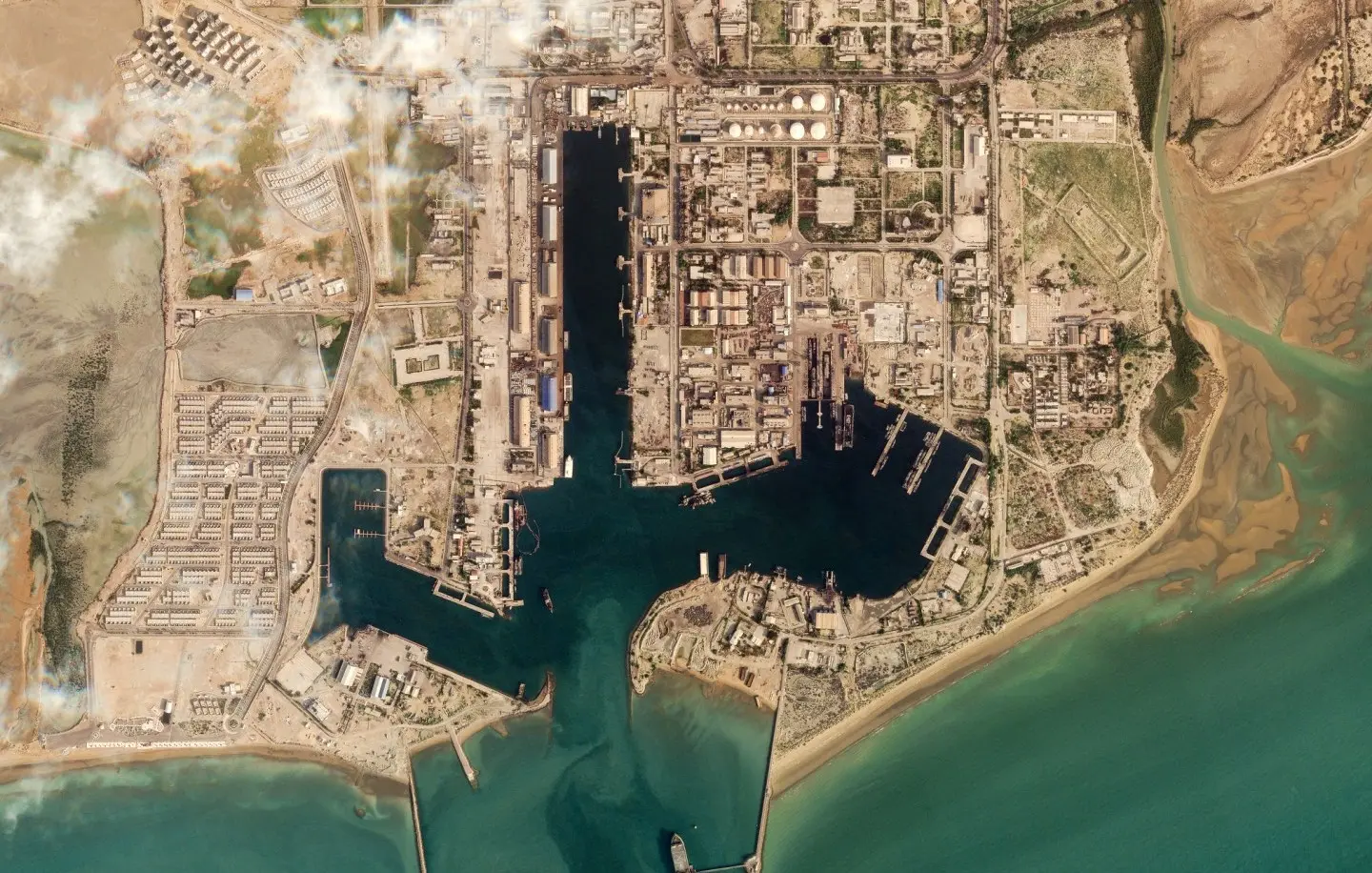
Who are non-hostile?
Iran said that 'non-hostile' vessels, including those belonging to or associated with other states, would be allowed safe passage through the Strait of Hormuz, provided they neither participate in nor support any acts of aggression against the country and fully comply with its declared safety and security regulations, adding that such transit would require coordination with the relevant Iranian authorities.
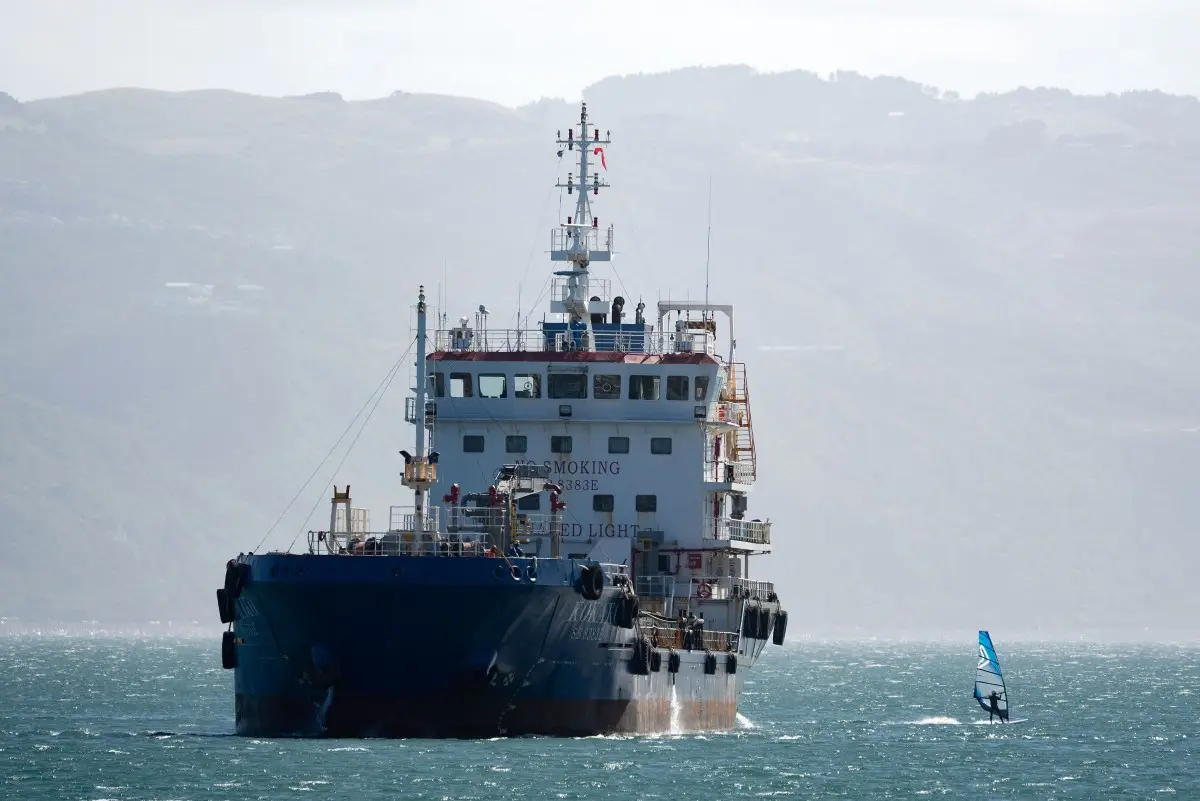
Coordination as a precondition
The requirement for prior coordination effectively places Iran in direct control of maritime movement through the strait. Officials said vessels must communicate with Iranian authorities before entering, signalling a shift from open navigation to a permission-based governed by Tehran’s security criteria.
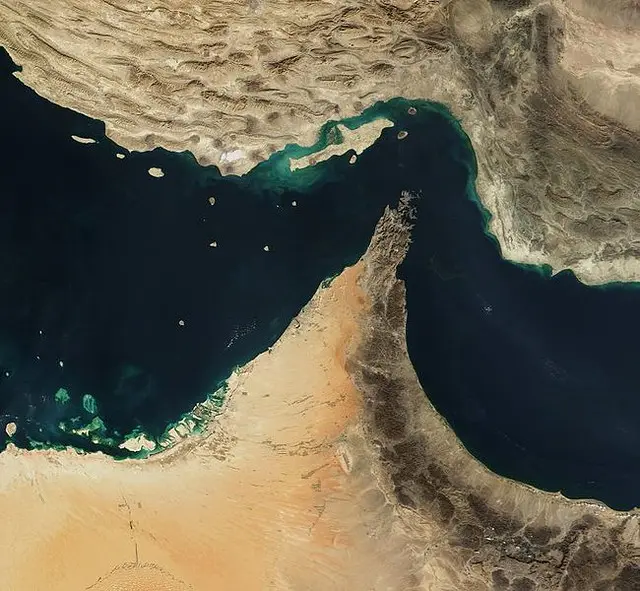
War-driven disruption to global energy flows
The Strait of Hormuz has been at the centre of escalating tensions since the outbreak of hostilities, with shipping traffic sharply curtailed. The disruption has affected a vital artery of global energy trade, prompting volatility in oil markets and raising concerns over supply stability.
Selective access already in practice
Iran has already begun selectively allowing certain vessels through. Ships linked to countries such as India, Turkey and Pakistan have reportedly secured passage after engagement with Iranian authorities, while others remain stranded or deterred from attempting transit.
Security justification from Tehran
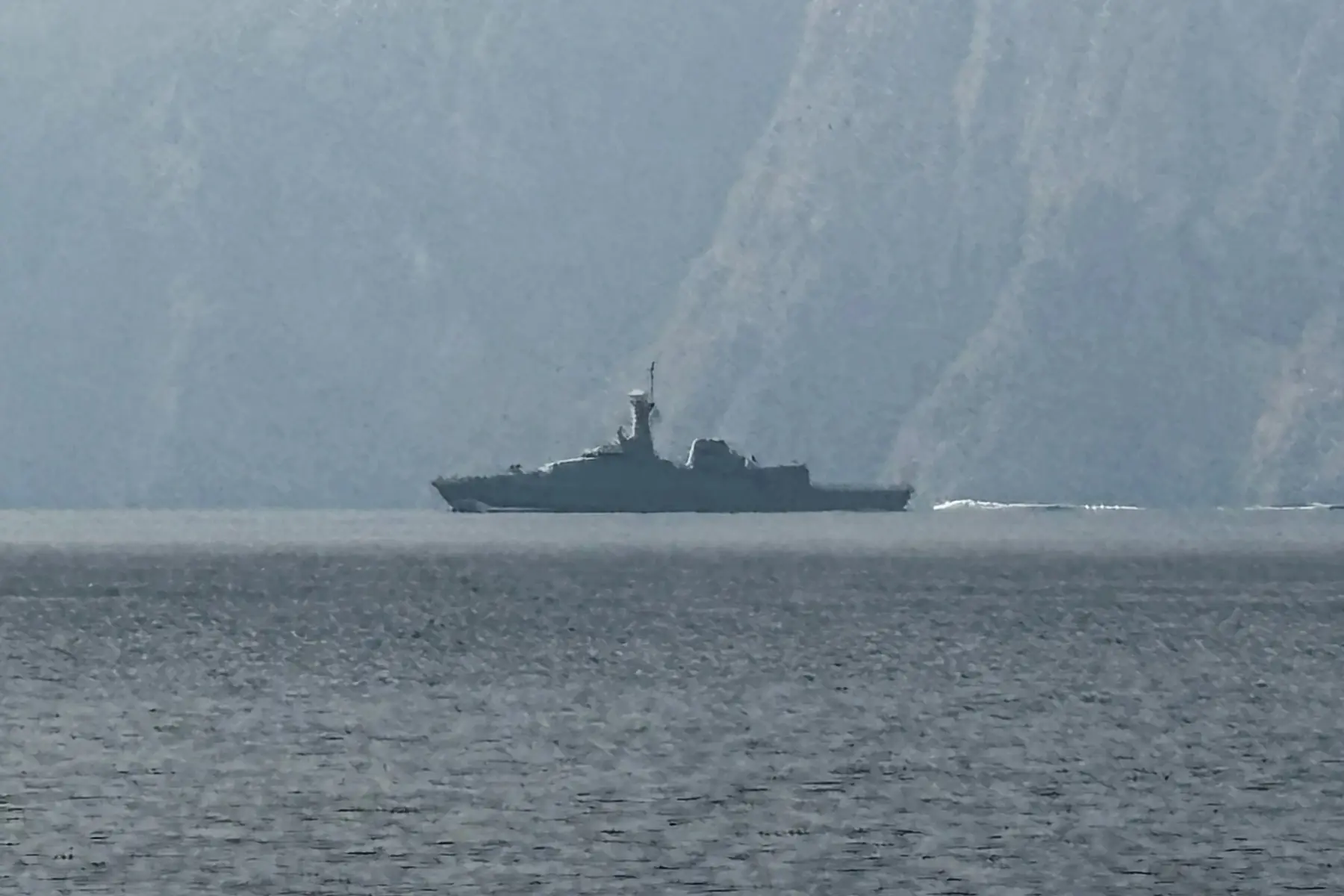
Iran has defended its stance as a necessary wartime measure. In its communication, it said it had taken “necessary and proportionate measures” to ensure security in the waterway and prevent adversaries from exploiting it during the conflict.
)
)
)
)
)