How long can S-400 radar remain active?

While the S-400's radar can technically operate 24/7, tactical survival limits its active emission to mere seconds. Prolonged broadcasting reveals the battery's exact coordinates to deadly anti-radiation missiles, forcing strict radar silence.
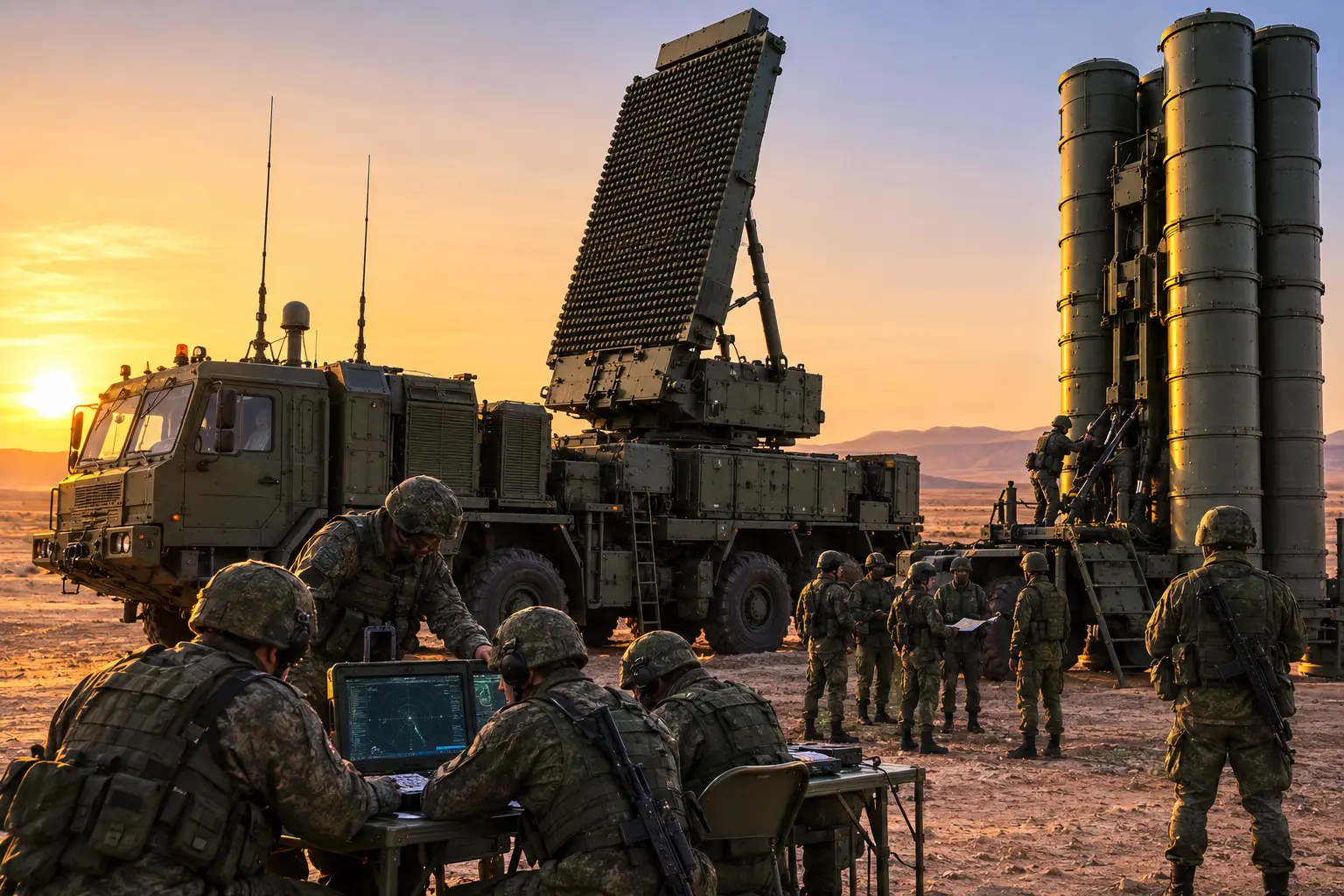
The Technical Reality
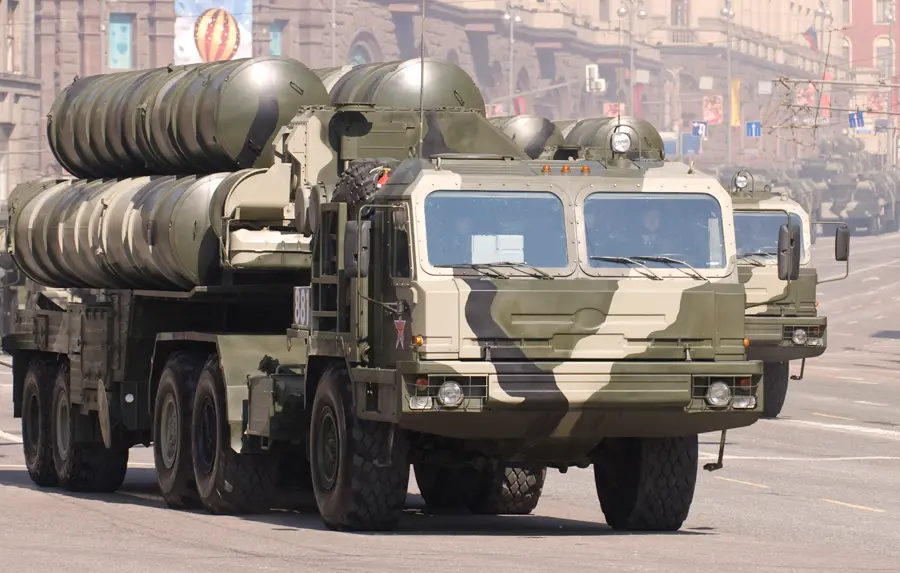
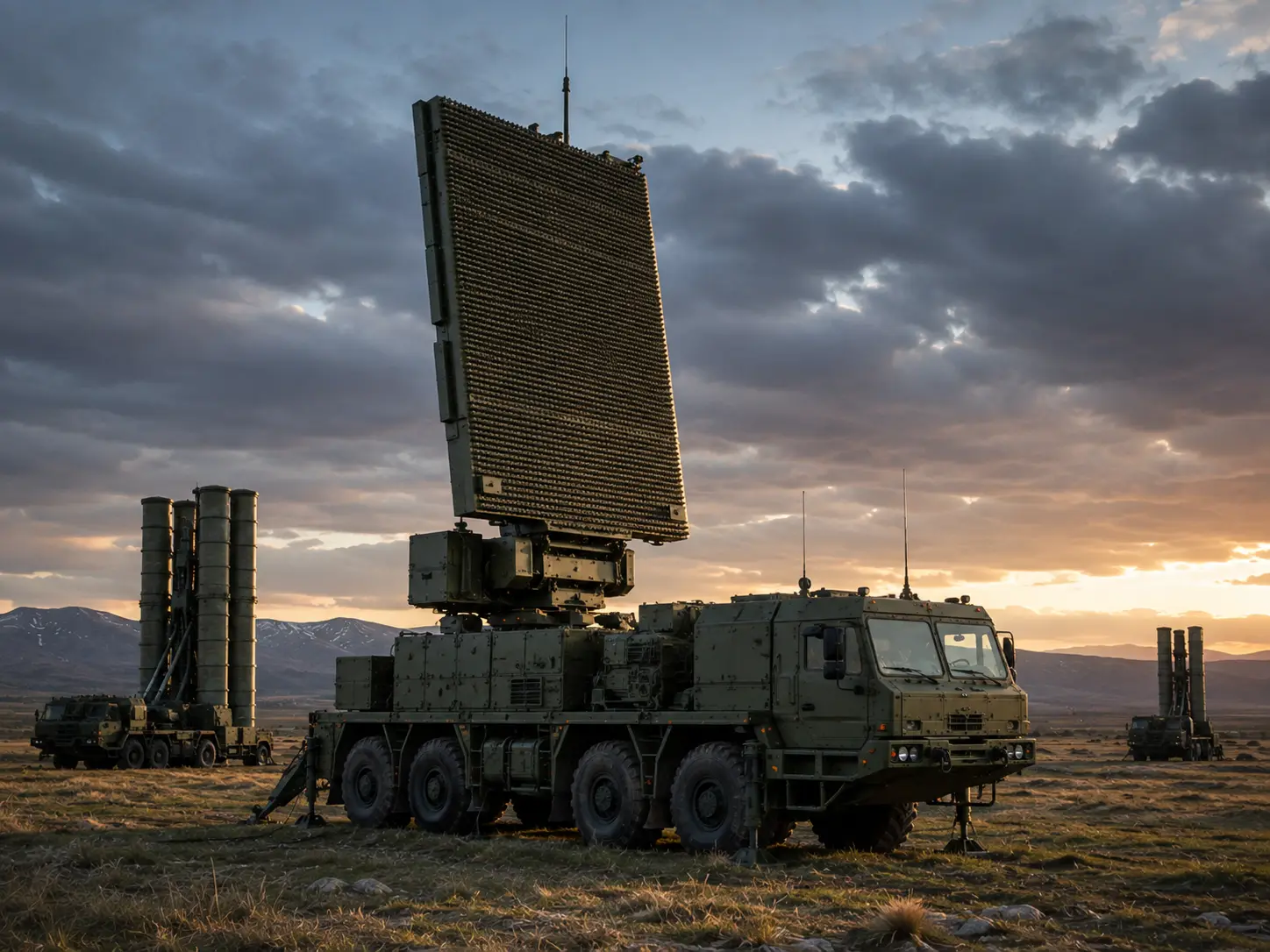
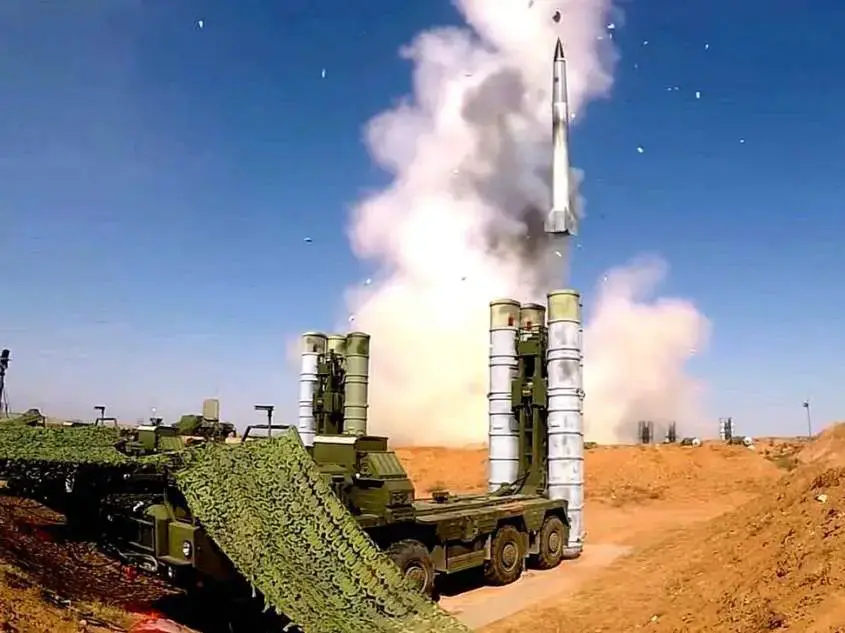
From a purely mechanical standpoint, the S-400 Triumf's massive 91N6E surveillance radar is engineered for continuous 24-hour operation. Supported by heavy-duty liquid cooling systems and robust diesel generators, it can technically broadcast for days without overheating.
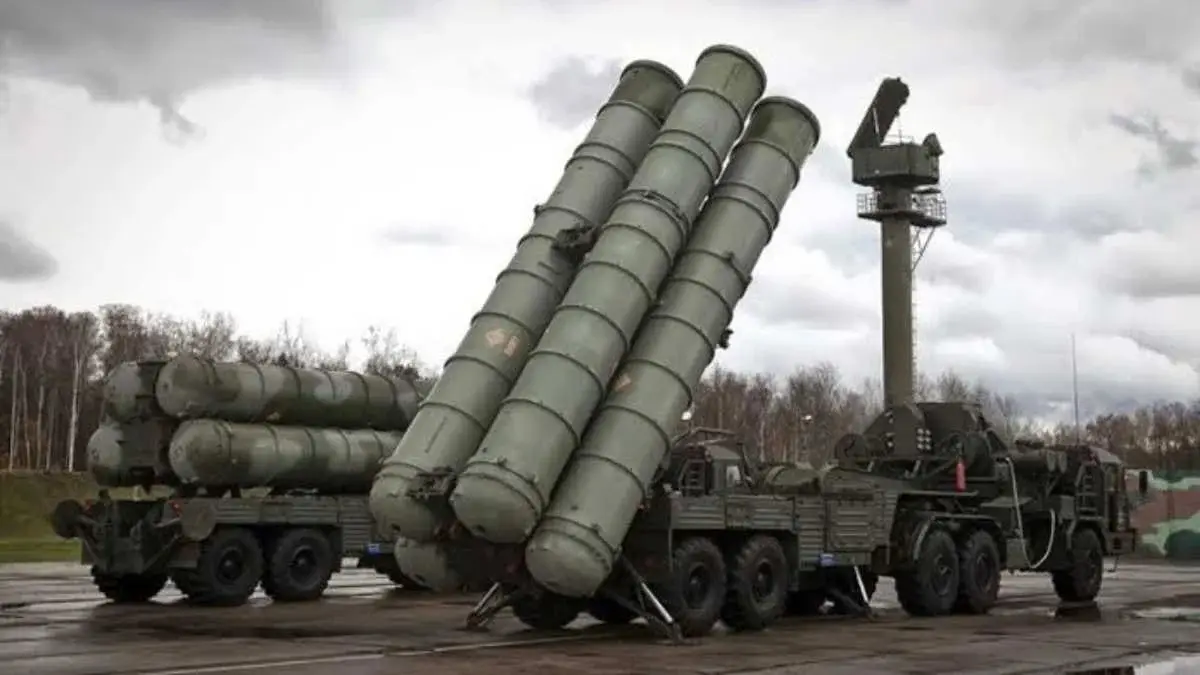
The Tactical Death Sentence
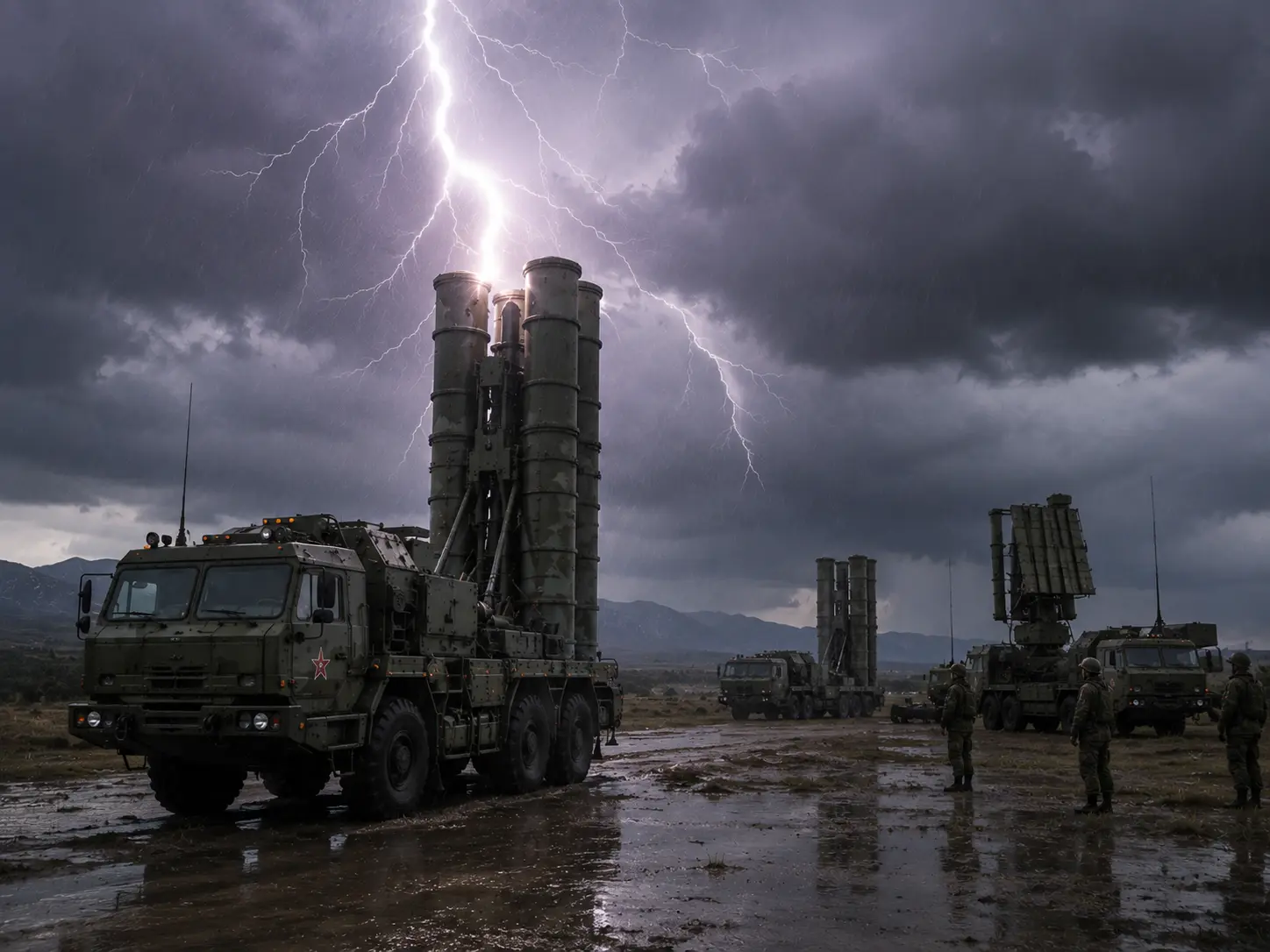
However, in modern combat, technical endurance is entirely irrelevant. A strict tactical doctrine known as Emission Control (EMCON) dictates that keeping a high-powered radar active for prolonged periods is essentially a death sentence for the entire USD 1.25 billion battery.
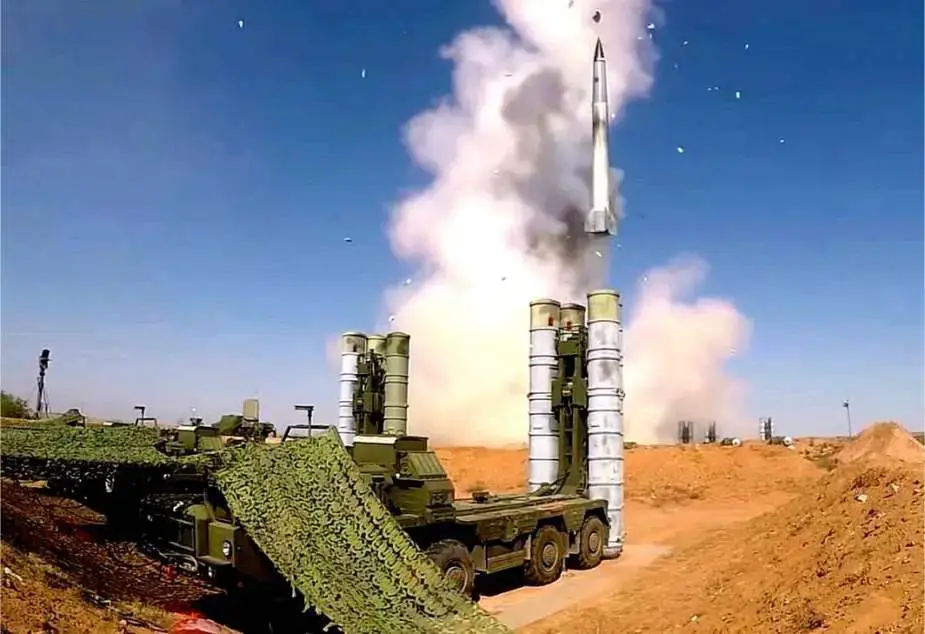
A Glowing Electronic Beacon
When the S-400 emits its massive electromagnetic tracking beams, it instantly reveals its exact GPS coordinates to enemy electronic intelligence aircraft. To adversary sensors and stealth fighters, an active S-400 radar looks like a blinding lighthouse in a pitch-black sky.
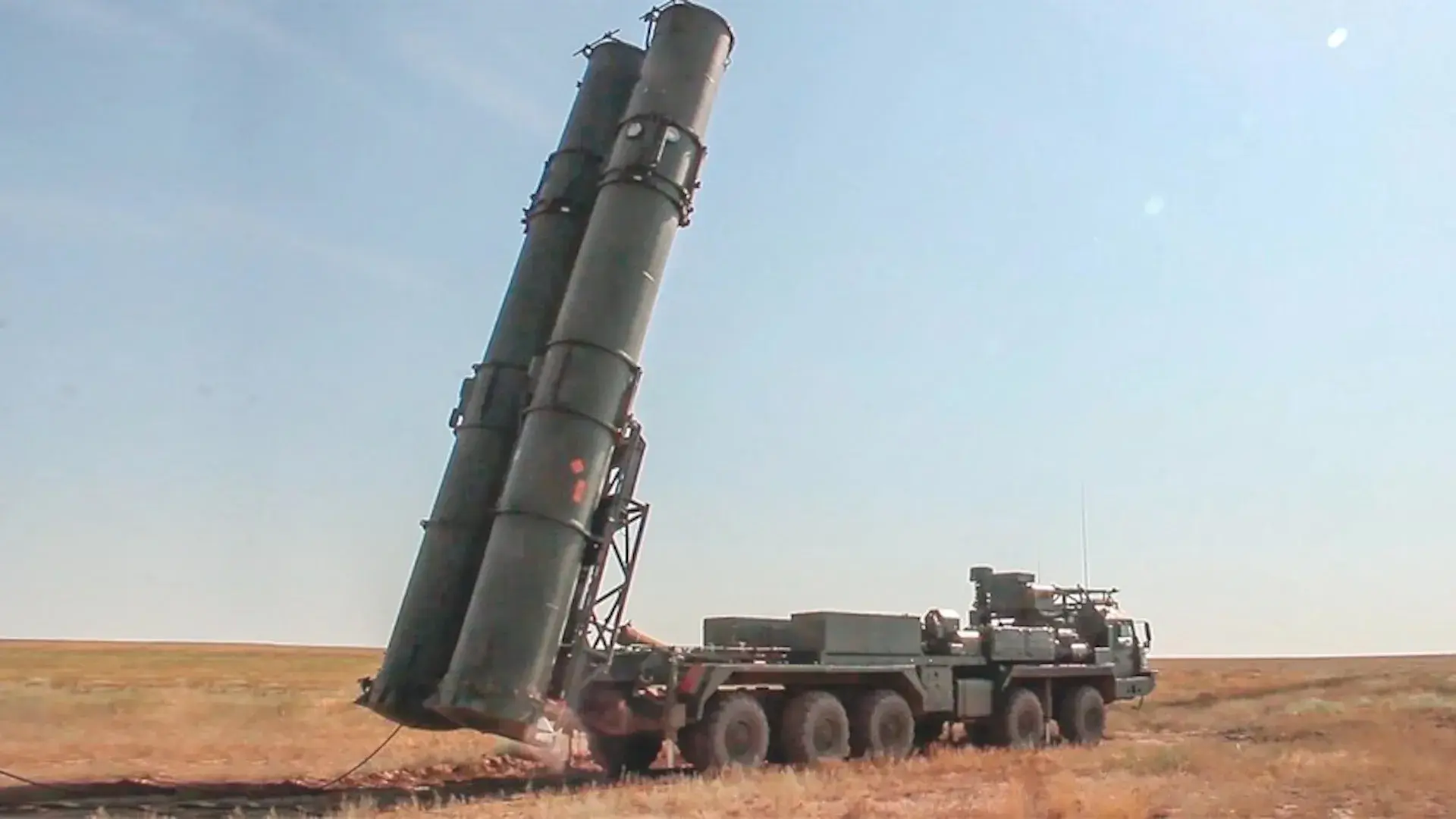
The Anti-Radiation Threat
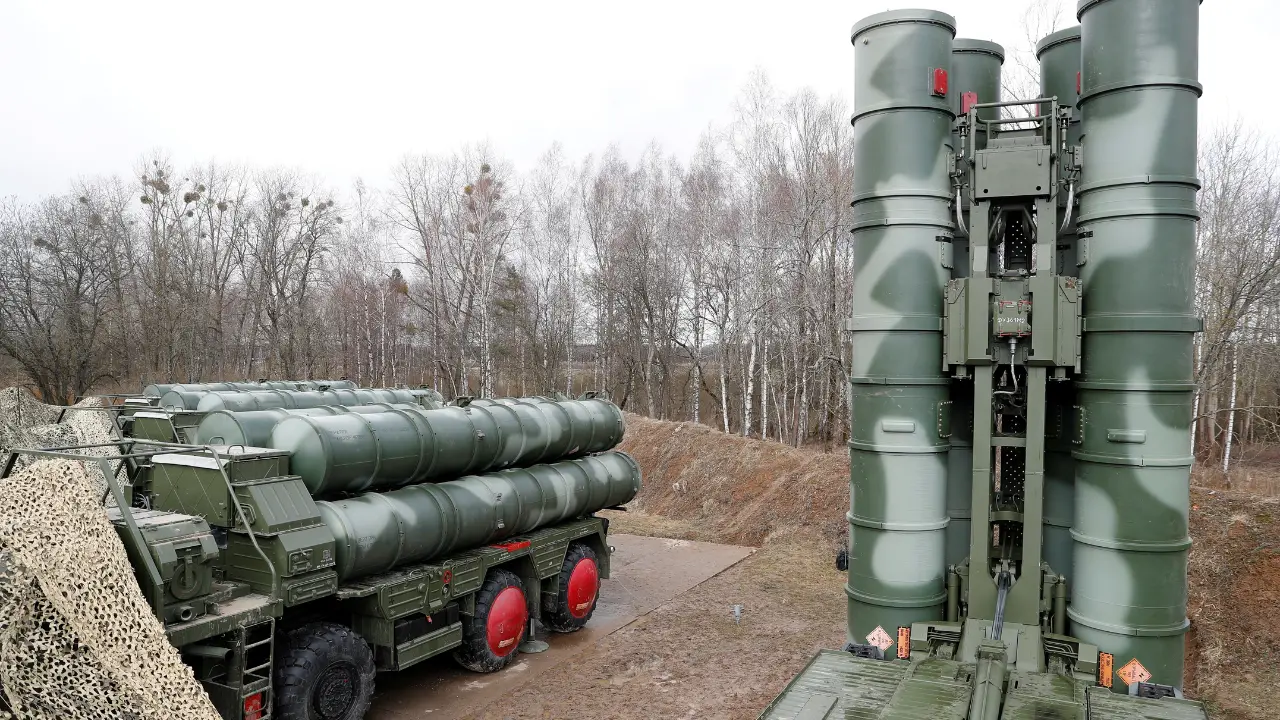
If an S-400 commander leaves the primary radar active for too long in contested airspace, enemy ‘Wild Weasel’ aircraft will quickly geolocate the signal. They will immediately launch supersonic anti-radiation missiles, like the AGM-88 HARM, directly at the transmitter.
The 'Blinking' Strategy
To survive, S-400 operators employ strict radar discipline. Instead of sweeping the sky continuously, they ‘blink’ the radar—turning it on for just seconds to snap a digital picture of the airspace, before immediately shutting it down to evade incoming strikes.
The Decoy Dilemma
Modern adversaries exploit this vulnerability by launching massive swarms of miniature radar decoys like the ADM-160 MALD. These drones mimic real bombers, forcing the S-400 commander to keep the radar active longer to identify the real threats, thereby exposing the battery.
Networked Silence
Ultimately, the safest radar emission duration is zero seconds. To maximise survival, an S-400 battery will often keep its own radars completely shut off, silently receiving target telemetry via encrypted data links from other hidden sensors hundreds of kilometres away.
)
)
)
)
)