What is Yom Kippur and why is it celebrated? All you need to know about the Jewish Day of Atonement

&imwidth=600&imheight=450&format=webp&quality=medium "What is Yom Kippur and why is it celebrated? All you need to know about the Jewish Day of Atonement")
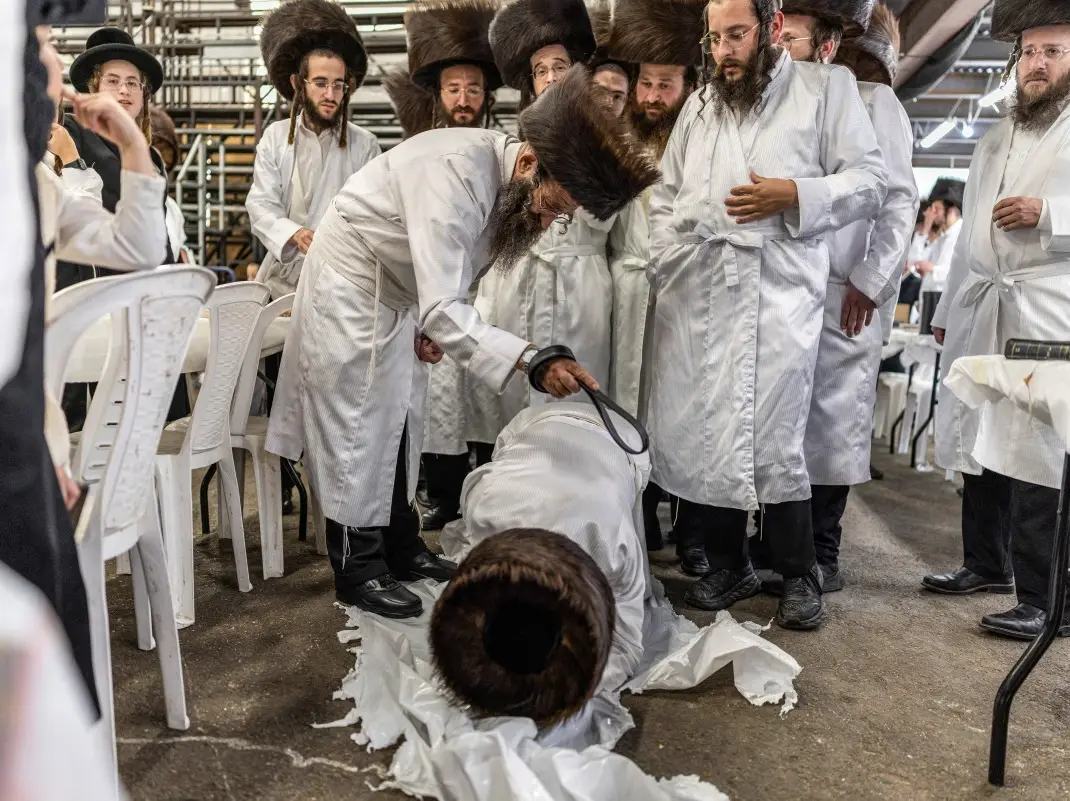
An Ultra-Orthodox Jewish man whips a fellow believer with a leather belt as a symbolic punishment for his sins, during the traditional Malkot ceremony, a few hours before the start of Yom Kippur Photograph: (AFP)
Yom Kippur 2026 explained: Know the meaning, history, fasting rules, prayers and significance of Judaism’s holiest day
Yom Kippur, also known as the Day of Atonement, is the holiest day in the Jewish calendar. It is a day dedicated to fasting, prayer, repentance, self-reflection and seeking forgiveness. Observed on the 10th day of the Hebrew month of Tishrei, Yom Kippur comes 10 days after Rosh Hashanah, the Jewish New Year. In 2026, Yom Kippur begins at sunset on Sunday, September 20, and concludes after nightfall on Monday, September 21.
What does Yom Kippur mean?
The Hebrew name Yom Kippur translates to ‘Day of Atonement’. The day is centred on acknowledging wrongdoing, seeking forgiveness and making a commitment towards spiritual and personal change. Jewish tradition places particular emphasis on making amends with other people. The period is not only about asking God for forgiveness but also about recognising wrongs committed against others and seeking reconciliation where possible. Yom Kippur marks the culmination of the 10 Days of Repentance, which begin with Rosh Hashanah. According to Jewish tradition, Rosh Hashanah begins a period of judgment, while Yom Kippur is associated with the sealing of the divine judgment for the coming year.
Why is Yom Kippur observed?
Yom Kippur has its roots in the biblical tradition of atonement. According to Jewish tradition, it is associated with the forgiveness granted to the Israelites following the sin of the Golden Calf. In ancient times, Yom Kippur was observed at the Temple in Jerusalem, where the High Priest performed special rituals and offerings on behalf of the people. After the destruction of the Second Temple in 70 CE, the observance evolved around prayer, fasting, repentance and synagogue services rather than Temple sacrifices. The central purpose remains spiritual reflection: people are encouraged to examine their actions over the previous year, acknowledge their shortcomings and seek forgiveness.
Trending Stories
)
)
)
)
)
&im=FitAndFill=(700,400))
)
)
)
&im=FitAndFill=(700,400))
)
)
)
)
)
)
)
)
)
)
)
)
)
)
)
)
)
)
)
)
)
)
)
)
)
)
)
Why do Jews fast on Yom Kippur?
Fasting is one of the best-known traditions associated with Yom Kippur. The fast generally lasts around 25 hours, beginning before sunset on the evening before Yom Kippur and ending after nightfall the following day. The fast is intended to shift attention away from physical needs and towards prayer, repentance and spiritual reflection. Traditional observance also involves abstaining from several other physical comforts, including bathing or washing, applying lotions or creams, wearing leather footwear and marital relations. Fasting requirements can differ depending on circumstances and Jewish tradition, and people who are medically unable to fast are generally expected to prioritise their health and seek appropriate religious guidance.
How is Yom Kippur observed?
Much of Yom Kippur is spent in prayer and synagogue services. Among the best-known services is Kol Nidrei, held on the eve of Yom Kippur. Other major prayers and services take place throughout the day, culminating in Neilah, the closing service. Yom Kippur traditionally ends with a blast of the shofar, a ram's-horn instrument. The day is also marked by introspection and confession. Worshippers reflect on their actions and seek forgiveness from God and from people they may have wronged.
What happens after Yom Kippur?
After the fast ends, many Jewish families and communities gather for a meal. Although Yom Kippur is characterised by solemn prayer and fasting, Jewish tradition also connects the day with the possibility of forgiveness and renewal. A common greeting associated with Yom Kippur is “G'mar chatimah tovah,” often understood as a wish for someone to be sealed for a good year. “Have an easy fast” is another common expression used around the holiday.
Ultimately, Yom Kippur is less about celebration in the conventional sense and more about atonement, accountability, forgiveness and spiritual renewal. It provides a designated time for individuals and communities to look back on the past year and consider how they can make amends and begin the year ahead with a renewed sense of purpose.

