What is War Powers Act ? Can it stop Trump from striking Iran: Know all about it

&imwidth=600&imheight=450&format=webp&quality=medium "What is War Powers Act ? Can it stop Trump from striking Iran: Know all about it")
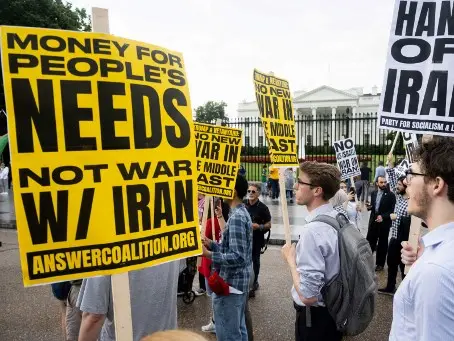
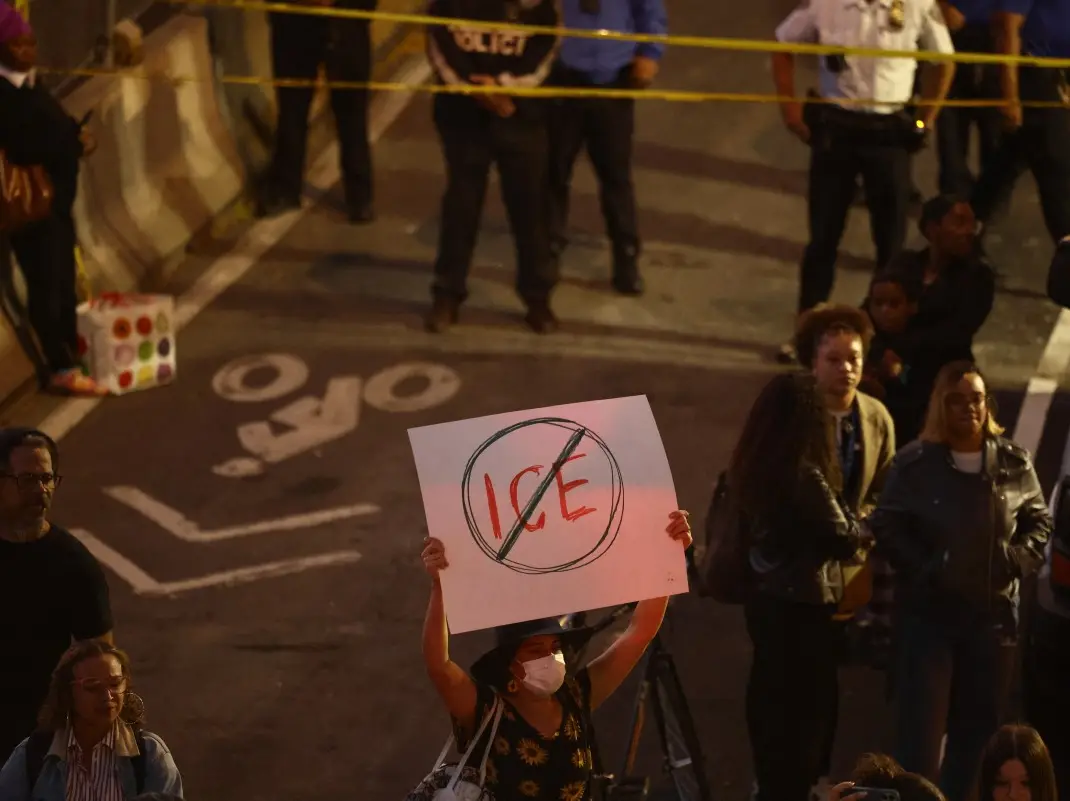
US-IRAN-ISRAEL-CONFLICT-PROTEST Photograph: (AFP)
As Trump mulls over intervention in the Israel-Iran conflict, we look at the legislation that theoretically can stop the US from entering a war with Iran
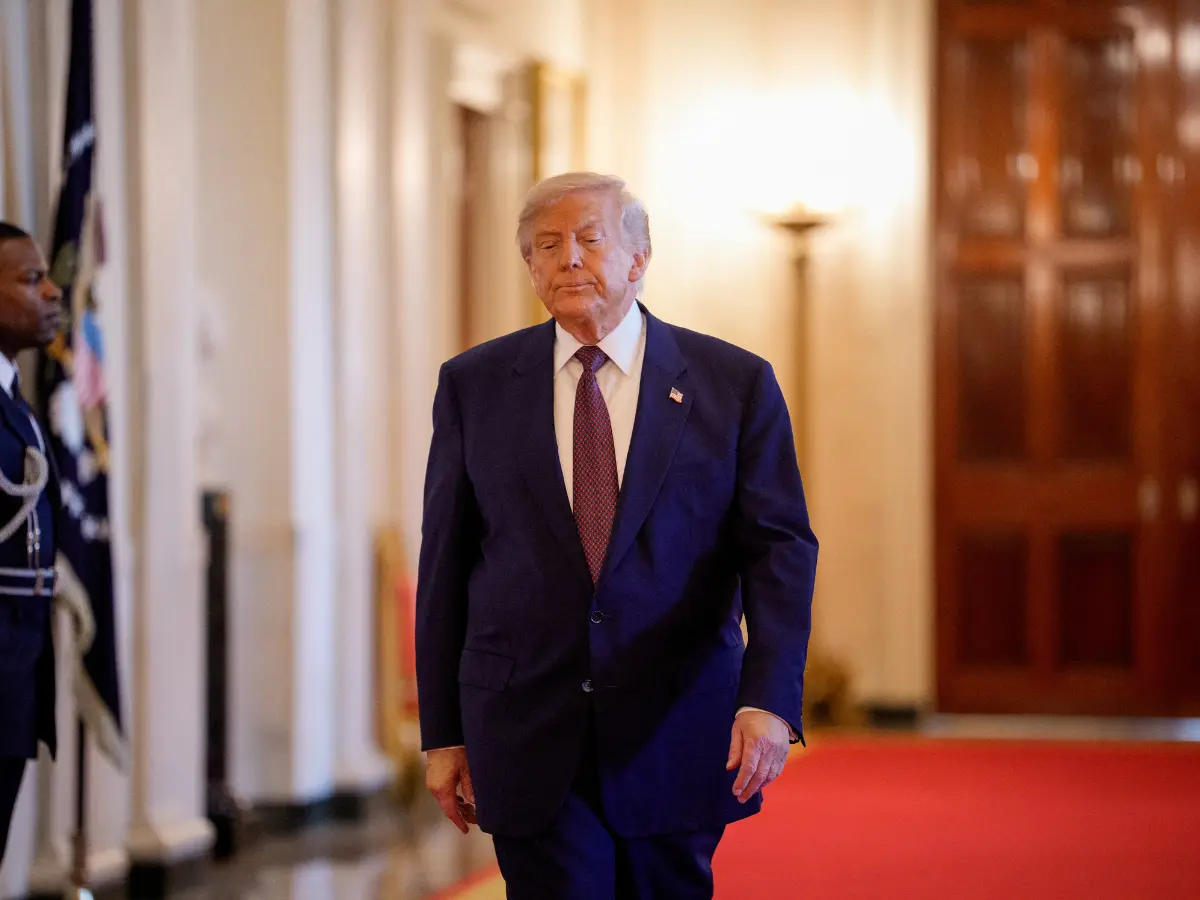
US officials and President Trump’s allies have emphasised that the final call on whether or not to enter a war rests with him, expressing confidence in his judgment.
As Trump increasingly signals potential US involvement in the ongoing conflict, some members of Congress are working to reassert their authority under the War Powers Act, according to an Al Jazeera report.
But questions lie ahead. What is the legal framework that governs America’s entry into war? Can Trump commit the US to a conflict without Congress’s approval?
Know what laws say that govern decisions about war in the US
The War Powers Act, also known as the War Powers Resolution, was enacted by the US Congress on November 7, 1973, overriding a veto by then-President Richard Nixon. This legislation was designed to limit the president’s authority to deploy US military forces abroad without first consulting and notifying Congress.
Here are 10 important points about the War Powers Act
Trending Stories
&imwidth=280&imheight=210&format=webp&quality=medium)
&imwidth=280&imheight=210&format=webp&quality=medium)
&imwidth=280&imheight=210&format=webp&quality=medium)
&imwidth=280&imheight=210&format=webp&quality=medium)
&imwidth=280&imheight=210&format=webp&quality=medium)
&imwidth=280&imheight=210&format=webp&quality=medium)
&imwidth=280&imheight=210&format=webp&quality=medium)

&imwidth=280&imheight=210&format=webp&quality=medium)
&im=FitAndFill=(700,400)&imwidth=280&imheight=210&format=webp&quality=medium)
&imwidth=280&imheight=210&format=webp&quality=medium)
&imwidth=280&imheight=210&format=webp&quality=medium)
&imwidth=280&imheight=210&format=webp&quality=medium)
&imwidth=280&imheight=210&format=webp&quality=medium)
&imwidth=280&imheight=210&format=webp&quality=medium)
&imwidth=280&imheight=210&format=webp&quality=medium)
&imwidth=280&imheight=210&format=webp&quality=medium)
&imwidth=280&imheight=210&format=webp&quality=medium)
&imwidth=280&imheight=210&format=webp&quality=medium)
&imwidth=280&imheight=210&format=webp&quality=medium)
&imwidth=280&imheight=210&format=webp&quality=medium)
&im=FitAndFill=(700,400)&imwidth=280&imheight=210&format=webp&quality=medium)
&imwidth=280&imheight=210&format=webp&quality=medium)
&imwidth=280&imheight=210&format=webp&quality=medium)
&imwidth=280&imheight=210&format=webp&quality=medium)
&imwidth=280&imheight=210&format=webp&quality=medium)
&imwidth=280&imheight=210&format=webp&quality=medium)
&imwidth=280&imheight=210&format=webp&quality=medium)
&imwidth=280&imheight=210&format=webp&quality=medium)
&imwidth=280&imheight=210&format=webp&quality=medium)
&imwidth=280&imheight=210&format=webp&quality=medium)
&imwidth=280&imheight=210&format=webp&quality=medium)
&im=FitAndFill=(700,400)&imwidth=280&imheight=210&format=webp&quality=medium)
&imwidth=280&imheight=210&format=webp&quality=medium)
&imwidth=280&imheight=210&format=webp&quality=medium)
&imwidth=280&imheight=210&format=webp&quality=medium)
&imwidth=280&imheight=210&format=webp&quality=medium)
&im=FitAndFill=(700,400)&imwidth=280&imheight=210&format=webp&quality=medium)
- The War Powers Resolution of 1973 (also known as the War Powers Act) is a congressional resolution designed to limit the US president’s ability to initiate or escalate military actions abroad.
- Section 1 of the US Constitution, which sets the legislative branch of the government and outlines its duties, empowers Congress to “declare war”.
- Article II of the Constitution designates the president as the “commander in chief” of the armed forces.
- The Act was a reaction to the Vietnam War and Korean War, where presidents had escalated military actions without formal war declarations.
- The president must notify Congress within 48 hours of committing US armed forces to military action. In addition, armed forces may remain engaged for up to 60 days, with an additional 30-day withdrawal period, unless Congress approves further involvement or declares war.
- Ever since its passage, the 1973 law has been considered deeply ineffective by some critics, labelling it as more of a political tool for lawmakers to voice dissent than as a real check on power.
- Therefore, congressional resolutions to end unauthorised military involvement can be vetoed by the president, and overriding the veto requires a two-thirds majority vote in both the House and Senate.
- Every president since its passage has viewed the Act as unconstitutional, arguing it infringes on the executive’s role as Commander-in-Chief.
- Its practical effectiveness is debated—many presidents have complied selectively or ignored its requirements.
- The Act has been invoked during military interventions in Libya (2011), Iraq, and Syria, among others, sparking ongoing debate about executive vs. legislative war powers
Will this Congress stop Trump from waging war with Iran?
During the first term of Trump, Congress attempted to limit his war powers for the first time since the Vietnam War. In 2019, Congress passed a bill to end US support for the Saudi-UAE war in Yemen, which Trump vetoed.
After the Soleimani drone strike, Congress passed legislation to limit war against Iran, which Trump also vetoed. With a Republican-controlled Congress in his second term, new war powers resolutions face significant challenges. It's unlikely that Congress will be able to override Trump's vetoes, given the shifted balance of power. Trump's war powers are likely to remain largely unchecked.

