What is Europe's Big Tech tax plan that triggered Trump's 100% tariff warning?

&imwidth=600&imheight=450&format=webp&quality=medium "What is Europe's Big Tech tax plan that triggered Trump's 100% tariff warning?")
Photograph: (AFP/WION Combination Image)
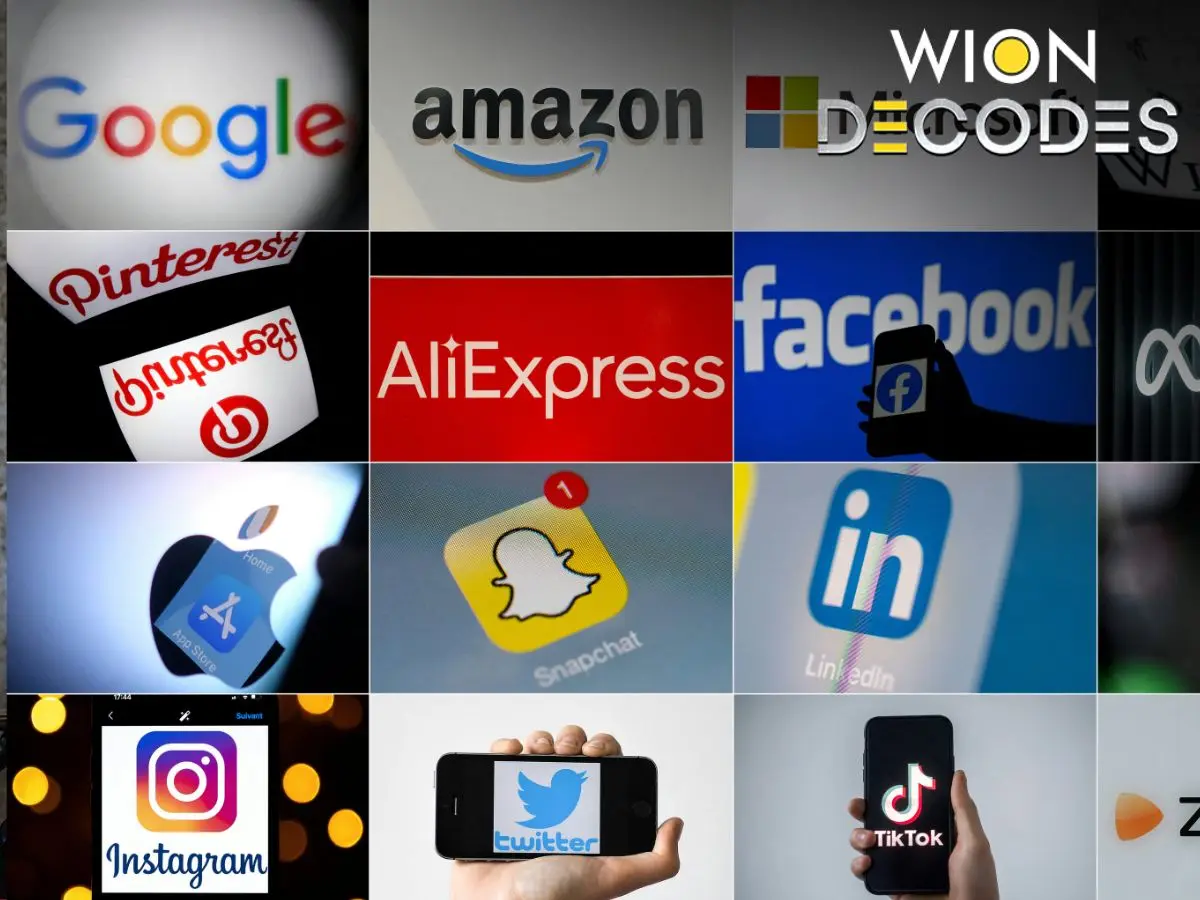
Digital Services Taxes aim to close a gap in international tax rules by ensuring Big Tech companies such as Google, Apple, Meta, Amazon and Microsoft pay taxes where they generate revenue, even without a physical presence in those countries.
US President Donald Trump on Friday revived his tariff threat against Europe over proposed Digital Services Taxes aimed at major technology companies.
Trump threatened to impose a 100 per cent tariff on European countries that introduce a Digital Services Tax, warning that any existing trade agreements with those countries would be scrapped.
"Any Country that imposes such a Tax will immediately be met with a 100% TARIFF on any and all Goods sent to the United States of America," Trump said in a post on his Truth Social platform.
What is a Digital Services Tax (DST)?
Digital Services Taxes are designed to address a gap in international tax rules. Traditional corporate tax systems generally require a company to have a physical presence in a country before it pays corporate taxes there. Digital businesses, however, can generate significant revenue from users in a country without having offices or employees there.
As a result, many technology companies legally book much of their revenue through low-tax jurisdictions, allowing them to reduce their overall tax burden instead of paying taxes where their users and customers are located.
Trending Stories
&imwidth=280&imheight=210&format=webp&quality=medium)
&imwidth=280&imheight=210&format=webp&quality=medium)
&im=FitAndFill=(700,400)&imwidth=280&imheight=210&format=webp&quality=medium)
&imwidth=280&imheight=210&format=webp&quality=medium)
&imwidth=280&imheight=210&format=webp&quality=medium)
&imwidth=280&imheight=210&format=webp&quality=medium)
&imwidth=280&imheight=210&format=webp&quality=medium)
&imwidth=280&imheight=210&format=webp&quality=medium)
&imwidth=280&imheight=210&format=webp&quality=medium)
&imwidth=280&imheight=210&format=webp&quality=medium)
&imwidth=280&imheight=210&format=webp&quality=medium)
&imwidth=280&imheight=210&format=webp&quality=medium)
&imwidth=280&imheight=210&format=webp&quality=medium)
&im=FitAndFill=(700,400)&imwidth=280&imheight=210&format=webp&quality=medium)
&imwidth=280&imheight=210&format=webp&quality=medium)
&imwidth=280&imheight=210&format=webp&quality=medium)
&im=FitAndFill=(700,400)&imwidth=280&imheight=210&format=webp&quality=medium)
&imwidth=280&imheight=210&format=webp&quality=medium)
&imwidth=280&imheight=210&format=webp&quality=medium)
&imwidth=280&imheight=210&format=webp&quality=medium)
&imwidth=280&imheight=210&format=webp&quality=medium)
&imwidth=280&imheight=210&format=webp&quality=medium)
&imwidth=280&imheight=210&format=webp&quality=medium)
&imwidth=280&imheight=210&format=webp&quality=medium)
&imwidth=280&imheight=210&format=webp&quality=medium)
&imwidth=280&imheight=210&format=webp&quality=medium)
&imwidth=280&imheight=210&format=webp&quality=medium)
&imwidth=280&imheight=210&format=webp&quality=medium)
&imwidth=280&imheight=210&format=webp&quality=medium)
&imwidth=280&imheight=210&format=webp&quality=medium)
&imwidth=280&imheight=210&format=webp&quality=medium)
&imwidth=280&imheight=210&format=webp&quality=medium)
DSTs mainly target large technology companies such as Google, Apple, Meta, Amazon and Microsoft, along with digital platforms including Netflix, Spotify and Uber.
The EU's original proposal
In March 2018, the European Commission proposed new rules to ensure digital businesses pay taxes where they have a significant digital presence. The package included one proposal to reform corporate tax rules and another introducing an interim tax on revenue earned from certain digital services.
The proposals are currently on hold while countries continue working towards a global tax agreement under the Organisation for Economic Co-operation and Development (OECD).
Why do European countries have different DST rates?
After EU-wide negotiations failed to produce a common system, several European countries introduced their own Digital Services Taxes.
DST rates generally range between 2 per cent and 5 per cent across Europe, although some countries apply higher or lower rates. Hungary currently has the highest rate at 7.5 per cent.
What gets taxed?
Most Digital Services Taxes apply to revenue earned from online advertising. Depending on the country, they can also cover digital marketplaces, the sale of user data and streaming services.
Austria and Hungary tax only online advertising revenue. Denmark's tax applies only to streaming services. France has one of the broadest systems, covering digital platforms, targeted advertising and the transmission of user data for advertising purposes.
Why has the tax triggered tensions with the US?
Digital Services Taxes have become a major source of trade friction between the United States and Europe. Washington argues that these taxes disproportionately affect large American technology companies and amount to discrimination against US firms.
The Trump administration has repeatedly threatened trade action over the taxes, while the US Treasury has indicated it wants to reassess the current international tax framework.