Warning to Iran? Trump says US to have 28 more B-2 bombers, which struck Tehran's nuke sites this year

&imwidth=600&imheight=450&format=webp&quality=medium "Warning to Iran? Trump says US to have 28 more B-2 bombers, which struck Tehran's nuke sites this year")
Donald Trump Photograph: (AFP)
In June 2025, after claiming that he was not planning to join Israel's military actions in Iran, Donald Trump announced that the US had launched an aerial strike on Iran, targeting top nuclear facilities.
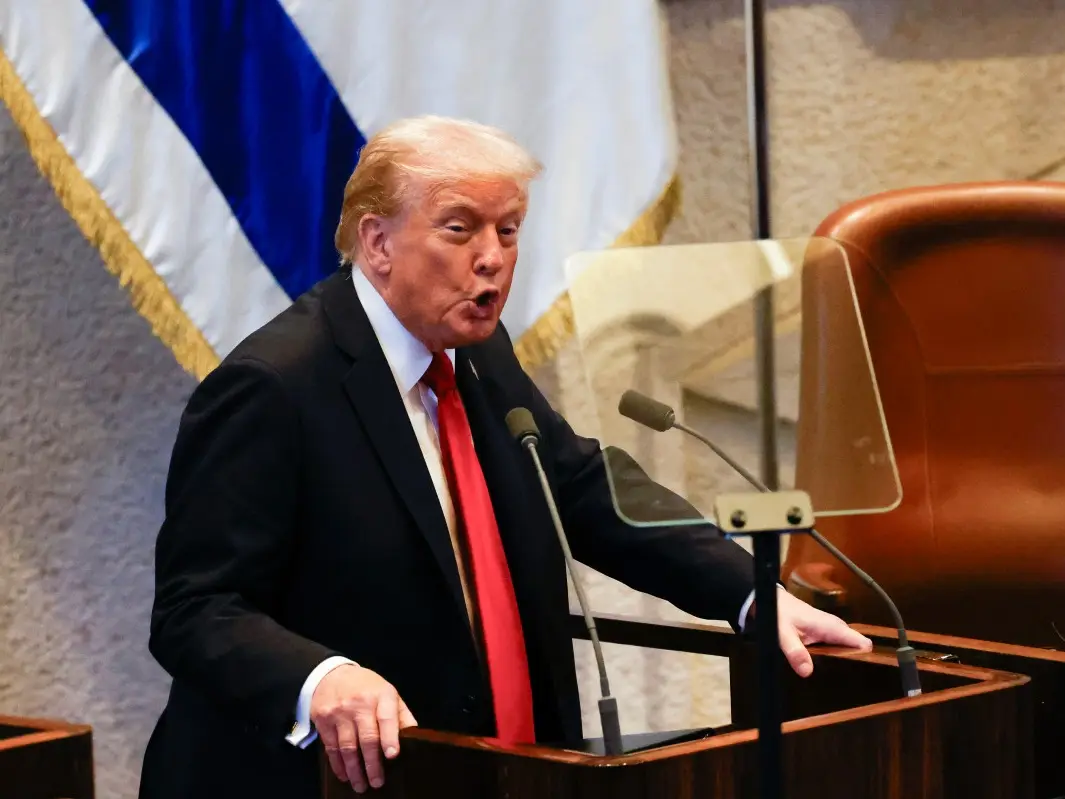
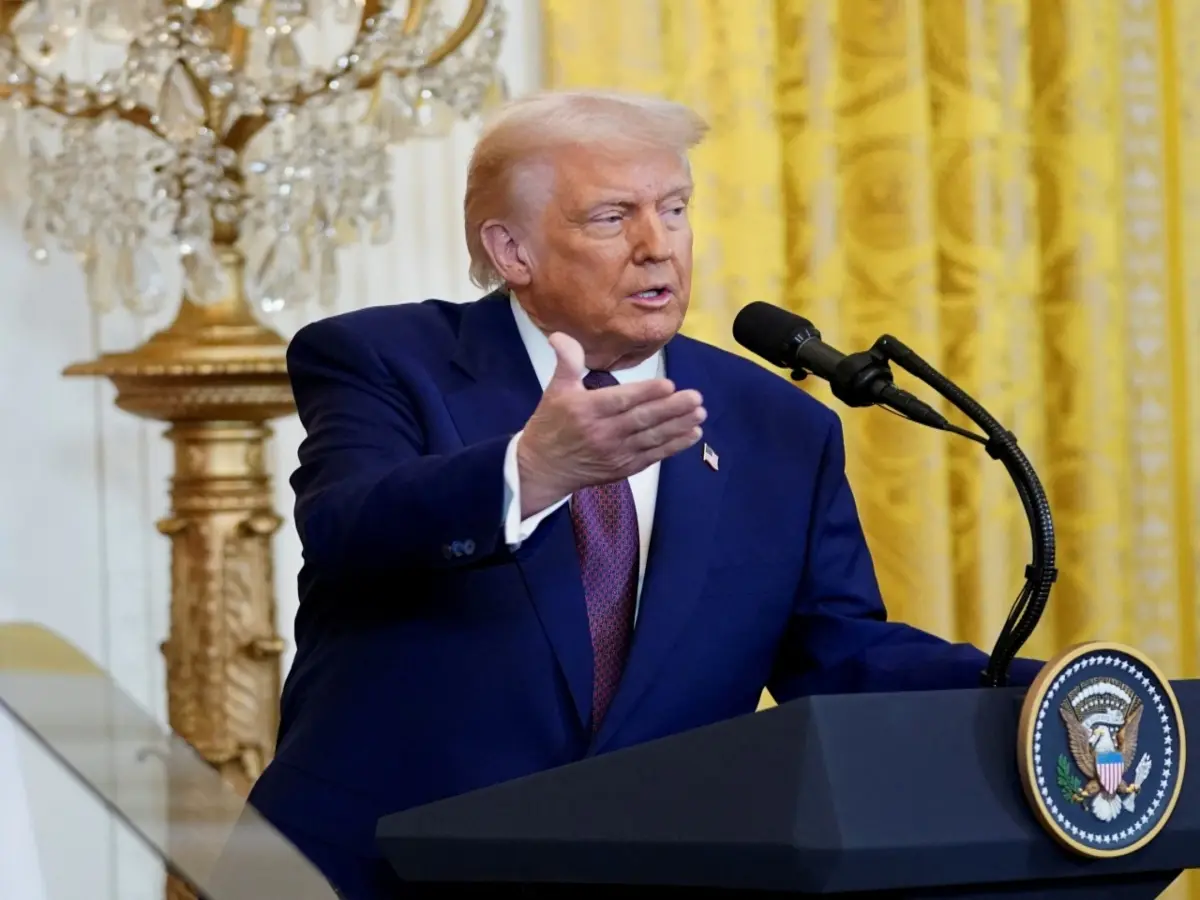
US President Donald Trump, while addressing the Israeli Parliament on Monday (October 13) during the first phase of the Gaza peace deal, said that the US was stocking up the B-2 bombers that were used by America to hit Iran during the Israel-Iran conflict in June 2025. "We just ordered 28 new more B2 bombers," the American president said.
In June 2025, after claiming that he was not planning to join Israel's military actions in Iran, Donald Trump announced that the US had launched an aerial strike on Iran, targeting top nuclear facilities. America struck three key nuke sites of Iran - Fordow, Natanz, and Isfahan in its first intervention in the ongoing Israel-Iran war that started on June 13 after Israel struck Iran.
In its strike on Iran's Fordow, the US used around 30,000-pound "bunker buster" bombs and weapons. Trump announced the US intervention in the war on social media after striking the nuclear facilities of Iran. The American president called the airstrikes a "very successful military operation" against Ayatollah Ali Khamenei-led Iran.
The Israel-Iran-US war
US defence officials said that three American B-2 bombers were used to strike the Fordow nuclear site of Iran. Each of the B-2s was armed with 2 US-made "bunker-buster" bombs - also known as GBU-57 Massive Ordnance Penetrators, or MOPs bombs. These bombs are extremely heavy in weight and can only be dropped using a B-2.
Iran's key nuke facility, Fordow, was attacked by the US. It is Iran's high-grade uranium enrichment facility and is buried around 300 feet under a mountain. Apart from this, Natanz and Isfahan, two other nuclear sites, were also targeted by the US via Tomahawk missiles launched by submarines.
Trending Stories
)
)
)
)
)
)
)
)
)
)
)
)
)
)
)
)
)
)
&im=FitAndFill=(700,400))
)
)
)
&im=FitAndFill=(700,400))
)
&im=FitAndFill=(700,400))
&im=FitAndFill=(700,400))
)
The United Nations' International Atomic Energy Agency (IAEA) said in a social media post that there was "no increase in off-site radiation levels" after the US strike.
Iran's Atomic Energy Organisation also confirmed the US attacks on its three nuclear facilities but said the strikes will not stop it from progressing in its nuclear program.
History of the B-2 Bomber
In the late 1970s, the US feared Soviet advancements in air defence. The B-2 program was conceived as a stealth platform capable of slipping through the USSR’s radar networks to deliver nuclear weapons.
After nearly a decade of hidden development, the B-2 was finally unveiled in 1988 in California. Its alien-like flying wing design stunned the world and signalled a massive leap in stealth technology.
When the Soviet Union collapsed in 1991, critics questioned the need for such an expensive bomber. But instead of cancellation, the B-2 was repurposed for precision conventional strikes, keeping it relevant in modern warfare.

