US, UK & Australia to begin talks on bringing new members into AUKUS: Report

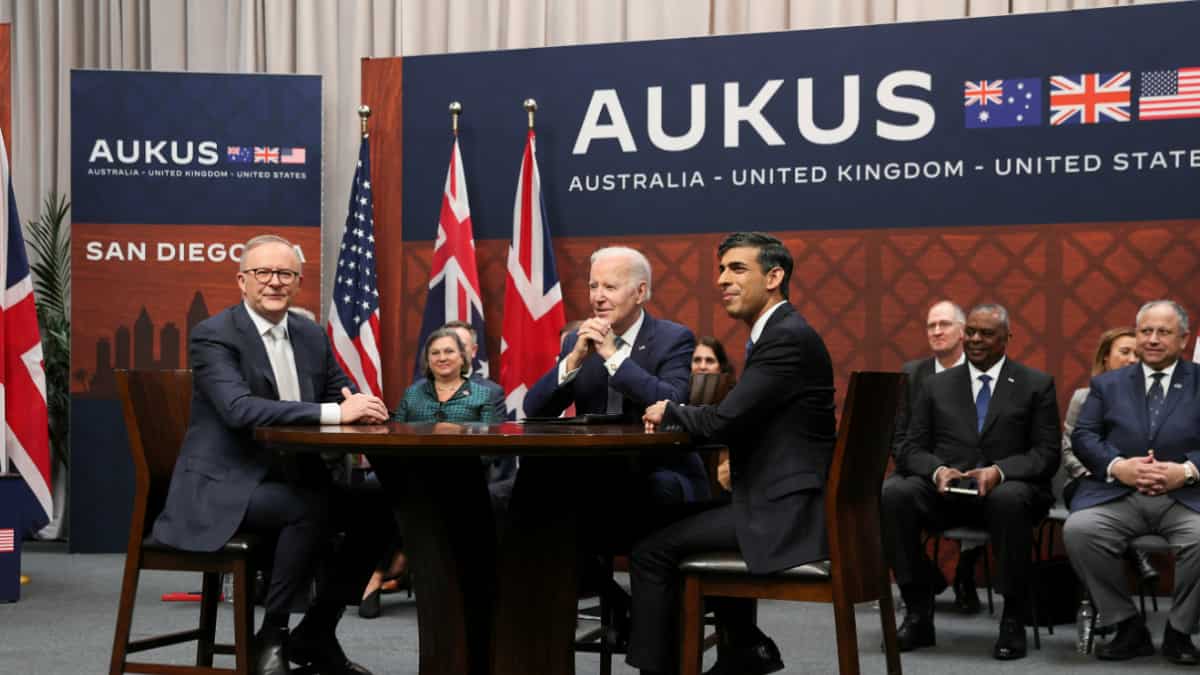
File photo.
The United States (US), the United Kingdom (UK), and Australia will begin talks on bringing new members into their security partnership AUKUS as the US is pushing for Japan to be involved (in the alliance) as a deterrent against China. According to a report by the Financial Times on Sunday (Apr 7), the group's ministers would announce on Monday that they would launch talks related to Pillar II of the alliance, which commits the members to jointly developquantum computing, undersea, hypersonic, artificial intelligence, and cyber technology.
The report said that the defence ministers of the three countries are not considering expanding Pillar I, which focuses on Australia’s procurement of nuclear-powered submarines.
Also read |Blinken reiterates USA’s ‘ironclad’ commitment to defend Philippines against attack by China

AUKUS is part of the US, UK, and Australia's efforts to push back against China's growing power in the Indo-Pacific region. Beijing has called the security partnership dangerous and warned it could spur a regional arms race.
Biden seeking to step up partnerships with US' Asian allies
The above developments come as US President Joe Biden is seeking to step up partnerships with American allies in Asia, including Japan and the Philippines, amid China's historic military build-up and its growing territorial assertiveness, a report by the news agency Reuters said.
)
The Early Spring is proof not everyone can talk about their real feelings, and it is perfectly OK
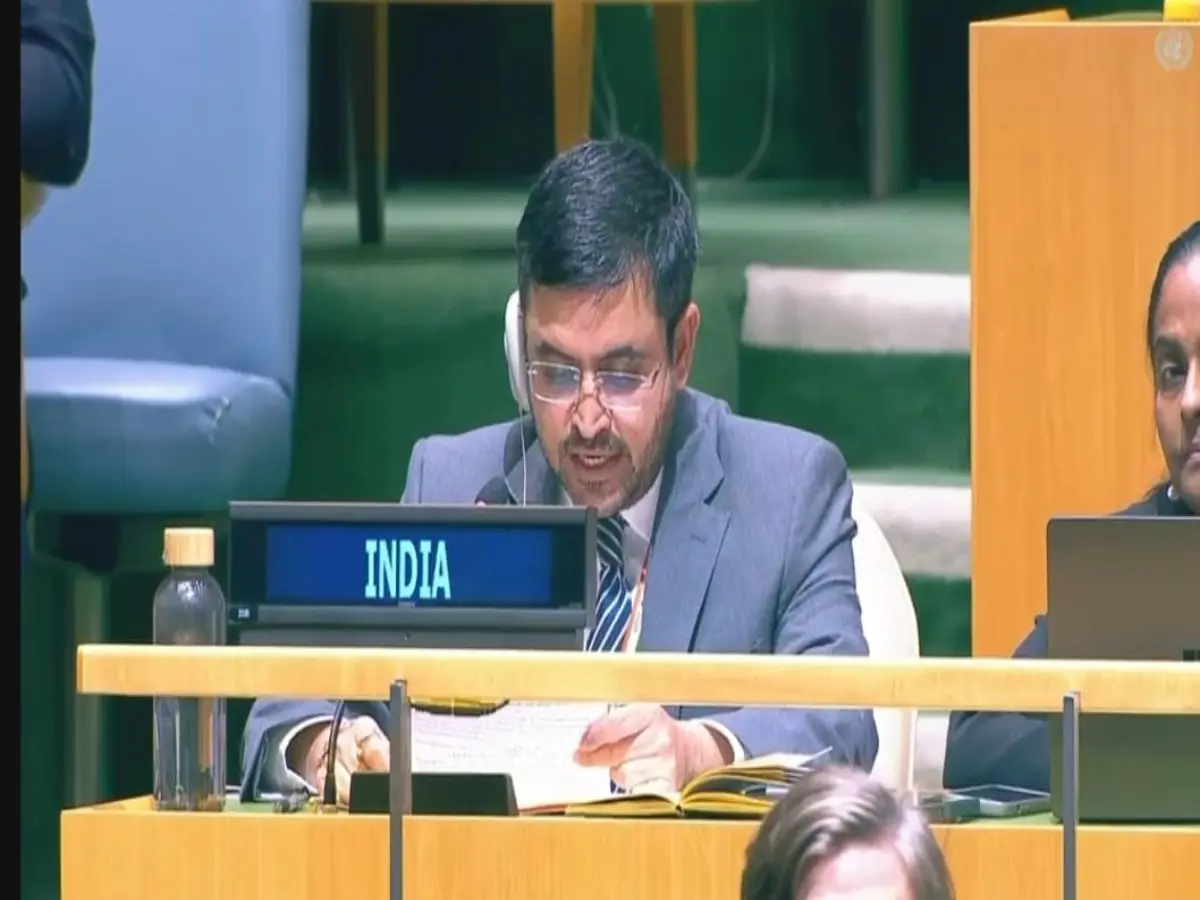)
UN votes to ‘correct the map’ as India backs fairer world view
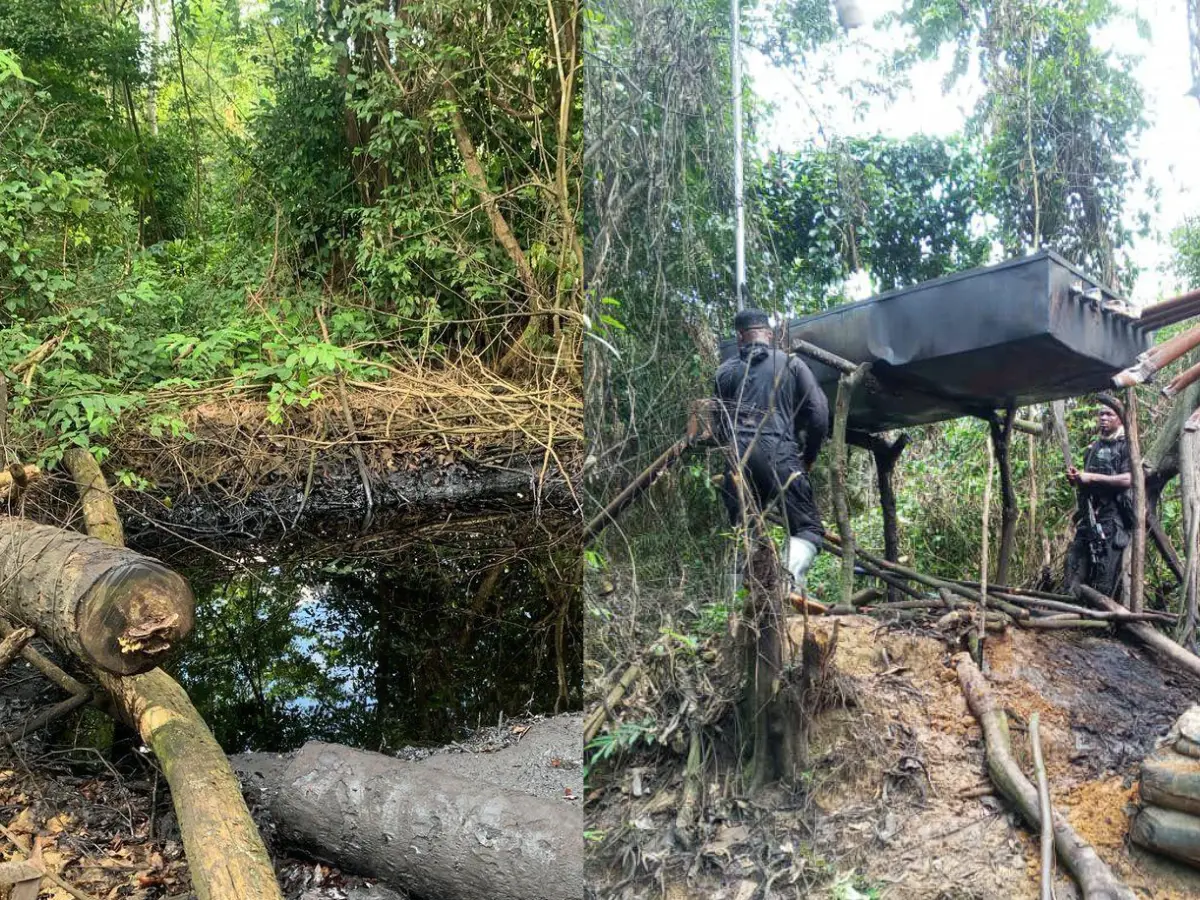)
Nigerian Navy discovers 99,000 litres of suspected stolen, illegally refined products as it intensifies anti-crude oil theft operations
)
Who is Aditi Paudel? 17-year-old becomes Japan's first literacy ambassador
)
Bengaluru: Officials find 40 kg expired chilli at chairman's club
)
Jaishankar rejects trade link to ending Ukraine war
)
Israeli strikes on Lebanon kill three, injure 23 despite truce
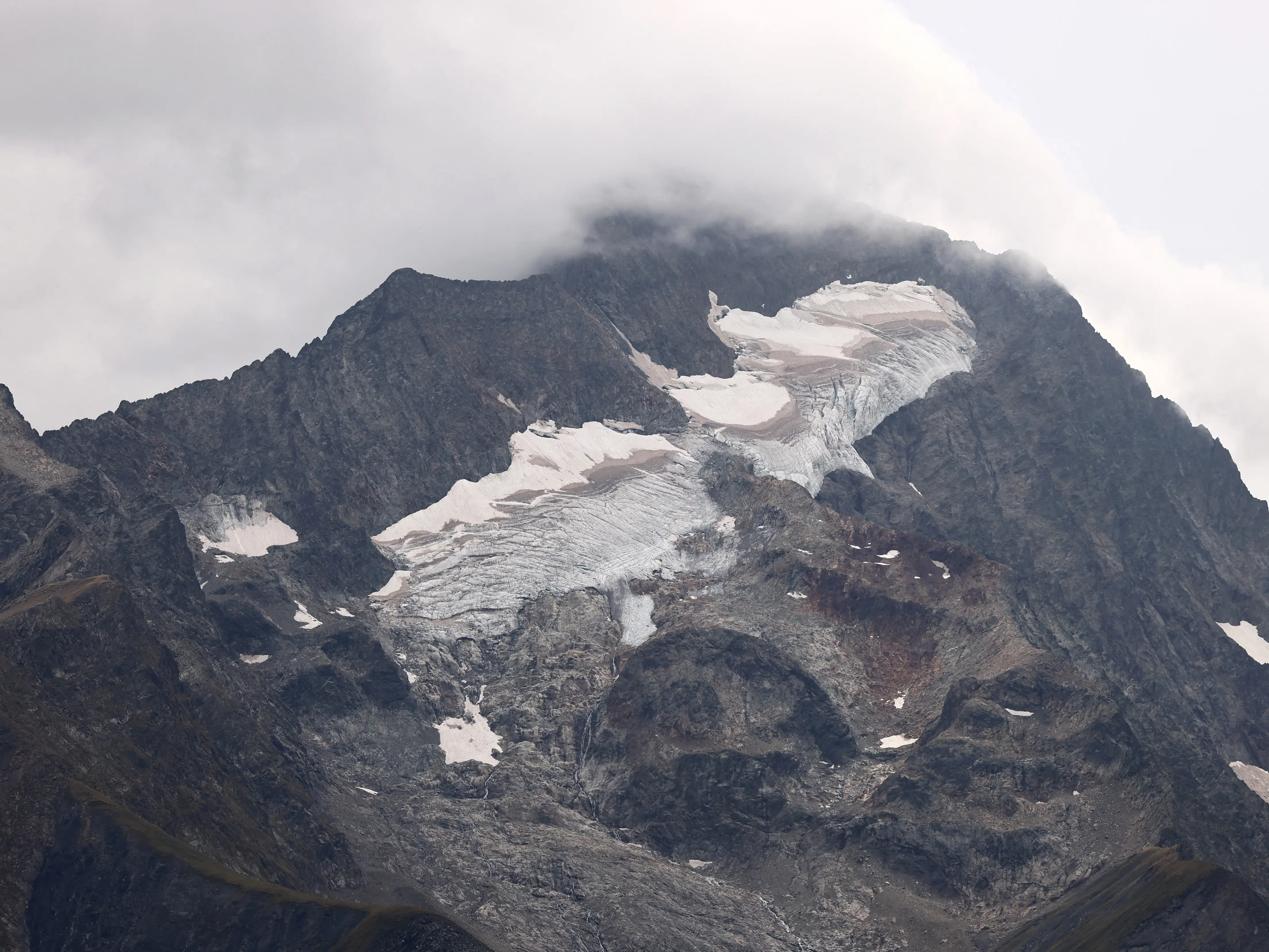)
Alpine glacier was covered with sheep wool sheets to prevent melting. It worked
)
South Korea mulls deploying military assets to Strait of Hormuz
)
World's fifth-largest economy, British army can't afford to train
)
Breaking | Vance takes the podium: First White House briefing since Leavitt's exit
)
Taiwan raises 'concerns' over China's missile test
)
BRICS 2026: $1 trillion sovereign capital set to converge in Delhi for first iBRICS Summit
)
What is Iran's Pickaxe Mountain that Trump has again threatened to bomb?
)
UN votes to correct world map that visually shrank Africa for 450 years
)
Former NewJeans member Danielle launches YouTube channel, hints at new solo journey
)
Bangladesh batter Towhid Hridoy creates history with 350 not out in South Africa
)
Brendan Fraser’s transformation fuels The Mummy 4 excitement as fans welcome back Rick O’Connell
&im=FitAndFill=(700,400))
Krishna Janmashtami 2026: From Dhaniya Panjiri to Makhana Kheer- 5 best sweet dishes perfect for celebrating Lord Krishna’s birth
)
Donald Trump plans to travel to Ireland on Qatari-donated jet amid security concerns
)
Nazi-looted art to return to Jewish heirs
)
Eight killed in Kerala’s Thrissur after car rams into lorry parked on highway
&im=FitAndFill=(700,400))
Why Russian fighter jets use bulky, low-pressure tyres compared to US jets
)
FBI-wanted fraud accused arrested in Jalandhar over $600,000 scam
&im=FitAndFill=(700,400))
Why US tanks weigh over 20 tons more than Russian tanks
&im=FitAndFill=(700,400))
New Friday OTT releases (September 4, 2026): GDN, Dhamaal 4, Jagamae Sangeetham- Watch 6 new movies and TV shows on Netflix, Prime Video and more
)
Killing the Himalayas slowly: Human urine is melting a glacier on Mount Everest
The Pillar II talks of AUKUS come just two days before Biden will be hosting Japanese Prime Minister Fumio Kishida for a summit at the White House on Wednesday, and a historic US-Japan-Philippines trilateral meeting a day later.
Also watch |Gravitas: China, Russia winning the new arms race? Australian Defence Official warns AUKUS
Biden and Kishida will likely discuss expanding AUKUS to include Japan during the White House summit.
Australia and UK pushing back against idea of including Japan
The US' idea to include Japan in AUKUS has been earlier opposed by Australia and the UK, partly because they want to focus on ironing out existing complications in their trilateral cooperation, the FT report on Sunday said.
Australia and the UK are concerned Japan still lacks the security systems required to protect highly sensitive information.
(With inputs from agencies)