US to impose sanctions on Turkey over Russian S-400 defense system


S-400 missile air defence systems
The United States is poised to impose sanctions onTurkeyover its acquisition last year of Russian S-400 air defense systems, according to a report in Reuters, a move likely to worsen already problematic ties between the two NATO allies.
The long-anticipated step, which is likely to infuriate Ankara and weigh onTurkey's relations with the incoming administration of President-elect Joe Biden, is expected to be announced this week, sources have said.
The sanctions would targetTurkey's Presidency of Defence Industries and its head, Ismail Demir, sources have said. They would be damaging but narrower than the severe scenarios some analysts have outlined.

Two sources familiar with the matter, including a USofficial speaking on the condition of anonymity, said President Donald Trump had given aides the blessing for the sanctions.
The Turkish lira weakened as much as 1.4 per centfollowing the news. USsanctions could harm a Turkish economy struggling with a coronavirus-induced slowdown, double-digit inflation, and badly depleted foreign reserves.
A senior Turkish official said sanctions would backfire and hurt ties between the two NATO members.
&imwidth=180&imheight=135&format=webp&quality=medium)
100,000 strikes in 3 years: How October 7 redefined Israel's war
&im=FitAndFill=(700,400)&imwidth=180&imheight=135&format=webp&quality=medium)
Happy Birthday Rekha: Watch these 7 evergreen Bollywood hits on Netflix, Prime Video and more
&imwidth=180&imheight=135&format=webp&quality=medium)
‘Your people don’t even let us near it’: IAF chief’s blunt response on US F-35; India yet to decide on Russia’s Su-57
&imwidth=180&imheight=135&format=webp&quality=medium)
Real or fake? PIB fact-checks protest videos; Delhi Police clarifies on Gurdwara Bangla Sahib clip
&imwidth=180&imheight=135&format=webp&quality=medium)
UK navy hit by espionage scandal: Sailor accused of spying for Russia | Gravitas
&imwidth=180&imheight=135&format=webp&quality=medium)
Delhi on high alert for CJP protest: Delhi police to use body cams to 'prove whether we did anything’; Pink Force, RAF, 35,000 personnel deployed
&imwidth=180&imheight=135&format=webp&quality=medium)
‘Never-ending flow of cheap labour’: JD Vance hits back at Indian-origin Congresswoman over US green card curbs for major tech companies
&imwidth=180&imheight=135&format=webp&quality=medium)
Panama president declares ‘major disaster’ after powerful 7.7-magnitude earthquake; over 80 aftershocks recorded
&imwidth=180&imheight=135&format=webp&quality=medium)
HYBE’s Weverse Con India sets ticket sale date for March 2027 festival
&imwidth=180&imheight=135&format=webp&quality=medium)
'Jantar Mantar not the story of India': BJP's Sambit Patra claims 'anarchists' tried to hold Delhi captive
&imwidth=180&imheight=135&format=webp&quality=medium)
BJP MP Ravi Shankar Prasad slams CJP protests, calls it 'shadow boxing for AAP'
&imwidth=180&imheight=135&format=webp&quality=medium)
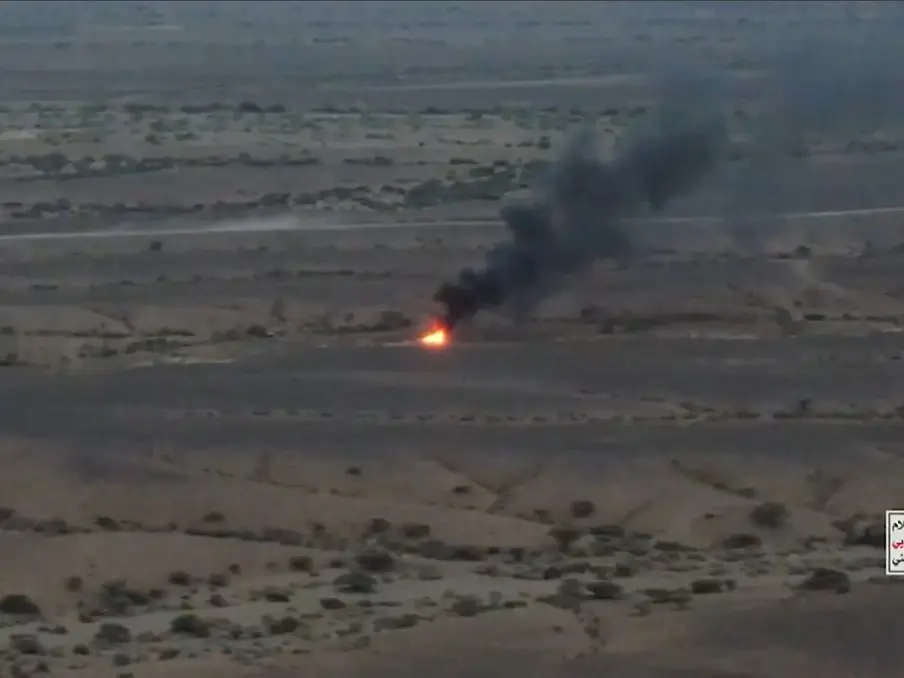
Riyadh airport hit in missile attack, dozens injured; 5 in intensive care
&imwidth=180&imheight=135&format=webp&quality=medium)
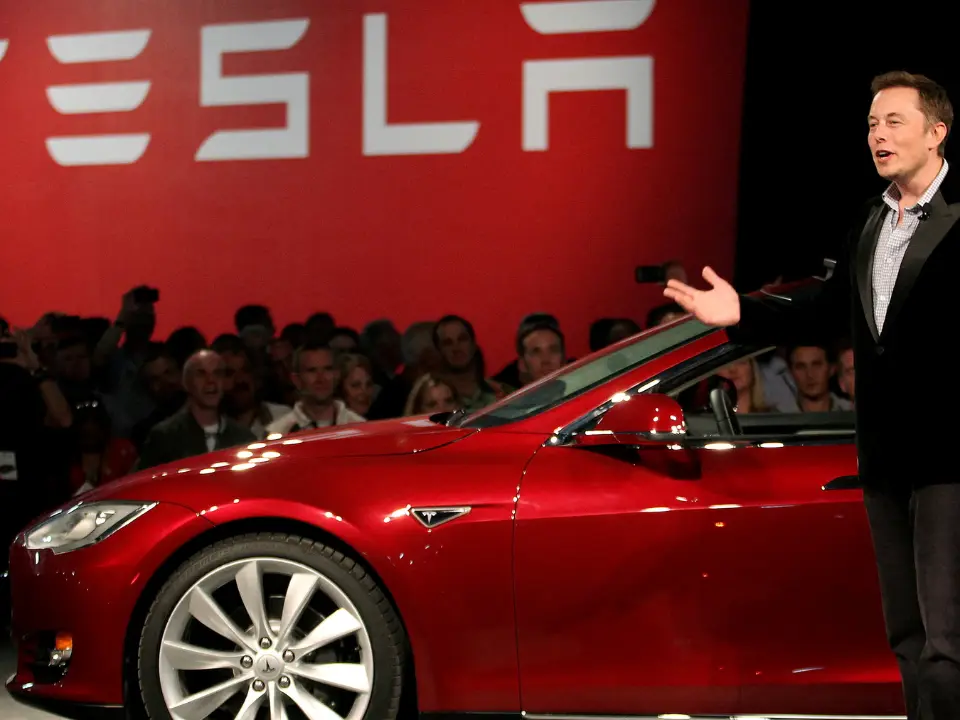
'Spent Rs 2,000 cr to elect Trump': Elon Musk bought US President's loyalty by writing the biggest political cheque in human history
&imwidth=180&imheight=135&format=webp&quality=medium)
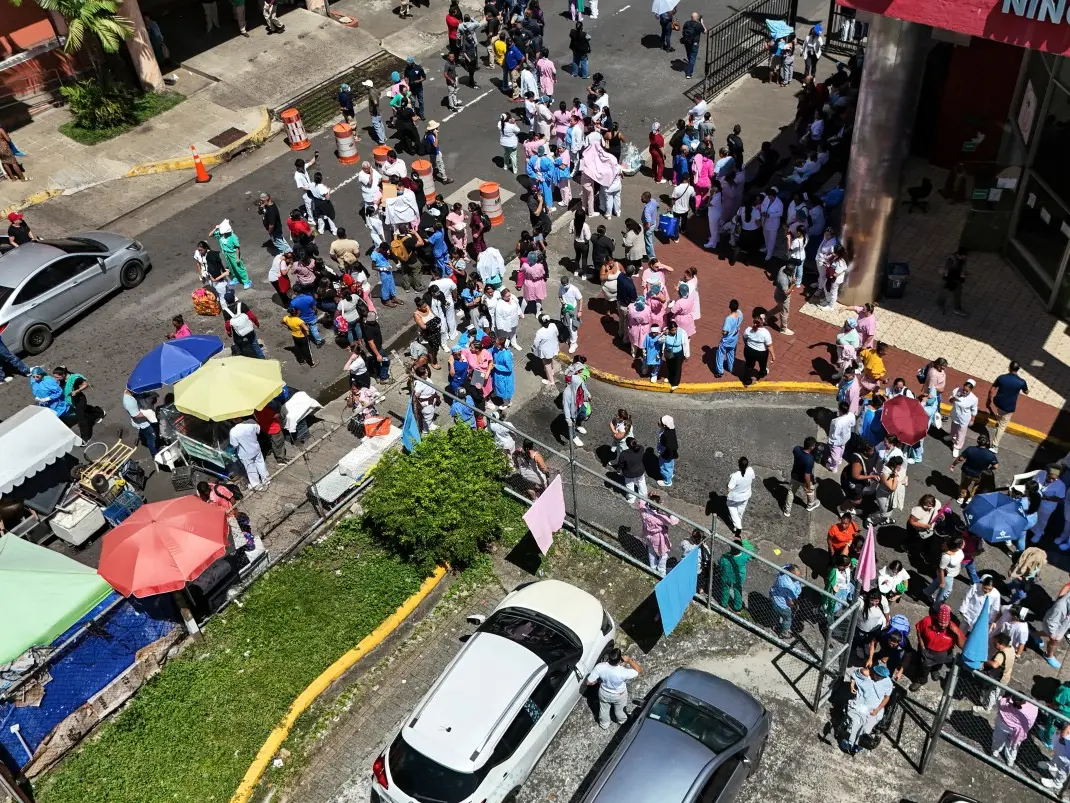
Powerful 7.7 magnitude earthquake strikes Panama, tsunami warning issued
&imwidth=180&imheight=135&format=webp&quality=medium)
US mid-term elections: What are PACs - Unique American System that lets corporates shape voting
&imwidth=180&imheight=135&format=webp&quality=medium)
Elon musk & India clash over Starlink's market entry terms
&imwidth=180&imheight=135&format=webp&quality=medium)
Who is Ajinkya Shinde, announced to lead CJP protest after Dipke, Das and Ranka's detention?
&imwidth=180&imheight=135&format=webp&quality=medium)
'Ouch!!! That must hurt': Kangana Ranaut hails Kamal Haasan's sharp reply to Elon Musk over Starlink row
&imwidth=180&imheight=135&format=webp&quality=medium)
‘Right to protest must be protected, but...’: Delhi Police reveals why it denied CJP permission for October 10 Jantar Mantar protest
&imwidth=180&imheight=135&format=webp&quality=medium)
Hamas used double agents, deceived Israel to carry out October 7 massacre
&imwidth=180&imheight=135&format=webp&quality=medium)
Portugal Federation confirms Cristiano Ronaldo’s return to national team despite suspension
&imwidth=180&imheight=135&format=webp&quality=medium)
All 22 Indian seafarers safe in attack on Panama-flagged tanker off UAE coast
&imwidth=180&imheight=135&format=webp&quality=medium)
‘Time for Ukraine to get a new president’: Trump lashes out at Zelensky over Russia strikes
&im=FitAndFill=(700,400)&imwidth=180&imheight=135&format=webp&quality=medium)
Food shortages, suicide attempts and more: USS Abraham Lincoln returns to US after 321 day deployment — What happened aboard the US carrier?
&imwidth=180&imheight=135&format=webp&quality=medium)
Thai queen becomes first reigning monarch to fly jet solothailand #queen #wion
&imwidth=180&imheight=135&format=webp&quality=medium)
Four years, 3 licenses, zero launch: Why is Elon Musk’s Starlink still struggling to crack Indian market? EXPLAINED
&imwidth=180&imheight=135&format=webp&quality=medium)
Rahul Gandhi calls Modi, Shah ‘cowards’ amid CJP protest crackdown in Delhi
&imwidth=180&imheight=135&format=webp&quality=medium)
‘Every game against Liverpool is special’: Erling Haaland ahead of Anfield clash
&imwidth=180&imheight=135&format=webp&quality=medium)
Why was CJP founder Abhijeet Dipke detained? What Delhi Police said
&imwidth=180&imheight=135&format=webp&quality=medium)
Putin conveys Iran’s proposal to Trump, offers to take Tehran’s enriched uranium
&imwidth=180&imheight=135&format=webp&quality=medium)
'It’s been 12 hours': CJP writes to Delhi Police, demands release of Dipke, Saurav Das and Ranka
"Sanctions would not achieve a result but be counter-productive. They would harm relations," the official said. "Turkeyis in favor of solving these problems with diplomacy and negotiations. We won't accept one-sided impositions," he said.
The decision will have repercussions far beyondTurkey, sending a message to USpartners around the world that might consider buying Russian military equipment and have been warned repeatedly about USsanctions.
Turkey's leader, President Tayyip Erdogan, had hoped to prove USthreats hollow, betting the relationship he developed with Trump would insulate Ankara from punitive USaction.
Having forged a working relationship with Erdogan, Trump long opposed USsanctions againstTurkeydespite the advice of advisers. Officials in his administration internally recommended sanctions against Ankara in July 2019, when the Turkish government started taking delivery of the S-400s, sources familiar with the matter told Reuters.
But sanctions appeared likely even if Trump did not act, the sources said.
The final version of the $740 billion annual USdefense authorization legislation, which the Senate is expected to vote on as early as this week, would force Washington to impose sanctions within 30 days.
One of the U.S. officials said one of the reasons Trump was finally willing to move ahead withTurkeysanctions was to "decouple" the issue from NDAA bill, which carries a provision that would require him to impose measures on Ankara. This way, Trump can avoid looking like his hand is being forced, the official said.
Kicked out of F-35 program
Still, increasing USpressure is not without risk. Washington does not want to push Erdogan even closer to Russian President Vladimir Putin, whose goal is to weaken and divide the NATO alliance.
Russia delivered the ground-to-air S-400s last year andTurkeytested them as recently as October. Ankara said they would not be integrated into NATO systems and pose no threat, and has called for a joint working group on the issue.
But the United States maintained that the S-400 does pose a threat, and announced last year it was removingTurkeyfrom the F-35 fighter jet program over Ankara's decision.
Lockheed Martin's F-35 stealth fighter jet is the most advanced aircraft in the USarsenal and is used by NATO members and other USallies.
The USState Department could still change plans and widen or narrow the scope of planned sanctions againstTurkey.
However, sources said the announcement of the sanctions in their current form was imminent.