US Supreme Court wary of removing legal immunity for the tech companies

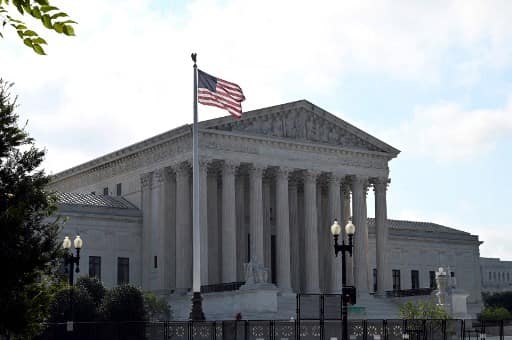
US Supreme Court
A law that has protected big tech companies in the United States since 1996 from lawsuits over content posted on their platforms is under scrutiny in the US. The country's Supreme Court on Tuesday started with the hearing, debating the law but sounded wary of tinkering with the legal shield.
The particular hearing is related toNovember 2015 Paris attacks and has been filedby the family of Nohemi Gonzalez, a 23-year-old student at California State University who was in France when the attacks took place. She was one of the 130 victims of the terror attack in the French capital.
The SC heard arguments from US officials, Google and Gonzalez's family during the three-hour-long hearing. The court admitted that the landscape of the internet had changed vastly since the law first came into being, 27 years ago.

The justices also expressed concerns that granting a judgement in favour ofGonzalez's family may open the floodgates for similar litigations against the tech companies.
"You are creating a world of lawsuits.Really anytime you have content, you also have these presentational and prioritisation choices that can be subject to suit," observedJustice Elena Kagan.
A lower court earlier dismissed the plea against Google LLC-owned YouTube. Her family has accused YouTube of recommending videos by extremist groups to users, blaming the tech giant for supporting the radicals in their call for violence. Google and YouTube are part of Alphabet Inc. "By recommend[ing] ISIS videos to users, Google assists ISIS in spreading its message and thus provides material support to the ISIS," reads the legal brief.
Section 230 - the law in question
Legal immunity to tech giants under Section 230 has been questioned in the case. This is the first time that the US Supreme Court is hearing a case related to the scope of the law. Under Section 230, internet firms in the US can't be considered as the publishers of the content posted by users. It was passed more than two decades ago when the internet was in its infancy.
In the appeal, the family of the student has argued that highly complex recommendation systems - that have been perfected by internet giants over time - fall out of the scope of Section 230. The lawsuit has been filed under the U.S. Anti-Terrorism Act, a federal law that lets Americans recover damages related to “an act of international terrorism," news agency Reuters reported.
Also watch:US Supreme Court probe fails to find Roe V Wade draft leak culprit
Google and its supporters have opposed the case, as expected, calling it a threat to free speech.
(With inputs from agencies)
WATCH WION LIVE HERE
You can now write for wionews.com and be a part of the community. Share your stories and opinions with us here.