US Midterms 2026: In Alaska, cost-of-living anxiety meets strangest ballot in high-stakes Senate race


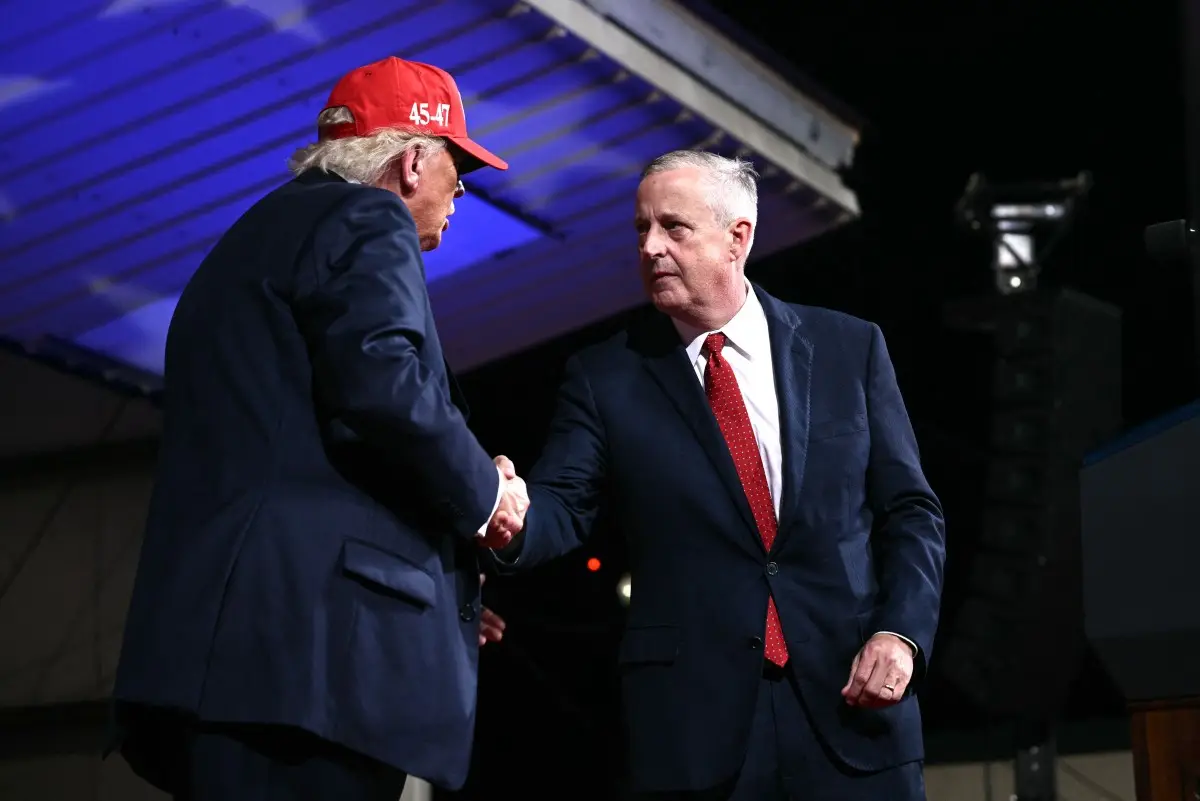
Republican Senator Dan Sullivan, seeking a third term from Alaska, is pitted against Democrat Mary Peltola. Photograph: (AFP)
The vast distances, dependence on air and sea transport, and harsh climate make food, fuel and heating expensive in Alaska. Those living away from major urban centres face particularly steep grocery bills, while fluctuations in energy prices affect household budgets.
In a state where the cost of living seems unforgiving, the 2026 US midterm elections are turning Alaska into an unforeseen battleground. Economic anxiety, a fiercely contested Senate race and an unconventional voting system have merged to make this traditionally Republican state one of the contests to watch out for.
Republican Senator Dan Sullivan, seeking third term, is pitted against Democrat Mary Peltola, who is hoping to turn economic frustration and her appeal into an upset. President Donald Trump is travelling to Alaska to rally support for Sullivan as Republicans seek to protect their Senate majority.
For Alaskans, the election is about more than party loyalties. The vast distances, dependence on air and sea transport, and harsh climate make food, fuel and heating expensive in Alaska. Those living away from major urban centres face particularly steep grocery bills, while fluctuations in energy prices affect household budgets.
Peltola, who has built her political identity around the slogan “Fish, Family, Freedom”, is emphasising the importance of protecting Alaska’s fisheries, supporting working families and defending local livelihoods. In a smart move, she is linking the cost-of-living debate with subsistence fishing and the economic realities of rural and Indigenous communities.
Sullivan enjoys the advantages of incumbency and Republican support in a state where resource development, energy policy and limited government remain important political considerations.
Since investment in Alaska’s energy sector and expansion of economic opportunities are essential to long-term prosperity, Republicans are trying to convince voters that their policies can address the immediate pressure of rising prices.
Trending Stories
&imwidth=280&imheight=210&format=webp&quality=medium)
&im=FitAndFill=(700,400)&imwidth=280&imheight=210&format=webp&quality=medium)
&imwidth=280&imheight=210&format=webp&quality=medium)
&imwidth=280&imheight=210&format=webp&quality=medium)
&imwidth=280&imheight=210&format=webp&quality=medium)
&imwidth=280&imheight=210&format=webp&quality=medium)
&imwidth=280&imheight=210&format=webp&quality=medium)
&imwidth=280&imheight=210&format=webp&quality=medium)
&imwidth=280&imheight=210&format=webp&quality=medium)
&imwidth=280&imheight=210&format=webp&quality=medium)
&imwidth=280&imheight=210&format=webp&quality=medium)
&imwidth=280&imheight=210&format=webp&quality=medium)
&imwidth=280&imheight=210&format=webp&quality=medium)
&imwidth=280&imheight=210&format=webp&quality=medium)
&imwidth=280&imheight=210&format=webp&quality=medium)
&imwidth=280&imheight=210&format=webp&quality=medium)
&imwidth=280&imheight=210&format=webp&quality=medium)
&im=FitAndFill=(700,400)&imwidth=280&imheight=210&format=webp&quality=medium)
&im=FitAndFill=(700,400)&imwidth=280&imheight=210&format=webp&quality=medium)
&imwidth=280&imheight=210&format=webp&quality=medium)
&imwidth=280&imheight=210&format=webp&quality=medium)
&imwidth=280&imheight=210&format=webp&quality=medium)
&imwidth=280&imheight=210&format=webp&quality=medium)
&imwidth=280&imheight=210&format=webp&quality=medium)
&imwidth=280&imheight=210&format=webp&quality=medium)
&imwidth=280&imheight=210&format=webp&quality=medium)
&imwidth=280&imheight=210&format=webp&quality=medium)
&imwidth=280&imheight=210&format=webp&quality=medium)
&im=FitAndFill=(700,400)&imwidth=280&imheight=210&format=webp&quality=medium)
&imwidth=280&imheight=210&format=webp&quality=medium)
&imwidth=280&imheight=210&format=webp&quality=medium)
&imwidth=280&imheight=210&format=webp&quality=medium)
&imwidth=280&imheight=210&format=webp&quality=medium)
&imwidth=280&imheight=210&format=webp&quality=medium)
&imwidth=280&imheight=210&format=webp&quality=medium)
The Senate contest is complicated by Alaska’s distinctive electoral system, which combines an open primary with ranked-choice voting in the general election. Candidates from all parties compete in the primary, with the top four advancing. In November, voters rank candidates in order of preference; if nobody wins a majority of first-choice votes, the lowest-performing candidate is eliminated and ballots are redistributed according to voters’ next preferences until a winner emerges.
This system can benefit candidates who appeal beyond their party’s core supporters but has generated controversy after two Senate candidates named Dan Sullivan appeared on the November ballot. The presence of Dan J. Sullivan alongside incumbent Dan S. Sullivan has raised concerns about voter confusion, making the contest even more complex.
Supporters of the system say it broadens voter choice and encourages candidates to seek wider support, but opponents call it confusing.
The contest also carries significance beyond the state’s borders, as a Democratic victory could reshape the balance of power in the Senate, while a Republican win would reinforce the party’s position in Washington.
In Alaska, the battle for Washington could ultimately be decided at the supermarket, the fuel pump and the ballot box — where even the act of choosing a candidate has become a political issue.