US midterm elections 2026: Trump’s picks won primaries. Will they deliver in November?

&imwidth=600&imheight=450&format=webp&quality=medium "US midterm elections 2026: Trump’s picks won primaries. Will they deliver in November?")
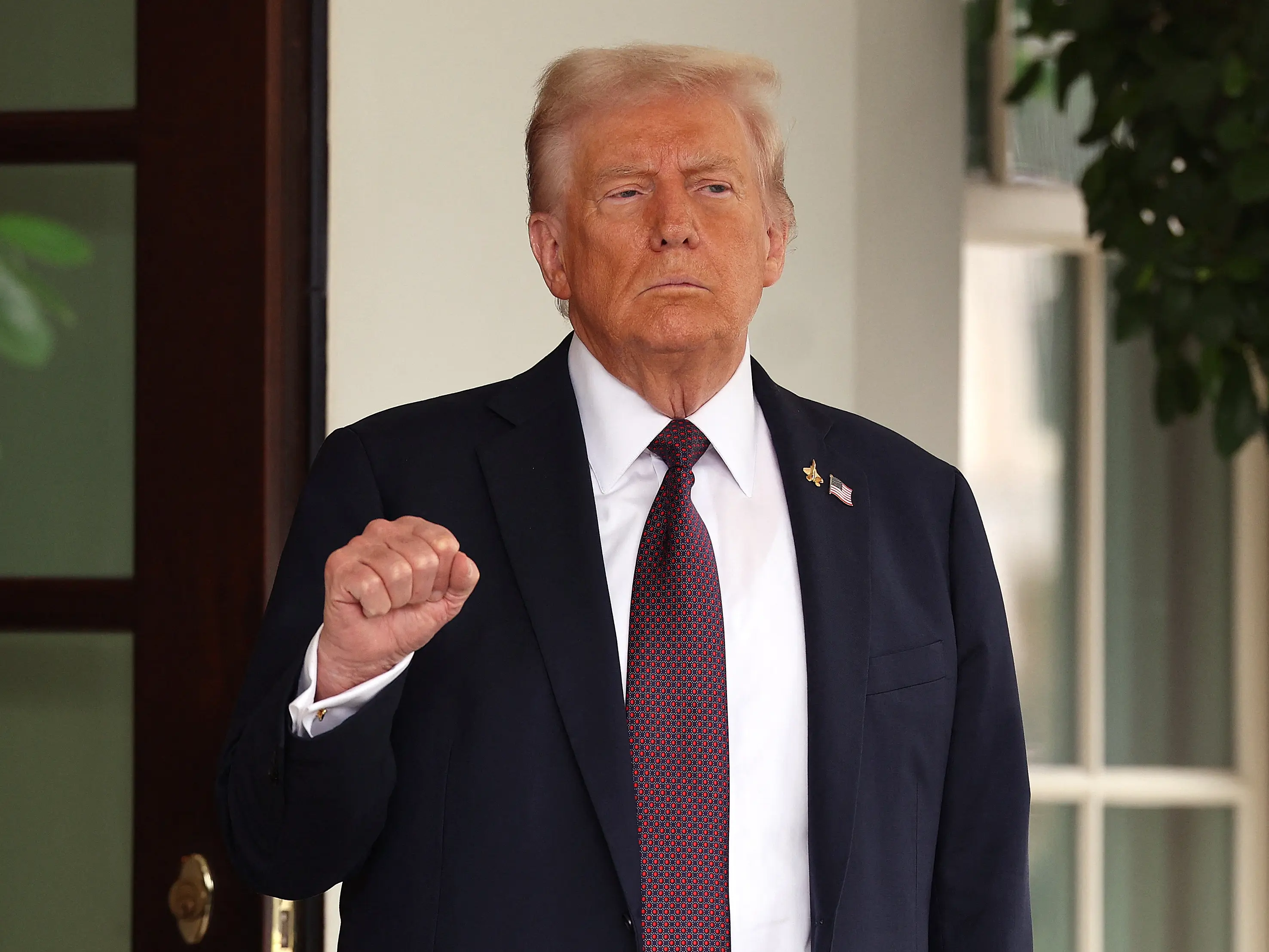
US President Donald Trump Photograph: (AFP)
Trump's endorsement record is strong in Republican primaries, but November 3 poses a tougher test. With Congress at stake, his candidates must win over voters beyond the party's base.
Donald Trump has had a remarkable run in the Republican primaries this year. But as the United States heads towards the November 3 midterm elections, a more important question hangs over his endorsement record: can he help Republicans keep control of Congress?
The president's backing has proved difficult for many Republican challengers to overcome. By July 10, 220 of the 227 Trump-endorsed candidates whose primaries had been held had won, according to Ballotpedia. That put his success rate at nearly 97 per cent at the time.
The figure makes for an impressive headline. It also comes with a caveat. A Republican primary is one contest; a general election, with a broader electorate and control of Congress at stake, is another.
And Trump's choices have not always gone to plan.
When Trump's endorsement wasn't enough
Georgia was a particularly bruising example. Lieutenant Governor Burt Jones had support from both Trump and Governor Brian Kemp in his bid for the Republican gubernatorial nomination. He lost the runoff to healthcare entrepreneur Rick Jackson.
Trending Stories
&imwidth=280&imheight=210&format=webp&quality=medium)
&imwidth=280&imheight=210&format=webp&quality=medium)
&imwidth=280&imheight=210&format=webp&quality=medium)
&imwidth=280&imheight=210&format=webp&quality=medium)
&im=FitAndFill=(700,400)&imwidth=280&imheight=210&format=webp&quality=medium)
&imwidth=280&imheight=210&format=webp&quality=medium)
&imwidth=280&imheight=210&format=webp&quality=medium)
&imwidth=280&imheight=210&format=webp&quality=medium)
&imwidth=280&imheight=210&format=webp&quality=medium)
&imwidth=280&imheight=210&format=webp&quality=medium)
&imwidth=280&imheight=210&format=webp&quality=medium)
&imwidth=280&imheight=210&format=webp&quality=medium)
&imwidth=280&imheight=210&format=webp&quality=medium)
&imwidth=280&imheight=210&format=webp&quality=medium)
&imwidth=280&imheight=210&format=webp&quality=medium)
&imwidth=280&imheight=210&format=webp&quality=medium)
&imwidth=280&imheight=210&format=webp&quality=medium)
&imwidth=280&imheight=210&format=webp&quality=medium)
&imwidth=280&imheight=210&format=webp&quality=medium)
&imwidth=280&imheight=210&format=webp&quality=medium)
&imwidth=280&imheight=210&format=webp&quality=medium)
&imwidth=280&imheight=210&format=webp&quality=medium)
&imwidth=280&imheight=210&format=webp&quality=medium)
&imwidth=280&imheight=210&format=webp&quality=medium)
&imwidth=280&imheight=210&format=webp&quality=medium)
&imwidth=280&imheight=210&format=webp&quality=medium)
&im=FitAndFill=(700,400)&imwidth=280&imheight=210&format=webp&quality=medium)
&imwidth=280&imheight=210&format=webp&quality=medium)
&imwidth=280&imheight=210&format=webp&quality=medium)
&imwidth=280&imheight=210&format=webp&quality=medium)
&imwidth=280&imheight=210&format=webp&quality=medium)
&imwidth=280&imheight=210&format=webp&quality=medium)
&imwidth=280&imheight=210&format=webp&quality=medium)
&imwidth=280&imheight=210&format=webp&quality=medium)
Jackson's campaign spent more than $100 million, the Associated Press reported. The result was a reminder that even a candidate with powerful political backing can be beaten by a rival with deep pockets and a compelling campaign of his own.
Other Trump-backed candidates also fell short. Representative Randy Feenstra lost Iowa's Republican gubernatorial primary to Zach Lahn. In Minnesota, MyPillow chief executive Mike Lindell lost to state House Speaker Lisa Demuth. Florida Representative Cory Mills also lost his primary to Ryan Elijah. Trump had initially backed Mills but later said he had advised him to leave the race, endorsing Elijah after the defeat.
These races do not tell the whole story of Trump's endorsements. Most of his candidates who had contested primaries by early July won. But the defeats make it harder to argue that his support alone can decide a race.
The bigger fight is for Congress
Several of Trump's preferred candidates have secured important Senate nominations. Mike Collins won the Republican runoff in Georgia, while Barry Moore prevailed in Alabama.
Their primary victories are now behind them. The tougher work lies ahead.
Collins faces Democratic Senator Jon Ossoff in Georgia, a contest that could help determine which party controls the Senate. Georgia is one of several competitive Senate races that could shape the balance of power in November. Across the country, Republicans must also defend their House majority against Democrats hoping to capitalise on voter dissatisfaction with the administration.
For Trump, the stakes are personal as well as political. A strong Republican performance would give him a reason to claim that his influence remains a decisive force in the party. Significant losses would invite questions about whether his standing with Republican primary voters translates into support at the ballot box more broadly.
The money behind the races
Campaign spending is another part of the story, although the figures need to be treated carefully.
Jackson's spending in Georgia stands out, but it cannot be taken as the typical cost of defeating a Trump-backed candidate. Nor can spending across all congressional campaigns be attributed to the president's endorsement operation.
The Federal Election Commission reported that congressional candidates raised approximately $2.8 billion and spent $2.04 billion between January 2025 and June 2026. These figures cover congressional candidates across the political spectrum, not just Trump's picks. A candidate-by-candidate comparison is needed to establish how much his preferred candidates spent and how their spending compared with that of their rivals.
That is where a fuller audit could reveal more than a simple win-loss tally.
November is the real test
For now, Trump can point to a strong primary record, even with several prominent defeats on it. But the November 3 election will determine whether that record translates into something more consequential.
Winning nominations has helped Trump shape the Republican field. Keeping Congress in Republican hands is a different matter. The results in November will show whether his endorsement power extends beyond the party's primaries — and whether it can help deliver the majorities Republicans need.

