US midterm elections 2026: Is China a factor? What Trump-Xi trade truce settled, and what it didn’t

&imwidth=600&imheight=450&format=webp&quality=medium "US midterm elections 2026: Is China a factor? What Trump-Xi trade truce settled, and what it didn’t")
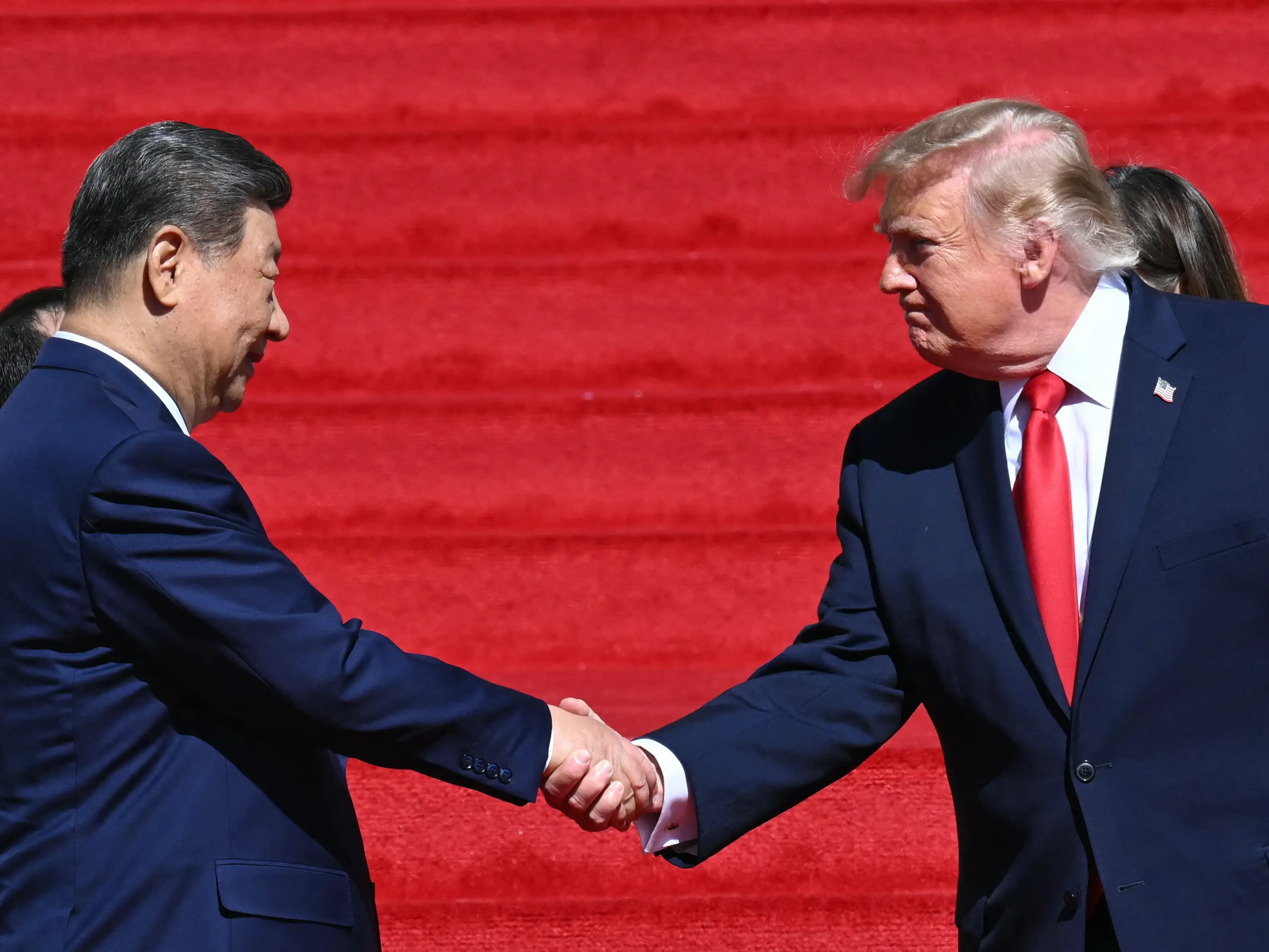
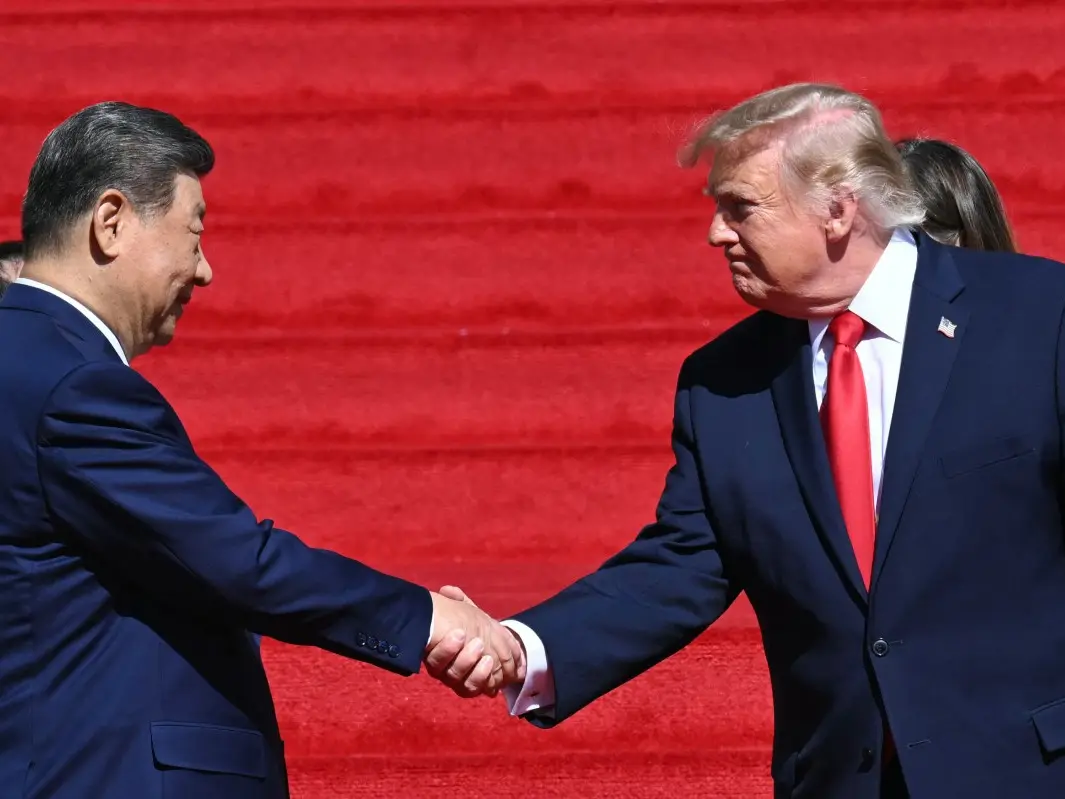
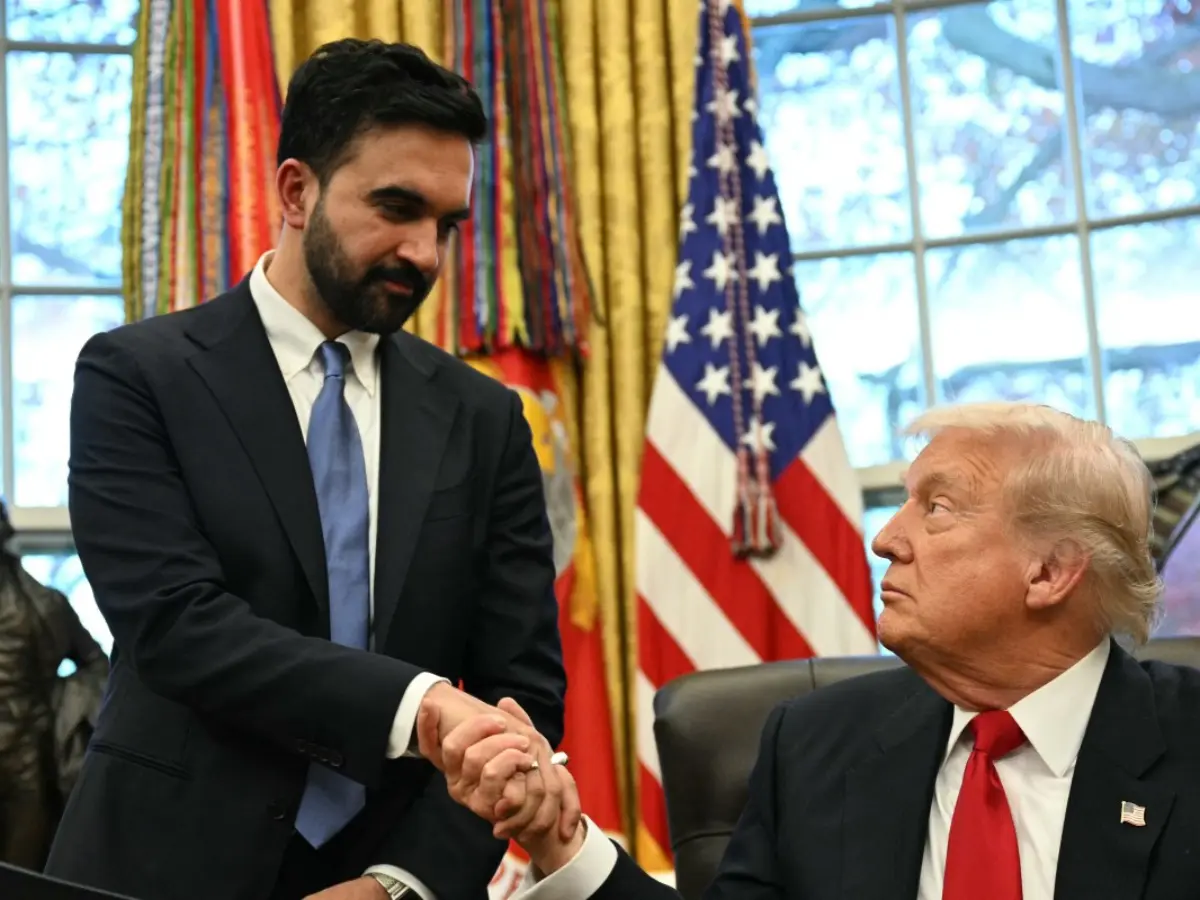
US President Donald Trump shakes hands with China's President Xi Jinping after a visit with First Lady Melania Trump and China's First Lady Peng Liyuan to the National Archives in Washington, DC on September 25, 2026. Photograph: (AFP)
The Trump-Xi summit extended the US-China trade truce and secured farm, coal and AI commitments, but left key disputes unresolved ahead of the 2026 US midterm elections.
The 2026 US midterm elections are drawing closer, putting the Trump administration’s economic record under renewed scrutiny. With control of Congress at stake on November 3, issues such as trade, jobs, prices and the health of key industries are likely to remain central to the political debate. Against this backdrop, President Donald Trump’s latest meeting with Chinese President Xi Jinping could have significance beyond foreign policy. Their summit produced agreements on agricultural trade, US coal purchases and artificial intelligence cooperation, while extending a broader trade truce. But the deal leaves several major US-China disputes unresolved, raising questions about how much it can deliver before the midterms.
China enters the US midterm conversation
For American farmers, China’s role is particularly important. Beijing is a major market for US agricultural products, and the trade war has repeatedly disrupted that relationship.
Following Chinese President Xi Jinping’s state visit to Washington, the two countries agreed to pursue tariff reductions covering about $30 billion of goods each. China’s list includes American corn, wheat, sorghum, meat, dairy products, vegetable oils and meals.
That gives the Trump administration an economic development to highlight as the November 3 midterms approach, particularly in farm-heavy states.
But there is an important omission: US soybeans were not included. Soybeans were worth about $16.2 billion in US exports to China in 2025 and remain one of the most politically sensitive agricultural products in the relationship.
Trending Stories
)
)
)
)
)
)
)
)
)
)
)
)
)
)
)
)
)
)
)
)
)
)
)
)
)
)
)
)
)
)
)
)
)
)
&im=FitAndFill=(700,400))
)
)
)
)
Trade truce gets more time, not a final deal
The summit also produced a two-month extension of the existing US-China trade truce, taking it through January 10.
The extension prevents an immediate return to higher tariffs and gives negotiators more time to work through unresolved issues. But it is not a permanent trade settlement. The two countries have also agreed to continue discussions through the US-China Board of Trade.
That distinction matters. American businesses and farmers get additional breathing room, but uncertainty over the longer-term tariff regime remains.
Coal gives US industry another win
Agriculture was not the only US sector to gain from the summit.
China agreed to import 10 million metric tonnes of US coal each year in 2027 and 2028. Beijing described the purchases as beneficial to the US coal industry by supporting income and employment.
The volume is substantial for US coal producers but relatively small compared with China's overall coal imports – around 2 per cent of its annual imports, according to Reuters.
AI cooperation without ending the rivalry
The two governments also agreed to establish a communication channel for AI-related incidents and hold a follow-up dialogue by the end of November.
That is cooperation, but it should not be confused with an end to the technology rivalry. Washington and Beijing remain competitors over advanced technology, while Trump has stressed that the US intends to maintain its lead in AI.
What remains unresolved
The summit therefore produced a collection of working arrangements rather than a sweeping reset.
Soybean access remains an issue. The broader tariff dispute has only been paused. Strategic sectors such as semiconductors remain outside the tariff arrangement, while disagreements over technology, Taiwan and wider geopolitical competition continue.
For the White House, the timing is notable. The summit has produced commitments involving American farmers, coal producers and other exporters that can be discussed on the campaign trail. But whether those measures translate into meaningful economic gains for voters before November remains dependent on implementation – and on whether Washington and Beijing can turn the temporary truce into something more durable.

