US mid-term elections: What are PACs - Unique American System that lets corporates shape voting

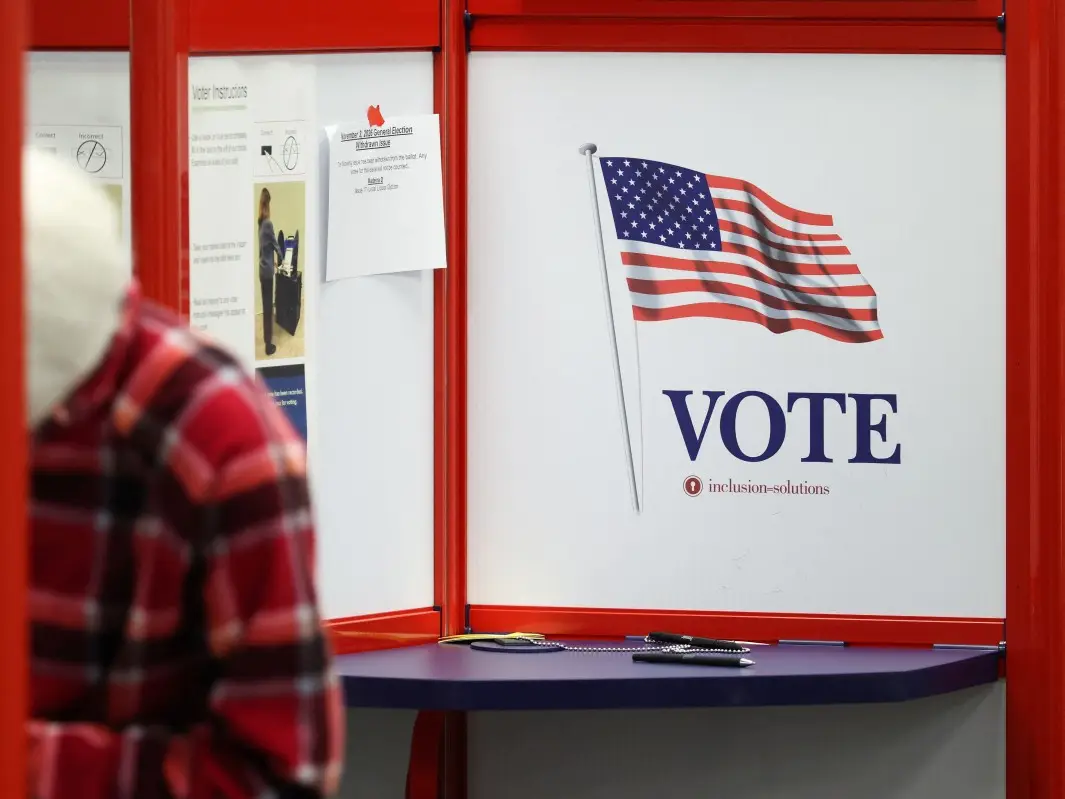&imwidth=600&imheight=450&format=webp&quality=medium "US mid-term elections: What are PACs - Unique American System that lets corporates shape voting")
Representative image. Photograph: (AFP)
A PAC that qualifies as a multicandidate committee can give a federal candidate $5,000 per election, provided it has been registered for at least six months, has at least 51 contributors, and has donated to five or more federal candidates.
Political Action Committees, or PACs, are organisations registered with the Federal Election Commission (FEC) that raise and spend money to support or oppose candidates for federal office in the US. Interestingly, they are tax-exempt organisations that pool campaign contributions from members, employees, or other groups and donate those funds to help or defeat political candidates, ballot initiatives, or legislation.
Traditional PACs, formed by corporations, unions or interest groups, operate under strict limits. A PAC that qualifies as a multicandidate committee can give a federal candidate $5,000 per election, provided it has been registered for at least six months, has at least 51 contributors, and has donated to five or more federal candidates.
Super PACs operate under an entirely different set of rules. They are a type of nonconnected committee; the FEC calls them independent expenditure-only political committees, and they can accept unlimited contributions from individuals, corporations, labour unions and other PACs, which they then use to fund independent expenditures rather than direct candidate donations. The FEC counted 2,236 such super PACs through March 2026.
This structure traces back to a landmark legal shift. Super PACs emerged following the 2010 SpeechNow v. Federal Election Commission ruling, which struck down limits on contributions to committees making independent political expenditures. This decision built on the broader deregulation triggered by Citizens United v. FEC the same year. The financial scale involved is significant. PACs and party committees accounted for over 75 per cent of funds raised for the 2024 election, with PACs alone contributing more than 65 per cent, or nearly $5.6 billion.
How PACs work and corporate influence
Trending Stories
&imwidth=280&imheight=210&format=webp&quality=medium)
&imwidth=280&imheight=210&format=webp&quality=medium)
&im=FitAndFill=(700,400)&imwidth=280&imheight=210&format=webp&quality=medium)
&imwidth=280&imheight=210&format=webp&quality=medium)
&imwidth=280&imheight=210&format=webp&quality=medium)
&imwidth=280&imheight=210&format=webp&quality=medium)
&imwidth=280&imheight=210&format=webp&quality=medium)
&imwidth=280&imheight=210&format=webp&quality=medium)
&imwidth=280&imheight=210&format=webp&quality=medium)
&imwidth=280&imheight=210&format=webp&quality=medium)
&imwidth=280&imheight=210&format=webp&quality=medium)
&imwidth=280&imheight=210&format=webp&quality=medium)
&imwidth=280&imheight=210&format=webp&quality=medium)
&imwidth=280&imheight=210&format=webp&quality=medium)
&imwidth=280&imheight=210&format=webp&quality=medium)
&imwidth=280&imheight=210&format=webp&quality=medium)
&imwidth=280&imheight=210&format=webp&quality=medium)
&imwidth=280&imheight=210&format=webp&quality=medium)
&imwidth=280&imheight=210&format=webp&quality=medium)
&imwidth=280&imheight=210&format=webp&quality=medium)
&imwidth=280&imheight=210&format=webp&quality=medium)
&im=FitAndFill=(700,400)&imwidth=280&imheight=210&format=webp&quality=medium)
&imwidth=280&imheight=210&format=webp&quality=medium)
&imwidth=280&imheight=210&format=webp&quality=medium)
&imwidth=280&imheight=210&format=webp&quality=medium)
&imwidth=280&imheight=210&format=webp&quality=medium)
&imwidth=280&imheight=210&format=webp&quality=medium)
&imwidth=280&imheight=210&format=webp&quality=medium)
&imwidth=280&imheight=210&format=webp&quality=medium)
&im=FitAndFill=(700,400)&imwidth=280&imheight=210&format=webp&quality=medium)

&im=FitAndFill=(700,400)&imwidth=280&imheight=210&format=webp&quality=medium)
&imwidth=280&imheight=210&format=webp&quality=medium)
&imwidth=280&imheight=210&format=webp&quality=medium)
&imwidth=280&imheight=210&format=webp&quality=medium)
&imwidth=280&imheight=210&format=webp&quality=medium)
&imwidth=280&imheight=210&format=webp&quality=medium)
&imwidth=280&imheight=210&format=webp&quality=medium)
Direct Contributions vs. Independent Spending: Traditional PACs can give limited, direct financial contributions to a candidate's official campaign (up to $5,000 per candidate per election), whereas Super PACs cannot give money directly to candidates but can spend unlimited amounts on independent advertising and messaging.
The Role of Citizens United (2010): A landmark Supreme Court ruling and related court decisions (such as SpeechNow.org v. FEC) determined that independent political expenditures by corporations and unions are protected speech under the First Amendment. This allowed for Super PACs, which can accept unlimited funds from corporations, unions, and wealthy individuals.
Coordination Rules: By law, Super PACs are prohibited from coordinating their messaging or strategy directly with candidate campaigns, though critics argue close-knit political networks often blur these lines.

