

&imwidth=800&imheight=600&format=webp&quality=medium "US intelligence assesses Iran can shut Strait of Hormuz at will after conflict: Report")
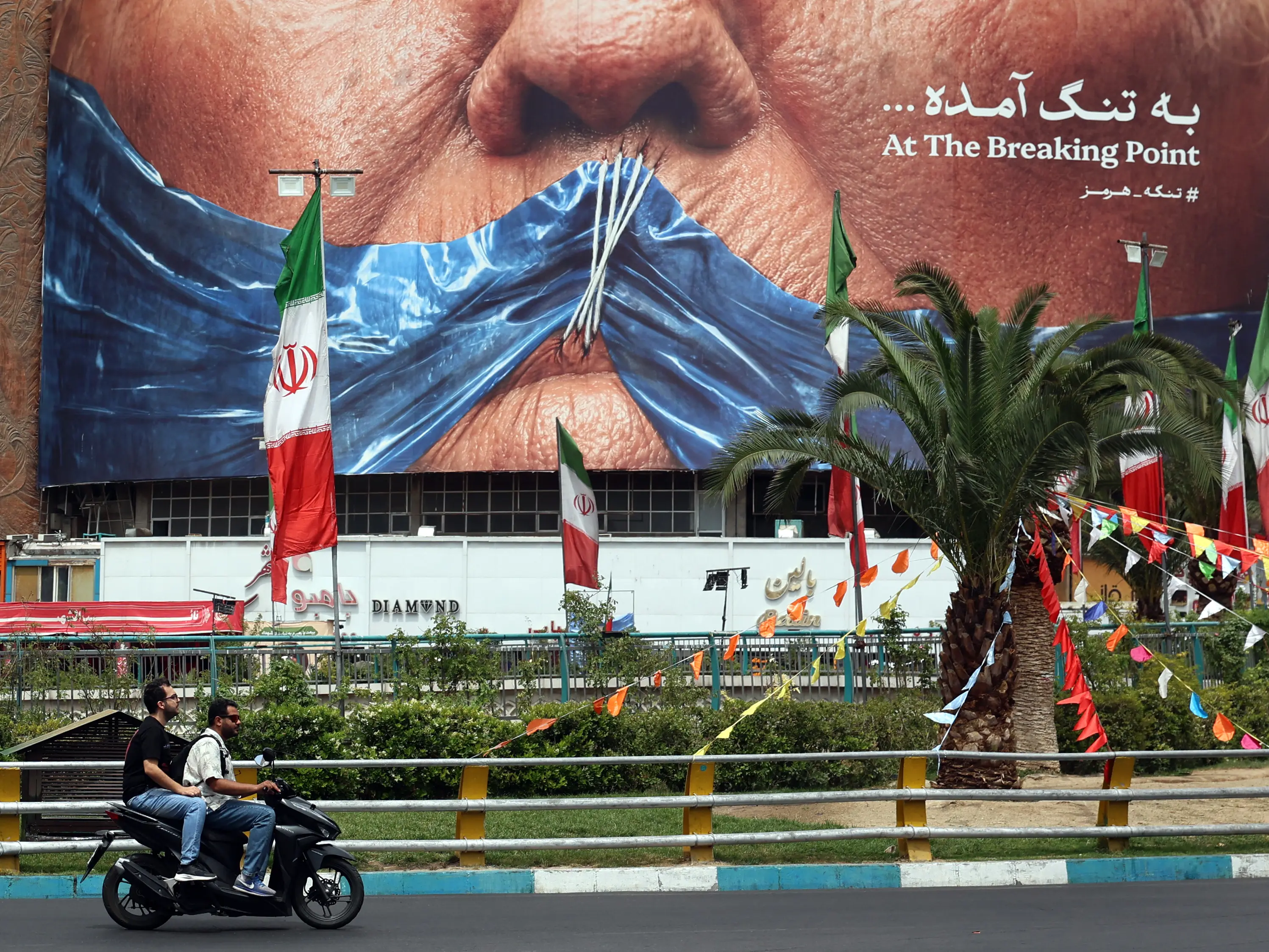
US intelligence agencies have assessed that Iran has gained effective control over the strategic Strait of Hormuz following the war involving the United States and Israel against the Islamic Republic, CNN reported, citing two sources.
The assessment said Tehran now has the ability to close the vital waterway whenever it chooses, giving Iran a powerful tool to influence the global economy. The development comes as a memorandum of understanding between Tehran and Washington, which is expected to be signed on Friday.
The agreement is mainly focused on reopening the key shipping route as a condition for further discussions, including nuclear talks and sanctions relief. However, intelligence assessments indicate that Iran demonstrated during the conflict that it could maintain control over the Strait of Hormuz despite joint efforts by the US and Israel and could completely block maritime traffic if required.
Iran uses energy routes as a strategic pressure tool
Iran has also shown its ability to target energy infrastructure in Gulf countries, which it used effectively during the war, CNN reported, citing a source. The move has provided Tehran with another asymmetric option that it could use in future negotiations.
A senior US official told CNN that Iran would not receive “any benefits” from the framework agreement unless the Strait of Hormuz remains open and Tehran follows the other commitments it accepted.
Trending Stories
&imwidth=180&imheight=135&format=webp&quality=medium)
'We don't think so': Trump says Russian plague lab worker's death not linked to bio-weapon
&im=FitAndFill=(700,400)&imwidth=180&imheight=135&format=webp&quality=medium)
US midterms 2026: 10 leaders and candidates to watch in the battle for Congress
&imwidth=180&imheight=135&format=webp&quality=medium)
Nana Patekar: Remembering a legend of the Indian cinema
&imwidth=180&imheight=135&format=webp&quality=medium)
Nicolas Maduro, wife likely to face new charges over alleged torture of US citizens: Report
&imwidth=180&imheight=135&format=webp&quality=medium)
‘Team first and team ahead’: India coach Gambhir pens heartfelt wish for chief selector Ajit Agarkar
&imwidth=180&imheight=135&format=webp&quality=medium)
IndiGo flight struck by lightning at 17,000 feet, nose of Patna-Lucknow flight damaged
&imwidth=180&imheight=135&format=webp&quality=medium)
Shia LaBeouf and Mia Goth head for divorce after nearly 10 years
&imwidth=180&imheight=135&format=webp&quality=medium)
France protests: How a Gen Z school movement turned into a political war | The Verdict
&imwidth=180&imheight=135&format=webp&quality=medium)
US Midterms 2026: Barack Obama hits campaign trail to boost Democratic candidates
&imwidth=180&imheight=135&format=webp&quality=medium)
Ronaldo sends 'a hug' after Messi says he misses 'wearing the blue and white'
&imwidth=180&imheight=135&format=webp&quality=medium)
Poland: 19-year-old stabs several at Polish vocational school
&imwidth=180&imheight=135&format=webp&quality=medium)
'They came in, they hit us': New videos show Iranian attacks on US Camp Buehring in Kuwait | Watch
&imwidth=180&imheight=135&format=webp&quality=medium)
'I should win it': Trump renews Nobel Peace Prize claim ahead of 2026 announcement
&imwidth=180&imheight=135&format=webp&quality=medium)
Nigerian President Bola Ahmed Tinubu hails Modi’s 25-year leadership milestone, calls for deeper Nigeria-India strategic ties
&imwidth=180&imheight=135&format=webp&quality=medium)
'Baseless and misconceived': India issues statement after Elon Musk's 'oligarchs' claim over Starlink delay
&imwidth=180&imheight=135&format=webp&quality=medium)
France holds talks with Taliban government amid diplomatic outreach
&imwidth=180&imheight=135&format=webp&quality=medium)
Christa Pike wakes after failed execution, asks 'Where am I and who are you?'
&imwidth=180&imheight=135&format=webp&quality=medium)
US readying to strike Iran? Report suggests Trump preparing to put on show of strength ahead of US midterms
&imwidth=180&imheight=135&format=webp&quality=medium)
Trump distances himself from senior political advisers over work for pro-Russian government
&imwidth=180&imheight=135&format=webp&quality=medium)
Christa Pike 'angry' and 'confused' after failed execution; judge orders to preserve evidence
&imwidth=180&imheight=135&format=webp&quality=medium)
Nana Patekar's #MeToo controversy: From Tanushree Dutta’s allegations to court ruling
&imwidth=180&imheight=135&format=webp&quality=medium)
Narendra Modi Stadium bomb threat declared hoax; India & Australia U19 squads safe
&imwidth=180&imheight=135&format=webp&quality=medium)
Veteran actor Nana Patekar dies at 75 after suffering cardiac arrest
&imwidth=180&imheight=135&format=webp&quality=medium)
US midterms 2026: Why the Latino vote could shape control of Congress
&imwidth=180&imheight=135&format=webp&quality=medium)
Captain Smit Machchhar on feet again, walks 10 steps as recovery continues after Flydubai flight attack
&imwidth=180&imheight=135&format=webp&quality=medium)
Trump to honour Elon Musk, Sergey Brin and Jensen Huang with top science honour at White House. Check the full list here
&imwidth=180&imheight=135&format=webp&quality=medium)
Trump's naked 23-karat gold statue unveiled near European Parliament
&imwidth=180&imheight=135&format=webp&quality=medium)
Lightning strikes IndiGo Patna-Lucknow flight at 17,000 feet, damages nose; all 110 safe
&imwidth=180&imheight=135&format=webp&quality=medium)
Mall of America attack: FBI arrests man over alleged ISIS-inspired mass shooting plot with AK-47 and 200 rounds
&im=FitAndFill=(700,400)&imwidth=180&imheight=135&format=webp&quality=medium)
World’s top vehicle producers: Top 10 countries making the most cars. Check where India stands
&imwidth=180&imheight=135&format=webp&quality=medium)
Musk alleges ‘oligarchs’ blocking Starlink in India, here is what we know so far
&imwidth=180&imheight=135&format=webp&quality=medium)
Russia warns Lithuania over nuclear weapons, Europe braces for massive hybrid attack | Gravitas
&imwidth=180&imheight=135&format=webp&quality=medium)
Jon Rahm quits LIV Golf as breakaway tour attempts to relaunch itself
&imwidth=180&imheight=135&format=webp&quality=medium)
Texas man executed by lethal injection; first US execution since botched Christa Pike execution
The official did not specify the benefits but said the US would reduce its blockade measures in line with Iran's restoration of shipping movement through the strait.
“If Iran 'performs, the relief follows, and American leverage holds the entire way”, the senior official added.
Even as both sides appear to have reached an agreement to reopen the waterway and end the current conflict, sources said Iran had been considering an economic “nuclear option” if talks with Washington collapse.
Under this plan, Iran could use the Houthis, its main proxy force in Yemen, to shut the Bab el Mandeb Strait, which links the Red Sea with the Indian Ocean. The waterway is another major global trade route and has played a key role in shipping during the months-long closure of the Strait of Hormuz.
Trump says Strait of Hormuz will fully reopen on Friday
The latest US intelligence assessment has raised questions about Iran’s ability to use global trade routes as leverage beyond the current agreement.
Earlier on Monday, US President Donald Trump said the Strait of Hormuz was “already partially opened” and would be fully reopened on Friday when the US and Iran are expected to formally sign the memorandum of understanding.
“They’re doing a little hunting for a couple of mines that they’ve already found, but … ships are starting to go out now,” Trump said during a meeting with French President Emmanuel Macron at the G7 summit. “On Friday, it’ll be completely open.”
“I don’t think we’re going to need much help, because we have an agreement where it’s going to be open, and it’s toll-free. We had a little argument on that; it’s toll-free,” Trump added.
However, Trump has not provided details on how any future agreement would stop Iran from taking similar action again, especially after the US removes its naval blockade and reduces its military presence in the region.
