
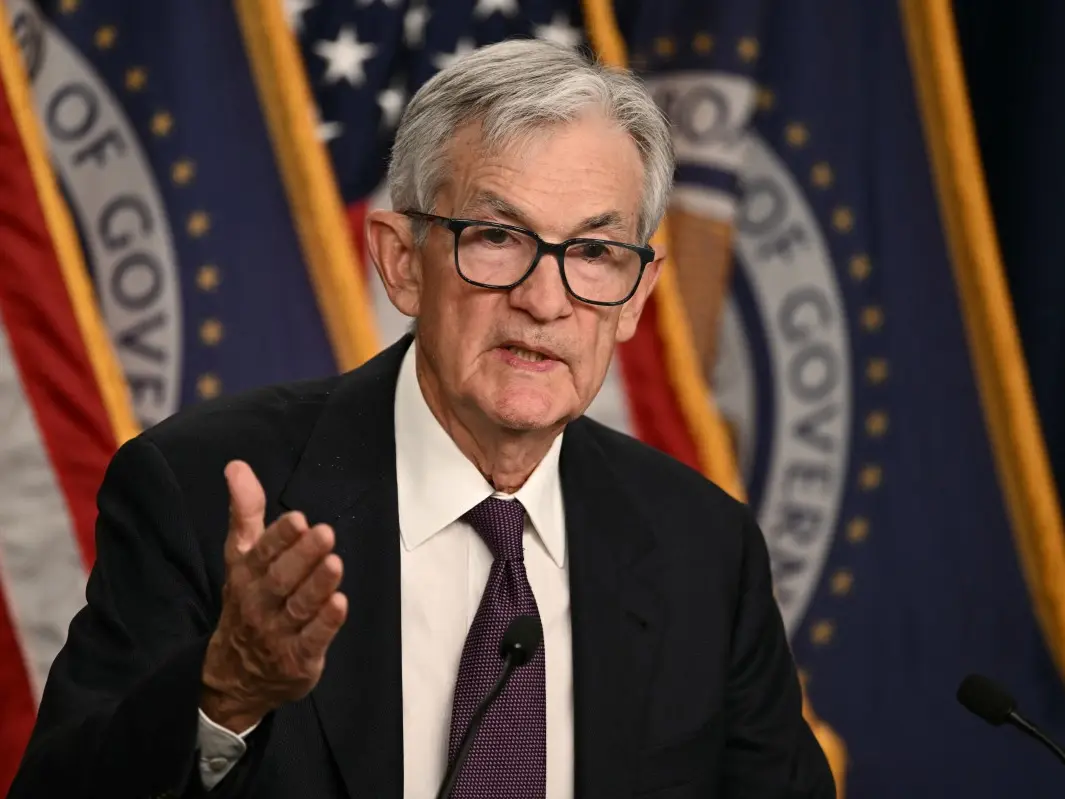
&imwidth=800&imheight=600&format=webp&quality=medium "US Fed holds rates in Jerome Powell's likely last meeting as Chair amid rising inflation and rare internal split")
A divided Federal Reserve kept interest rates unchanged for the third consecutive meeting on Wednesday (April 29), citing uncertainty driven by the Middle East conflict. The decision, made under Chair Jerome Powell, may mark his final meeting as the central bank's leader. "Inflation is elevated, in part reflecting the recent increase in global energy prices," the Fed said. Rates remain in the 3.50% to 3.75% range. However, dissent was notable; four of 12 voting members opposed the decision. Stephen Miran pushed for a quarter-point rate cut, while Beth Hammack, Neel Kashkari, and Lorie Logan supported holding rates but rejected the Fed’s signal toward future cuts. This marks the highest level of dissent since 1992, highlighting growing divisions within the central bank.
The Fed had been gradually cutting rates since late last year, but the ongoing US-Israel conflict involving Iran has increased energy costs and disrupted supply chains. Analysts now warn inflation risks could shift policy back toward rate hikes. The decision comes during a volatile economic period. Donald Trump has repeatedly criticized Powell for not cutting rates faster. Powell is also expected to address whether he will remain on the board after his term as chair ends on May 15. Meanwhile, Trump’s nominee for Fed chair, Kevin Warsh, moved closer to confirmation after the Senate Banking Committee approved his nomination.
Also Read: Salim Dola deportation: India and Turkey continue cooperation on terrorism and transnational crime

Democrats, including Elizabeth Warren, warned the move could undermine Fed independence, while Raphael Warnock cited "persistent threats" from Trump toward the central bank. Trump has also targeted Fed officials, including Lisa Cook, and backed a Justice Department probe into the Fed, later dropped, raising concerns about political interference.
Despite pressure, Powell has pledged transparency and may remain on the board until 2028. Analysts suggest his continued presence could stabilize the institution during the leadership transition. The Fed continues to balance its dual mandate—controlling inflation and supporting employment—as rising energy costs threaten both price stability and economic growth.
Trending Stories
)
Why asking questions could be more important than memorising answers
)
BRICS Summit 2026 full schedule: Day-wise agenda, timings and key issues - All you need to know
)
BRICS Summit 2026: Iran's Pezeshkian praises PM Modi at BRICS
)
Why dehydration is the hidden cause of travel fatigue on long flights
)
Top 5 places to visit in Goa beyond its famous beaches
)
'He is popular...': Malaysian PM Anwar Ibrahim's praise for PM Modi during bilateral meeting | WATCH
)
BRICS Summit 2026: 30+ countries seek BRICS membership
)
Frustrated man demolishes his kitchen after thousands flock to see Mother Mary his wife spotted on the wall
)
BRICS Summit 2026: PM Modi, Xi reach key consensus on ties, China to assume BRICS chairmanship in 2027
)
Trump says Canada eager to reach a deal, it could come ‘fairly soon’ if Ottawa treats US farmers better
)
From drones to KAAN fighters: Turkey outlines 229% surge in defence spending amid regional shifts
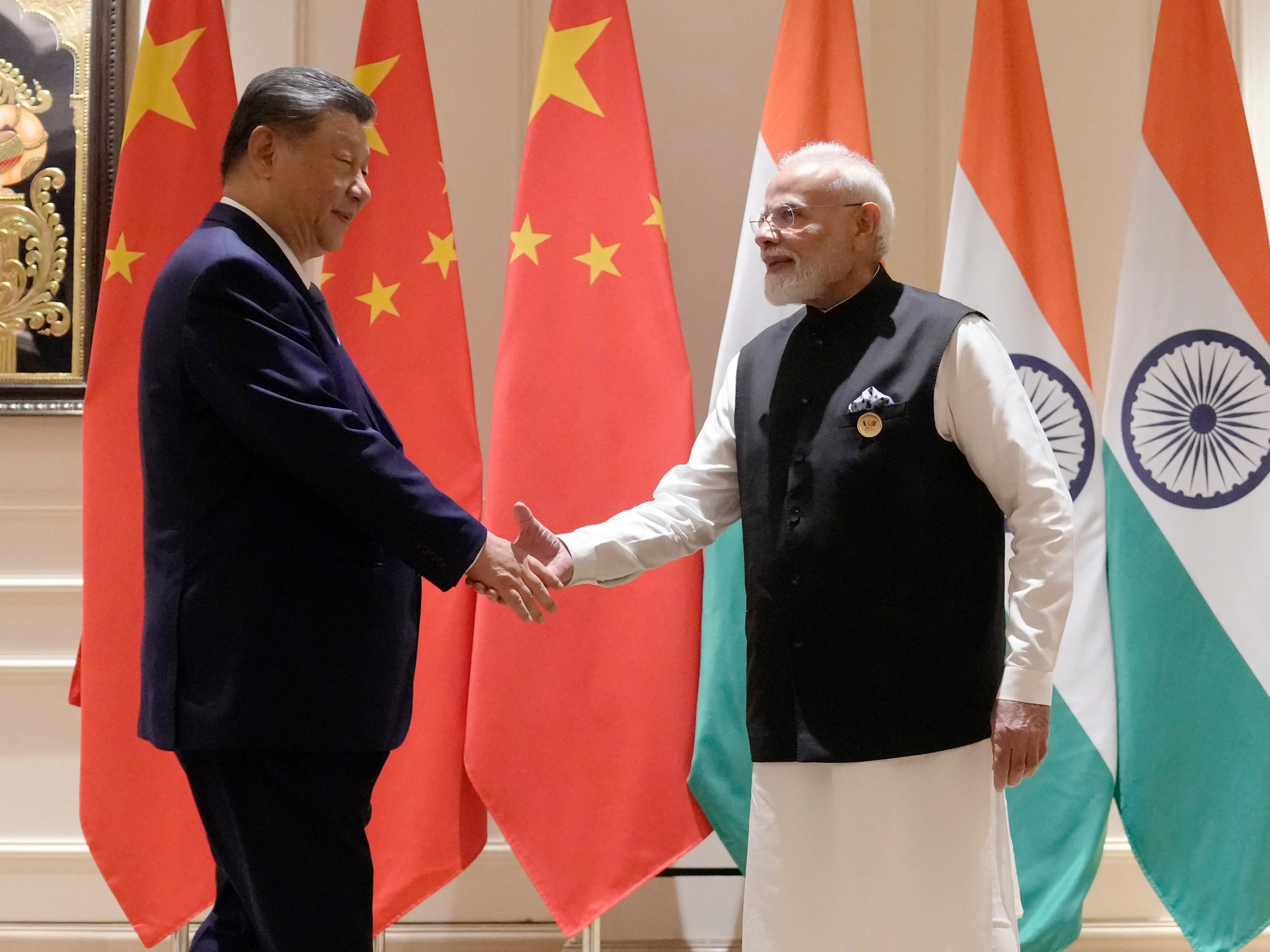)
‘Partners, not rivals’: Xi outlines four point plan for stronger India-China ties
)
Could staying indoors all day affect your health?
)
Bigg Boss 20: Uditi Singh reacts to ex Karan Wahi’s possible wildcard entry
)
Why going digital does not always mean becoming more efficient
)
800 million years old - Scientists discover 'fingerprints' of supercontinent Gondwana in ancient rocks
)
ENG vs PAK: Joe Root breaks Sachin Tendulkar’s record for most Test fifties
)
Israel spent nearly $470,000 on PM's hair, makeup since 2019, data shows
)
From severe mobility problems to recovery: Madhuri the elephant’s journey of wildlife care
)
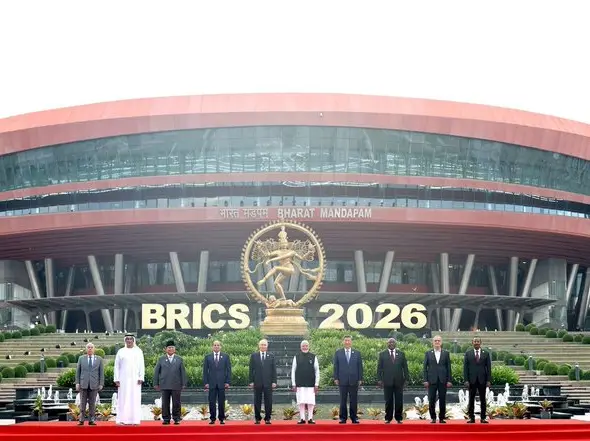
BRICS Summit day 1: New Delhi declaration adopted with full consensus, big diplomatic win for India
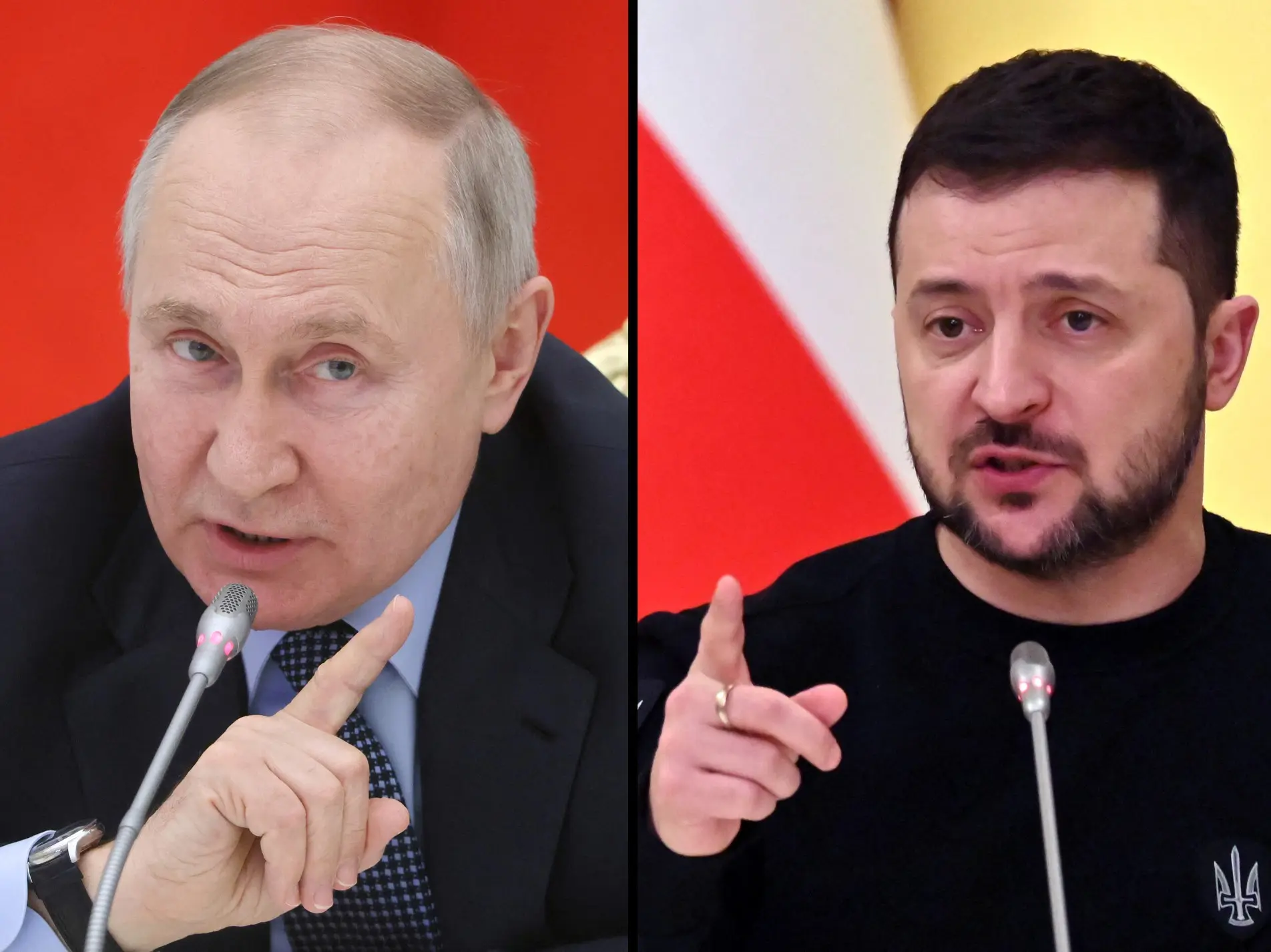)
From India, Putin warns Europe against sending troops to Ukraine, Zelensky expresses willingness to meet him at G20 Summit
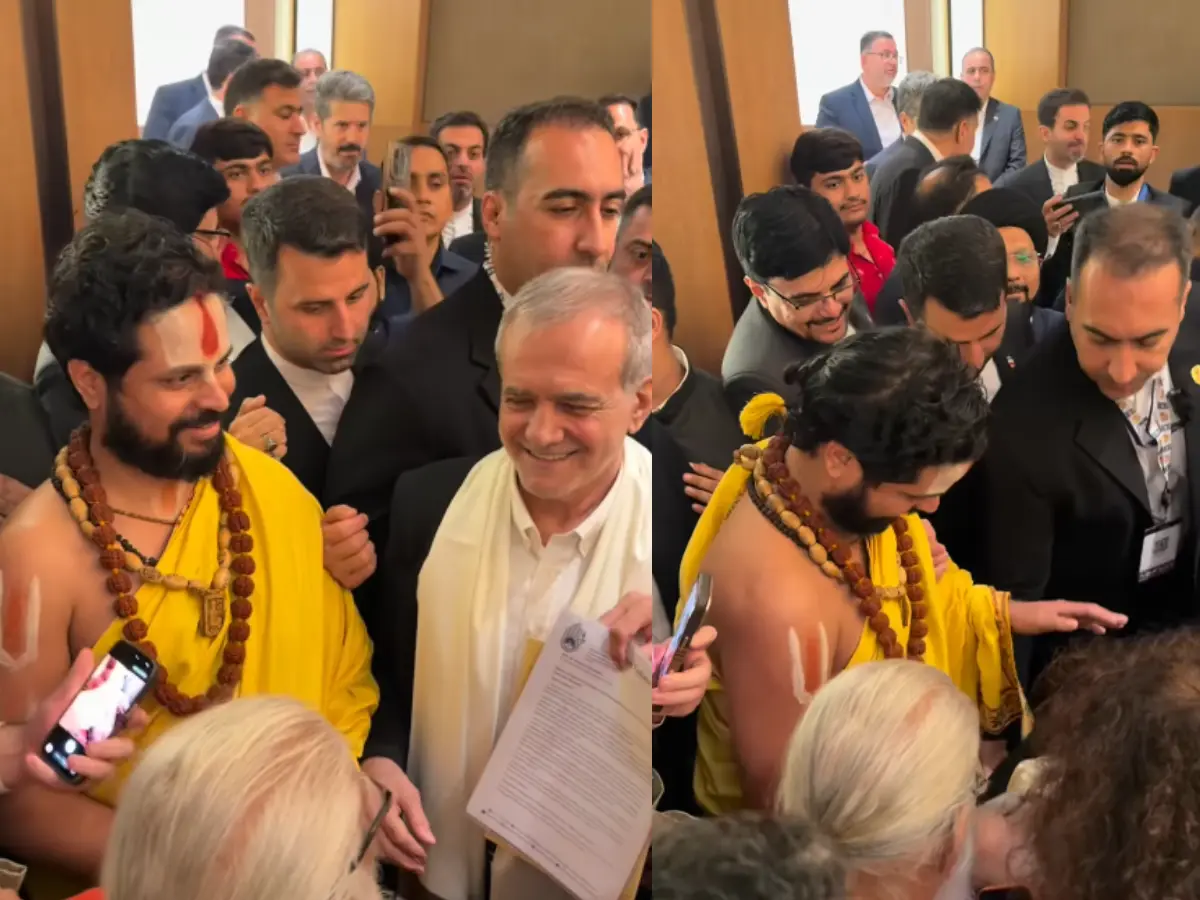)
Did Iran President Pezeshkian touch feet of Hindu spiritual leader at Delhi event as shown in viral video?
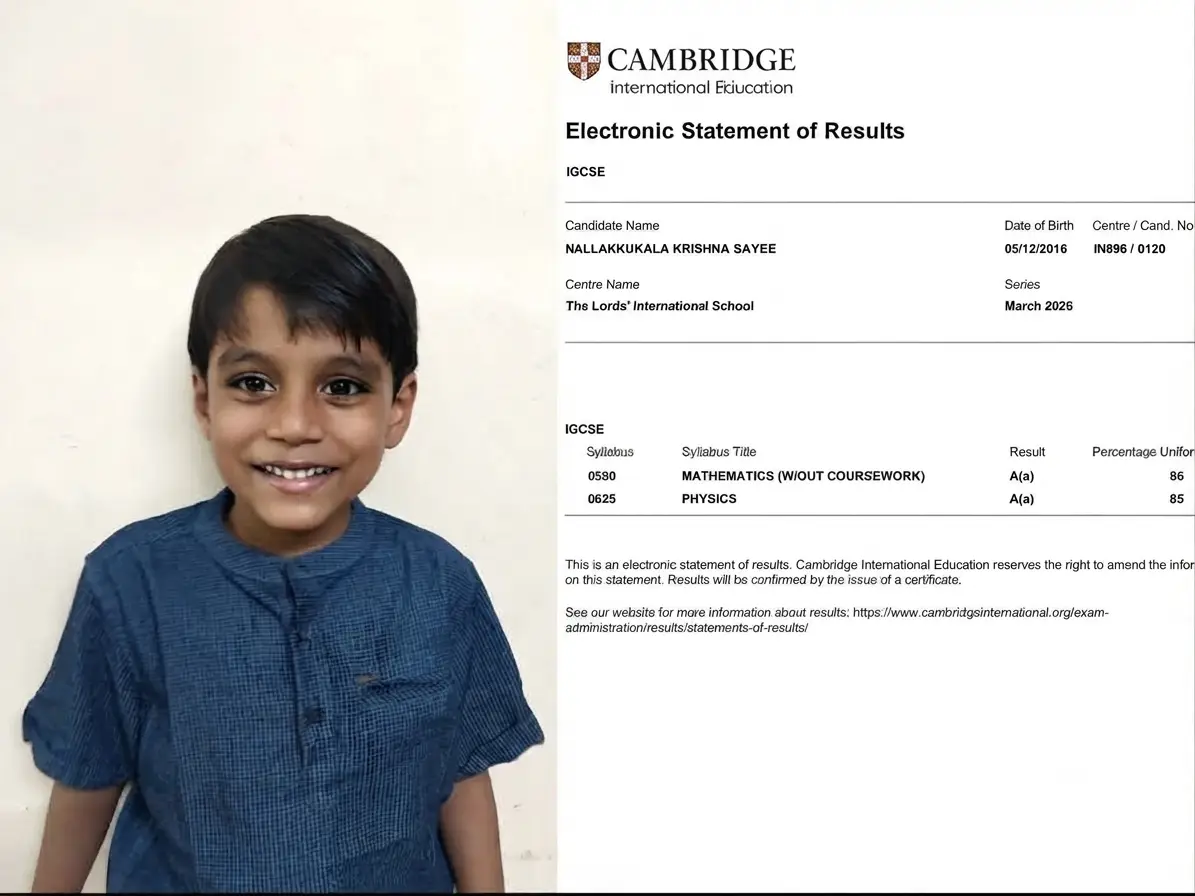)
9-year-old Chennai prodigy clears Cambridge IGCSE grade 10 exams
)
9/11 attack anniversary: The day that changed America forever
)
Why does your body need time to adjust after a long journey?
)
Baba Vanga's first prophecy for 2027 is out, and straight out of science fiction
)
BRICS declaration calls for stronger people ties, women-led growth and greater youth cooperation
)
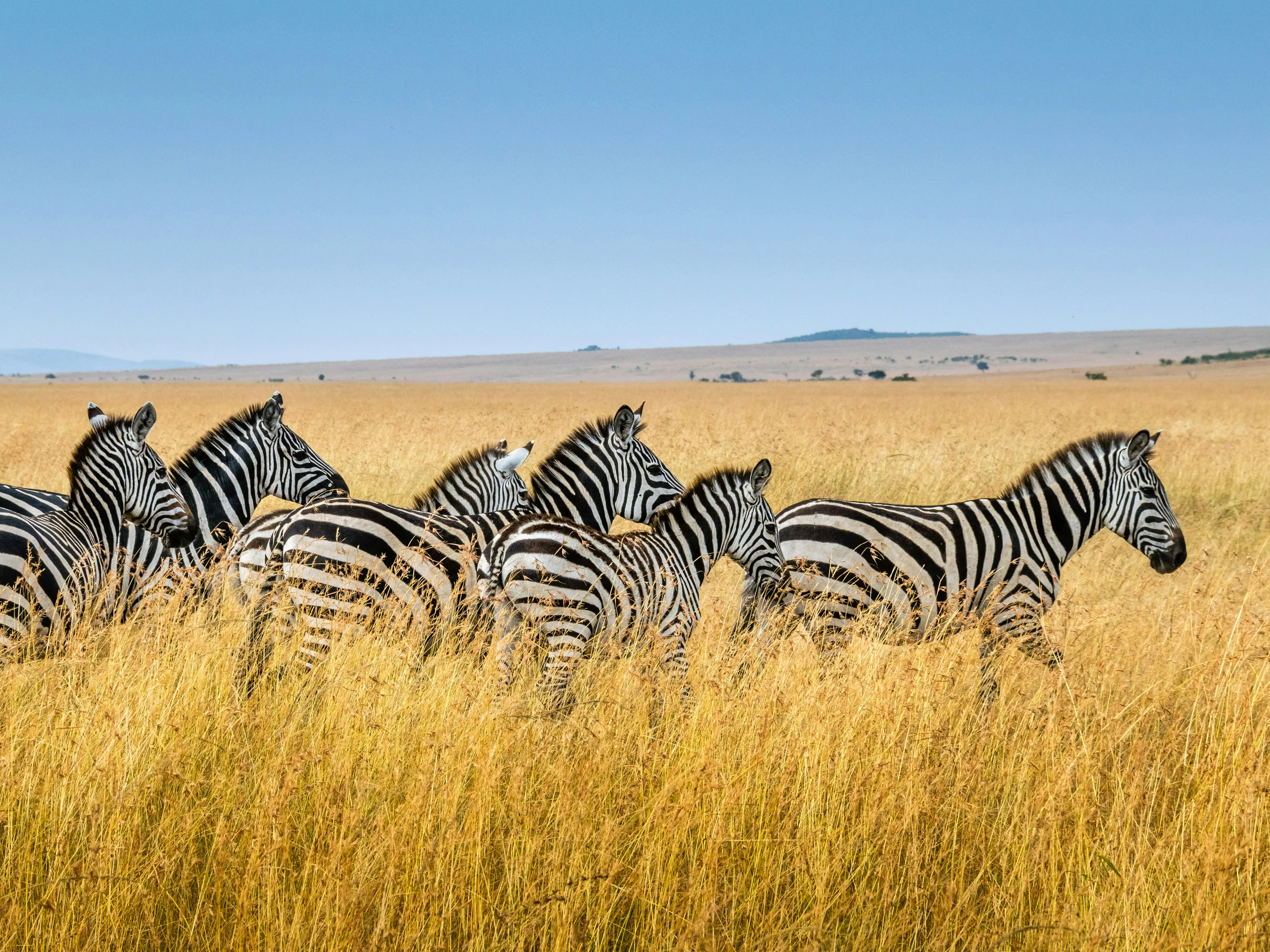
Why does your skin need protection from UV rays?
)
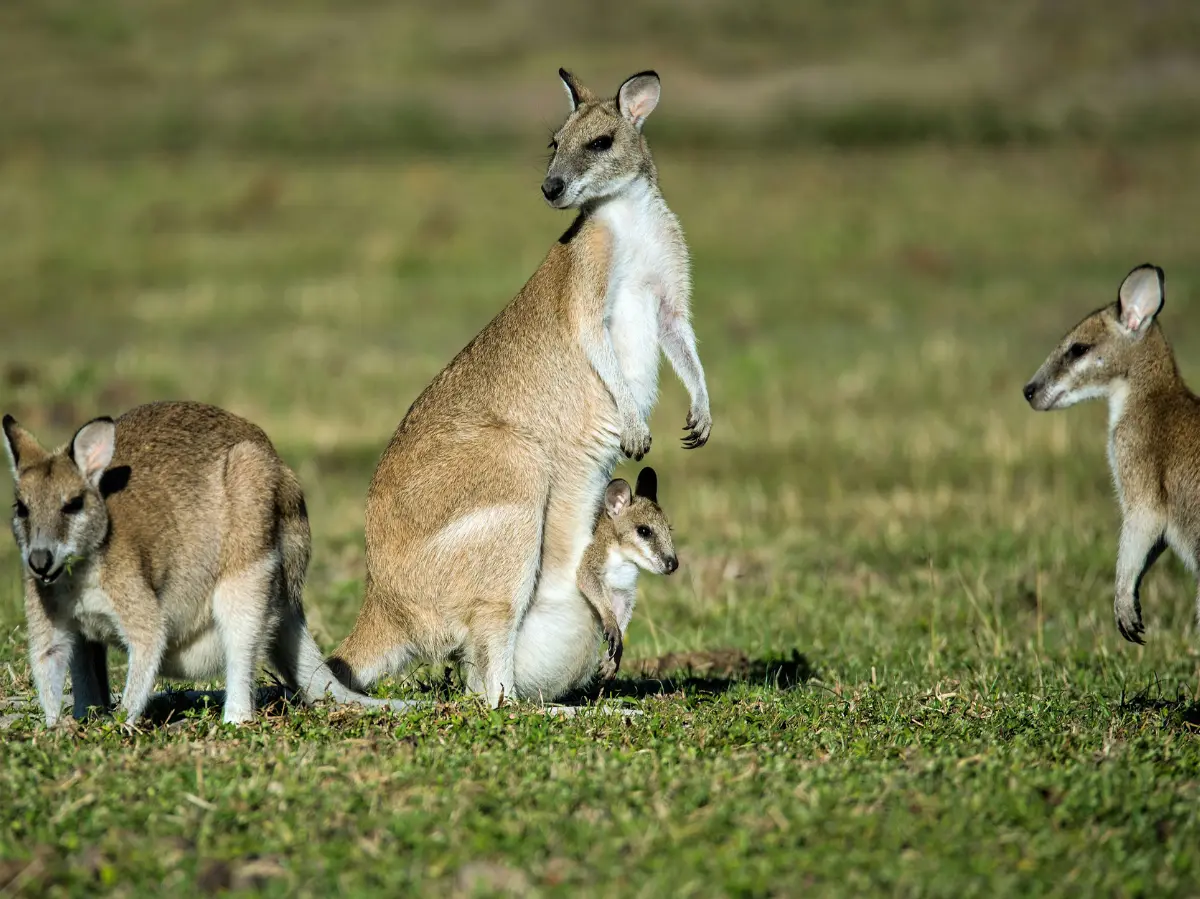
How does the loss of forests affect the way wildlife lives and moves?
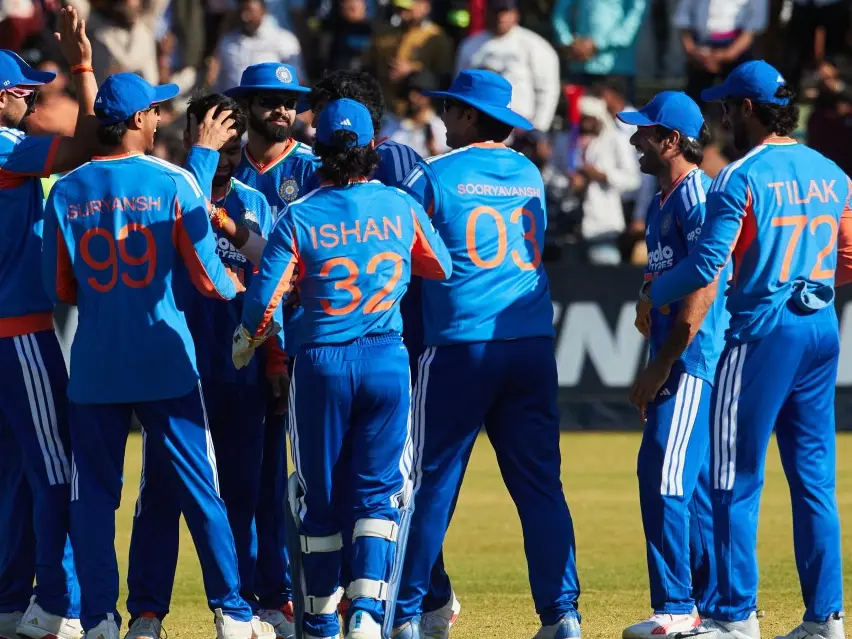)
IND vs AFG, 1st T20I: When and where to watch live streaming in India?
)
Anthropic is giving Claude to schools free, and the reason is not philanthropy
)
BRICS Summit: China resumes Guangzhou-New Delhi flight, issues 'good-neighbourliness' remark ahead of Xi-Modi meet
)
Why do wild animals need quiet places to survive?
)
Humans may lose control of AI: Anthropic CEO calls for slowdown, Altman, Musk back him

