UN applauds India's increase in life expectancy and per capita income

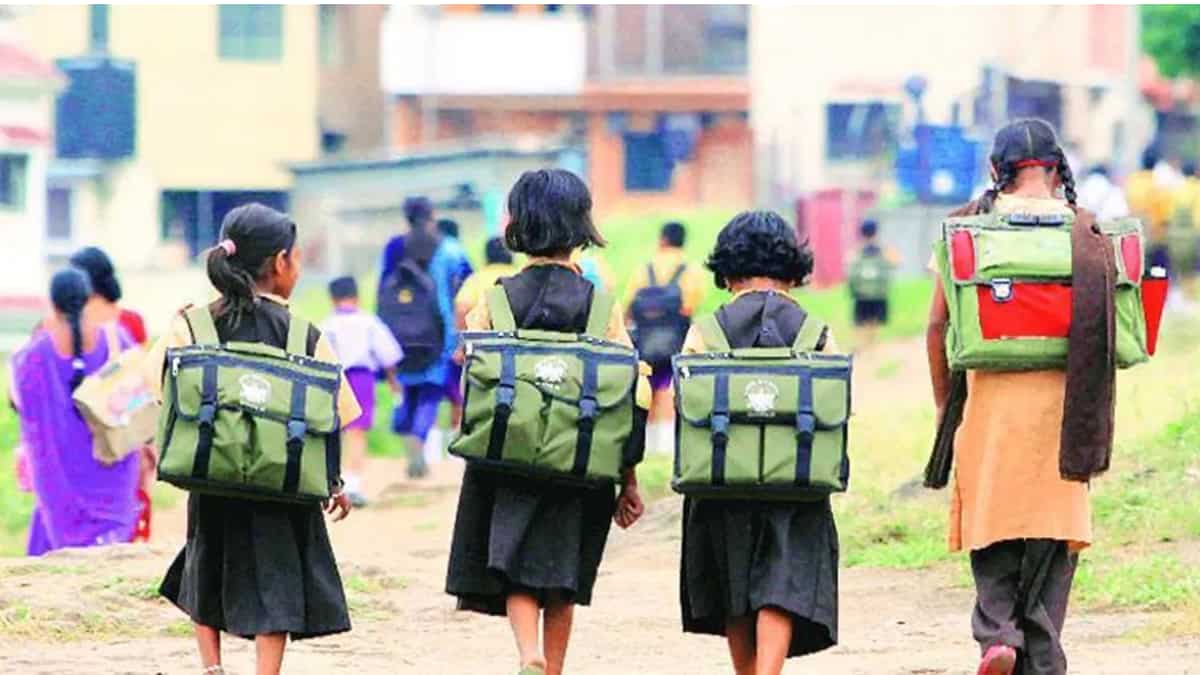
For representative use.
The United Nations' Human Development Index (HDI) report has revealed that India's average life expectancy reached 67.7 years in 2022, up from 62.7 years the previous year. Additionally, India's gross national income (GNI) per capita has surged to $6951, marking a 6.3 per cent increase over the span of 12 months.
The HDI report also noted a rise in expected years of schooling, reaching 12.6 per individual.
India attained an HDI score of 0.644 in 2022, positioning it at 134 out of 193 countries in the UN's 2023/24 report titled 'Breaking the Gridlock: Reimagining Cooperation in a Polarised World.' This categorises India under 'medium human development.'

Notably, India's HDI score for 2022 witnessed an increase following a decline in the previous year and a stagnant trend in preceding years. With India's HDI in 1990 standing at 0.434, the 2022 score reflects a positive change of 48.4 per cent.
HDI assesses average achievements in three fundamental dimensions of human development: long and healthy life, access to education and a decent standard of living.
)
Nigeria: Protesters take to the streets, police fire shots
)
US-Iran war: Tehran draws red lines — seven demands before any peace talks
&im=FitAndFill=(700,400))
‘Not the US or China’: These are the countries leading the world in arable land
)
Mark Carney mimics Trump in hilarious moment over C$70 billion clean-energy investment; room erupts in laughter
)
Pentagon revives mandatory testosterone testing for male troops aged 30 and above
)
Iran rebuilding nuclear facilities? New satellite images show Tehran may be rapidly restoring bombed Parchin base
)
FACT CHECK: Why did PM Modi ask Xi ‘is it okay’ at BRICS Summit? New video reveals...
)
China may have gained access to US's classified F-35 jets; parts meant for repairs diverted to Hong Kong, sparking Pentagon inquiry
)
Trump announces ‘AI Force’ as debate grows over AI risks and regulation
)
Iran sets 7 conditions to end war with US: What are Tehran’s demands?
)
Trump defends AI amid growing alarm, announces new 'AI force' and promises an 'AI czar'
)
Gaza under attack: Health chief's son killed in IDF strikes
)
Arvind Kejriwal, family members, Delhi CM Rekha Gupta get SIR notices
)
Cochin shipyard starts building Indian Navy's next-gen missile vessels
)
Russia extends ban on Western food imports for two more years in extended sanctions countermeasure
)
Brigitte Bardot’s private collection set for Paris auction; key items and prices revealed
)
How did an Australian river with 500 crocodiles pass the Olympic test? Here's how
)
‘Will go to any extent’: Pakistan vows to defend Saudi Arabia amid Houthi attacks
&im=FitAndFill=(700,400))
Ananya Panday to Sharvari: 5 actresses serving major princess vibes
66 years of the Indus Waters Treaty: How India and Pakistan settled a bitter river dispute
)
The Verdict | When precision fails: US commits war crime in Minab school strike, UN finds
)
Trump signs Russia sanctions bill into law, targets Moscow’s energy sector
)
Pak: A series of counter terrorism operations in Khyber Pakhtunkhwa
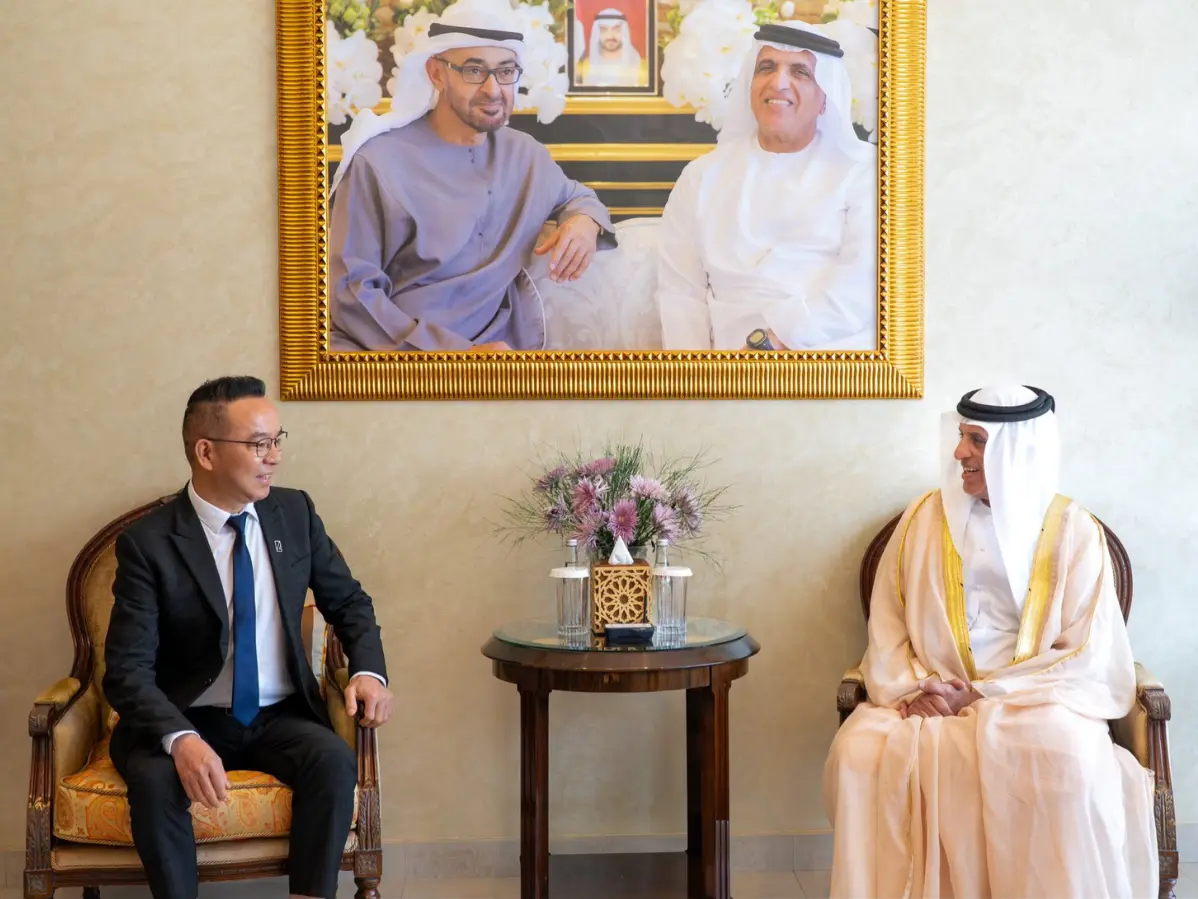)
Flying cars in UAE: Ras Al Khaimah signs deal with Chinese company to test new transport
)
Reacher star Alan Ritchson opens up about alleged blackmail, suicide attempt during difficult period
)
Africa is splitting, and a lot sooner than estimated, giving way to a new ocean
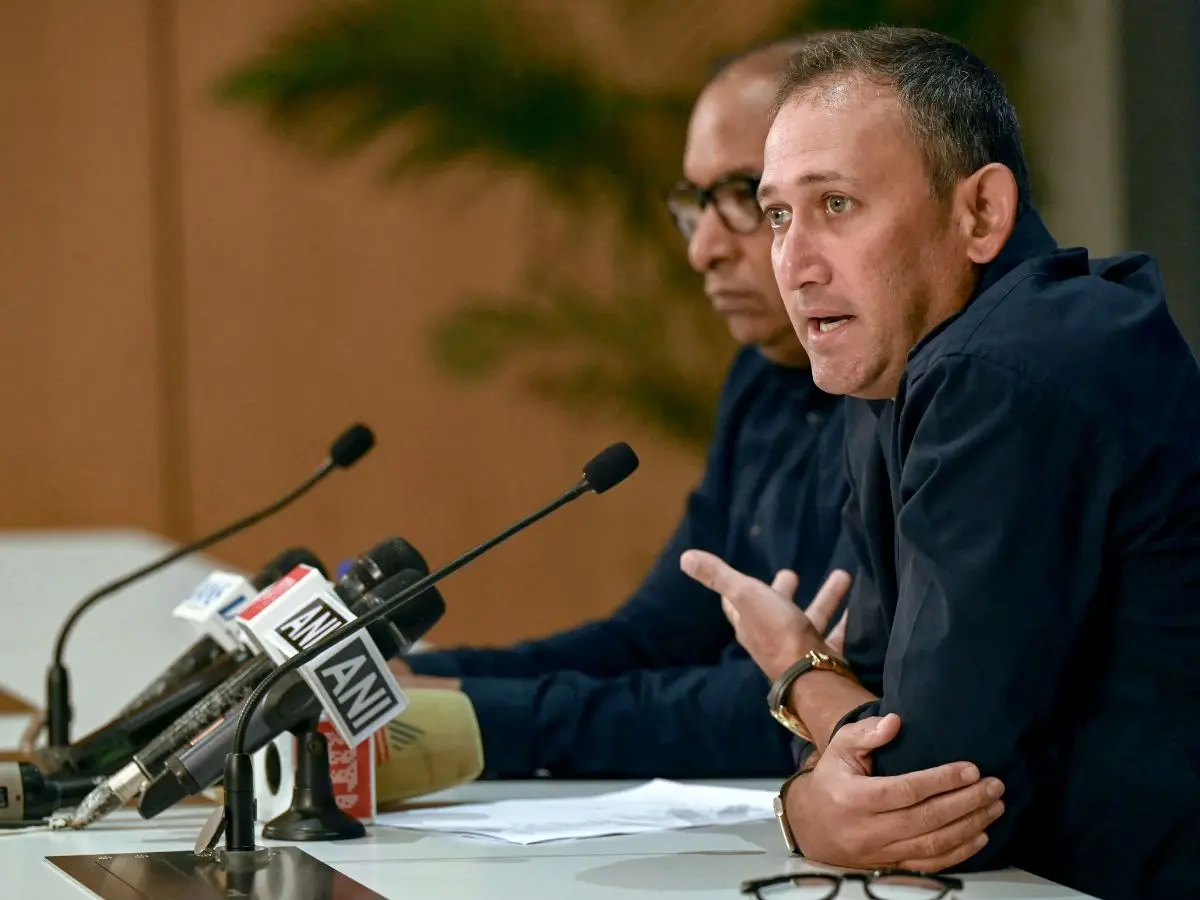)
Ajit Agarkar’s future as chief selector to be decided at right time, says BCCI secretary
)
Trump bans CNN, MS NOW and Politico from White House over ‘FAKE NEWS’
)
Trump 2.0: Dark days ahead for America’s ‘imperial presidency’
&im=FitAndFill=(700,400))
How many F-35s does Britain, Japan and Israel have?
)
Harry Brook targets long reign at top of T20I rankings after Sri Lanka sweep
)
Tirupati Laddu ghee adulterated with chemicals, says ED, supplier arrested
)
Russia holds first parliamentary elections since the beginning of the Ukraine war
&im=FitAndFill=(700,400))
Meet top 5 Indian batters with fastest T20I centuries
)
‘System run by six individuals’: Rahul Gandhi targets PM Modi, Amit Shah, NSA Doval
)
Caitlin Wiesen, the United Nations Development Programme's country representative, commented on India's progress in human development, highlighting significant advancements since 1990.
Notable achievements include a 9.1-year increase in life expectancy at birth, a rise of 4.6 years in expected years of schooling, and an increase of 3.8 years in mean years of schooling.
Additionally, India's GNI per capita has seen substantial growth, approximately amounting to a 287 per cent increase.
Report on Gender Inequality
The report also noted India's strides in reducing gender inequality, highlighting a Gender Inequality Index (GII) of 0.437, surpassing the global average. On the GII list, which evaluates countries based on reproductive health, empowerment, and labor market participation, India ranks 108 out of 166 nations.
India's performance in reproductive healthcare surpasses other countries in the 'medium HDI' category, with the adolescent birth rate in 2022 at 16.3 births per 1,000 women aged 15-19, an improvement from 17.1 in 2021. However, there remains a significant gap of 47.8% between men and women in labour force participation rates.
Caitlin Wiesen emphasised India's ongoing efforts to enhance citizens' quality of life, acknowledging progress while urging further advancements, particularly in women-led development. She emphasized the potential for socio-economic progress and a more equitable future through renewed focus.
The government attributes these improvements to a decisive agenda aimed at empowering women through policy initiatives geared toward long-term socio-economic and political development. The Ministry of Women and Child Development highlighted initiatives spanning women's lifecycles, including those focused on education, skill development, entrepreneurship, and workplace safety.
Global HDI Values
For the second consecutive year, global Human Development Index (HDI) values have declined, marking a first-time occurrence. The United Nations has raised concerns over the widening disparity between affluent and impoverished nations, attributing this crisis to the persistent impact of the COVID-19 pandemic.
"Prior to the crisis, the world was on a trajectory to achieve an average 'very high' HDI by 2030, aligning with the Sustainable Development Goals (SDGs) deadline. However, we are now deviating from that path, with every region falling short of its pre-2019 projections," the report stated.
In essence, the anticipated levels of human development by this time have not been reached due to COVID-19, and the subsequent 'partial' recovery is exacerbating inequality, leaving the most vulnerable populations behind and fueling global political polarisation.
(With inputs from agencies)