UK train strikes next week to disrupt Christmas travel despite new timetable

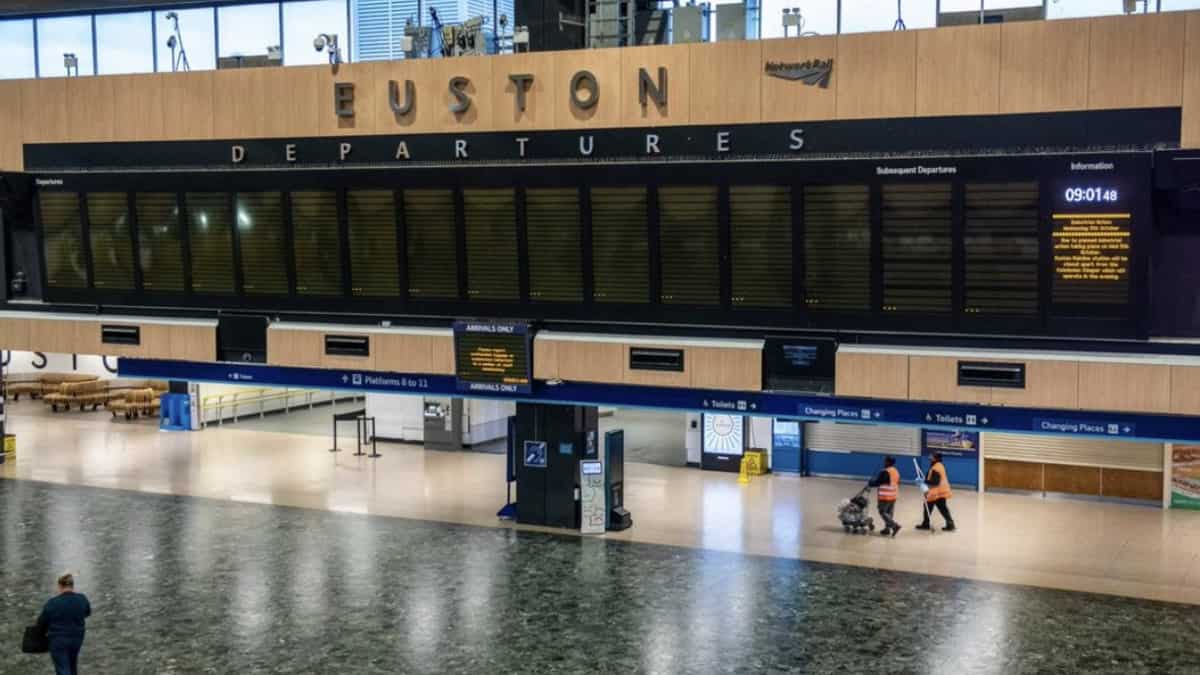
UK railway strikes
The biggest-ever rail strike in Britain will kick off next week, disrupting most of the services around the country. The railway strike will be four days long, which is one of the biggest disruptions to the network since the late 1980s.
Rail passengers have been advised to carefully check schedules this week, as new timetables with additional services are set to be introduced on Sunday and Monday, almost coinciding with four days of strikes that will stop 80 per centof trains across the UK starting on Tuesday.
Passengers are urged not to travel on Tuesdays, Wednesdays, Fridays, and Saturdays as the RMT, TSSA, and Unite unions willall go on strike in a long-running dispute over pay, working conditions, and job security.On these days, approximately half of the rail network will be closed, with only one-fifth of services willoperateduring limited hours from 7.30 am. to 6.30 pm.

But thisis only the beginning. The infrastructure operator, Network Rail, has warned of reduced service and some disruption every day from 13Decemberto 8January, including a complete shutdown of the network in the first week of the new year as commuters, return to work. For the remainder of that time, a combination of limited industrial action and the annual pre-planned Christmas engineering works will result in a reduced timetable on the railway.
Chancellor Jeremy Hunt warned on Friday that increasing public sector pay increases would jeopardise efforts to bring soaring inflation under control. He said, "We just have to be really careful not to agree to pay demands that have the opposite of the intended effect because they lock in high inflation".
The strikes will have an economic impact on the hospitality industry, especiallyduring its busiest trading period. According to UKHospitality, an industry body, the revenue loss could total £1.5 billion, with approximately 30 per cent of Christmas bookings cancelled on strike days.
Air passengers have been warned to expect long lines at passport control over the holidays, as Border Force staff at six airports will be on strike from 23 December to 31 December. Airports and airlines have issued alerts, but are awaiting details on the Home Office's contingency plans, which include bringing in 600 soldiers to staff passport kiosks, before deciding whether to cancel any flights.