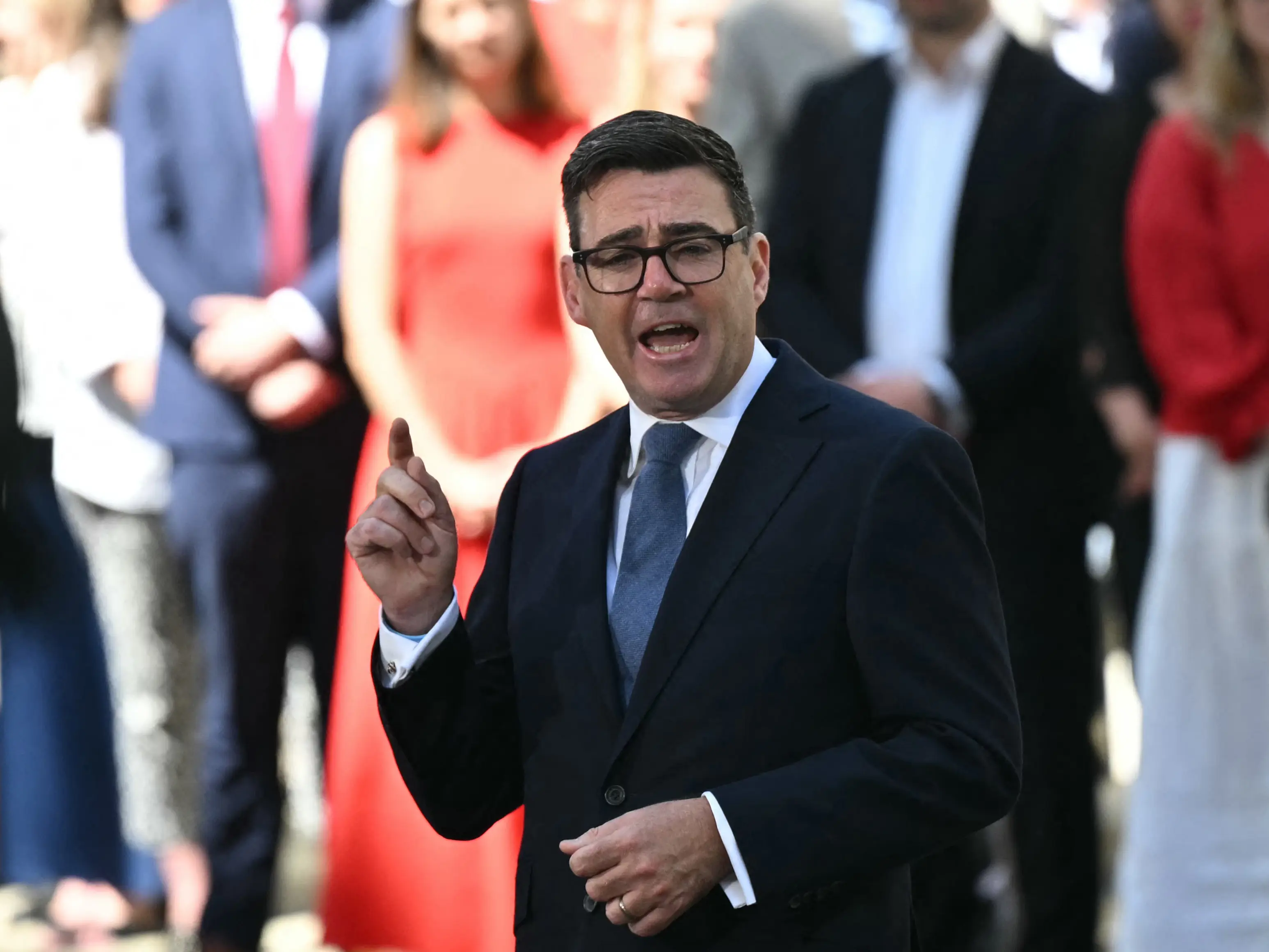
UK's new PM Andy Burnham announces tax cut on household electricity bills to ease cost-of-living crisis

&imwidth=600&imheight=450&format=webp&quality=medium "UK's new PM Andy Burnham announces tax cut on household electricity bills to ease cost-of-living crisis")
Photograph: (AFP)
Andy Burnham scrapped former PM Keir Starmer's digital ID scheme to fund a tax cut on household electricity bills and ease cost-of-living pressures.
UK Prime Minister Andy Burnham on Tuesday launched his plan to ease cost-of-living pressures by removing value added tax (VAT) from household electricity bills, ahead of his first Cabinet meeting as prime minister.
The Labour leader, who took office on Monday, said the government would remove VAT from energy bills from October. The move will cost the government about £850 million ($1.143 billion) during the current financial year.
"We're taking immediate action to cut taxes on energy bills, put more money in people's pockets and bring back hope," Burnham said in a statement.
The tax cut will save an average household around £45 a year, according to the government.
The government said the measure would particularly benefit poorer households, which spend a larger share of their income on energy bills.
The policy will take effect in October, when the UK energy regulator expects to raise its price cap on electricity and gas bills. The government linked the expected increase to the ongoing US-Iran war.
Trending Stories
&im=FitAndFill=(700,400)&imwidth=280&imheight=210&format=webp&quality=medium)
&imwidth=280&imheight=210&format=webp&quality=medium)
&imwidth=280&imheight=210&format=webp&quality=medium)
&imwidth=280&imheight=210&format=webp&quality=medium)
&imwidth=280&imheight=210&format=webp&quality=medium)
&imwidth=280&imheight=210&format=webp&quality=medium)
&imwidth=280&imheight=210&format=webp&quality=medium)
&imwidth=280&imheight=210&format=webp&quality=medium)
&imwidth=280&imheight=210&format=webp&quality=medium)
&imwidth=280&imheight=210&format=webp&quality=medium)
&imwidth=280&imheight=210&format=webp&quality=medium)
&imwidth=280&imheight=210&format=webp&quality=medium)
&imwidth=280&imheight=210&format=webp&quality=medium)
&im=FitAndFill=(700,400)&imwidth=280&imheight=210&format=webp&quality=medium)
&imwidth=280&imheight=210&format=webp&quality=medium)
&imwidth=280&imheight=210&format=webp&quality=medium)
&imwidth=280&imheight=210&format=webp&quality=medium)
&imwidth=280&imheight=210&format=webp&quality=medium)
&imwidth=280&imheight=210&format=webp&quality=medium)
&imwidth=280&imheight=210&format=webp&quality=medium)
&im=FitAndFill=(700,400)&imwidth=280&imheight=210&format=webp&quality=medium)
&imwidth=280&imheight=210&format=webp&quality=medium)
&imwidth=280&imheight=210&format=webp&quality=medium)
&im=FitAndFill=(700,400)&imwidth=280&imheight=210&format=webp&quality=medium)
&imwidth=280&imheight=210&format=webp&quality=medium)
&imwidth=280&imheight=210&format=webp&quality=medium)
&imwidth=280&imheight=210&format=webp&quality=medium)
&imwidth=280&imheight=210&format=webp&quality=medium)
&imwidth=280&imheight=210&format=webp&quality=medium)
&imwidth=280&imheight=210&format=webp&quality=medium)
&imwidth=280&imheight=210&format=webp&quality=medium)
&imwidth=280&imheight=210&format=webp&quality=medium)
&imwidth=280&imheight=210&format=webp&quality=medium)
&imwidth=280&imheight=210&format=webp&quality=medium)
Burnham scraps Starmer's digital ID plan to fund tax cut
The government said it would fund the energy tax cut by cancelling former Prime Minister Keir Starmer's proposed digital ID scheme. The scheme would have cost taxpayers £1.8 billion.
Burnham has also pledged to reduce pressure on small businesses, which faced tax increases under the previous Labour government. However, the new prime minister has promised to maintain strict fiscal discipline. He said the government would continue to balance tax revenues with day-to-day public spending.
Official figures released on Tuesday showed that UK government borrowing fell more than expected in June. The data provided a boost to new Finance Minister John Healey, who replaced Rachel Reeves.
Public sector net borrowing stood at £16 billion in June, down by one-third from the same month last year, the Office for National Statistics (ONS) said.
UK job vacancies fall as Burnham faces economic challenge
Meanwhile, employers cut job vacancies in June, highlighting the fragile state of the UK economy amid the conflict in the Middle East.
Job vacancies fell to 712,000, nearly half the level recorded in 2022. Employers delayed hiring new staff in the three months to May, according to the ONS.
Separate figures showed that the unemployment rate remained unchanged at 4.9% in May, the same level as in April.
The figures highlight the challenge facing Burnham as he seeks to revive economic growth and strengthen the UK's labour market.