

&imwidth=800&imheight=600&format=webp&quality=medium "UK Deputy Prime Minister Angela Rayner resigns. Here's why")
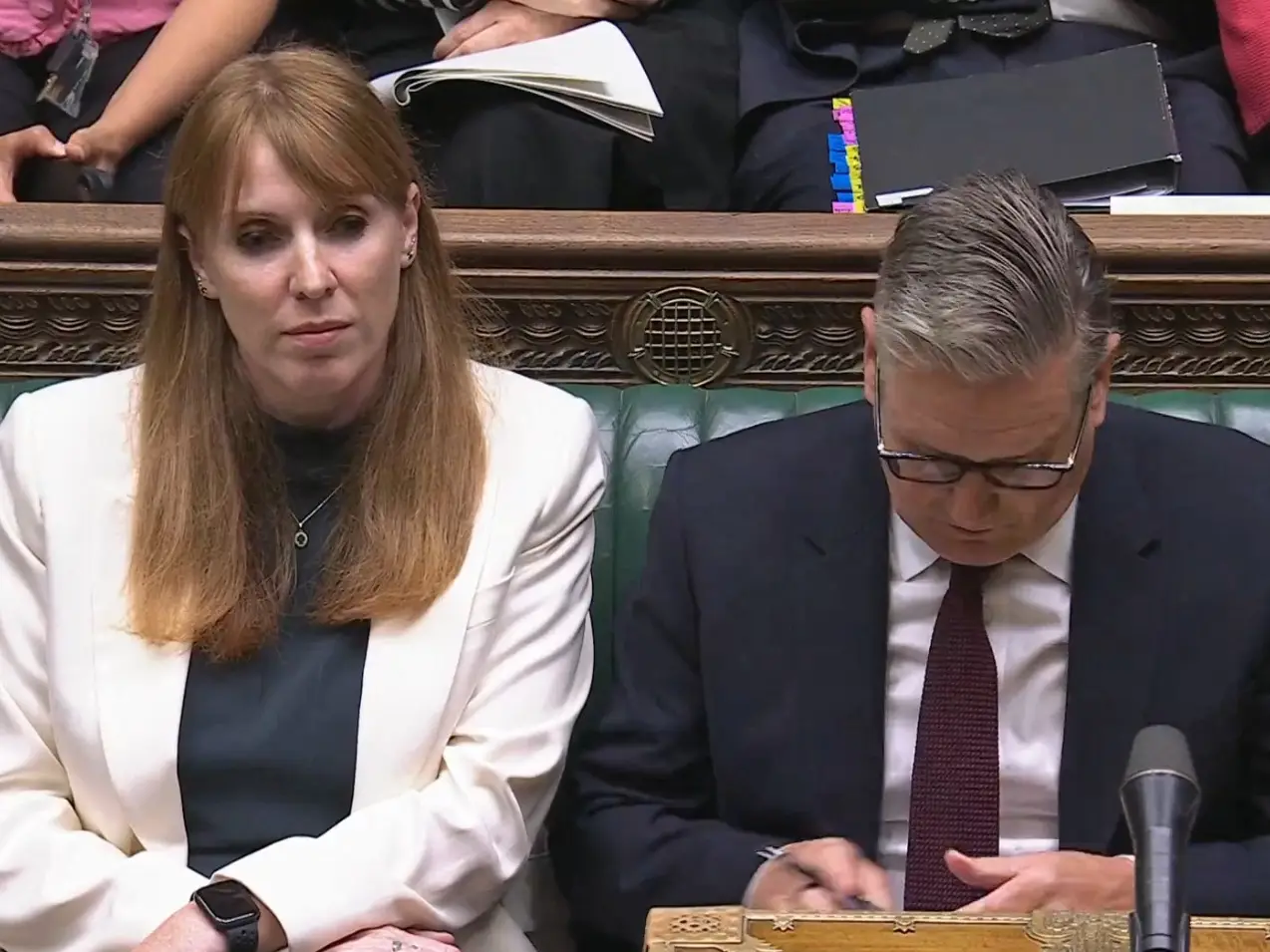
Angela Rayner has stepped down as the Deputy Prime Minister after the prime minister’s ethics adviser concluded she had breached the ministerial code by underpaying stamp duty on her £800,000 seaside flat. The ruling by Sir Laurie Magnus has delivered a major setback to Prime Minister Keir Starmer. While Magnus acknowledged that Rayner had served “with integrity and exemplary dedication,” he determined that her handling of the property purchase failed to meet the standards required of ministers.
Rayner’s resignation removes one of the most visible figures in Starmer’s cabinet. She has relinquished her posts as deputy prime minister, housing secretary, and deputy Labour leader — a dramatic departure that leaves the government without one of its most authentic working-class voices at a time when Labour is trailing Reform UK in the polls. Downing Street confirmed that a reshuffle will now follow, though Chancellor Rachel Reeves will remain in her position.
Rayner’s reasons for stepping down
In a resignation letter, Rayner said she “deeply regrets” not seeking specialist tax advice when purchasing her flat in Hove. She acknowledged the heavy strain on her family from sustained media scrutiny, writing that while her journey from “a teenage mum from a council estate in Stockport” to high office had been “the honour of my life,” the toll had become untenable.
Rayner referred herself to the ethics watchdog after it emerged she would be required to pay additional stamp duty, potentially as much as £40,000, for wrongly claiming the property as her only home. At the time of the purchase, she was spending much of her time at the family house in Ashton-under-Lyne, Greater Manchester, though she had placed her stake in that property into a trust created to provide for her disabled son. The revelations have fuelled accusations of hypocrisy, particularly as Labour is expected to tighten taxes on property owners in the upcoming autumn budget.
Who is Angela Rayner?
Trending Stories
&imwidth=180&imheight=135&format=webp&quality=medium)
US troop deaths in Iran war on rise? Pentagon reveals latest toll
&imwidth=180&imheight=135&format=webp&quality=medium)
Lula campaign accuses Meta of election interference after social media content blocked
&imwidth=180&imheight=135&format=webp&quality=medium)
100,000 strikes in 3 years: How October 7 redefined Israel's war
&imwidth=180&imheight=135&format=webp&quality=medium)
‘Your people don’t even let us near it’: IAF chief’s blunt response on US F-35; India yet to decide on Russia’s Su-57
&imwidth=180&imheight=135&format=webp&quality=medium)
Saudi Arabia's King Khalid International Airport attack kills 12, injures 309; India calls it 'unacceptable'
&imwidth=180&imheight=135&format=webp&quality=medium)
‘Never-ending flow of cheap labour’: JD Vance hits back at Indian-origin Congresswoman over US green card curbs for major tech companies
&imwidth=180&imheight=135&format=webp&quality=medium)
HYBE’s Weverse Con India sets ticket sale date for March 2027 festival
&imwidth=180&imheight=135&format=webp&quality=medium)
Messi scores twice in Inter Miami return following final match for Argentina
&imwidth=180&imheight=135&format=webp&quality=medium)
CJP's Abhijeet Dipke, Ashutosh Ranka, Saurav Das released 22 hours after flight detention
&imwidth=180&imheight=135&format=webp&quality=medium)
'Unwarranted interference': India slams UN human rights office over remarks on Delhi protests
&imwidth=180&imheight=135&format=webp&quality=medium)
'Jantar Mantar not the story of India': BJP's Sambit Patra claims 'anarchists' tried to hold Delhi captive
&imwidth=180&imheight=135&format=webp&quality=medium)
3rd T20I Preview: Another run-fest on cards as India face West Indies in Indore
&imwidth=180&imheight=135&format=webp&quality=medium)
Nicolas Cage refuses AI waiver for Spider-Noir, hints at Amazon exit and True Detective role
&imwidth=180&imheight=135&format=webp&quality=medium)
Riyadh airport hit in missile attack, dozens injured; 5 in intensive care
&imwidth=180&imheight=135&format=webp&quality=medium)
'Spent Rs 2,000 cr to elect Trump': Elon Musk bought US President's loyalty by writing the biggest political cheque in human history
&imwidth=180&imheight=135&format=webp&quality=medium)
Powerful 7.7 magnitude earthquake strikes Panama, tsunami warning issued
&imwidth=180&imheight=135&format=webp&quality=medium)
US mid-term elections: What are PACs - Unique American System that lets corporates shape voting
&imwidth=180&imheight=135&format=webp&quality=medium)
Nathan Lyon completes 1,000 Test runs at No. 10 to script rare cricket feat
&imwidth=180&imheight=135&format=webp&quality=medium)
'Ouch!!! That must hurt': Kangana Ranaut hails Kamal Haasan's sharp reply to Elon Musk over Starlink row
&imwidth=180&imheight=135&format=webp&quality=medium)
Barry Manilow cuts short Las Vegas comeback show, cancels next concert over Bronchitis
&imwidth=180&imheight=135&format=webp&quality=medium)
Hamas used double agents, deceived Israel to carry out October 7 massacre
&imwidth=180&imheight=135&format=webp&quality=medium)
Bigg Boss 20: Who is Manish Goel? Meet the new wild card contestant on Salman Khan’s show
&imwidth=180&imheight=135&format=webp&quality=medium)
Portugal Federation confirms Cristiano Ronaldo’s return to national team despite suspension
&imwidth=180&imheight=135&format=webp&quality=medium)
Kim Kardashian brings glamour to Singapore Grand Prix while supporting boyfriend Lewis Hamilton
&imwidth=180&imheight=135&format=webp&quality=medium)
‘Time for Ukraine to get a new president’: Trump lashes out at Zelensky over Russia strikes
&im=FitAndFill=(700,400)&imwidth=180&imheight=135&format=webp&quality=medium)
Amitabh Bachchan @ 84: A look at his most iconic on-screen avatars - Anthony Gonsalves, Vijay Kumar and more
&imwidth=180&imheight=135&format=webp&quality=medium)
BTS’ RM raises privacy concerns over drones, lasers outside hotel amid Lima concert, urges fan respect
&imwidth=180&imheight=135&format=webp&quality=medium)
Thai queen becomes first reigning monarch to fly jet solothailand #queen #wion
&im=FitAndFill=(700,400)&imwidth=180&imheight=135&format=webp&quality=medium)
Food shortages, suicide attempts and more: USS Abraham Lincoln returns to US after 321 day deployment — What happened aboard the US carrier?
&imwidth=180&imheight=135&format=webp&quality=medium)
Rahul Gandhi calls Modi, Shah ‘cowards’ amid CJP protest crackdown in Delhi
&imwidth=180&imheight=135&format=webp&quality=medium)
‘Had he known, would have been here’: CJP Chief Abhijeet Dipke denied news of grandmother's death, family claims
&imwidth=180&imheight=135&format=webp&quality=medium)
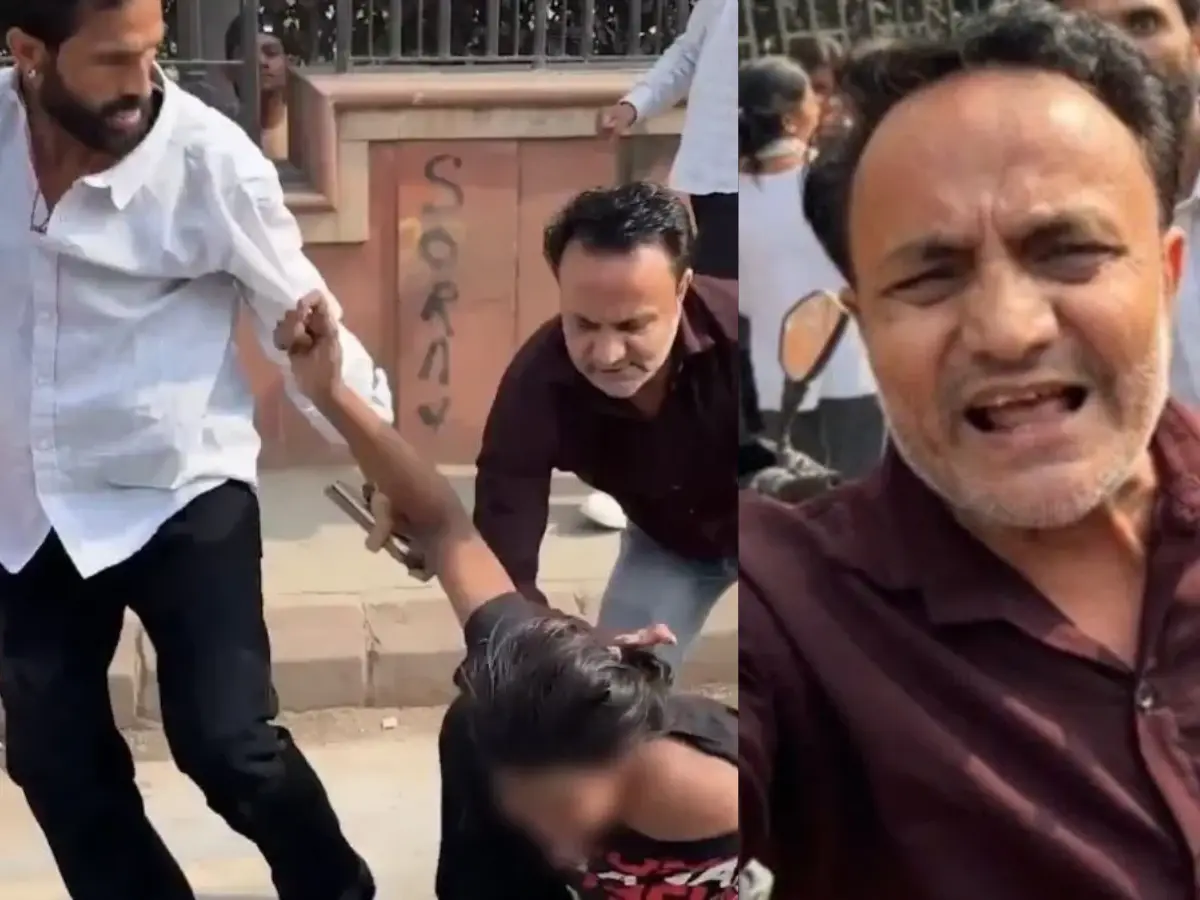
Delhi Police arrest 4 men seen in viral video allegedly assaulting women protesters during CJP protest
&imwidth=180&imheight=135&format=webp&quality=medium)
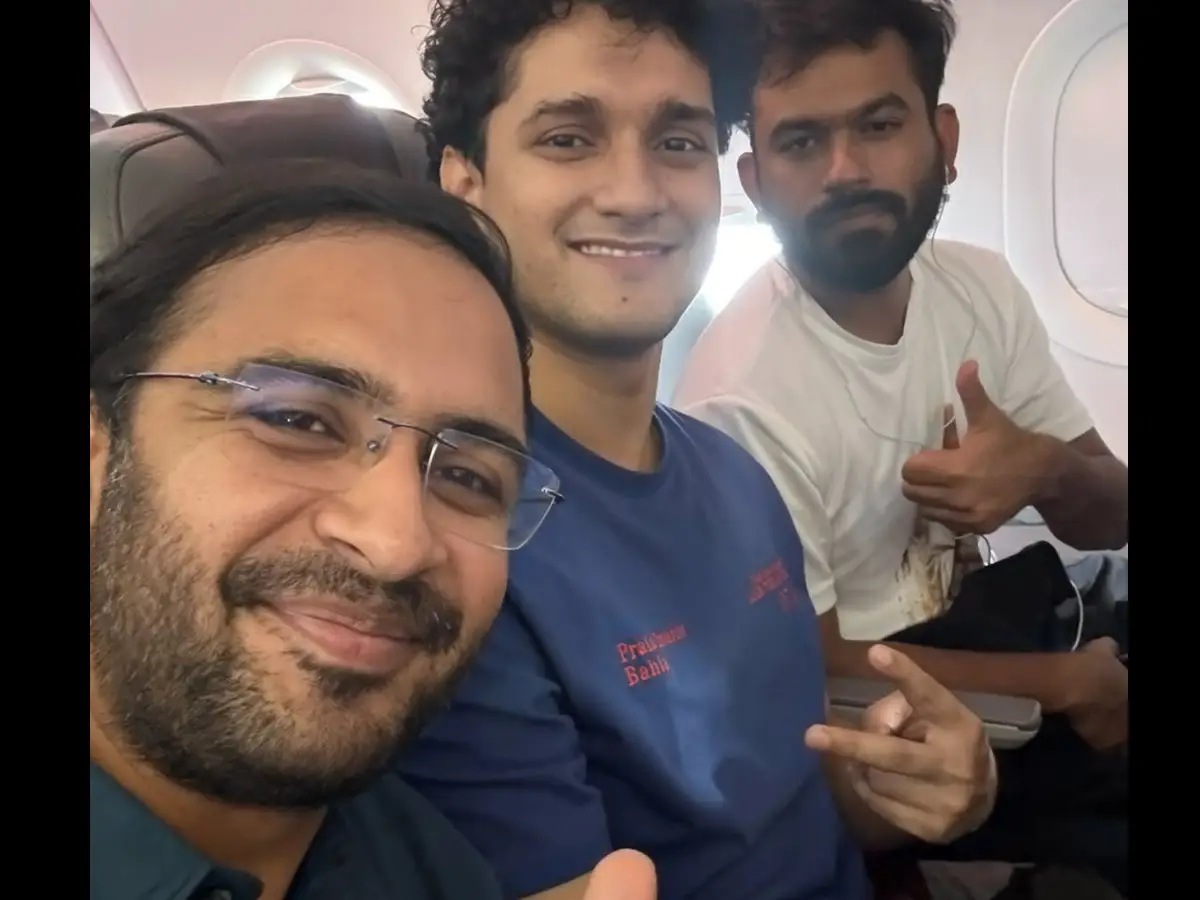
Where are Abhijeet Dipke, Ashutosh Ranka, Saurav Das? CJP gives big update after flight detention
&imwidth=180&imheight=135&format=webp&quality=medium)
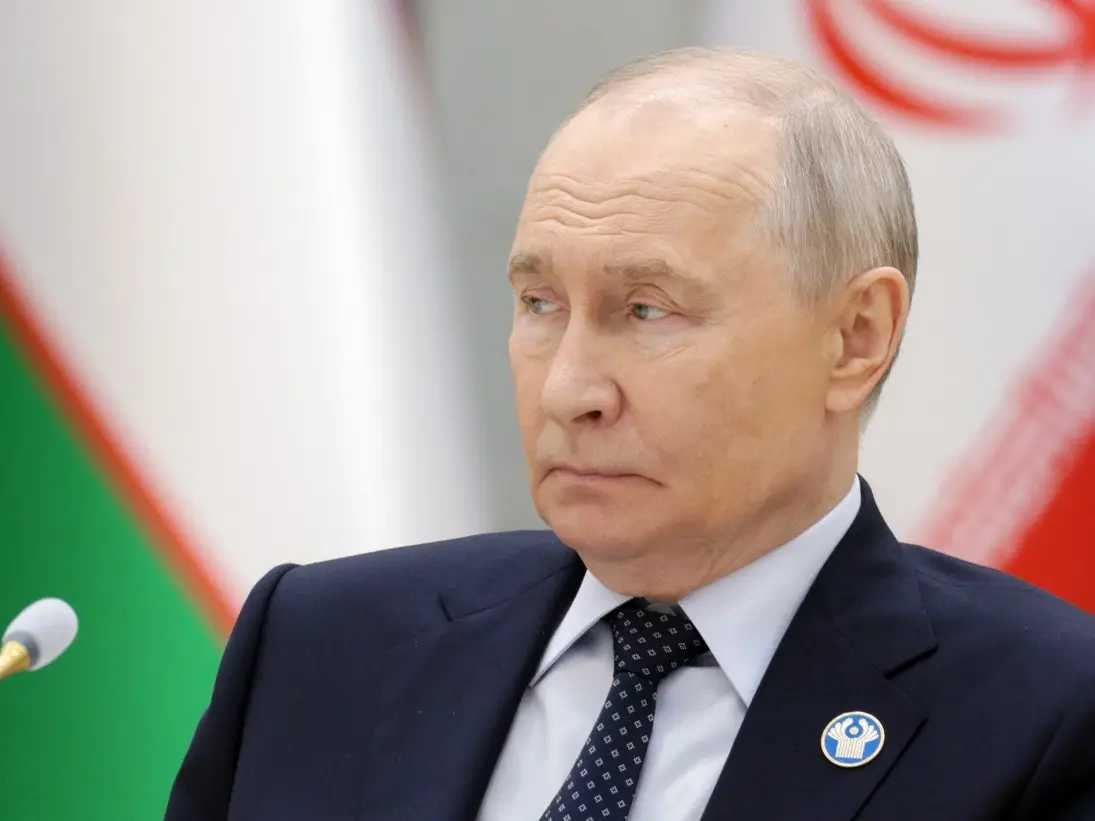
Putin conveys Iran’s proposal to Trump, offers to take Tehran’s enriched uranium
&im=FitAndFill=(700,400)&imwidth=180&imheight=135&format=webp&quality=medium)
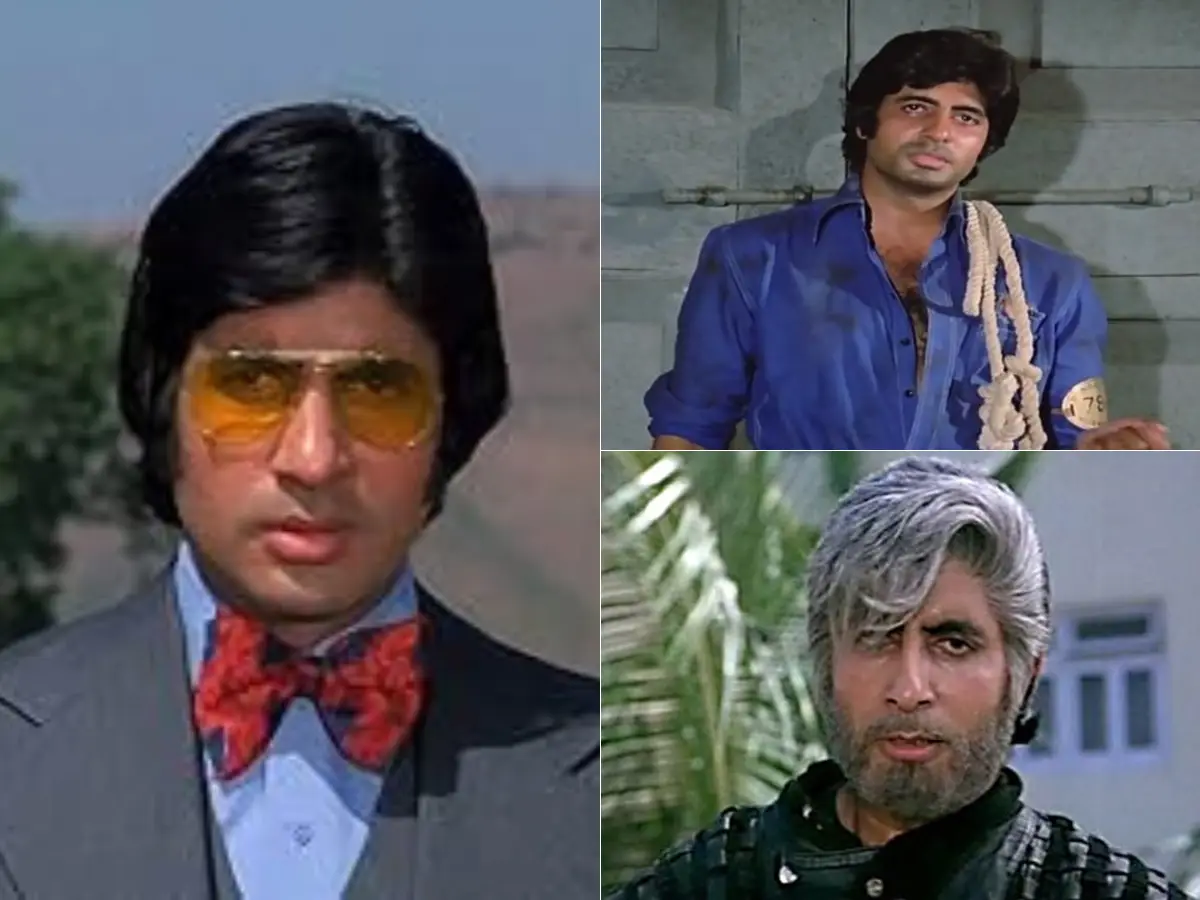
Amitabh Bachchan turns 84: A look at Big B’s iconic dialogues that continue to win hearts
Angela Rayner’s political journey is one of the most striking in modern British politics. Born in Stockport and leaving school at 16 while pregnant, she trained as a care worker before becoming a trade union representative. Her rapid rise in politics saw her elected as MP for Ashton-under-Lyne in 2015. Known for her plain-spoken style and strong working-class identity, Rayner has often been seen as a bridge between Labour and its traditional voter base. She has been a vocal advocate for social housing, workers’ rights, and education reform, and her life story has made her a powerful symbol of aspiration within the party. Her departure is a significant loss for Labour, not only because of her senior posts but because of the authenticity she brought to the frontbench — authenticity the party is struggling to project at a time of political fragility.

