UK cops abusing body-worn cameras, turning them off, sharing footage unlawfully on WhatsApp

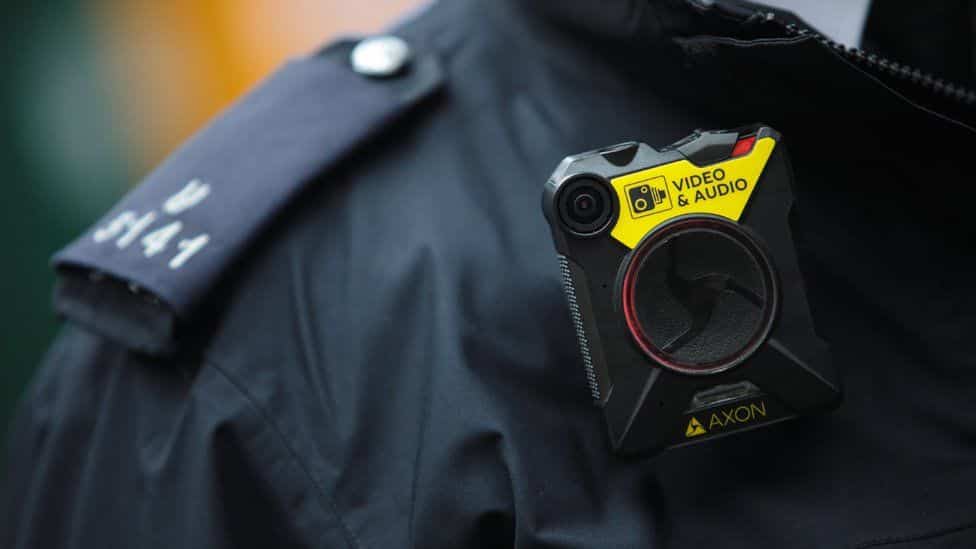
Image shows body-worn camera device, similar to what are 'used' by UK cops during operations
Cops in UK are increasingly resorting to turning their body-worn cameras off to steer clear of penalties and responsibility, BBC reported citing its investigation. In some reported instances, officers deleted the footage unlawfully and shared them with their friends and colleagues either personally or online via WhatsApp and other platforms.
In one instance, images of a naked person were circulated among department colleagues. In some cases, body cameras were used to unlawfully record conversations.
In others, these videos were not marked as evidence, amounting to a severe case of negligence.

BBC cited Acting Chief Constable Jim Colwell as saying that such incidents “go to the heart of what undermines confidence in policing”.
BBC also quoted the Home Office as saying that, “Police use of technology, including body-worn video cameras, must be lawful, proportionate and justified.”
Purpose defeated
Body-worn cameras were introduced to encourage transparency in the system. However, the recent BBC report reveals at least 150 cases where the very purpose of these cameras was defeated.
Officers simply turn these cameras off while using force, thus ensuring no transparency remains.
In some cases where the use of force is alleged, police department hardly releases footages to the press in response to information requests.
The root cause of the problem
This might be blamed on the lack of guidelines and regulations. In most of the cases, police officers themselves are responsible and liable for scrutinising the use of the camera.
WATCH:UK: Boris Johnson given green light to build swimming pool
Police forces' attitudetowards cameras are wrong, says Baroness Louise Casey, who conducted a year-long review into the Met Policepublished in March, and found it lacked accountability and transparency.
"There are too many dark things that go on that we are not seeing," she was quoted as saying by BBC.
Acting Chief Constable of Devon & Cornwall Police said the publication of footage should be default where lawful to do so. He also added that the current system was designed in a way that prevents complete transparency.
He said releasing footage was a challenge because the current legal framework - which includes data protection law - works against transparency.
WATCH WION LIVE HERE